
You just filled up your tank, hopped back in, turned the key… and your car sputtered and died. Weird, right? It ran fine before you stopped. This isn’t random bad luck. Car stalling after getting gas has a specific cause, and once you know what it is, the fix makes total sense. Let’s break down what’s going on under your hood and what you can actually do about it.
What’s Really Happening When Your Car Stalls After Getting Gas
Your engine stalling right after a fill-up isn’t a coincidence. It’s a mechanical chain reaction. When you pump gas, liquid fuel rushes into the tank and pushes out a huge wave of fuel vapor. That vapor has to go somewhere. In a healthy car, it gets trapped and stored safely. In a car with a problem, it takes a shortcut straight into your engine, and that’s what kills your idle.
This exact symptom is one of the most common driveability complaints tied to a single failed part. We’ll get into it below.
Meet the System Behind This Problem: Your Evaporative Emission Control System
Every car since the 1990s has a sealed fuel system. It’s not allowed to vent gas fumes into the air (thanks, EPA). Instead, a network of parts captures those fumes and burns them off later. This is called the Evaporative Emission Control System, or EVAP for short.
Here’s what’s involved:
| Part | What It Does |
|---|---|
| Sealed fuel tank | Traps vapor instead of releasing it. Has extra empty space at the top for fuel to expand in heat. |
| Charcoal canister | Stores fuel vapor using activated carbon, kind of like a sponge for gas fumes. |
| Canister vent valve | Lets fresh air into the canister so stored vapor can get pulled into the engine later. |
| Canister purge valve | Controls when vapor moves from the canister into the engine. Stays closed most of the time. |
| Fuel tank pressure sensor | Watches pressure inside the tank and reports back to the computer. |
Normally, this whole system works quietly in the background. You never notice it. But when one piece breaks, especially the purge valve, you feel it immediately, and usually right at the gas station.
Why a Stuck Purge Valve Causes This Exact Problem
The canister purge valve is supposed to stay shut unless the engine computer opens it on purpose. It only opens under specific conditions, like cruising at highway speed with a warm engine. The rest of the time, it’s closed tight.
The problem starts when that valve gets stuck open. This happens from age, electrical failure, or debris jamming the mechanism. Once it’s stuck, there’s a wide-open path connecting your fuel tank straight to your engine’s intake.
During normal driving, this might just cause a rough idle or some hesitation. But during refueling, everything changes.
The Fuel Pump Domino Effect
Here’s the sequence that leads to a stall:
- You pump gas, and rising fuel pushes a big rush of vapor out of the tank.
- With the purge valve stuck open, that vapor has a direct path into your intake manifold instead of the charcoal canister.
- By the time you’re done fueling, your intake is packed with dense, unmetered fuel vapor.
- You start the car, and the injectors add their normal dose of fuel on top of that vapor.
- Now there’s way too much fuel and not enough air. The engine can’t fire properly, and it stalls.
Identifix notes this exact rich-mixture flooding as the classic signature of a bad purge valve. The engine isn’t broken. It’s just drowning in fuel it can’t burn.
Topping Off Your Tank? That’s Probably Why This Started
Here’s the part that surprises most people. A stuck purge valve often starts because of a habit you probably do without thinking: topping off your tank after the pump clicks off.
When the nozzle shuts off automatically, your tank is full. The empty space left at the top isn’t wasted room. It’s built-in space for vapor expansion. If you keep squeezing the handle to round up to a nice number, you’re forcing liquid gas into that space.
Liquid gas doesn’t belong in the charcoal canister. It’s built for vapor, not liquid. Once liquid fuel gets in there, it breaks down the carbon inside, turning it into sludge or crumbly black pellets. Those pellets get sucked out through the vapor lines and jam themselves right into your purge valve, wedging it open for good.
CarParts.com lists overfilling as one of the top preventable causes of this exact stalling problem. So next time the pump clicks off, just stop there. Rounding up to an even dollar amount isn’t worth a $400 repair bill.
The Warning Codes Your Car Throws
If this is happening to you, your car’s computer has probably already noticed. It stores trouble codes even before your check engine light turns on for good. Here are the codes most tied to stalling after refueling:
| Code | What It Means |
|---|---|
| P0496 | High purge flow detected — the classic “stuck open valve” code |
| P0441 | Incorrect purge flow, too much or too little |
| P0451 | Fuel tank pressure sensor giving weird readings |
| P0452 | Pressure sensor voltage too low |
| P0453 | Pressure sensor voltage too high |
| P0455 | Large EVAP leak detected |
| P0456/P0457 | Small leak or loose gas cap |
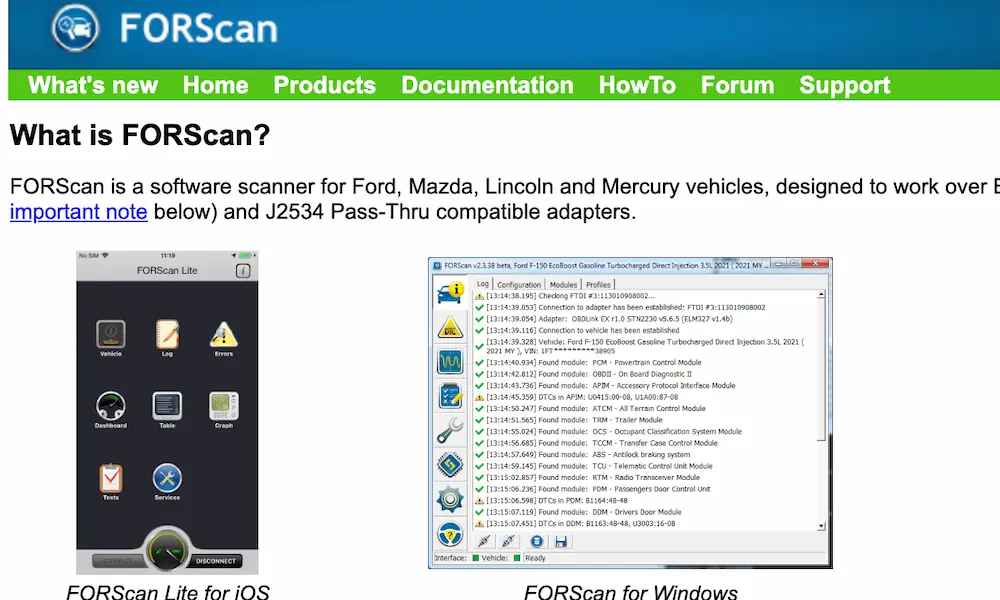
P0496 is the big one here. AutoZone’s code reference explains that this code sets when the computer detects vacuum building in the tank while the purge valve is supposed to be fully closed. That’s basically the car telling you “hey, my valve is leaking vacuum into my fuel tank when it shouldn’t be.”
If your scanner pulls any of these codes right after a stalling episode, you’ve got your answer.
Stuck at the Pump? Try This Trick
Say you’re stranded at the gas station right now, and your car won’t start. Don’t just keep cranking the key over and over. That dumps more fuel into an already flooded engine and makes things worse.
Instead, try this:
- Press the gas pedal all the way to the floor and hold it there
- Turn the key to start while still holding the pedal down
- Keep holding until the engine catches and starts running
- Let off the pedal once it’s idling on its own
This is called Clear Flood Mode, and almost every modern car has it built in. When the computer sees the throttle wide open during cranking, it cuts off fuel delivery completely and opens the throttle plate all the way. The engine then just pumps clean air through the cylinders, clearing out that thick vapor cloud. Once the air-to-fuel mix is normal again, the engine fires right up.
If holding the pedal down gets your car running, that’s basically a confirmed diagnosis. Your purge valve is stuck open, and your engine flooded from vapor, not from a fuel delivery problem.
Got a Capless Gas Cap? Check This First
Newer cars, especially Fords with the “Easy Fuel” system, don’t use a traditional screw-on gas cap anymore. Instead, there’s a spring-loaded flap inside the filler neck that seals shut on its own.
The problem is dirt. Road grime builds up around that flap over time. Every time you stick the nozzle in, you push debris right onto the sealing surface. Eventually the flap can’t seal properly anymore, and that breaks the vacuum seal your EVAP system depends on.
Signs of a dirty capless system include:
- “Check Fuel Fill Inlet” warning on the dash
- The pump nozzle clicking off way too early during fueling
- Rough idle right after startup
- EVAP leak codes showing up out of nowhere
The fix is simpler than you’d think. Spray a bit of light lubricant into the filler neck, then use the car’s emergency funnel (it usually lives in the trunk) to work the flap open and closed a few times. This knocks the debris loose and can restore the seal without replacing any parts.
Other Things That Can Cause This
The purge valve is the most common cause by far, but it’s not the only one. Here are a few other suspects worth ruling out:
- Clogged fuel filter — refueling stirs up sediment sitting at the bottom of the tank. If your filter’s already weak, this extra debris can choke off fuel flow.
- Dirty mass airflow sensor — a coated sensor misreads incoming air, throwing off the fuel mix right when vapor surges hit after refueling.
- Carbon buildup in the throttle body — restricts airflow enough that a vapor surge can drop your idle speed below the stall threshold.
- Water-contaminated fuel — rare, but bad gas station tanks can let water into your fuel, and water sinks straight to your fuel pickup.
- Weak spark plugs or coils — a marginal spark might handle normal fuel mixtures fine but fail the moment things get a little richer than usual.
A mechanic will typically rule these out before landing on the purge valve, especially if your symptoms don’t perfectly match the classic post-refuel stall pattern.
What Happens If You Ignore It
Letting this problem sit isn’t just annoying. It gets expensive fast. Here’s what a stuck-open purge valve can do to the rest of your car over time.
It can melt your catalytic converter. Unburned fuel vapor gets pushed straight into your exhaust. That raw fuel ignites against the superheated catalyst, and the heat spike can melt the internal honeycomb structure. That’s a repair that easily runs into four figures.
It can foul your spark plugs. All that extra unburned fuel creates carbon buildup on your plugs. Carbon conducts electricity, so your spark ends up grounding out instead of firing properly. That means rough running even after you fix the original problem.
It can literally crush your fuel tank. This one sounds dramatic, but it’s real. A stuck-open valve creates constant engine vacuum pulling on your tank. If the vent valve can’t relieve that vacuum fast enough, atmospheric pressure crushes the plastic tank inward. This is serious enough that it triggered a major recall (more on that below).
Known Recalls and Service Bulletins Worth Knowing
This problem is common enough that manufacturers have issued official fixes for it. Here’s what’s out there:
Ford Focus (2012–2018): NHTSA recall 18S32 covers over 255,000 vehicles where the computer failed to catch a stuck-open purge valve early enough. This let vacuum build up and physically crush the fuel tank, causing stalling and wildly inaccurate fuel gauges. Ford’s fix includes a software update plus fuel tank replacement if needed, free of charge.
Ford Edge and Nautilus (2022): A technical service bulletin covers stalling right after startup along with trouble filling the tank past halfway. The root cause turned out to be a fuel vapor line that came disconnected inside the fuel pump assembly itself.
General Motors (various models): A service bulletin instructs technicians to physically check seven different EVAP connections before replacing parts, since a purge valve can pass an electrical test and still be mechanically stuck.
If you drive one of these models and you’re dealing with stalling after fill-ups, it’s worth checking whether your VIN qualifies for a free repair before paying out of pocket.
How Mechanics Actually Diagnose This
If you take your car in, here’s roughly what a good shop will do to nail down the cause:
- Scan for codes and check fuel trim data. Negative fuel trims point toward a rich condition from unmetered vapor.
- Command the purge valve closed using the scan tool while watching the fuel tank pressure sensor. If vacuum still builds in the tank, the valve is leaking.
- Bench test the valve with a hand vacuum pump. A good valve holds vacuum. A bad one bleeds down fast.
- Check for charcoal debris in the vapor lines. Black dust or pellets confirm the canister has broken down internally.
- Smoke test the whole system to find any additional leaks in hoses or the gas cap seal.
This step-by-step approach avoids expensive guesswork. A tech who skips the canister inspection and just swaps the purge valve risks having the new valve fail almost immediately from leftover carbon debris in the lines.
Final Thoughts
Car stalling after getting gas almost always comes down to one thing: a canister purge valve stuck open, letting raw fuel vapor flood your engine right when you try to start it. It’s usually made worse by topping off your tank past the automatic shutoff, which destroys the charcoal canister and sends debris straight into the valve.
The good news is this isn’t a mystery problem. It shows up in your scan tool as specific codes like P0496, it responds to the wide-open-throttle trick if you’re stuck at the pump, and it’s a well-documented fix at any decent repair shop. Skip the topping-off habit, get the valve checked if you’re seeing these symptoms, and don’t let it linger. A cheap valve replacement now beats a melted catalytic converter or a crushed fuel tank later.