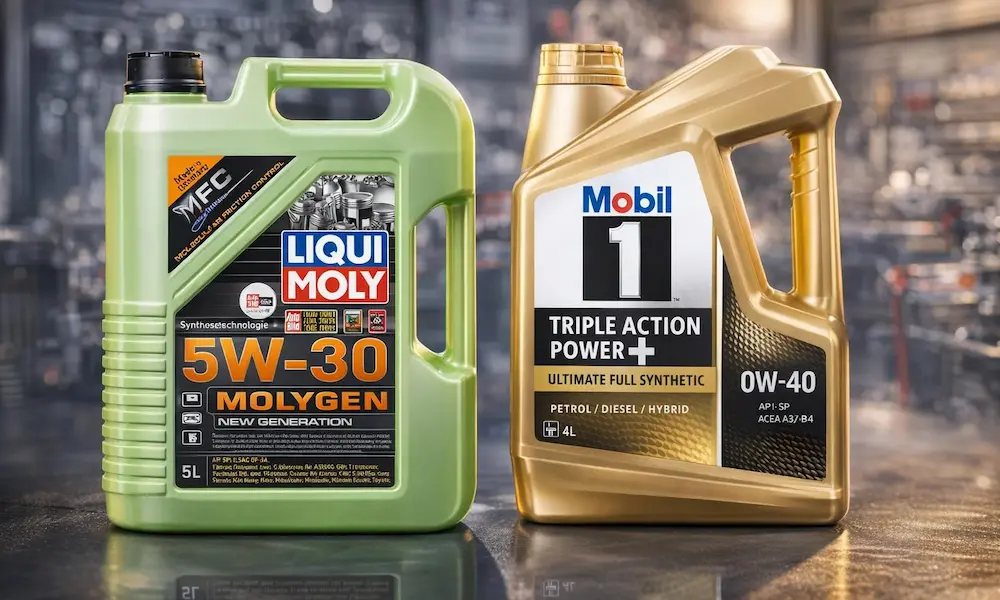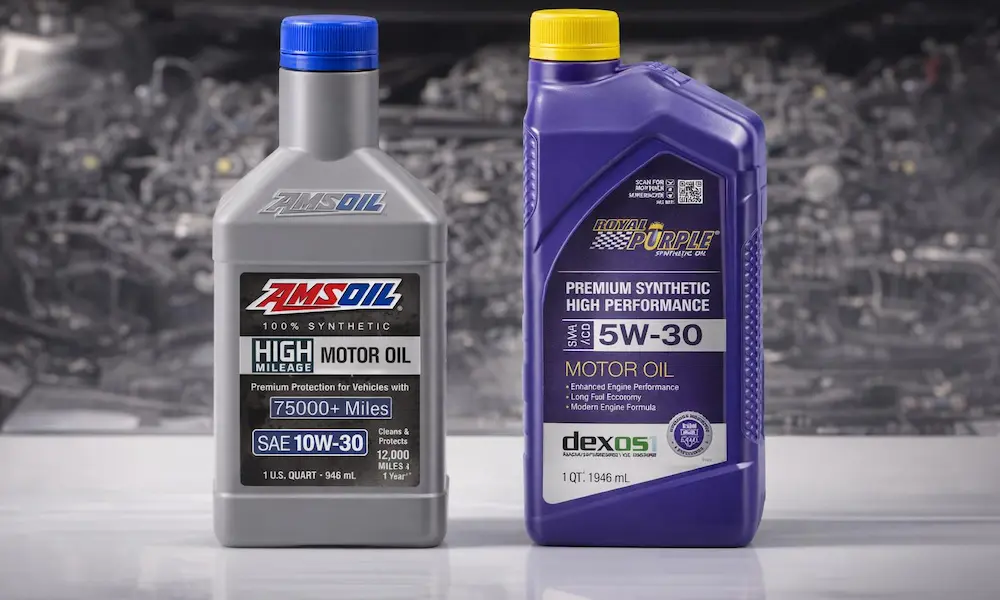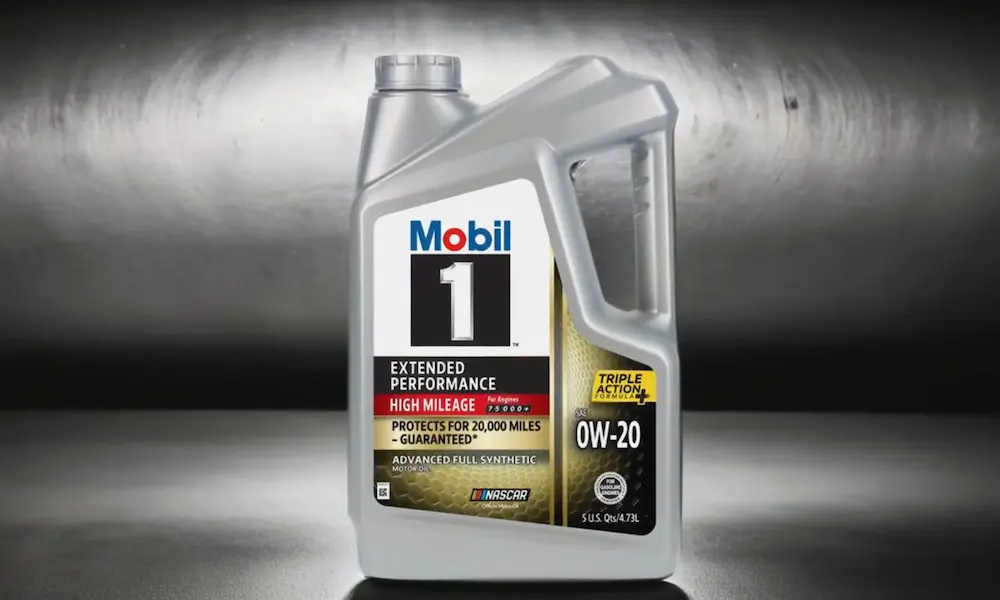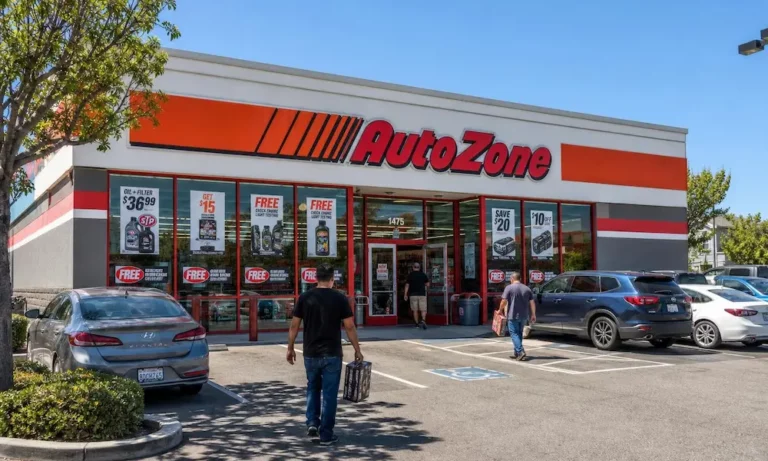
Just changed your oil and now you’re staring at a jug of black, grimy used motor oil with no idea what to do with it? AutoZone might be your answer — but there are a few things you need to know first. This guide covers exactly what they take, what they don’t, how much you can bring, and how to avoid getting turned away at the door.
Yes, AutoZone Does Take Used Oil — Here’s the Quick Answer
AutoZone accepts used motor oil for free recycling at most locations across the United States. You can drop off up to five gallons per visit during regular store hours, at no charge.
This program has been running since March 15, 1991, in partnership with Safety-Kleen, one of the largest used oil collectors in North America. Since then, the two companies have diverted roughly 2.8 billion gallons of used motor oil from landfills and waterways. That’s not a typo.
To put the environmental stakes in perspective: one gallon of motor oil can contaminate up to one million gallons of fresh water. So yes, dropping off that jug genuinely matters.
What Fluids Does AutoZone Actually Accept?
Here’s where things get a little tricky. The official corporate policy says AutoZone only accepts pure motor oil. But in practice, many stores accept other hydrocarbon-based fluids too.
Lots of AutoZone locations have waste tanks with internal decals that authorize the collection of all hydrocarbon-based fluids. So don’t be surprised if your local store takes more than just motor oil.
Here’s a breakdown of what’s in and what’s out:
| Fluid | Accepted? | Why |
|---|---|---|
| Motor Oil | ✅ Yes | Primary target of the recycling program |
| Automatic Transmission Fluid | ✅ Often yes | Hydrocarbon-based; compatible with bulk tanks |
| Gear Oil & Hydraulic Fluid | ✅ Often yes | Also hydrocarbon-based; doesn’t disrupt re-refining |
| Brake Fluid | ❌ No | Glycol-ether base contaminates the entire tank |
| Coolant & Antifreeze | ❌ No | Glycol ruins the chemical stability of the batch |
| Gasoline | ❌ Absolutely not | Highly volatile; explosion risk during storage and transport |
| Mixed or Contaminated Fluids | ❌ No | Renders the whole tank unrecyclable; classified as hazardous waste |
The rule of thumb: if it’s hydrocarbon-based, there’s a good chance your local AutoZone will take it. If it contains glycol or water — or if it’s gasoline — keep it far away from the recycling tank.
How Much Used Oil Can You Drop Off?
The standard limit is five gallons per household, per visit. Most stores stick to this.
There’s no official national rule on how often you can visit, but store managers generally expect drop-off frequency to match normal oil change intervals — so roughly two or three times a year per household.
Some third-party sources mention an annual ceiling of around 25 gallons per consumer, though enforcement varies by location.
If you’re a professional mechanic or manage a vehicle fleet, AutoZone Pro gives you access to higher volume drop-offs and scheduled quarterly tank pump-outs. That’s the route for anyone dealing with commercial quantities.
What Container Do You Need to Bring?
AutoZone is specific about containers, and showing up with the wrong one will get you turned away.
Bring these:
- The original motor oil jug (best option)
- A clean, translucent, tightly sealed polyethylene plastic container
- Any heavy-duty plastic jug with a secure cap
Don’t bring these:
- Glass containers
- Metal cans or tins
- Thin household plastics like milk jugs or juice cartons
Thin plastic containers leak. Glass can break. Metal can react. The store staff will reject any container that doesn’t meet safety standards, and you’ll be driving home with your used oil.
One more thing: you take your empty container back with you. The store transfers the oil to their bulk tank — they don’t keep your jug.
Why Would AutoZone Refuse Your Drop-Off?
Even if you do everything right, a store might still say no. Here are the most common reasons:
- The bulk storage tank is full. AutoZone collects over 120 million gallons of oil annually across its retail network. Tanks fill up fast, especially at busy locations.
- Your fluid looks contaminated. Staff check containers visually before accepting them.
- Wrong container type. As covered above, glass, metal, and thin plastics are rejected.
- Short staffing. If no one’s available to safely transfer and verify the oil, the store may pause drop-offs temporarily.
The fix? Call ahead. A quick phone call tells you if they have capacity and whether your fluid type is acceptable at that specific location.
Does Your State Have Different Rules?
Yes, and this matters more than most people realize.
In New York State, any retailer that sells motor oil must accept up to five gallons per person, per day — for free. New York’s law also explicitly includes transmission fluid in its definition of motor oil, so stores in New York are legally required to accept it.
In California and Texas, environmental compliance rules are stricter. Store managers in these states often enforce zero-tolerance policies on fluid contamination and require staff to visually inspect every container before accepting it.
Under the federal Resource Conservation and Recovery Act — updated in 2019 to require household hazardous waste programs in 42 states — many AutoZone stores operate as Certified Collection Centers, integrated directly into regional municipal waste programs.
Bottom line: your state may give you more rights than AutoZone’s corporate policy suggests. Know your local laws.
How to Prep Your Oil Before You Go
Dropping off used oil is simple, but doing it right keeps you legal and makes the store’s job easier.
- Place a tarp or plastic sheet under your car before draining to catch drips.
- Use a sealable drip pan with a pour spout — these make transferring oil clean and mess-free.
- Pour drained oil into an approved container and seal it tightly.
- Store it in a cool, dry spot away from kids and household traffic until your drop-off day.
Don’t mix anything with the oil. Even a small splash of antifreeze or brake fluid can contaminate an entire bulk tank, making thousands of gallons unrecyclable and triggering expensive hazardous waste removal.
What About Used Oil Filters?
AutoZone takes used oil filters too — also for free.
Before you bring one in, do this:
- Puncture a small hole in the filter’s dome to let residual oil drain completely into your collection pan.
- Seal the drained filter in a plastic bag to prevent leaks during transport.
Even a “drained” filter holds several ounces of oil. Skip this step and you’ll make a mess in your car and at the store counter.
Some local Certified Collection Centers run Used Oil Filter Exchange Events where you bring in a used filter and walk out with a free replacement valued up to $15. Worth checking if your area runs these.
How Does AutoZone Compare to Other Drop-Off Options?
AutoZone isn’t your only choice. Here’s how the main options stack up:
| Drop-Off Location | Accepts Motor Oil | Volume Limit | Cost | Filters Accepted |
|---|---|---|---|---|
| AutoZone | ✅ Yes | 5 gallons | Free | ✅ Free |
| Advance Auto Parts | ✅ Yes | 5 gallons | Free | ✅ Free |
| O’Reilly Auto Parts | ✅ Yes | 10 gallons | Free | ✅ Free |
| NAPA Auto Parts | Location-dependent | 3 gallons | $2.00 | ❌ No |
| Municipal HHW Sites | ✅ Yes | Unlimited / high limit | Free to $5.00 | Sometimes |
| TerraCycle Mail-In Kit | ✅ Yes | 5 gallons | $30.00 | ❌ No |
O’Reilly Auto Parts accepts up to 10 gallons per visit, which beats AutoZone’s five-gallon limit if you’ve got a larger batch to offload. Municipal hazardous waste sites are the best bet for large quantities or mixed fluids that retailers won’t touch.
Can You Earn Rewards for Recycling at AutoZone?
Yes. Since April 2023, AutoZone’s loyalty program includes “Green Points” — you earn points for every fluid drop-off, and after three visits you get a $5 discount coupon.
Some stores also hand out promotional vouchers offering discounts on new oil purchases when you bring in used oil. It’s not a huge payout, but it’s a nice bonus for doing something you should be doing anyway.
What Happens to the Oil After Drop-Off?
The oil doesn’t just sit in a tank. Safety-Kleen’s fleet of trucks, tankers, railcars, and barges picks it up from thousands of retail locations and transports it to specialized re-refining facilities.
About 85% of collected oil gets processed back into high-quality base stocks. That re-refined oil ends up supplying one in three new bottles of lubricant sold on AutoZone’s shelves.
The efficiency is remarkable: producing 2.5 quarts of fresh motor oil from crude requires 42 gallons of raw resources. Re-refining that same 2.5 quarts takes just one gallon of recycled oil. The program’s environmental impact is equivalent to removing approximately 600,000 passenger vehicles from the road each year.
One More Thing: Battery Recycling Pays You
While you’re at AutoZone dropping off oil, don’t ignore their battery recycling program.
Bring in an old lead-acid battery when buying a new one and AutoZone waives the core charge immediately. Bring in a qualifying battery without buying anything and you get a $10 merchandise credit or store gift card.
The limit is 10 batteries per customer, per day. The credit applies only to standard lead-acid batteries — not motorcycle, lawn, or marine batteries. When transporting a battery, disconnect the negative cable first, then the positive, to avoid sparks.
Details on AutoZone’s full recycling program, including batteries and auto parts, are on their site if you want to dig deeper.