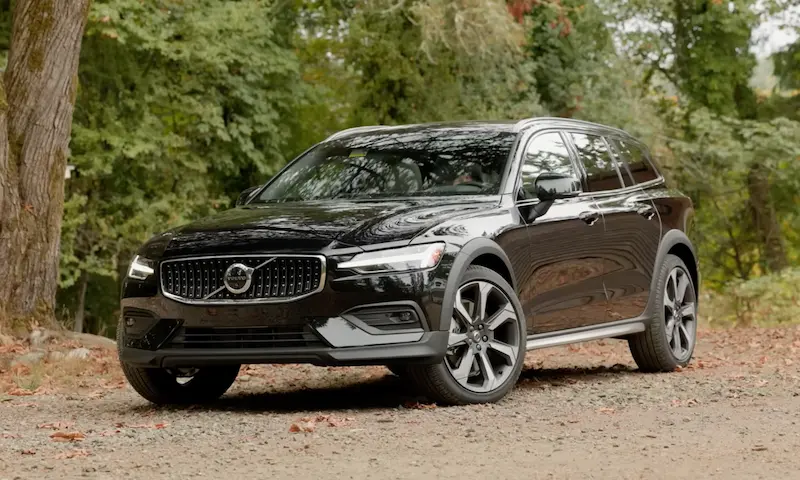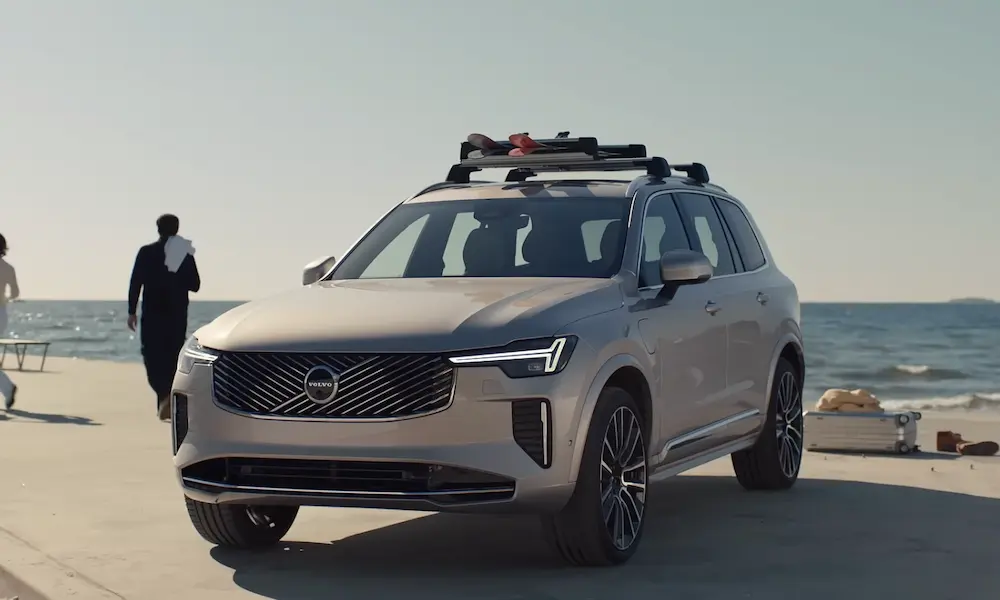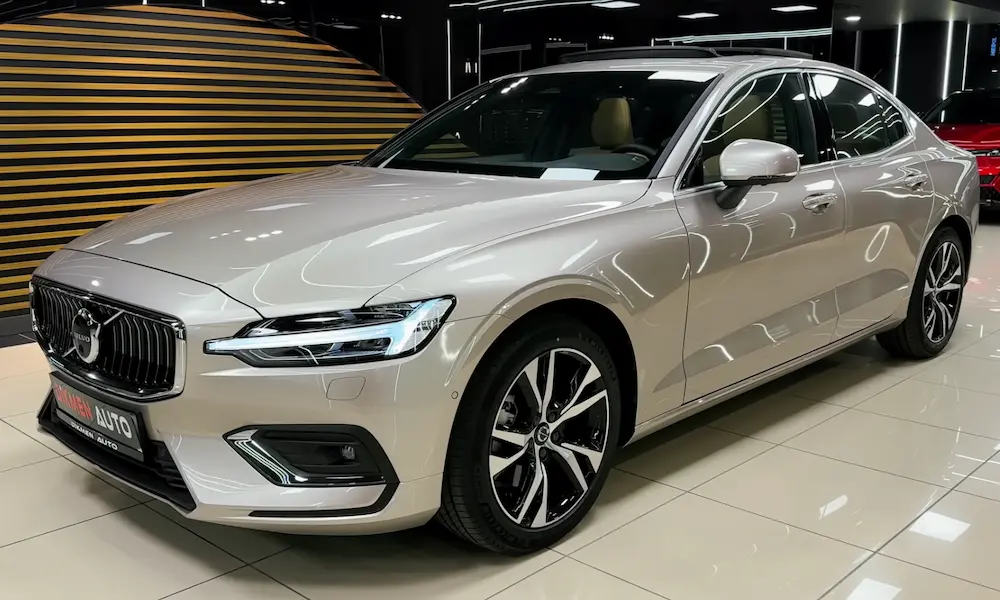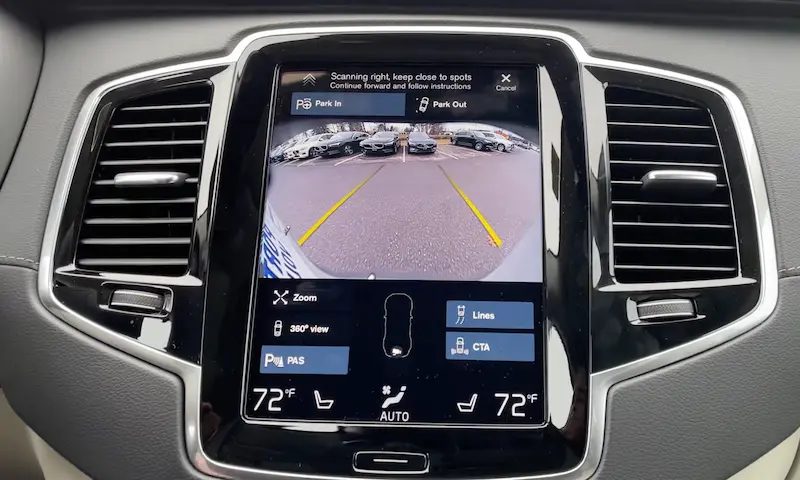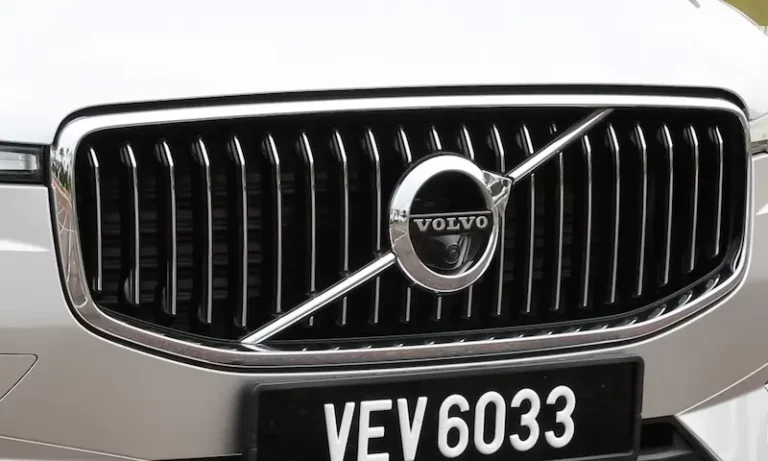
You might have noticed that sleek Volvo driving by and wondered who’s behind the iconic Swedish brand these days. Is it still Ford? The answer isn’t as straightforward as you might think, and understanding Volvo’s ownership helps explain the brand’s evolution over the last few decades.
Ford’s Acquisition of Volvo Cars: The Beginning
Ford Motor Company purchased Volvo Cars in 1999 for $6.45 billion, adding the Swedish manufacturer to its Premier Automotive Group that included luxury brands like Jaguar, Land Rover, and Aston Martin. This acquisition wasn’t just about expanding Ford’s global footprint—it was a strategic move to leverage Volvo’s stellar reputation for safety and engineering excellence.
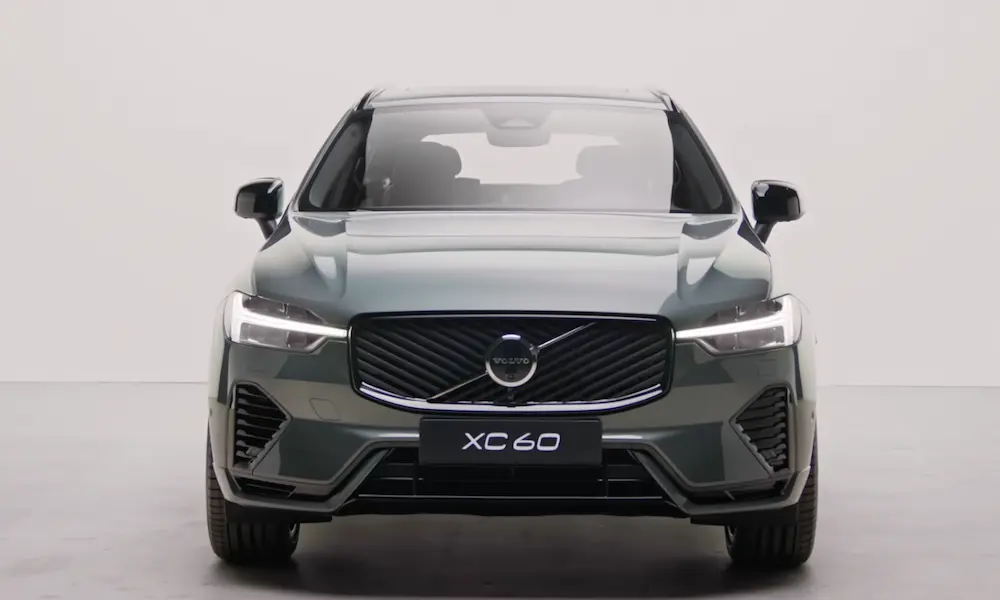
During the Ford era, Volvo launched several notable models including the second-generation S80 sedan and the XC60 SUV, which continued to emphasize Volvo’s commitment to safety innovation while pushing into more upmarket territory.
“The acquisition of Volvo represents an exciting new chapter in Ford’s history,” Ford executives proclaimed when finalizing the deal in early 1999.
Why Ford Sold Volvo: Financial Crisis and Strategic Shift
Ford’s ownership of Volvo lasted just over a decade. By 2008, several factors converged that prompted Ford to reconsider its Volvo investment:
- The global financial crisis severely impacted Ford’s finances
- Ford needed to focus on its core brands and operations
- Volvo was reporting losses under Ford’s management
- Critics argued Ford’s integration approach diluted Volvo’s unique character
These challenges led Ford to announce its intention to divest from Volvo in 2008. After evaluating multiple bids, Ford completed the sale of Volvo Cars to Zhejiang Geely Holding Group in August 2010 for $1.8 billion—significantly less than what Ford had paid eleven years earlier.
The Geely Era: Volvo’s Current Ownership
Since 2010, Volvo Cars has been owned by Zhejiang Geely Holding Group (ZGH), a Chinese multinational automotive company. This acquisition marked a watershed moment as the largest overseas purchase by a Chinese automaker at that time.
Under Geely’s ownership, Volvo has experienced:
- Maintained operational autonomy while benefiting from Geely’s financial backing
- Accelerated transition to electrification with plans to be fully electric by 2030
- Expanded manufacturing footprint globally, including new facilities in China
- Increased annual sales from around 400,000 units under Ford to over 700,000 by 2023
- Successful public offering on Nasdaq Stockholm in 2021 (though Geely retained a 78.7% stake)
Geely Chairman Li Shufu emphasized preserving Volvo’s core values—safety, quality, and sustainability—while expanding its global presence, particularly in the Chinese market.
Comparing Ford and Geely’s Ownership Approaches
The transition from Ford to Geely ownership reveals interesting contrasts in management philosophy and outcomes:
| Aspect | Under Ford (1999-2010) | Under Geely (2010-Present) |
|---|---|---|
| Brand Identity | Integration into Ford’s luxury portfolio | Preservation of Volvo’s Swedish heritage |
| Technology Sharing | Critics claimed dilution of Volvo uniqueness | Collaborative development while maintaining autonomy |
| Annual Sales | Stagnated around 400,000 units | Grew to over 700,000 units by 2023 |
| Strategic Focus | Cost-cutting during financial crisis | Long-term investment in electrification |
| Market Expansion | Limited global growth | Significant expansion in China and emerging markets |
The Timeline of Volvo’s Ownership Changes
To clearly understand Volvo Cars’ journey, here’s a chronological breakdown:
1927: Volvo founded in Gothenburg, Sweden
1999: Ford acquires Volvo Cars for $6.45 billion from AB Volvo
2008: Financial crisis hits; Ford announces intention to sell Volvo
2010: Geely purchases Volvo Cars for $1.8 billion
2021: Volvo Cars goes public on Nasdaq Stockholm, with Geely maintaining majority ownership
2023: Volvo’s annual sales exceed 700,000 vehicles globally
Volvo’s Transformation Under Geely
Since the acquisition, Geely has invested heavily in Volvo’s future, resulting in several transformative initiatives:
Electrification Push
Volvo announced ambitious plans to become fully electric by 2030, with all new vehicle sales to be conducted online. This strategy represents one of the most aggressive electrification timelines among traditional automakers and demonstrates Geely’s commitment to positioning Volvo at the forefront of automotive innovation.
The company formed a partnership with battery manufacturer Northvolt and developed the Scalable Product Architecture (SPA) platform to support its electric vehicle lineup. These investments have fundamentally changed Volvo’s product strategy compared to the Ford era.
Global Manufacturing Expansion
Under Geely, Volvo has significantly expanded its manufacturing footprint with new or enhanced facilities in:
- China (multiple locations)
- United States (South Carolina)
- Europe (maintaining and upgrading Swedish operations)
This manufacturing strategy has allowed Volvo to navigate tariff challenges while optimizing production for different markets.
Technology Development
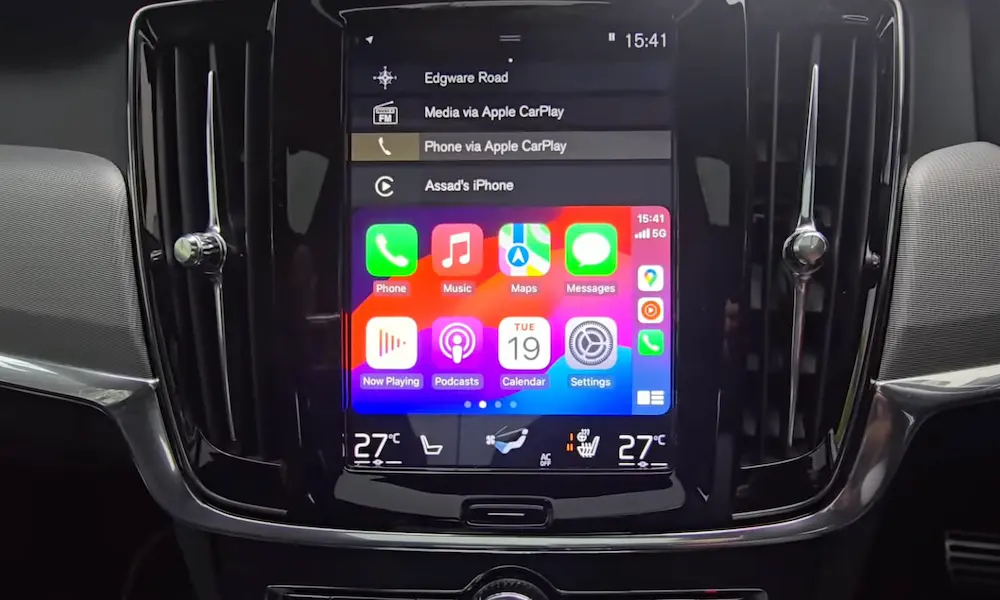
Geely has facilitated technological collaboration without compromising Volvo’s engineering autonomy. The partnership has accelerated innovation in areas like autonomous driving, connectivity, and lightweight materials.
Financial Performance and Market Position
The financial trajectory of Volvo under different ownership tells an interesting story:
Under Ford, Volvo struggled to maintain profitability, particularly during the 2008-2009 financial crisis. By contrast, Geely’s ownership has seen Volvo achieve record sales and improved margins, though recent global challenges like semiconductor shortages and inflation have created new hurdles.
Volvo’s market positioning has also evolved. Under Ford, Volvo occupied an awkward middle ground between mainstream and luxury segments. Geely has successfully elevated the brand into a legitimate premium contender, competing more directly with German luxury manufacturers.
Why Ford’s Divestment Made Strategic Sense
Looking back, Ford’s decision to sell Volvo appears prescient for several reasons:
- It allowed Ford to focus on restructuring its core business during a critical period
- The sale generated needed capital during the financial crisis
- Ford maintained access to Volvo safety technology through licensing agreements
- Ford avoided the massive investment required for Volvo’s electrification journey
As Ford CEO Alan Mulally noted when announcing the sale, “The sale of Volvo will allow us to further sharpen our focus on building the Ford brand around the world and continue to deliver on our One Ford plan.”
The Future of Volvo Under Geely
Volvo continues to evolve under Geely’s ownership with several key initiatives shaping its future:
- Complete transition to electric vehicles by 2030
- Enhanced autonomous driving technology development
- Expansion in key markets like China and North America
- Continued emphasis on safety innovation and sustainability
- Potential further integration with other Geely-owned brands like Polestar and Lynk & Co
The company faces challenges including increased competition in the premium EV space, global supply chain disruptions, and geopolitical tensions affecting Chinese-owned companies in Western markets.
Final Verdict: Does Ford Own Volvo?
No, Ford does not own Volvo Cars. Ford sold Volvo to Chinese automotive group Geely in 2010 for $1.8 billion after owning the Swedish manufacturer for 11 years (1999-2010). Under Geely’s ownership, Volvo has maintained its Swedish heritage and design philosophy while benefiting from significant investments in electrification, manufacturing capacity, and technology development.
This ownership transition represents a fascinating case study in global automotive industry evolution, highlighting how traditional Western automakers divested certain brands while Chinese companies expanded their global automotive portfolios. The Volvo story demonstrates that with the right ownership approach, iconic automotive brands can thrive under new stewardship that respects their heritage while providing resources for future growth.
So that Volvo you spotted? It’s Swedish-designed, Chinese-owned, and increasingly likely to be electric-powered—a true representation of today’s global automotive landscape.