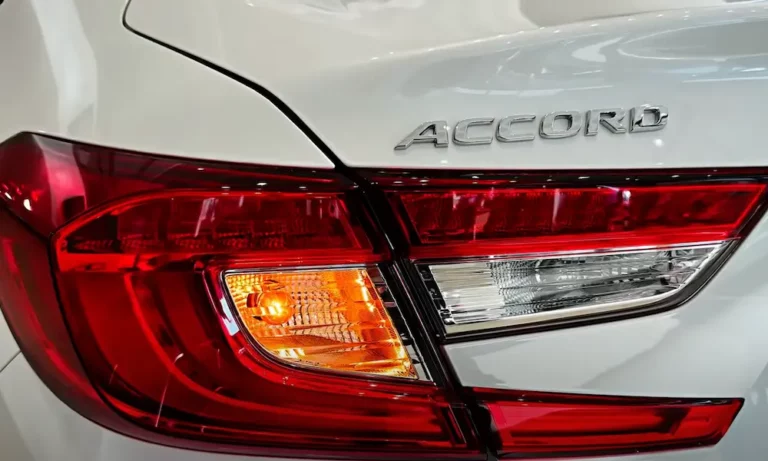
Ever pulled up to the pump and wondered if you’re using the right fuel for your Honda Accord? You’re not wasting money on premium when regular would do just fine? Let’s cut through the confusion and get straight to the facts about Honda Accord gas types, so you can keep your ride running smoothly without overpaying at the pump.
Honda Accord Recommended Fuel Type
Most Honda Accord models are designed to run on regular unleaded gasoline with an octane rating of 87. This includes both conventional and hybrid models. The good news? You don’t need to spend extra on premium fuel for your daily commute.
Even the turbocharged models (both the 1.5L and 2.0L engines) officially use regular unleaded, despite what you might assume about turbocharged engines needing premium gas. According to Honda’s official fuel recommendations, 87 octane is sufficient for normal driving conditions.
Here’s a quick breakdown by engine type:
| Engine Type | Recommended Octane | Premium Required? |
|---|---|---|
| 1.5L Turbo | 87 (Regular) | No |
| 2.0L Turbo | 87 (Regular) | No |
| Hybrid 2.0L | 87 (Regular) | No |
Is Premium Gas Better for Turbocharged Accords?
There’s been some debate about whether turbocharged Accords perform better with premium fuel. Recent updates to Honda’s resources for 2023-2025 Accord Turbos list 91 octane as “recommended” but not required.
Here’s what you need to know:
- Using premium (91+ octane) in the 1.5T or 2.0T engines may provide a slight power increase (about 3-5%)
- Tests show premium fuel can reduce engine knock events by up to 30%
- The cost difference rarely justifies the minor performance gain for everyday driving
As Reddit discussions show, some enthusiasts opt for premium, but there’s no need to fear engine damage if you stick with regular 87 octane for normal conditions.
Regular vs. Premium: Is the Cost Worth It?
Let’s talk money. Premium gas typically costs $0.60-$0.80 more per gallon than regular. For a full tank in your Accord (about 14.8 gallons), that’s an extra $9-12 every fill-up.
Real-world testing found that switching from 87 to 93 octane in the 1.5T engine yielded only a 7-horsepower increase with no meaningful improvement in acceleration or fuel economy. Over 15,000 miles of annual driving, the minimal 1% MPG improvement would save roughly 5 gallons – nowhere near enough to offset the premium price.
For Accord Hybrid owners, the choice is even clearer. Controlled tests show identical MPG figures between 87 and 91 octane, making premium fuel a complete waste of money.
When Higher Octane Might Make Sense
While regular gas works fine for most driving, there are scenarios where premium fuel might be beneficial:
- When towing heavy loads
- During extended high-speed driving
- In extremely hot weather conditions
- When driving at high altitudes
- If you notice engine knocking with regular gas
These conditions put more stress on your engine, and the higher octane can help prevent pre-ignition or knock.
Ethanol Content and Alternative Fuels
The Accord isn’t built for just any fuel. Here are some important limits:
- E10 (10% ethanol) is acceptable for all Accord models
- E85 (85% ethanol) should NEVER be used in any Accord
- Honda specifically warns against using E85, as the engines aren’t certified for alternative fuels
- Using high-ethanol blends risks damaging your fuel system and voiding your warranty
If you want to use ethanol-free gas (sometimes called “pure gas”), that’s perfectly fine for your Accord and might even be preferable for storage.
Fuel Quality Matters: Consider Top-Tier Gas
Not all gas is created equal. Honda recommends using Top-Tier gasoline, which contains enhanced detergent additives that prevent carbon buildup on fuel injectors and intake valves.
Brands meeting Top-Tier standards include:
- Shell V-Power
- Chevron with Techron
- BP Ultimate
- And many others (look for the Top-Tier logo at the pump)
While not mandatory, these premium brands can improve long-term engine cleanliness, especially in direct-injection engines prone to deposit accumulation, as Honda of Escondido explains.
Special Considerations for 1.5T Engines
If you drive a Honda Accord with the 1.5L turbocharged engine, you should be aware of two potential issues:
Oil Dilution Concerns
A documented issue with the 1.5T engine involves fuel dilution in engine oil, particularly in cold climates with frequent short trips. Lower-octane fuel can worsen this problem by increasing knock-induced fuel enrichment.
Some mechanics suggest using 91 octane in cold weather to reduce dilution rates. Honda has implemented software updates to address this issue by raising idle RPMs and improving oil warming.
Head Gasket Concerns
The 1.5T has experienced head gasket failures in some 2018-2022 models, linked to thermal stress from aggressive turbocharging. While Honda attributes these to manufacturing defects covered under warranty, some engineers suggest that consistent use of 91 octane could reduce cylinder pressure spikes and extend gasket life.
Fuel Storage and Seasonal Considerations
If you’re storing your Accord for an extended period:
- Add a fuel stabilizer like STA-BIL if the car will sit for more than three months
- Gasoline with ethanol (E10) has a shorter shelf life than ethanol-free gas
- For storage longer than 30 days, fill the tank completely to prevent condensation
During winter months, you might notice slightly lower fuel economy – this is normal and not related to the octane rating of your fuel.
The Bottom Line on Honda Accord Fuel
To sum it all up:
- Regular unleaded (87 octane) is the recommended fuel for all Honda Accord models
- Premium fuel (91+ octane) is optional and provides minimal benefits for daily driving
- Top-Tier gasoline offers better engine protection regardless of octane rating
- Avoid E85 and stick to E10 or lower ethanol content
By following these guidelines, you’ll keep your Honda Accord running efficiently while saving money at the pump. The few cents more for Top-Tier gas brands will pay off more in the long run than stretching your budget for premium octane you don’t really need.
Remember: your Accord was engineered to run beautifully on regular gas. Unless you’re pushing the performance envelope or facing unusual driving conditions, there’s no need to spend extra on premium fuel.