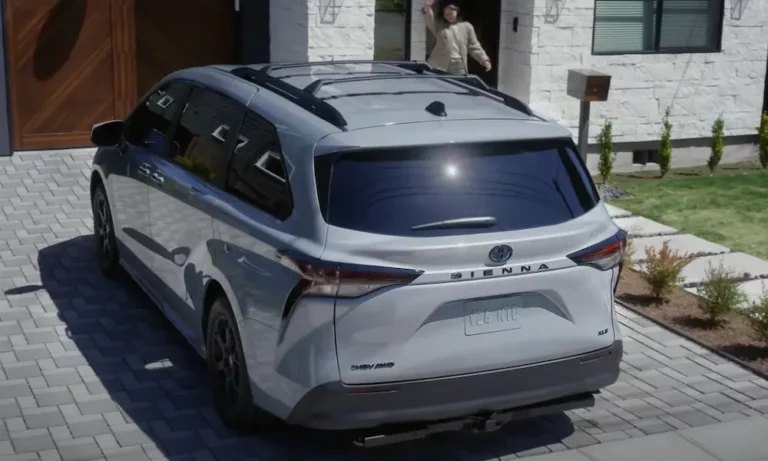
Is your Toyota Sienna’s AC blowing warm air on hot days? Nothing ruins a family road trip faster than a malfunctioning air conditioner. The good news is that recharging your Sienna’s AC system might solve your problem without breaking the bank. This guide walks you through everything you need to know about Toyota Sienna air conditioning recharge, whether you’re planning to DIY or seeking professional help.
What’s Causing Your Sienna’s AC Problems?
Your Sienna’s air conditioning relies on refrigerant (the cooling agent) to function properly. Over time, small amounts of refrigerant can leak from seals and connections, causing your AC performance to gradually decline.
It’s normal for AC systems to lose about 15% of refrigerant over 5 years. When levels drop too low, your once-frosty AC starts blowing lukewarm air instead.
Signs Your Toyota Sienna AC Needs Recharging
Before grabbing refrigerant cans, make sure recharging is actually what you need. Here are the telltale signs:
- Weak or warm airflow from your vents when AC is set to max cool
- Cold air only at highway speeds or when accelerating (when compressor works harder)
- AC working intermittently (may signal refrigerant at borderline levels)
- Compressor clutch not engaging consistently
- Foggy windows that won’t clear properly using defrost
If you notice these symptoms getting worse gradually over months (not suddenly), a recharge might be the simple fix you need.
Understanding Your Sienna’s AC System Basics
Before attempting any DIY recharge, you need to know what refrigerant your specific model uses:
- 2004-2020 Toyota Sienna models use R134a refrigerant
- 2021+ Sienna models use the newer R1234yf refrigerant
These refrigerants are NOT interchangeable, and using the wrong type can cause serious system damage and void warranties.
To find your exact refrigerant capacity, check the AC specification sticker under your hood. Most Siennas require between 0.75-0.81 kg (1.65-1.78 lbs) of refrigerant, though models with rear AC need more.
DIY Toyota Sienna Air Conditioning Recharge
What You’ll Need
- R134a refrigerant with gauge (for 2004-2020 models)
- Safety glasses and gloves
- Basic hand tools
- Clean work area with good ventilation
- About 30 minutes of time
Step-by-Step Recharge Process
1. Preparation
- Park on level ground and set parking brake
- Start engine and let it reach normal operating temperature
- Turn AC to maximum cold setting with highest fan speed
- Open doors to prevent system cycling during recharge
2. Find the Low-Pressure Port
- Locate the low-pressure service port on the larger diameter AC line
- On most Siennas, it’s on the driver’s side (left) of the engine compartment
- The port has a blue or black cap (sometimes marked with “L”)
- The high-pressure port (NOT used for recharging) has a red cap
3. Connect and Test Initial Pressure
- Remove the low-pressure port cap
- Attach your refrigerant gauge/hose assembly
- Check the initial pressure reading
- Proper pressure with AC running should be 35-40 PSI
- Much lower readings confirm refrigerant is low
4. Add Refrigerant Carefully
- Shake the refrigerant can well before connecting
- Attach can to gauge assembly according to product instructions
- Hold can upright (valve at top) to add gas only (not liquid)
- Add in short bursts of 5-10 seconds, then wait to check pressure
- Stop immediately if pressure reaches normal range (35-40 PSI)
5. Test and Finish
- Vents should now blow cold air (35-45°F)
- Disconnect the gauge from service port
- Replace the port cap securely
- Turn off engine and check for any obvious leaks
Avoiding Common DIY Mistakes
- Never overcharge the system (can damage compressor)
- Don’t add refrigerant if compressor isn’t engaging at all
- Never use stop-leak products (can clog vital components)
- Don’t recharge if system is completely empty (indicates major leak)
When Professional Service Makes More Sense
While DIY recharge can work for minor refrigerant loss, these situations call for professional help:
- AC still blows warm after recharging
- System needs frequent recharges (indicates leak)
- Strange noises from AC compressor
- 2021+ models using R1234yf (requires special equipment)
- System completely empty of refrigerant
- After any major AC component replacement
Professional Toyota Sienna AC Service Costs
Professional AC service for your Sienna typically costs:
| Model Years | Typical Cost Range |
|---|---|
| 2004-2020 | $255-$350 |
| 2021+ | $375-$455 |
| AC Diagnosis | $122-$179 |
These costs include proper system evacuation, leak testing, and precise refrigerant charging with any necessary oils.
Refrigerant Capacity by Sienna Generation
Finding the correct amount of refrigerant is crucial for proper operation:
| Sienna Generation | Model Years | Typical Capacity |
|---|---|---|
| 2nd Generation | 2004-2010 | ~1.9 lbs (0.86 kg) |
| 3rd Generation | 2011-2020 | 0.75-0.81 kg |
| 4th Generation | 2021+ | Model-specific (R1234yf) |
| Models with rear AC | All years | 15-20% more capacity |
Always verify your specific model’s capacity from the underhood specification sticker rather than relying on general guidelines.
Safety and Environmental Considerations
When working with AC refrigerants:
- Always wear safety glasses and gloves
- Work in well-ventilated areas
- Never mix refrigerant types
- Refrigerant is harmful to the ozone layer if released
- Professional recovery equipment is required for proper evacuation
- Improper handling can cause frostbite or respiratory issues
Maintaining Your Sienna’s AC Between Services
Once your AC is properly charged, these practices will extend its performance:
- Run your AC at least 10 minutes weekly, even in winter
- Use the “recirculate” setting for faster cooling on hot days
- Keep the condenser (front of radiator) clean and clear
- Replace cabin air filters according to maintenance schedule
- Address any AC issues promptly before they worsen
Is Your AC Problem Beyond Just Refrigerant?
If recharging doesn’t solve your cooling issues, your Sienna might have other AC problems:
- Faulty compressor clutch
- Failed cooling fans
- Clogged expansion valve
- Blown fuse or electrical issue
- Internal compressor damage
- Major refrigerant leak
In these cases, the advice of a certified technician is well worth the diagnostic fee to avoid costly trial-and-error repairs.
Common Toyota Sienna AC Problems by Generation
Different Sienna generations tend to develop specific AC issues:
2004-2010 (2nd Generation)
- AC amplifier failures common
- Expansion valve clogs
- Center vent actuator problems
2011-2020 (3rd Generation)
- Compressor clutch wear
- Blend door actuator failures
- Evaporator temperature sensor faults
2021+ (4th Generation)
- Still collecting data on the newest generation
- Uses newer R1234yf refrigerant requiring specialized equipment
The Bottom Line on Sienna AC Recharge
A Toyota Sienna air conditioning recharge can be a straightforward DIY fix for minor refrigerant loss in older models. The key is determining whether low refrigerant is truly your problem, using the correct type and amount, and knowing when to call in professionals.
By understanding when recharging is appropriate and following proper procedures, you can save money while keeping your Sienna’s cabin comfortable year-round. Remember that frequent recharging indicates a leak that should be located and repaired rather than continually “topped off” with refrigerant.