Is your BMW’s temperature gauge creeping into the red? Noticing puddles under your car or a sweet smell coming from the engine bay? You might be facing a coolant leak – one of the most common yet potentially serious issues for BMW owners. This guide will walk you through everything you need to know about identifying, diagnosing, and fixing BMW coolant leaks before they lead to expensive engine repairs.
Signs Your BMW Has a Coolant Leak
BMW coolant leaks don’t always announce themselves with obvious puddles. Here’s what to watch for:
Dashboard Warning Signs
Your BMW will often try to tell you something’s wrong before major damage occurs. Pay attention to:
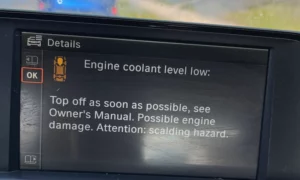
- Low coolant warning light illuminating on your dashboard
- Engine temperature gauge climbing higher than normal or reaching the red zone
- Reduced heating performance inside the cabin during cold weather
Physical Evidence
Take a quick look around your car for these telltale signs:
- Sweet-smelling fluid puddles under your vehicle (BMW coolant is typically blue, green, or yellow)
- White steam coming from under the hood
- Sweet, maple syrup-like odor in the engine bay (this is the ethylene glycol in the coolant)
- White smoke from the exhaust, which could indicate coolant entering the combustion chamber
Performance Issues
Your BMW might also show these symptoms:
- Engine overheating during normal driving
- Rough idling or performance drops as the engine gets hotter
- Need to frequently refill the coolant reservoir
Common Sources of BMW Coolant Leaks
BMWs have several notorious weak points in their cooling systems. Here’s where to look first:
Expansion Tank and Cap
The plastic expansion tank is one of the most common failure points, especially in:
- Older 3-Series models (E46, E90)
- X3 and X5 SUVs
- G01 X3 models have reported particular issues with expansion tank integrity
The tank develops small cracks after years of heat cycles, while the pressure cap can fail to maintain proper system pressure.
Radiator and Hoses
Your BMW’s radiator components face constant heat stress:
- Radiator end tanks (often plastic) crack or separate from the aluminum core
- Flexible coolant hoses become brittle and develop leaks at connection points
- Quick-connect fittings and their O-rings deteriorate, especially where plastic connectors are used
Water Pump
BMW water pumps run constantly and are prone to failure:
- Electric water pumps in newer models can fail electronically or develop physical leaks
- Watch for seepage around the “weep hole” (a small drainage hole designed to show when the seal is failing)
- Impeller wear can reduce cooling efficiency even without visible leaks
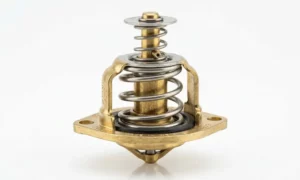
Thermostat Housing
This component regulates coolant flow and operates in extreme temperature variations:
- Plastic housings can crack after repeated heating/cooling cycles
- Gaskets between the housing and engine block deteriorate
- Failure is particularly common in 3-Series and 5-Series models
Cylinder Head-to-Tank Hard Pipe
F30 3-Series owners should check this specific component:
- The preformed hard pipe with O-rings connecting the cylinder head to the expansion tank frequently leaks
- O-rings harden and lose their sealing ability over time
Head Gasket and Internal Leaks
More serious but less common are internal leaks:
- Failed head gasket allowing coolant into combustion chambers or oil
- Cracked cylinder head or engine block (rare but catastrophic)
- Signs include: white exhaust smoke, mayonnaise-like substance under oil cap, or bubbling in the coolant reservoir
DIY Diagnosis: Finding the Source of a Coolant Leak
Before heading to the shop, try these methods to pinpoint your leak:
Visual Inspection
Start with the basics:
- Park on clean, light-colored pavement overnight
- Check for puddles or stains the next morning
- With the engine cool, inspect the entire cooling system:
- Follow all visible hoses
- Check connections and clamps
- Look for residue, staining, or corrosion (white/green crusty deposits)
- Pay special attention to the bottom of the radiator and expansion tank
Pressure Testing
This professional technique can be done at home with the right tools:
- Purchase or rent a cooling system pressure tester (available at most auto parts stores)
- With the engine cool, remove the cap from the expansion tank
- Attach the pressure tester to the filler neck
- Pump it to the specified pressure (typically 1.1-1.4 bar, check your cap rating)
- Watch the gauge for 10-15 minutes
- If pressure drops, inspect for where coolant is escaping
- No visible leak but dropping pressure may indicate an internal leak
UV Dye Method
For those elusive, hard-to-spot leaks:
- Add UV-reactive dye to your cooling system (available at auto parts stores)
- Run the engine until it reaches operating temperature
- Turn off the engine and use a UV flashlight to inspect the system
- The dye will glow brightly at leak points
- Particularly effective for pinpointing hairline cracks in plastic components
BMW Coolant Leak Repair Costs
Repair costs vary significantly depending on the leak source and whether you DIY or use a professional shop:
| Component | DIY Cost | Independent Shop | Dealership |
|---|---|---|---|
| Hose Replacement | $30-100 | $100-200 | $150-300 |
| Expansion Tank | $100-200 | $250-500 | $400-700 |
| Water Pump | $150-300 | $400-600 | $600-900 |
| Radiator | $150-400 | $500-800 | $800-1,200 |
| Thermostat Housing | $50-150 | $200-350 | $300-500 |
| Head Gasket | $200-500 | $1,500-2,000 | $2,000-3,500 |
Cost-Saving Tips
- Independent BMW specialists typically charge 30-50% less than dealers
- Labor rates vary dramatically: dealerships ($150-250/hour) vs. independent shops ($75-150/hour)
- Some repairs (like hoses and the expansion tank) are relatively straightforward DIY projects
- Purchasing OEM parts online rather than from the dealer can save 20-40%
Professional Repair or DIY?
When to DIY
Consider tackling these repairs yourself if you have basic mechanical skills:
- Coolant hose replacements
- Expansion tank replacement
- Thermostat housing on some models
- Clamps and simple O-ring connections
What you’ll need:
- BMW-specific coolant (use only what’s specified for your model)
- Basic hand tools and torque wrench
- Model-specific repair information (readily available online)
- Jack stands or ramps for undercar access
- Coolant catch pan and disposal plan (coolant is toxic and can’t be poured down drains)
When to Call a Professional
Some repairs are better left to experienced mechanics:
- Water pump replacement (especially electric pumps on newer models)
- Radiator replacement (requires draining and refilling the system properly)
- Anything involving the engine internals (head gasket, cracked block)
- If you can’t conclusively identify the leak source
- If the car has overheated significantly (potential for hidden damage)
Preventing Future BMW Coolant Leaks
An ounce of prevention is worth gallons of coolant:
Maintenance Best Practices
- Follow BMW’s recommended coolant change intervals (typically every 2-3 years)
- Use only BMW-approved coolant (the wrong coolant can accelerate corrosion)
- Inspect cooling system components during every oil change
- Replace the expansion tank preventively every 60,000-80,000 miles
- Consider upgrading plastic components to more durable alternatives where available
Cooling System Upgrades
Some aftermarket options provide increased reliability:
- Aluminum thermostat housing replacements for plastic OEM parts
- Silicone hose kits with improved temperature resistance
- Higher-quality clamps than factory versions
- Upgraded water pumps with metal impellers instead of plastic
Monitoring Tips
Stay ahead of problems with these habits:
- Regularly check coolant level when the engine is cold
- Keep an eye on temperature gauge during normal driving
- Inspect the parking area occasionally for signs of leaks
- Address small leaks immediately before they lead to overheating
- Consider a coolant pressure test as part of annual maintenance
The Impact of Ignoring a BMW Coolant Leak
Tempted to just top off the coolant and keep driving? Consider the potential consequences:
Short-Term Risks
- Reduced cooling efficiency
- Poor heating performance in cold weather
- Increased emissions from rich fuel mixture (computer compensation for overheating)
- Failed emissions tests in states with testing requirements
Medium-Term Consequences
- Sudden overheating while driving
- Being stranded when coolant level becomes critically low
- Expansion of small leaks into major ones
- Engine running hot can trigger check engine light and limp mode
Long-Term Damage
- Warped cylinder heads from overheating
- Blown head gasket requiring extensive repair
- Cracked engine block (catastrophic failure)
- Damage to catalytic converters from rich running
- Total engine failure requiring replacement ($5,000-15,000)
BMW Models Most Prone to Coolant Leaks
While all BMWs can develop coolant leaks, some models have known issues:
3-Series Trouble Spots
- E46 (1999-2006): Expansion tank and radiator neck failures
- E90/E92 (2006-2013): Water pump and thermostat housing issues
- F30 (2012-2019): Cylinder head to expansion tank pipe leaks
X-Series Common Problems
- E83 X3 (2004-2010): Radiator and expansion tank failures
- G01 X3 (2018+): Reports of premature expansion tank issues
- E70 X5: Water pump failures and hose connection leaks
Performance Models Considerations
- M3/M4: Higher operating temperatures accelerate component aging
- 335i/135i with N54/N55 engines: Additional heat from turbochargers stresses cooling systems
- M Performance models benefit significantly from preventive cooling system upgrades
BMW cooling systems are engineering marvels when working properly, but their complex design and plastic components make them vulnerable to leaks as they age. By understanding the warning signs, common failure points, and repair options, you can protect your BMW from serious engine damage and keep it running smoothly for years to come. Remember that addressing coolant leaks promptly is always cheaper than repairing an overheated engine.