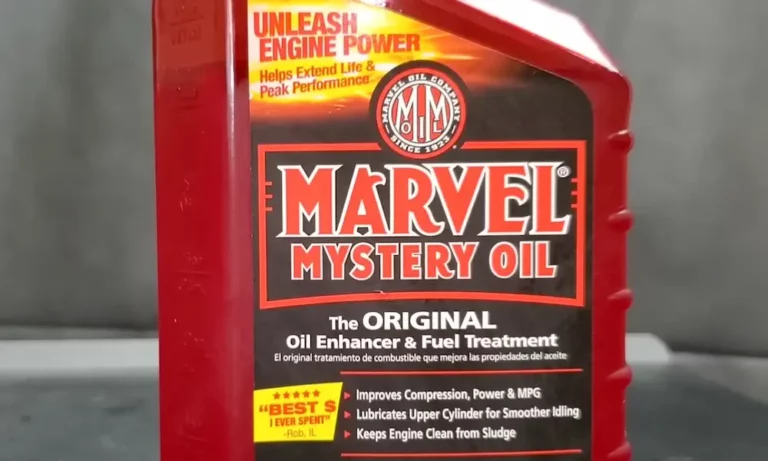
You’ve heard the buzz about Marvel Mystery Oil. Maybe your neighbor swears it saved his truck, or you’ve seen mechanics dump it into everything from lawnmowers to diesels. But does Marvel Mystery Oil work, or is it just snake oil in a vintage bottle?
Here’s what you need to know: This stuff isn’t magic, but it’s not worthless either. The science reveals when it genuinely helps and when it’s a complete waste of money—or worse, a threat to your engine.
What’s Actually Inside Marvel Mystery Oil?
Understanding whether Marvel Mystery Oil works starts with knowing what you’re pouring into your engine. The formulation hasn’t changed much since 1923, and that’s both good and bad.
The Chemical Breakdown
The formula contains four key ingredients:
Naphthenic Petroleum Distillates (60-100%): This base oil is different from what’s in your standard motor oil. It’s great at dissolving gunk and flows well in freezing temps, but it thins out dramatically when hot—potentially dropping your 5W-30 down to a 5W-20.
Mineral Spirits (10-30%): Think paint thinner. This solvent attacks varnish and sticky deposits. It’s aggressive enough to free stuck valve lifters, but it evaporates quickly in a hot engine.
Tricresyl Phosphate (0.1-1%): This anti-wear agent creates a protective film under extreme pressure. It’s the reason MMO lubricates better than pure solvents, but it’s also bad news for your catalytic converter.
Dichlorobenzenes (0.1-1%): Chlorinated compounds that soften hard carbon deposits. They’re effective but classified as volatile organic compounds with health risks.
How Marvel Mystery Oil Actually Works
Does Marvel Mystery Oil work through magic? No. It works through basic chemistry—when used correctly.
Upper Cylinder Lubrication (Fuel Additive)
When you add MMO to your gas tank, it travels through your fuel system and into the combustion chamber. Here’s what happens:
The oil mist coats your cylinder walls and piston rings. In worn engines with loose rings, this creates a temporary seal that reduces blow-by and can actually improve compression. Independent testing showed a 5-decibel drop in engine noise—that’s significant.
But here’s the catch: If you’ve got a modern gasoline direct injection (GDI) engine, forget it. GDI injectors spray fuel directly into the cylinder, never touching the intake valves where carbon builds up. MMO in your fuel tank won’t clean what it can’t reach.
Crankcase Application (Oil Additive)
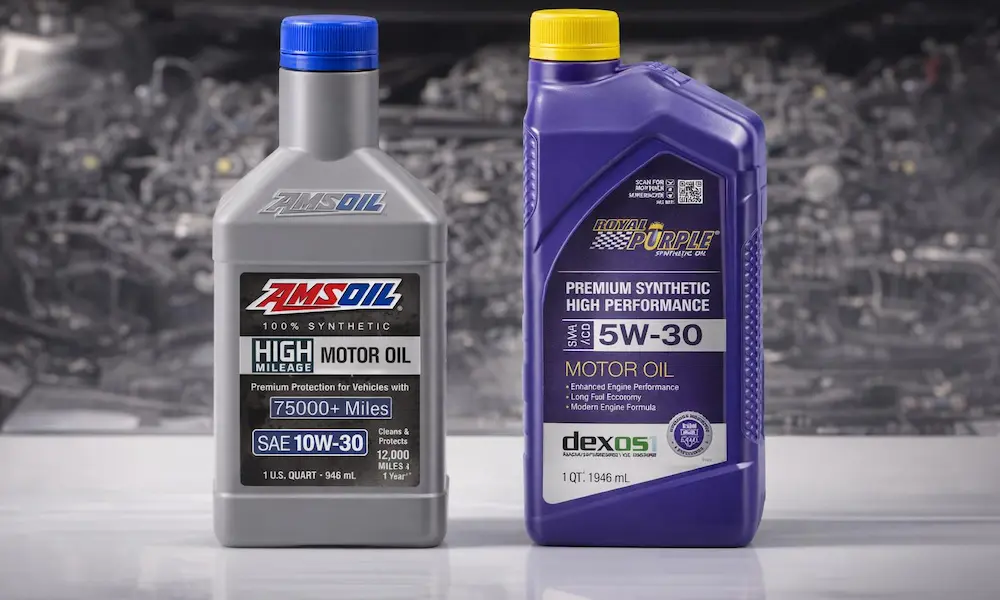
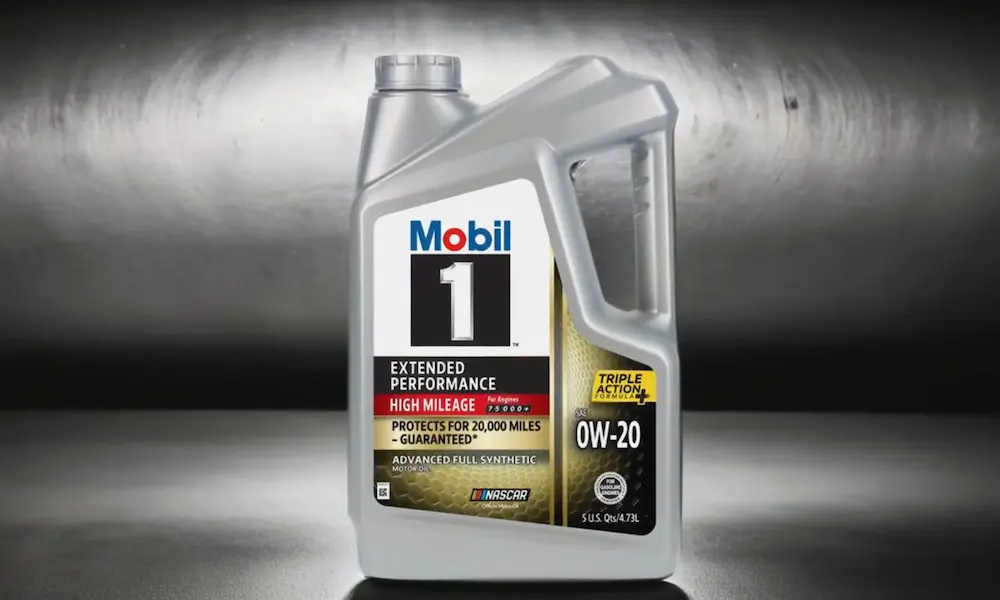
Adding MMO to your oil is where things get risky. The product’s low viscosity (around 3 centistokes at operating temp) dilutes your motor oil. Add 20% MMO to a 5-quart system, and you’ve effectively downgraded your oil protection.
The math doesn’t lie. Your engine relies on specific oil thickness to keep metal parts separated. Thin that oil too much, and you’re inviting metal-on-metal contact—especially in high-load conditions or turbocharged engines.
When Marvel Mystery Oil Actually Helps
So does Marvel Mystery Oil work for anything? Absolutely—in specific scenarios.
The Piston Soak: MMO’s Best Use Case
This is where MMO genuinely shines. Got an engine burning oil because carbon-locked rings won’t expand? The piston soak method is proven.
Remove your spark plugs, pour 1-2 ounces of MMO directly into each cylinder, and let it sit for 24-48 hours. The solvents penetrate and soften the carbon deposits that trap your piston rings. Mechanics use this as a last resort before teardown, and it often works.
Quieting Noisy Valve Lifters
Hydraulic valve lifters can stick when varnish clogs their precision oil passages. MMO’s mineral spirits dissolve this varnish, restoring proper lifter function and reducing that annoying ticking sound.
But use it as a short-term fix—add it 500 miles before an oil change, not for your entire oil interval.
When Marvel Mystery Oil Fails Spectacularly
Does Marvel Mystery Oil work in every situation? Definitely not. Here’s where it causes real problems.
The Diesel Fuel Disaster
Think MMO will protect your modern diesel’s high-pressure fuel pump? Think again. Testing using the industry-standard HFRR lubricity test revealed that MMO actually increased the wear scar diameter by 42 microns compared to untreated ultra-low sulfur diesel.
That’s worse than running straight fuel. The solvent fraction cuts through the fuel’s natural lubricity faster than the oil components can compensate. Your injection pump doesn’t care about MMO’s 100-year reputation—it cares about chemistry.
Aviation Engines: Explicitly Prohibited
Lycoming, a premier aircraft engine manufacturer, explicitly warns against MMO. Their Service Instruction No. 1014M states that additives like MMO “may cause damage” and will void your warranty.
Air-cooled engines run hotter and have tighter tolerances than automotive engines. The volatile solvents in MMO can’t handle the thermal stress, increasing the risk of breakdown and failure at precisely the worst moment—when you’re airborne.
Catalytic Converter Poisoning
Modern emissions systems and MMO don’t mix. That tricresyl phosphate we mentioned earlier? When burned, it creates phosphorus pentoxide that coats the precious metals in your catalytic converter with a glassy, non-volatile layer.
This glazing permanently reduces converter efficiency. Current motor oil standards strictly limit phosphorus to protect these $1,000+ components. Adding MMO to your fuel introduces phosphorus at levels far exceeding normal oil consumption.
One contaminated converter later, and you’ve spent more fixing the problem than you’d spend on proper maintenance for years.
Marvel Mystery Oil vs. Modern Alternatives
Does Marvel Mystery Oil work better than newer products? Not really.
| Product | Cost per oz | Cleaning Power | Lubrication | Catalyst Safe? |
|---|---|---|---|---|
| Marvel Mystery Oil | $0.11 | Moderate | Yes (TCP) | No |
| Seafoam | $0.44-$0.63 | High | No | Questionable |
| BG 44K | $0.78 | Very High | No | Yes |
| Berryman B-12 | $0.31 | High | No | Questionable |
Comparative testing shows that while Seafoam cleans more aggressively, MMO offers the best value per ounce and provides lubrication that pure solvents lack. But neither is designed for the precision fuel systems and emissions controls in modern vehicles.
The Oil Dilution Problem: Real Numbers
Let’s talk viscosity. Does Marvel Mystery Oil work without thinning your engine oil? No—and here’s the proof.
Starting with 4 quarts of 5W-30 synthetic (11 centistokes at 100°C) and adding 1 quart of MMO (3 centistokes), basic viscosity blending equations show your mixture drops to roughly 8.2 centistokes. That’s SAE 20 territory.
If you started with 5W-20 (the thinner oil many modern engines require), adding MMO pushes you down to SAE 16—dangerously thin for bearing protection under load.
Your engine doesn’t care about marketing claims. It needs a specific oil film thickness to prevent wear. Drop below that threshold, and you’re gambling with expensive internals.
Modern Engine Compatibility Issues
Does Marvel Mystery Oil work with 21st-century engine technology? Only in limited situations.
Turbocharger Risk
Turbos spin at 150,000+ RPM and rely on engine oil for lubrication and cooling. The cartridge gets hot enough to glow red. MMO’s mineral spirits lower the oil’s flash point, increasing the risk of coking (carbonization) that can block oil passages and destroy your turbo.
GDI Carbon Buildup
GDI engines suffer from intake valve carbon deposits because fuel never washes over them. MMO added to the fuel tank can’t solve this problem—the fuel literally never touches the affected parts.
You need direct intake cleaning methods like walnut blasting, not additives that worked in 1950s port-injected engines.
Sensor Contamination
The chlorinated compounds in MMO produce combustion byproducts that can contaminate oxygen sensors and NOx sensors. A fouled sensor throws check engine lights and causes the computer to run incorrect fuel maps.
Best Practices: When and How to Use MMO
So does Marvel Mystery Oil work safely? Yes—if you follow strict protocols.
DO use MMO for:
- Piston ring soaks: Remove plugs, add directly to cylinders, wait 24-48 hours
- Short-term lifter noise treatment: Add to oil 500 miles before a change
- Carburetor preservation: In vintage or seasonal equipment during storage
DON’T use MMO for:
- Continuous oil additive: It dilutes protection in modern thin oils
- Diesel fuel lubricity: It makes wear worse
- GDI intake cleaning: It can’t reach the problem areas
- Aircraft engines: Explicitly prohibited by manufacturers
- Turbo engines: Risk of coking and seal damage
The Verdict: Repair Tool, Not Maintenance Product
Does Marvel Mystery Oil work? Yes and no.
It’s a legitimate solvent for specific repair scenarios—freeing stuck rings, dissolving lifter varnish, and removing soft carbon deposits in older engines. The chemistry is real, and the solvency is proven.
But it’s a product from 1923 trying to solve 2025 problems. Modern engines use synthetic oils, run tighter tolerances, and depend on catalytic converters that MMO’s phosphorus content can permanently damage. The viscosity dilution creates real wear risks in engines designed around specific oil weights.
Think of MMO as a mechanic’s tool for corrective maintenance, not preventative care. It’s a chemical wrench for fixing what’s already broken—sticky rings, noisy lifters, carbon-clogged valves in old engines. But it has no place in the routine maintenance of healthy, modern vehicles running quality synthetic oil and top-tier fuel.
The mystery isn’t whether it works. The mystery is why people keep using it where it doesn’t belong. Save it for the garage shelf, pull it out when you’ve got a specific problem to solve, and leave it there the rest of the time. Your catalytic converter will thank you.