Your Dometic refrigerator suddenly stops cooling and you’re watching ice cream melt while wondering what went wrong. Don’t panic! Most Dometic fridge cooling issues have simple solutions you can tackle yourself before your food spoils completely. This guide walks you through the most common problems and their fixes — from easy adjustments anyone can make to signs you might need professional help.
Why Dometic Refrigerators Stop Cooling
Dometic makes two primary types of RV refrigerators, each with different cooling mechanisms:
- Absorption refrigerators operate silently using heat to circulate ammonia, water, and hydrogen through cooling coils. They can run on AC electricity, DC power, or propane gas.
- Compressor refrigerators work like home refrigerators, using an electric motor to compress refrigerant, providing excellent cooling even in extreme temperatures.
Understanding which type you have helps troubleshoot properly, but many issues affect both types similarly.
The Thermistor Problem: Most Common Cooling Culprit
A mispositioned thermistor is frequently behind cooling failures in Dometic refrigerators. This small temperature sensor tells your refrigerator when to cycle the cooling system on and off.
How to check and fix:
- Open your refrigerator and locate the thermistor clip attached to the cooling fins inside
- Verify the thermistor sits at the top of the clip (not slipped down)
- Make sure the clip itself is positioned on the upper half of the cooling fins
- If either has slipped (common after travel due to vibration), reposition them properly
If your fridge starts cooling after repositioning the thermistor, you’ve solved the problem! If not, you might need to test if the thermistor itself is working correctly by comparing its reading with a separate thermometer.
Door Seal Issues: The Silent Cooling Killer
When door seals fail, warm air constantly enters your refrigerator, forcing it to work harder and possibly preventing it from reaching proper temperatures.
How to check and fix:
- Visually inspect the seal (gasket) for visible cracks, tears, or gaps
- Try the dollar bill test: place a dollar bill between the door and frame, close the door, and try pulling it out
- If it pulls out easily, your seal isn’t creating proper suction
- Clean the seal thoroughly with mild soap and water to remove built-up debris
- For damaged seals, replacement gaskets may be necessary
A properly functioning door seal dramatically improves cooling efficiency with minimal effort.
Ventilation Problems: Let Your Fridge Breathe
Your Dometic refrigerator needs proper airflow to function correctly. Blocked vents cause the unit to overheat and lose cooling efficiency.
Common ventilation issues:
| Problem | Solution |
|---|---|
| Debris-filled external vents | Vacuum or clean out upper and lower vents |
| Spider webs in vents | Remove completely with brush |
| Damaged vent covers | Replace to maintain proper airflow |
| Insufficient clearance | Ensure several inches of space around all vents |
Proper ventilation is crucial for absorption refrigerators especially, which generate significant heat during operation.
Power and Electrical Issues
Before diving into complex solutions, verify your refrigerator is receiving proper power:
- Check that the unit is plugged in correctly
- Verify the interior light works when you open the door
- Make sure your RV has adequate power (low voltage from batteries can prevent proper cooling)
- Inspect for tripped circuit breakers or blown fuses
Some Dometic models have circuit boards that control cooling functions. Look for obvious signs of damage like burned components or loose connections if you suspect electrical problems.
Leveling Requirements: Critical for Absorption Models
If you have a Dometic absorption refrigerator, proper leveling is essential for cooling. The cooling system relies on gravity flow, and operating off-level can cause cooling failure and permanent damage.
Leveling specifications:
- Maximum 6 degrees front-to-back deviation
- Maximum 3 degrees side-to-side deviation
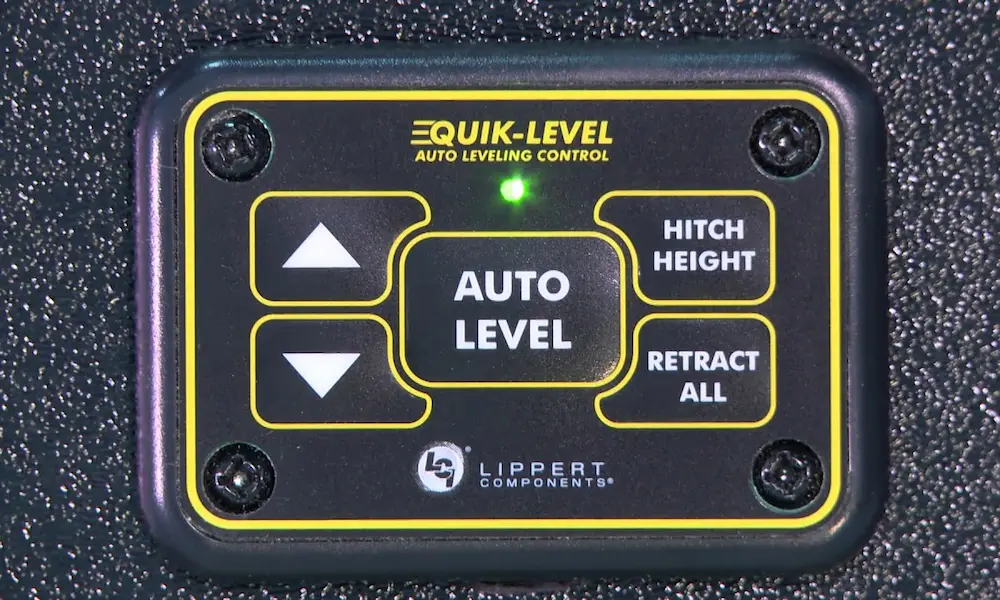
Always use a bubble level when parking your RV to ensure your refrigerator can function properly. Modern RVs often have built-in leveling indicators to help with this.
Reset Procedures That Often Work
Sometimes the simplest fix is resetting your Dometic refrigerator. Try this before moving to more complex troubleshooting:
- Disconnect all power sources (AC, DC, and gas)
- Wait 5-10 minutes for the system to fully reset
- Reconnect power and verify the unit turns on
- Set desired temperature and monitoring for improved cooling
Different Dometic models may have specific reset procedures using control panel buttons – check your owner’s manual for details.
Comprehensive Troubleshooting Checklist
When your Dometic fridge isn’t cooling, work through this systematic checklist:
- Basic electrical checks
- Verify power connections and sources
- Check fuses and circuit breakers
- Confirm interior light works
- Thermistor position and function
- Reposition if necessary
- Test with separate thermometer
- Door seal inspection
- Visual check for damage
- Dollar bill test for proper sealing
- Clean thoroughly
- Ventilation assessment
- Clean external vents
- Clear obstructions
- Ensure proper clearance
- Leveling verification
- Check level front-to-back and side-to-side
- Adjust RV position if necessary
- Condenser coil maintenance
- Vacuum dust and debris
- Straighten bent fins
- System reset
- Power off completely for 5-10 minutes
- Restart and monitor
When You Need a Professional
Some issues require professional attention. Contact a qualified RV technician if you notice:
- Strong ammonia smell around the refrigerator (indicates dangerous coolant leak)
- Yellow crusty residue on or inside the unit
- Compressor running hot but not cooling
- No improvement after trying all troubleshooting steps
Preventive Maintenance to Avoid Future Problems
Prevent cooling issues with these regular maintenance steps:
| Maintenance Task | Frequency |
|---|---|
| Clean condenser coils | Every 2-3 months |
| Check/clean door seals | Monthly |
| Inspect external vents | Before each trip |
| Verify thermistor position | After travel |
| Check refrigerator leveling | When parking |
Cool Running: Getting Your Dometic Back to Work
Most Dometic refrigerator cooling issues can be resolved with these systematic troubleshooting steps. Start with the simplest fixes like checking the thermistor position and door seals before moving to more complex solutions.
Taking preventive measures will help keep your Dometic refrigerator cooling properly for years to come. Regular cleaning of vents and condenser coils, along with proper leveling when parked, prevents many of the common problems that lead to cooling failures.
Remember that absorption refrigerators need several hours to reach proper cooling temperatures after being off, so be patient when monitoring improvements after making fixes.