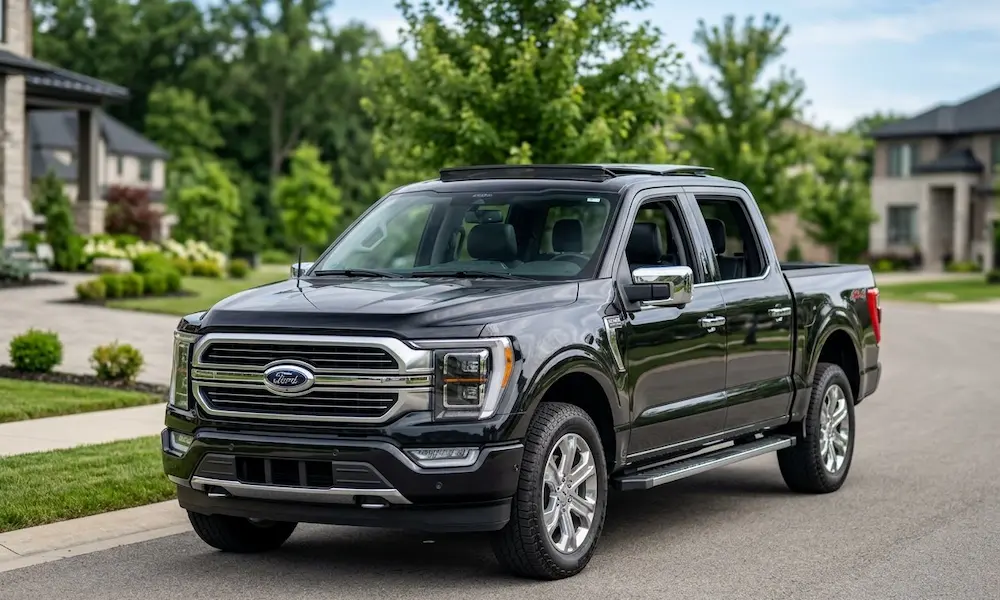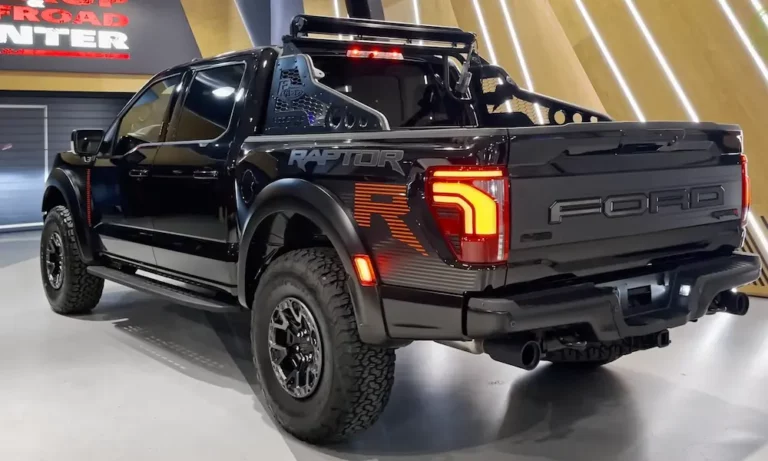
You’ve invested thousands in your Ford truck or SUV, trusting it’ll get you where you need to go safely. But if you’ve experienced harsh shifting, unexpected movements, or that dreaded wrench light on your dashboard, you’re facing a widespread issue affecting hundreds of thousands of vehicles with Ford’s 10-speed automatic transmission. These aren’t just annoying problems – they’re potentially dangerous defects that have prompted multiple recalls, lawsuits, and investigations.
Let’s dive into what’s happening with these transmissions, which vehicles are affected, and what you can do if yours is among them.
The Ford 10-Speed Transmission Problem Explained
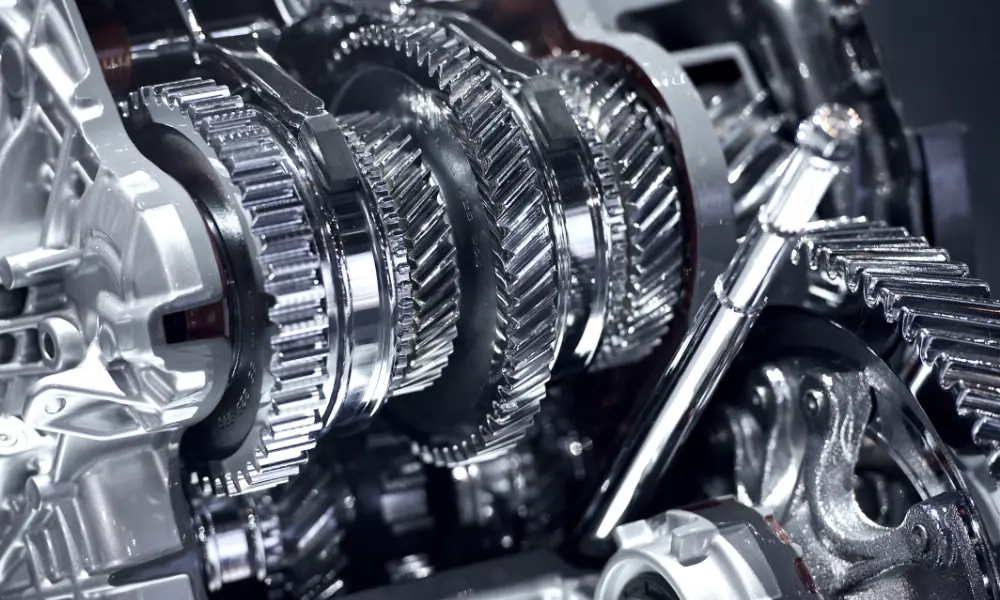
Ford’s 10-speed automatic transmission (10R80 and 10R140 models) was developed jointly with General Motors and installed in many of Ford’s most popular vehicles since 2017. Unfortunately, these transmissions have experienced widespread failures that pose serious safety risks to drivers.
The most concerning problems include:
- Unexpected gear shifts while driving
- Vehicles rolling away when in “Park”
- Complete transmission failure
- Harsh or erratic shifting
- Hesitation between gears
- Unexpected lunging or jerking
These aren’t just annoyances – they’re potentially dangerous defects that have led to multiple recalls, investigations, and lawsuits.
Major Ford Transmission Recall Campaigns
Several major recalls have been issued for the Ford 10-speed transmission. Here are the most significant ones:
2025 Recall Campaign 25S19 (NHTSA 25V164)
The most recent major recall affects 269 vehicles from the 2024-2025 model years, including:
- Ford Bronco
- Ford F-150
- Ford Ranger
- Ford Mustang
- Ford Explorer
- Lincoln Aviator
The defect involves incorrectly machined transmission main control valve bodies that can cause reverse gear failure or unexpected forward movement when the transmission is in reverse or neutral. This serious safety issue could lead to crashes or injuries if the vehicle moves unexpectedly.
2023 “Rollaway” Recall 23S06 (NHTSA 23V070000)
This critical safety recall affected 1,138 vehicles from 2022-2023 model years, including F-150, Mustang, Explorer, Bronco, and Lincoln Aviator models. The issue involves a loose bolt inside the transmission that prevents proper park gear engagement, creating a rollaway risk even when the gear selector indicates “PARK.”
2025 F-150 Software Recall 25S24 (NHTSA 25V169)
Ford recalled 567 2021 F-150 vehicles that were previously repaired incorrectly under recall 22V-188. The transmission software may falsely detect low fluid pressure and shift unexpectedly into neutral while driving, creating a dangerous loss of propulsion.
Vehicles Affected by Ford 10-Speed Transmission Recalls
The 10-speed transmission problems span across many of Ford’s most popular models:
- 2017-2025 Ford F-150 (10R80 transmission)
- 2018-2025 Ford Mustang (10R80 transmission)
- 2020-2025 Ford Expedition (10R80 transmission)
- 2019-2025 Ford Ranger (10R60 transmission)
- 2020-2025 Ford Bronco (10R60 transmission)
- 2020-2025 Ford Explorer (10R60 transmission)
- 2018-2025 Lincoln Navigator (10R80 transmission)
- 2020-2025 Lincoln Aviator (10R60 transmission)
- Super Duty F-250/F-350 (10R140 transmission)
If you own any of these vehicles, you should immediately check your VIN on the NHTSA website to see if it’s affected by any active recalls.
Technical Root Causes of Ford’s Transmission Failures
Understanding what’s going wrong can help you identify if your vehicle might be affected before it becomes a dangerous situation.
The CDF Drum Failure – Primary Culprit
The most widespread and costly failure involves the CDF (Clutch Drum F) drum assembly, which houses the C, D, and F clutches. Ford’s technical service bulletins identify a critical design flaw where the bushing inside the drum becomes susceptible to being pushed out of place.
Here’s what happens:
- A poorly designed press-fit bushing slides out of position
- This allows Teflon seals to fail, resulting in pressure loss
- Fluid leaks into areas where it shouldn’t be, causing erratic shifting
- The issue affects gear changes between 3rd, 5th, and 8th gears most severely
Ford has released updated CDF drum assemblies (part number JL3Z-7H351-B) with an anti-walk bushing design that includes a lip to prevent the sleeve from moving.
Valve Body Control Issues
The transmission’s main control valve body, responsible for hydraulic fluid control and gear changes, has experienced manufacturing defects. Recent recalls have identified diameter and circularity irregularities in valve body bores, leading to:
- Inability to engage reverse gear
- Unexpected forward movement in reverse or neutral
- Complete transmission failure
These valve body issues are at the heart of the most recent recall, showing that Ford continues to struggle with manufacturing consistency in these complex transmissions.
F Clutch and Outer Shell Problems
The 10R80’s aluminum outer shells are softer than the steel clutches they contain, leading to premature wear. Steel clutches can create divots in the aluminum shells, causing erratic shifting behavior. This has resulted in Ford implementing anodized treatments and material improvements in newer productions.
NHTSA Investigations Into Ford Transmissions
The National Highway Traffic Safety Administration (NHTSA) has launched several investigations into Ford’s transmission problems:
Major Investigation PE25-002
NHTSA opened a preliminary evaluation in March 2025 covering 1.27 million 2015-2017 Ford F-150 trucks equipped with 6-speed transmissions. The investigation stems from 138 consumer complaints alleging unexpected downshifts at highway speeds, sometimes accompanied by rear wheel lockup, according to NHTSA documents.
Pattern of Transmission Recalls
Ford has a troubling pattern of transmission-related recalls:
- 2016: 285,000 vehicles recalled for 6R80 transmission downshift issues
- 2019: 1.5 million additional F-150s recalled for the same problem
- 2024: 550,000+ F-150 trucks recalled for software glitch causing sudden downshifts
This ongoing pattern suggests that transmission engineering and quality control remain persistent challenges for Ford Motor Company, as reported by Reuters.
Legal Consequences: Class Action Lawsuits Against Ford
Multiple class-action lawsuits are pending against Ford, alleging the company knew of transmission defects but continued selling affected vehicles. The lawsuits claim Ford has:
- Refused to replace or repair defective transmissions
- Told customers that erratic shifting is “normal”
- Issued contradictory internal technical service bulletins
If you own an affected vehicle, you might be eligible to join these class action lawsuits.
Notable Legal Settlements
Some individual owners have successfully pursued legal action:
- A 2022 F-150 owner received a $165,000 settlement – more than twice the vehicle’s purchase price
- Ford has reportedly spent $47.4 million on vehicle buybacks related to transmission issues
There’s also a wrongful death lawsuit filed in January 2025 after an F-250 owner was killed when his truck allegedly shifted gears autonomously, highlighting the life-threatening potential of these defects, according to lemon law experts.
Warning Signs Your Ford Transmission Is Failing
If you’re experiencing any of these symptoms, your Ford vehicle might have a transmission problem that requires immediate attention:
- Harsh, delayed, or erratic shifting
- Vehicle jerking or lunging during gear changes
- Hesitation when shifting between drive and reverse
- Clunking or unusual noises during operation
- Wrench warning light illuminated on your dashboard
- Complete loss of power while driving
Many owners describe their vehicles as having a “wrench light” illuminated, indicating ongoing transmission control problems.
What Ford Vehicle Owners Should Do Now
If you own or lease a Ford vehicle with a 10-speed transmission, here are the critical steps you should take immediately:
Check If Your Vehicle Is Affected
Visit NHTSA’s recall lookup tool or Ford’s recall page and enter your Vehicle Identification Number (VIN) to determine if your vehicle is affected by any active recalls.
Contact Your Dealership Immediately
If your vehicle is part of any recall campaign, contact your dealership right away to schedule a repair. All recall repairs are performed free of charge to vehicle owners.
Document All Issues
Keep detailed records of:
- All transmission problems you experience
- Dates and details of repair attempts
- Communications with your dealer
- Any videos of the transmission problems (if safe to record)
This documentation will be crucial if you need to pursue a lemon law claim or join a class action lawsuit.
Know Your Warranty Rights
Recall repairs are free regardless of your warranty status. However, if you’ve paid for related repairs before the recall was announced, you might be eligible for reimbursement from Ford.
Ford’s Fixes: Are They Working?
Despite multiple recalls and technical service bulletins, many owners report that Ford’s fixes haven’t resolved the underlying problems. Common issues that persist include:
- Harsh and erratic shifting
- Unexpected lunging or jerking
- Hesitation between gears
- Complete loss of power while driving
- Clunking or banging noises
- Gear slipping or getting stuck
Ford has implemented several design improvements:
- Updated CDF drum assemblies with anti-walk bushings
- Anodized outer shell treatments for improved durability
- Modified valve body designs to address hydraulic control issues
- Software updates to improve shifting logic
But the question remains: are these fixes effective long-term solutions or just temporary patches? Many owners report continued problems even after recall repairs.
Aftermarket Solutions and Alternatives
If you’re dealing with ongoing transmission issues even after Ford’s official repairs, you might consider these alternatives:
Aftermarket Modification Kits
Companies like Sonnax have developed modification kits specifically to address the CDF drum failure issue in 10R80 transmissions. These “CDF Drum Saver Kits” are designed to prevent the bushing movement that causes the primary failure mode, as discussed in Ranger5G forums.
Independent Transmission Shops
Some owners have found success working with independent transmission specialists who are familiar with the 10R80’s issues and have developed their own repair approaches that may be more comprehensive than Ford’s official fixes.
Trading In Your Vehicle
If you’ve experienced multiple transmission failures and don’t trust the repairs, trading in your vehicle might be the best option to avoid ongoing headaches and potential safety risks.
The Financial Impact on Ford Owners
The 10-speed transmission problems can have significant financial consequences for Ford owners:
Repair Costs Outside Warranty
If your vehicle is outside warranty and not covered by a recall, transmission repairs can be extremely expensive:
- Complete transmission replacement: $4,000-$7,000
- CDF drum assembly replacement: $1,500-$3,000
- Valve body replacement: $1,000-$2,000
Diminished Vehicle Value
Vehicles with known transmission problems typically lose value faster than comparable models without these issues. This affects your trade-in value and makes it harder to sell privately.
Lost Time and Wages
Don’t forget the “soft costs” of dealing with transmission problems:
- Time spent at dealerships for repairs
- Rental car expenses while your vehicle is being fixed
- Potential lost wages due to transportation issues
Taking Action: Your Next Steps
If you own a Ford vehicle with a 10-speed transmission, here’s what you should do right now:
- Check your VIN for active recalls immediately
- Document any transmission issues you’re experiencing
- Schedule service with your Ford dealer if you’re experiencing problems
- Keep all repair records and communications
- Consider consulting with a lemon law attorney if repairs don’t resolve the issue
Don’t wait until a minor transmission issue becomes a major safety problem. Being proactive can protect both your investment and your safety.