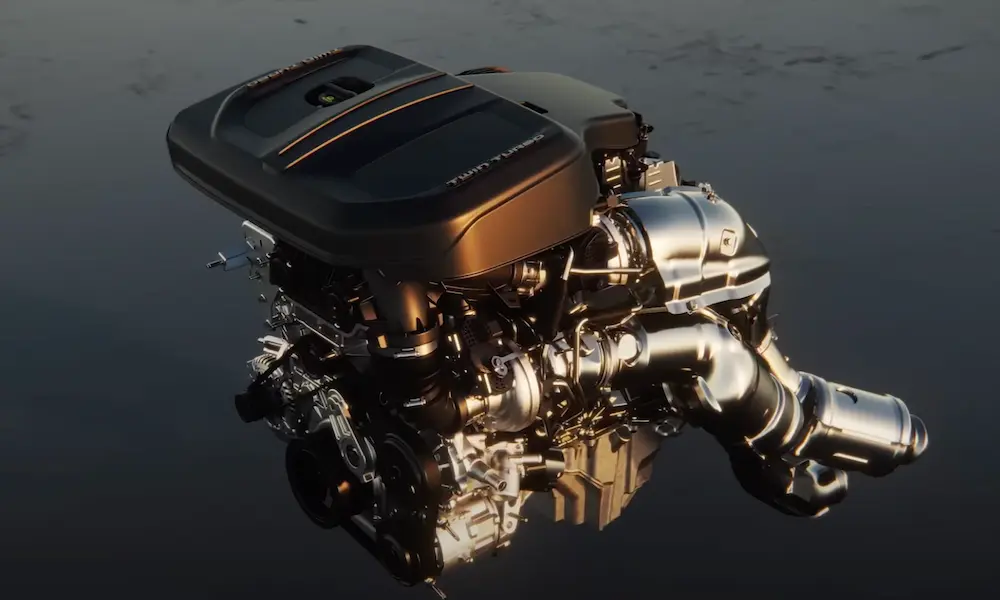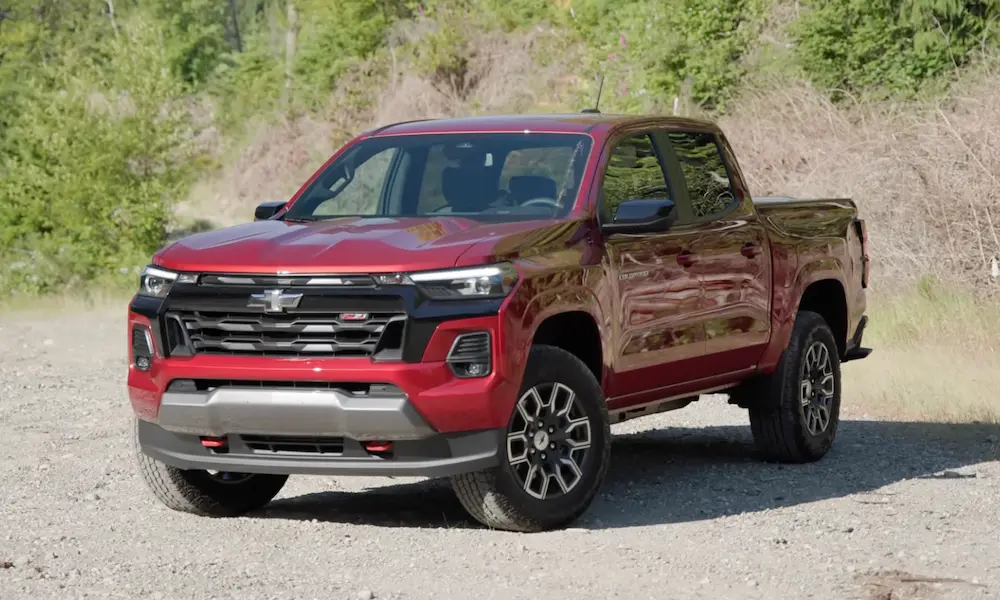
Looking to transform your GM 6.6L L8T gas engine from a capable workhorse into a genuine powerhouse? You’re in the right place. The L8T might come with 401 horsepower and 464 lb-ft of torque from the factory, but that’s just scratching the surface of what this robust platform can deliver. Let’s dive into the most effective upgrades that’ll wake up your truck’s performance without sacrificing reliability.
Understanding Your L8T Engine’s Potential
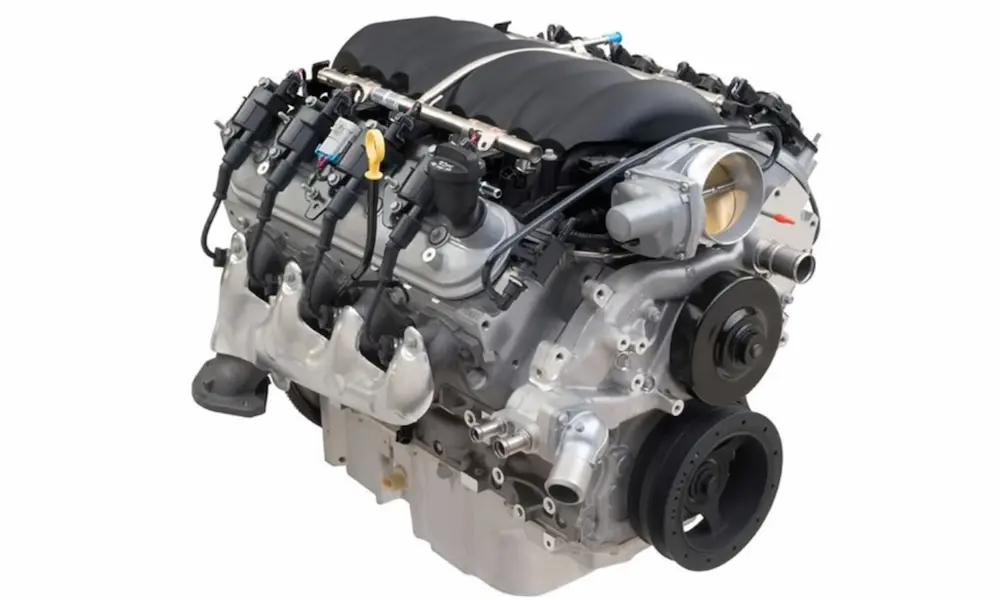
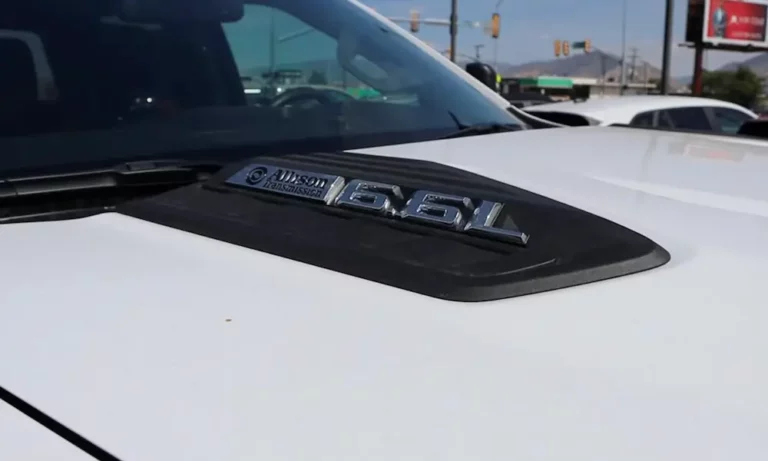
The 6.6L L8T gas V8 found in Chevy Silverado HD and GMC Sierra HD trucks brings serious heavy-duty credentials to the table. With its cast iron block and aluminum heads, this engine was built to handle serious work. But GM left plenty of performance on the table.
Why? Because factory engines are designed with compromises for emissions, fuel economy, and reliability across all driving conditions. The good news: those compromises mean untapped potential for enthusiasts.
With basic bolt-ons, expect 15-20% power gains. Go all-in with forced induction, and 600+ horsepower becomes very achievable. The L8T responds remarkably well to modifications because its heavy-duty architecture can handle substantial power increases without sacrificing durability.
Quick-Win Breathing Mods: Intake and Exhaust Upgrades
Cold Air Intake Systems: Your First Performance Mod
Cold air intakes offer the best bang-for-buck among initial upgrades. By delivering cooler, denser air to your engine, they immediately improve throttle response and power.
The S&B Filters 75-5158 intake system increases airflow by 18% through its innovative dual-inlet design. It maintains intake temperatures within just 5°F of ambient air during testing—a massive improvement over the 25°F delta of the stock system.
Another standout option is the AFE Momentum GT system, which flows an impressive 24% more air than stock. Real-world dyno testing shows 12-14 lb-ft torque gains in the crucial 2,000-4,000 RPM range when paired with exhaust upgrades.
Intake Performance Comparison
| Intake System | Airflow Increase | Filter Efficiency | Typical Power Gain |
|---|---|---|---|
| Stock | Baseline | 98% | Baseline |
| S&B 75-5158 | +18% | 99.08% | +8-10 HP |
| AFE Momentum GT | +24% | 99.75% | +10-12 HP |
Exhaust Systems: Let Your L8T Breathe Easy
Factory exhaust systems prioritize quiet operation over flow. Upgrading to a performance exhaust reduces backpressure and unleashes more power while giving your truck a more authoritative sound.
The Borla S-Type cat-back system (140833) cuts backpressure by 28% through its straight-through muffler design. Independent testing confirms a 3.1% horsepower increase at 5,200 RPM. Drivers report approximately 1.2 MPG improvements during highway towing thanks to reduced exhaust gas temperatures and pumping losses.
MBRP’s Touring Series system features 4-inch diameter piping throughout and includes a clever Helmholtz resonator that cancels drone frequencies between 125-150 Hz. When combined with a cold air intake, dyno testing shows peak gains of 22 hp at 5,400 RPM.
Engine Control Module (ECM) Tuning: Software Unleashes Hardware
No performance upgrade delivers more bang for your buck than ECM tuning. Factory tunes prioritize emissions compliance and fuel economy—often leaving significant power untapped.
Professional Tuning Options
The HP Tuners VCM Suite gives professional tuners direct access to your L8T’s E93 ECM, allowing adjustment of 87 parameters including direct injection timing, variable valve timing maps, and throttle response. With proper tuning, you can safely raise the redline to 6,800 RPM while maintaining proper air-fuel ratios even under boost.
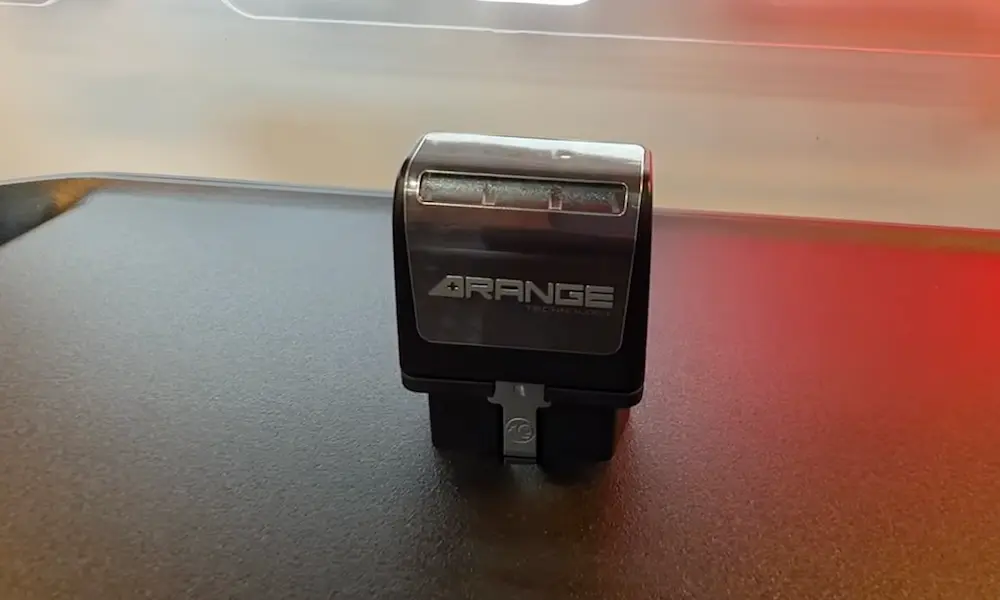
For a more plug-and-play approach, the DiabloSport Trinity 2 kit includes preloaded 91/93-octane calibrations that advance ignition timing by 6-8 degrees. The system also modifies transmission control for 40% firmer shifts and reduces torque management by 75% in performance mode.
Real-world testing shows 0-60 MPH improvements of 1.8 seconds and quarter-mile times dropping from 15.2 to 13.9 seconds with proper tuning alone—impressive gains for a simple software change.
Tuning Benefits Comparison
| Parameter | Stock | DiabloSport 91 Tune | Custom Pro-Tune |
|---|---|---|---|
| Ignition Timing | Conservative | +6-8 degrees | +8-12 degrees |
| Torque Management | Full | Reduced by 75% | Custom mapped |
| 0-60 MPH Time | Baseline | -1.2 seconds | -1.8 seconds |
| Quarter-Mile | 15.2 seconds | 14.3 seconds | 13.9 seconds |
Going Big: Forced Induction Options
If you’re looking for transformative power, forced induction is the way to go. The L8T’s robust block and rotating assembly make it an excellent candidate for supercharging or turbocharging.
Supercharger Systems
The Whipple Gen 6 3.0L Twin-Screw Supercharger generates 7 psi of boost on 93-octane fuel. Its integrated air-to-water intercooler keeps charge temperatures just 25°F above ambient, supporting consistent 685 horsepower output. The helical rotor design achieves 78% adiabatic efficiency—impressive for a bolt-on system.
The ProCharger HO Centrifugal System delivers 6 psi boost through a massive 4.0-inch intake tract and race-grade intercooler. Independent dyno testing confirms 602 wheel horsepower at 6,200 RPM with 93-octane fuel—a gain of 142 horsepower over stock.
Both systems include complete tuning packages and maintain factory reliability when properly installed. They’re designed to work with stock internals up to their advertised power levels.
Internal Engine Upgrades: Building for Maximum Power
While the L8T’s stock internals handle modest power increases well, serious horsepower requires internal reinforcement.
Cylinder Head Improvements
GPI (Gwatney Performance) CNC-ported cylinder heads increase intake flow by 28% at 0.600″ valve lift, with exhaust ports flowing 34% better than stock. When paired with performance camshafts, these heads support 650 horsepower at 6,800 RPM, especially when running E85 fuel.
The modified combustion chamber design can lower effective compression to 10.2:1 for boosted applications while maintaining squish velocity that resists detonation under boost.
Forged Rotating Assembly
For builds exceeding 600 horsepower, consider upgrading to forged internals. Aftermarket connecting rods from Callies (Ultra H-beam) and JE Pistons’ 2618 aluminum forgings allow sustained high-RPM operation up to 8,000 RPM.
Professional balancing of your rotating assembly reduces harmonic vibrations by 60%—critical for high-boost applications exceeding 15 psi.
Building a Complete Performance Package
The most effective approach combines upgrades that work together. Here are two proven packages:
Street/Towing Performance Package:
- S&B 75-5158 Cold Air Intake
- Borla 140833 Cat-Back Exhaust
- DiabloSport Trinity 2 Tuner (93 octane calibration)
- Expected Results: 450+ lb-ft torque from 2,000-5,000 RPM, improved towing capacity, 1-2 MPG better fuel economy when cruising
Maximum Performance Package:
- AFE Momentum GT Intake
- MBRP 4″ Full Exhaust
- Whipple 3.0L Supercharger
- GPI CNC-Ported Cylinder Heads
- Professional Custom Tuning
- Expected Results: 650+ horsepower, 630+ lb-ft torque, quarter-mile times in the low 12s
Maintaining Reliability With More Power
Adding power doesn’t have to compromise reliability if you’re smart about it. Follow these guidelines:
- Stay under 500 wheel horsepower on stock internals
- Upgrade cooling systems when adding forced induction
- Monitor engine parameters with gauges or digital displays
- Use engine oils rated for high-performance applications
- Maintain proper air-fuel ratios (12.5-13.0:1 under boost)
The GM 6.6L L8T gas engine offers tremendous potential for performance upgrades. Start with the breathing mods and tuning for immediate gains, then build toward more advanced modifications as your budget allows. With proper planning, you can create a seriously powerful truck that maintains the reliability you need for daily driving and towing duties.