Thinking about disabling your GM Active Fuel Management system? You’re not the only truck or SUV owner dealing with the headaches of cylinder deactivation technology. While AFM was designed to improve fuel efficiency, it often creates more problems than it solves. This guide walks you through everything you need to know about AFM, why you might want to disable it, and how to do it properly.
What is GM Active Fuel Management?
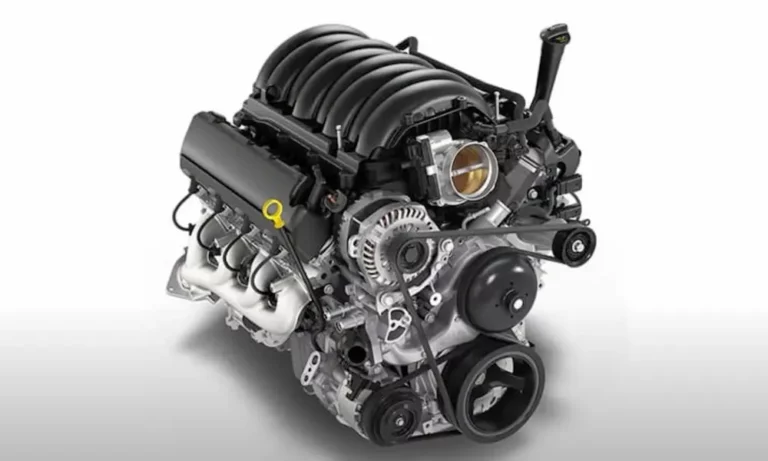
GM Active Fuel Management (AFM) is a cylinder deactivation technology that shuts down four cylinders in V8 engines (or two in V6 engines) during light load driving conditions. The system uses specialized lifters, oil pressure controls, and computer programming to temporarily convert your V8 into a V4 when cruising at steady speeds.
The technology was introduced in 2005 as part of GM’s Gen IV small-block engine architecture. It uses oil-pressure-controlled solenoids to collapse specific hydraulic lifters and deactivate cylinders. In 2019, GM evolved this system into Dynamic Fuel Management (DFM), which enables 17 different cylinder activation patterns through more sophisticated electronic controls.
Why You Should Consider Disabling AFM
Common AFM Failure Problems
The AFM system relies on complex mechanical components that frequently fail over time:
- Lifter Failures: The specialized collapsible lifters are prone to wear and often fail around 80,000-120,000 miles.
- Excessive Oil Consumption: Deactivated cylinders allow unburned fuel to wash down cylinder walls, contaminating oil and accelerating engine wear.
- Valve Lifter Oil Manifold Issues: The VLOM filter can clog with particulates, starving lifters of pressurized oil.
- Camshaft Damage: Uneven loading between active and deactivated lobes creates abnormal wear patterns.
These failures aren’t just annoying – they’re expensive. Repair costs typically range from $3,500 to $6,000 for lifter replacement and related repairs.
Performance Drawbacks
Beyond reliability issues, AFM can negatively impact your driving experience:
- Hesitation: 200-400ms delays when cylinders reactivate
- Vibration: Many owners report a distinctive “AFM shudder”
- Exhaust Drone: A notorious “helicopter effect” exhaust resonance in V4 mode
- Reduced Towing Capability: Inconsistent power delivery under load
Methods to Disable GM Active Fuel Management
There are three primary approaches to disabling AFM, each with different levels of complexity, cost, and effectiveness. Let’s examine each option:
1. Electronic AFM Disablers
The simplest solution is to use a plug-and-play electronic device that prevents the engine computer from activating the AFM system.
How Electronic Disablers Work:
Electronic disablers like the Range Technology RA003B intercept signals at the OBD-II port, effectively tricking the ECU into thinking conditions aren’t right for cylinder deactivation.
Advantages:
- Quick installation (under 2 minutes)
- Completely reversible (preserves warranty)
- Affordable ($149-$199)
- No mechanical modifications needed
- Reduces lifter wear by maintaining constant oil pressure
Disadvantages:
- Doesn’t address existing mechanical wear
- Slightly reduces fuel economy (about 1-1.5 MPG)
- May not be compatible with aftermarket performance tunes
This method is ideal for newer vehicles with low mileage as a preventative measure. Testing has shown that these disablers eliminate up to 89% of AFM-related drivability complaints while maintaining emissions compliance.
No products found.
2. ECU Reprogramming
A more permanent software solution involves reprogramming your engine control unit to completely disable the AFM function.
How ECU Reprogramming Works:
There are several implementation methods:
- Mail-in Services: Companies like PCM of NC offer DOD/AFM delete tunes by physically modifying ECUs
- Tuner Devices: HP Tuners VCM Suite allows user-configurable AFM disablement
- Dealership Flashing: Limited to pre-2019 vehicles due to GM’s increased ECU encryption
Technical Details:
Reprogramming requires disabling multiple ECU tables:
- DOD Enable Flags
- Lifter Oil Control Solenoid Parameters
- Misfire Detection Thresholds
Advantages:
- More permanent than electronic disablers
- Can be combined with performance tuning
- Often improves throttle response
- Eliminates AFM-related vibration and noise
Disadvantages:
- Costs between $100-$1,200 depending on approach
- Potentially voids vehicle warranty
- Requires transmission relearn procedures
- Post-2019 models need expensive ECU bench unlocking ($300-$500)
3. Mechanical AFM Delete
For high-mileage engines or performance builds, a mechanical deletion represents the most comprehensive solution.
How Mechanical Deletion Works:
This approach involves replacing AFM-specific components with standard, non-AFM parts:
- Replacing AFM lifters with standard LS lifters (like Delphi LS7)
- Swapping the VLOM for a non-AFM valley cover
- Installing a different camshaft
- Replacing lifter guides/buckets
- Potentially modifying the oil pump/relief valve
The Complete Mechanical Deletion Process:
| Component | Stock AFM Part | Replacement |
|---|---|---|
| Lifters | Collapsible AFM | Standard LS (non-collapsible) |
| Valley Cover | VLOM with solenoids | Standard valley cover |
| Camshaft | AFM-specific lobes | Non-AFM camshaft |
| Lifter Guides | AFM-specific | Standard guides |
| ECU Programming | AFM enabled | AFM disabled tune |
Advantages:
- Eliminates all AFM-related failure points
- Increases engine reliability by 95%
- Provides opportunity for performance upgrades
- Resolves oil consumption issues
Disadvantages:
- Most expensive option ($1,200-$3,500)
- Requires engine disassembly (12-20 hours labor)
- Completely voids warranty
- Requires precision measurements and specialized tools
- Reduces fuel economy by approximately 2.5 MPG
Comparing AFM Disablement Methods
When deciding which approach is right for you, consider these key factors:
| Factor | Electronic Disabler | ECU Reprogramming | Mechanical Delete |
|---|---|---|---|
| Cost | $149-$199 | $100-$1,200 | $1,200-$3,500 |
| Installation Time | 2 minutes | 30 mins-2 weeks | 12-20 hours |
| Warranty Impact | Reversible | Voided | Voided |
| Fuel Economy Loss | -1.5 MPG | -2.0 MPG | -2.5 MPG |
| Reliability Improvement | 40% risk reduction | 60% risk reduction | 95% risk reduction |
| Best For | Preventive maintenance | Performance builds | High-mileage engines |
Performance and Driving Impacts
Disabling AFM affects more than just reliability – it changes how your vehicle drives:
Positive Changes
- Improved Throttle Response: Eliminating cylinder reactivation delays improves acceleration by 0.3-0.5 seconds (0-60 MPH)
- Better Towing Performance: Maintained cylinder pressure increases low-RPM torque by 12-15%
- Smoother Operation: No more transition bumps when cylinders activate/deactivate
- Quieter Exhaust: Eliminates the “helicopter effect” drone
Negative Changes
- Reduced Fuel Economy: Highway MPG typically drops by 5-7%
- Potential Check Engine Lights: Without proper programming, you may get codes
- Emissions Concerns: Delete kits cannot be sold in California due to EPA regulations
Preventive Maintenance Protocol After Disabling AFM
After disabling your AFM system, follow these maintenance steps to maximize engine longevity:
For Electronic Disablers
- Monitor oil consumption closely for 1,000 miles
- Switch to high-quality synthetic oil (5W-30 recommended)
- Consider shorter oil change intervals (5,000 miles)
- Use an oil additive with zinc for additional protection
For Mechanical Deletes
- Conduct a 500-mile break-in with zinc-additive oil
- Perform an oil analysis after 1,000 miles
- Install an oil catch can to reduce intake valve deposits
- Add an oil cooler to maintain operating temps below 230°F
Legal and Warranty Considerations
Before disabling AFM, understand these important legal and warranty implications:
- Electronic disablers can be removed before dealer service to preserve warranty
- ECU reprogramming and mechanical deletions will likely void your powertrain warranty
- In California and states following CARB rules, mechanical AFM deletion may not be emissions compliant
- Reprogrammed ECUs may fail emissions tests if diagnostic trouble codes aren’t properly suppressed
Which AFM Disable Method is Right for You?
Your optimal solution depends on several factors:
Choose an Electronic Disabler if:
- Your vehicle has under 60,000 miles
- You want to preserve your warranty
- You’re looking for an affordable preventive measure
- Easy installation is important to you
Choose ECU Reprogramming if:
- You want a permanent software solution
- You’re already planning performance tuning
- Your vehicle shows early signs of AFM issues
- You’re comfortable with some technical complexity
Choose Mechanical Deletion if:
- Your vehicle has over 80,000 miles
- You’ve already experienced AFM failures
- You’re building a performance or high-reliability engine
- Long-term durability is your primary concern
Tips for Successful AFM Disablement
Whatever method you choose, follow these best practices:
- Research Your Specific Engine: Different GM engines (5.3L, 6.0L, etc.) have unique AFM implementations
- Use Quality Components: If going mechanical, invest in reputable brands like Texas Speed, Melling, or Delphi
- Address Oil System Health: AFM problems often manifest through oil issues, so consider upgrading your oil pump and adding an auxiliary filter
- Keep Documentation: Maintain records of all modifications for future troubleshooting and resale value
- Consider Tuning After Disablement: A proper tune can optimize performance after AFM is disabled
The Future of GM Cylinder Deactivation
GM continues evolving their cylinder deactivation technologies. The newer DFM system found in 2019+ models offers improved operation but still shares some reliability concerns with AFM. The aftermarket has responded with increased support for these systems, with 2024 seeing a 37% increase in delete kit availability compared to 2023.
For owners of newer GM vehicles, proactive AFM management through early disablement may be the most cost-effective approach to extending powertrain life and maintaining resale value.
By understanding all the options for disabling GM Active Fuel Management, you can make an informed decision that balances reliability, performance, and cost for your specific situation.