If you’re driving a 2022-2025 Honda or Acura, your steering might fail when you need it most. Here’s everything about the massive Honda steering recall that affects nearly 2 million vehicles—and what you should do today to check if yours is on the list.
What’s Really Wrong With These Honda Steering Systems
The problem isn’t just annoying—it’s dangerous. Your steering wheel can suddenly require way more effort to turn, especially at highway speeds. Imagine cruising along and your steering just… stiffens up.
Honda’s official recall announcement reveals the issue stems from a double whammy inside the Electronic Power Steering (EPS) gearbox. First, there’s a worm wheel that wasn’t manufactured correctly—it actually swells during normal use. Second, the worm gear spring was set too tight from the factory.
When these two problems team up, the grease inside your steering system gets squeezed out. Without proper lubrication, you get excessive friction. That’s what creates the “sticky” feeling that’s caused at least 13 crashes.
The Two Defects Creating This Safety Hazard
Defect #1: The Swelling Worm Wheel
The worm wheel inside your steering gearbox wasn’t heat-treated properly. When it’s exposed to normal heat and moisture from driving, it expands. This squeezes the protective grease film between the gears until there’s barely any left.
Defect #2: The Over-Tightened Spring
Honda set the worm gear spring preload way too high during assembly. This creates excessive force between the gears. When combined with the disappearing grease, you get serious friction—the mechanical version of rubbing two dry pieces of sandpaper together.
The result? Your steering feels like it’s locking up, especially during small corrections on the highway. Drivers report needing to jerk the wheel harder to overcome the resistance, which can cause dangerous overcorrection.
Every Honda and Acura Model Affected by This Recall
This isn’t a small issue affecting one model. The Honda steering recall hits Honda’s entire modern lineup—1.7 million vehicles in the U.S. alone.
Complete List of Recalled Vehicles
Honda Models:
- 2022-2025 Civic Sedan
- 2025 Civic Hybrid Sedan
- 2022-2025 Civic Hatchback
- 2025 Civic Hybrid Hatchback
- 2023-2025 Civic Type R
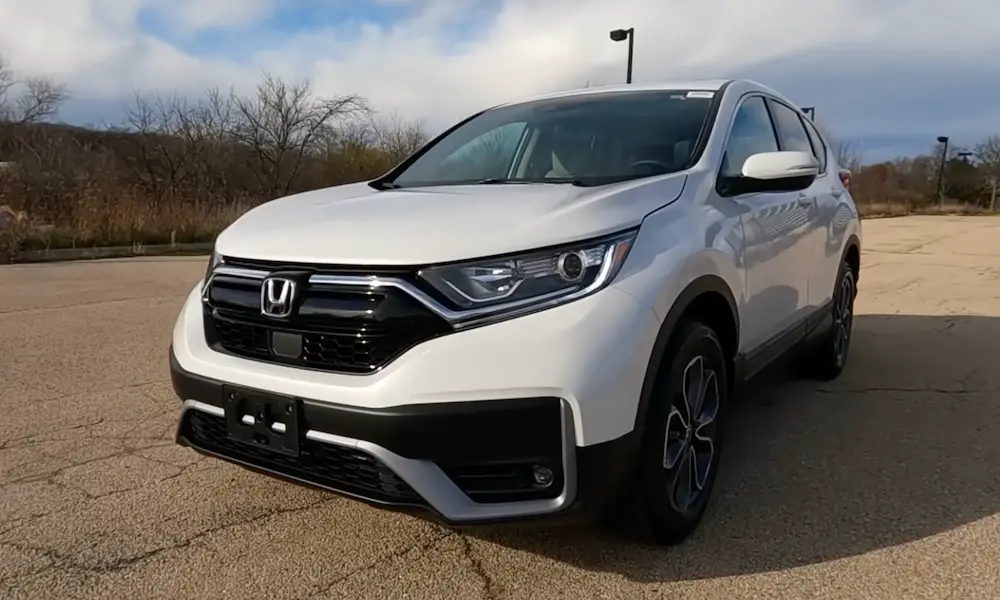
- 2023-2025 CR-V
- 2023-2025 CR-V Hybrid
- 2025 CR-V Fuel Cell (e:FCEV)
- 2023-2025 HR-V
Acura Models:
- 2023-2025 Integra
- 2024-2025 Integra Type S
If you bought a new 2025 model recently, don’t assume it’s fixed. Honda only corrected the manufacturing process on August 30, 2024. Any 2025 vehicle built before that date has the defect, which explains why some brand-new cars are sitting in dealer lots under a “stop sale” order.
Global Reach: Canada, Australia, and the Europe Mystery
The recall extends beyond U.S. borders, but not evenly:
Canada: About 239,000 vehicles are affected, covering the same models as the U.S. recall.
Australia: Roughly 16,000 vehicles are included, plus the Honda ZR-V (which isn’t sold in North America).
Europe and UK: Here’s where it gets weird. There’s no official recall in Europe, despite owners reporting the exact same problem. Honda appears to be handling European cases as individual warranty claims rather than a safety recall—leaving thousands of drivers unaware they’re at risk.
How to Check If Your Honda or Acura Is Recalled (Takes 2 Minutes)
Don’t wait for the mail. Honda started notifying dealers in early October 2024, but owner letters won’t go out until mid-November. You can check right now using your VIN (Vehicle Identification Number).
Where to Find Your VIN
Look for your 17-character VIN in three places:
- Driver’s side dashboard (visible through the windshield)
- Driver’s side door jamb sticker
- Your registration or insurance documents
Official Recall Lookup Tools
For U.S. Owners:
- NHTSA’s official site: nhtsa.gov/recalls
- Honda: recalls.honda.com
- Acura: recalls.acura.com
- Phone: (888) 234-2138
For Canadian Owners:
- Honda Canada: honda.ca/en/recalls
- Phone: 1-888-9-HONDA-9
For Australian Owners:
- Honda Australia: honda.com.au/recall
- Phone: 1800 789 839
The NHTSA lookup is particularly useful—it’ll show “0 unrepaired recalls” if you’re clear or if the fix has already been done.
The Timeline: How Honda Knew for Years Before Acting
Here’s what really stings. Honda didn’t just discover this problem last month.
2021: Honda starts receiving warranty claims about sticky steering. Owners begin complaining on forums, but dealers dismiss them or claim they’re imagining things.
2022-2023: More owners report the issue. Some get entire steering racks replaced under warranty—only to have the problem return because the replacement parts came from the same defective batch.
March 2023: NHTSA opens an investigation after collecting hundreds of owner complaints.
2024: NHTSA upgrades to a full engineering analysis after documenting 13 crashes and 523 owner reports.
August 20, 2024: Honda’s own testing finally confirms the defect is “at an increased level.”
August 30, 2024: Honda fixes the production line—but doesn’t announce the recall yet.
October 9, 2024: Honda publicly announces the recall after logging over 10,000 warranty claims.
That’s three years from first complaints to official recall. In the meantime, drivers kept experiencing dangerous steering failures, and dealers kept telling them nothing was wrong.
What Honda Dealerships Will Actually Do to Fix Your Car
Unlike the previous warranty repairs that replaced entire steering racks, the official recall fix is more targeted—and hopefully permanent.
The Three-Part Repair Process
Step 1: Replace the Spring Components
Technicians remove the end cap from your steering gearbox and swap out the over-tightened spring for a new, properly-spec’d replacement. This directly addresses the excessive preload problem.
Step 2: Inject Fresh Grease
They inject at least 15ml of specialized grease into the gearbox to replace what was squeezed out by the swelling worm wheel. This restores the protective lubricant film between the gears.
Step 3: Seal and Test
After reassembly with new parts and fresh sealant, they turn the steering lock-to-lock to verify smooth operation.
The whole procedure should take about 1.7 hours of shop time—though some owners worry that’s not enough for thorough work.
Why This Fix Should Work Better Than Before
Previous warranty repairs simply replaced the entire steering rack. Problem is, those replacement racks came from the same defective production run. It’s like swapping a bad apple for another bad apple from the same rotten barrel.
The recall fix targets both root causes:
- New spring = lower preload force
- Fresh grease = restored lubrication
Since Honda corrected its manufacturing process on August 30, 2024, the new parts shouldn’t have the original defects.
Should You Be Worried? Real Owner Experiences
Owner forums reveal a sharp divide in how people experience this defect.
The “It’s Dangerous” Camp
Some drivers describe genuinely scary moments. The steering “locks up” during highway lane changes. You have to yank the wheel hard to overcome the resistance, which can cause you to overcorrect and swerve.
Eleven of the 13 reported crashes happened because drivers lost control after struggling with sudden steering resistance, causing their vehicles to leave the roadway.
The “It’s Overblown” Camp
Other owners say the problem is real but overstated. They describe it as a momentary resistance—like the power steering briefly cuts out—not a complete lockup. Annoying and concerning? Yes. Immediately life-threatening? Depends on when it happens.
The Civic Type R Exception
Here’s something interesting: 2023-2025 Civic Type R owners rarely report sticky steering, even though their cars are included in the recall. Theory is the Type R’s steering components fall on the safer side of the design tolerance range.
This creates a dilemma. Should Type R owners risk a potentially botched dealer repair for a problem they’re not experiencing? Many are planning to “wait for the guinea pigs” to get the fix first.
What Happens If You Don’t Get the Recall Done
You’re not legally required to get recall work done. But here’s why you should:
Safety Risk: The defect increases crash risk. NHTSA’s investigation documented real crashes caused by this exact problem.
Resale Value: An open recall tanks your trade-in value. Dealers and private buyers can look up recalls, and they’ll either lowball you or walk away.
Liability: If the sticky steering causes an accident, you might face insurance complications or legal liability for not addressing a known safety defect.
It’s Free: Honda pays for everything—parts, labor, and any necessary related repairs.
The only downside is the inconvenience of scheduling and dropping off your car. Given the potential consequences, it’s worth the hassle.
When You Should Actually Worry About Repair Quality
Owner anxiety about this recall isn’t totally unfounded. The repair involves precision torque specs, specialized tools, and careful reassembly. Rush the job, and you could end up with new problems.
Red Flags to Watch For
After your recall repair, pay attention to:
- New rattles or clunks from the front end
- Steering that pulls to one side
- Uneven tire wear (suggests alignment issues)
- Any return of the sticky feeling
If you notice any of these, take your car back immediately. The repair is guaranteed, and persistent problems might qualify your vehicle for lemon law protection depending on your state.
Scheduling Strategy
Expect delays. With 1.7 million affected vehicles and dealers also working through new inventory under stop-sale orders, service departments will be swamped.
Book your appointment as soon as you confirm your VIN is affected. If your dealer seems rushed or dismissive, consider trying another authorized Honda/Acura service center.
Your Legal Rights If You’ve Already Dealt With This Problem
Multiple class-action lawsuits were filed over sticky steering before Honda announced the recall. The recall serves as Honda’s official admission of a safety defect—which strengthens your position if you’ve already paid for repairs or suffered damages.
Potential Claims
Out-of-Pocket Repairs: If you paid for steering repairs before the recall, keep your receipts. Honda may reimburse documented expenses related to the defect.
Lemon Law: If the problem persists after multiple repair attempts, your state’s lemon law might entitle you to a replacement vehicle or buyback.
Diminished Value: If sticky steering caused an accident that damaged your car, you might have a claim for diminished value even after repairs.
Personal Injury: If the defect caused a crash that injured you or damaged property, you may have grounds for a personal injury claim.
Consult with a lemon law attorney if you’ve experienced repeated problems or suffered damages. Initial consultations are usually free.
Why European Honda Owners Are Getting Screwed
The disparity in Honda’s response between North America and Europe is infuriating. European drivers report the exact same sticky steering issue, but Honda Motor Europe treats it as a quality problem, not a safety defect.
This means:
- No proactive owner notification
- No organized recall campaign
- Repairs only if you complain loudly enough
- Dealers often claim ignorance of the problem
European owners on forums describe having to fight for warranty coverage, while North American owners get an official recall letter and guaranteed free repairs. Same defect, completely different corporate response based on regulatory pressure.
If you’re in Europe or the UK experiencing sticky steering, document everything and push your dealer hard. Reference the North American recall as proof Honda acknowledges this is a real safety issue.
The Bottom Line on Honda’s Steering Recall
This recall affects some of Honda’s most popular and newest vehicles. The defect is real, it’s dangerous, and it took way too long for Honda to officially acknowledge it.
The good news? The fix appears solid, targeting both engineering failures that cause the problem. The bad news? You’re dependent on your local dealer executing a precision repair while working through a massive backlog.
Check your VIN today using the official NHTSA tool or Honda’s recall checker. If you’re affected, schedule the repair even if you haven’t noticed symptoms. The defect is intermittent—it might not show up until you’re making a panic swerve on the highway.
And if you’re in Europe wondering why you haven’t heard about this? Start making noise with your dealer and reference the North American recall. You deserve the same safety response as everyone else.