Ever turned the key in your GM vehicle only to be greeted by a rough idle or stalling engine? Your crankshaft position sensor might need relearning. While most mechanics will tell you a scanner is essential for this task, there’s good news – you can perform a GM crankshaft position sensor relearn without scanner equipment in many cases. I’ll walk you through the entire process step-by-step, so you can potentially save yourself a trip to the mechanic.
What Is a Crankshaft Position Sensor and Why Does It Need Relearning?
The crankshaft position sensor is like your engine’s timekeeper. It tells your vehicle’s computer (PCM) exactly where each piston is in its cycle, allowing for precise fuel injection and ignition timing. When this communication gets disrupted, your engine performance suffers dramatically.
Your GM vehicle may need a sensor relearn procedure when:
- You’ve replaced the crankshaft sensor
- The battery was disconnected
- The PCM has been reset or replaced
- You’re experiencing a P1336 error code
Without proper “relearning,” your vehicle doesn’t understand the unique variations in your specific crankshaft, leading to rough running or even no-start conditions.
Prerequisites for Manual GM Crankshaft Relearn
Before attempting a manual relearn, make sure:
- Your coolant and air temperature sensors are within 5°C (9°F) of each other
- Engine coolant and oil levels are at proper levels
- All powertrain codes except P1336 have been cleared
- All accessories (A/C, radio, headlights) are turned off
- Your gas tank is at least half full
Skipping these prerequisites can prevent the relearn procedure from completing successfully.
Step-by-Step Manual Relearn Procedure
1. Initial Preparation
Start with a warm-up phase to get your engine ready:
- Start your engine and let it idle in Park (automatic) or Neutral (manual)
- Keep it idling for exactly 2 minutes
- Make sure your engine reaches normal operating temperature
This initial phase helps stabilize all engine sensors and prepares the computer for the learning process.
2. Highway Drive Cycle
The highway portion is where most of the learning happens:
- Accelerate smoothly to 55 mph using about 1/4 to 1/2 throttle (don’t floor it!)
- Maintain a steady 55 mph for 8-10 minutes until the engine reaches full operating temperature
- Continue cruising at 55 mph for an additional 5-6 minutes
During this time, your PCM is collecting data about your crankshaft’s rotation pattern. It’s crucial to maintain a steady speed without jerky movements.
3. Deceleration Learning Cycles
This critical phase teaches your PCM about engine braking characteristics:
- Without touching the brake pedal, let your vehicle naturally decelerate to 45 mph
- Maintain 45 mph for exactly 1 minute
- Perform 4 separate deceleration cycles, each lasting about 25 seconds
- Between each deceleration cycle, maintain 45 mph for 15 seconds
- After completing all deceleration cycles, accelerate back to 55 mph and cruise for 2 minutes
The key here is to use only the gas pedal for speed control—not your brakes. This allows the PCM to properly measure engine braking characteristics.
4. Final Idle Phase
Completing the procedure requires one last idle session:
- Safely return to a parking area and stop the vehicle
- With your foot on the brake, let the engine idle for 2 minutes
- For automatic transmissions, keep it in Drive; for manual transmissions, stay in Neutral with the clutch depressed
This final phase allows the PCM to verify all the learned data while the engine is at idle speed.
Alternative Simple Method: Battery Disconnect
For older GM vehicles (particularly pre-2005 models), a simpler method sometimes works:
- Disconnect the negative battery terminal for 15-20 minutes
- Reconnect the battery securely
- Start the engine (it may require several attempts)
- Let the engine idle for 10 minutes without touching the gas pedal
- Take a short test drive with gentle acceleration and braking
While this method is easier, it’s also less reliable and doesn’t work on newer GM vehicles, which require more sophisticated relearning.
Why Manual Relearn Doesn’t Always Work
It’s important to understand the limitations of manual relearn procedures:
| Vehicle Age | Manual Relearn Success Rate | Scanner Typically Required? |
|---|---|---|
| Pre-2000 | High | No |
| 2000-2010 | Moderate | Sometimes |
| 2011+ | Low | Yes |
The manual method works best on older GM vehicles with simpler engine management systems. Newer vehicles use more complex algorithms that often require specific commands from a scanner.
Scanner-Based Relearn Method
For comparison, here’s what happens during a scanner-based relearn:
- A technician connects an OBD-II scanner with GM-specific capabilities
- The scanner sends a command to enter “learn mode”
- The engine is revved to a specific RPM (usually between 3000-5150 RPM depending on engine type)
- The PCM activates fuel cutoff at the target RPM
- The throttle is immediately released when fuel cutoff occurs
- The PCM captures crucial data during this precise moment
This method is more reliable because it forces the engine into specific conditions that optimize the learning process.
Common Symptoms of a Failed Relearn
How do you know if your relearn procedure worked? Watch for these signs of success or failure:
Successful Relearn:
- Engine idles smoothly
- No hesitation during acceleration
- Check engine light remains off
- Improved fuel economy
- Consistent starting
Failed Relearn:
- Rough idle persists
- Engine stalls intermittently
- P1336 code returns
- Poor acceleration
- Hard starting conditions
If you’re experiencing these symptoms after multiple relearn attempts, it’s likely time to visit a professional with the proper scanning equipment.
Vehicle-Specific Variations
Different GM vehicle families have slight variations in their relearn procedures:
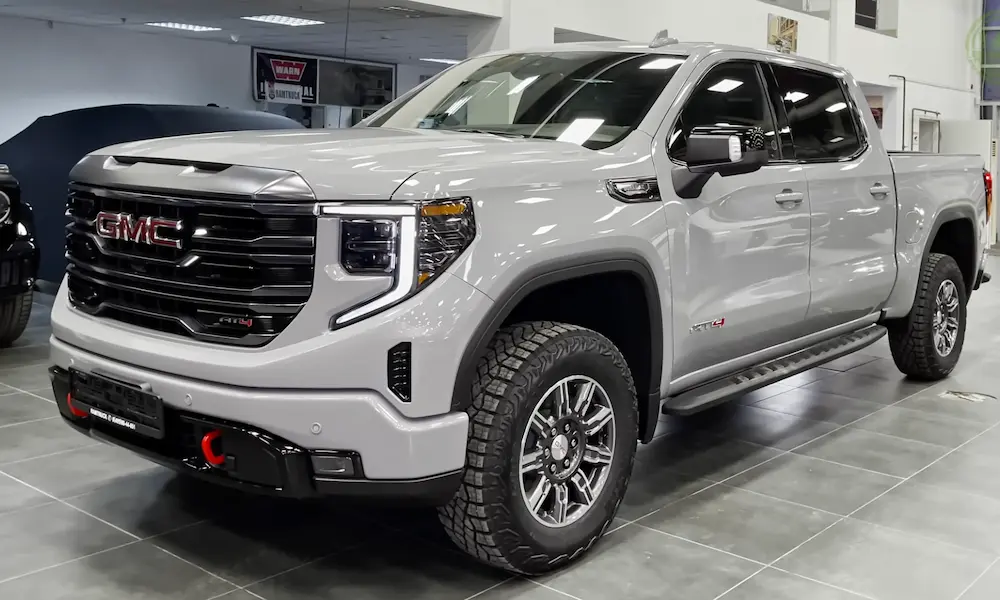
Chevrolet/GMC Trucks (Silverado/Sierra)
These trucks often respond well to the manual procedure, particularly in the 1999-2007 model years. The Silverado community reports good success with the highway drive method.
Cadillac Models
Cadillac vehicles typically need more precise conditions for relearning. The Cadillac Forums suggest that models after 2006 almost always require scanner-based relearning.
Buick/Pontiac/Oldsmobile
These platforms generally follow the standard GM procedure, though success rates vary by model year. Pre-2005 models tend to work better with manual methods.
Corvette and Performance Vehicles
Due to their performance-oriented engine management systems, these vehicles almost always require scanner-based relearning for proper results.
Troubleshooting Common Issues
If your relearn procedure isn’t working, check these common problems:
- Battery voltage too low: The PCM needs stable voltage to perform the relearn. Ensure your battery is fully charged.
- Engine not reaching operating temperature: The procedure must be done with the engine fully warmed up. Make sure your coolant temperature is normal.
- Other engine codes present: Any other engine-related codes can prevent the crankshaft relearn from completing. Clear all codes except P1336 first.
- Sensor problems: A faulty crankshaft position sensor can’t be relearned. If the sensor itself is bad, replace it before attempting relearn.
- Timing chain issues: Excessive timing chain slack can cause irregular crankshaft readings that prevent successful relearning.
The Importance of Proper Crankshaft Position Sensor Function
Understanding why this seemingly small sensor matters so much can help motivate you through the relearn process:
- It directly affects fuel efficiency (up to 15% improvement with proper function)
- Prevents potential engine damage from mistimed firing
- Eliminates frustrating stalling and rough idle
- Ensures proper emissions control
- Improves overall drivability and performance
Crankshaft position sensor issues are among the top 5 causes of check engine lights in GM vehicles.
Modern GM Vehicles: The Scanner Necessity
If you own a GM vehicle from 2011 or newer, be aware that manual relearn procedures are increasingly ineffective. Modern GM vehicles often require:
- Dealer-level scanning equipment
- Updated software and security access
- Manufacturer-specific protocols
The complexity of newer engine management systems means the vehicle’s computer simply won’t enter learn mode without receiving the correct digital “handshake” from an appropriate scanner.
DIY Scanner Options
If manual relearning isn’t working but you’re still interested in DIY approaches, consider these scanner options:
| Scanner Type | Approximate Cost | Can Perform GM Crank Relearn? | Pros/Cons |
|---|---|---|---|
| Basic OBD-II | $25-50 | No | Reads codes only, no special functions |
| Mid-Range | $100-200 | Some models | Limited GM-specific functions |
| Professional | $200-500+ | Yes | Full GM capability, but higher cost |
Look for scanners specifically advertising “GM enhanced diagnostics” or “crankshaft relearn capability” if you plan to purchase one for this purpose.
Maintaining Your Crankshaft Position Sensor
To avoid future relearn headaches, keep these maintenance tips in mind:
- Avoid disconnecting your battery unless necessary
- When replacing the sensor, use OEM or high-quality aftermarket parts
- Check for oil leaks near the sensor (oil contamination can cause failures)
- Keep your engine’s timing chain and related components in good condition
- Address check engine lights promptly before multiple issues compound
Regular maintenance can prevent many of the conditions that lead to crankshaft position sensor problems in the first place.
Beyond DIY: When to Seek Professional Help
While DIY relearning can work in many cases, recognize when it’s time to visit a professional:
- If you’ve attempted the manual procedure 2-3 times without success
- When dealing with a 2011 or newer GM vehicle
- If multiple engine codes are present beyond just P1336
- When you suspect related issues like timing chain problems
- If specialized tools are required for your specific model
Many independent shops can perform scanner-based relearns at a fraction of dealer costs, typically $75-150 depending on your location.
Remember that the GM crankshaft position sensor relearn without scanner methods described here can work well on many vehicles, but they’re not universal solutions. Sometimes professional equipment simply can’t be replaced with DIY procedures—especially in modern vehicles with sophisticated engine management systems.