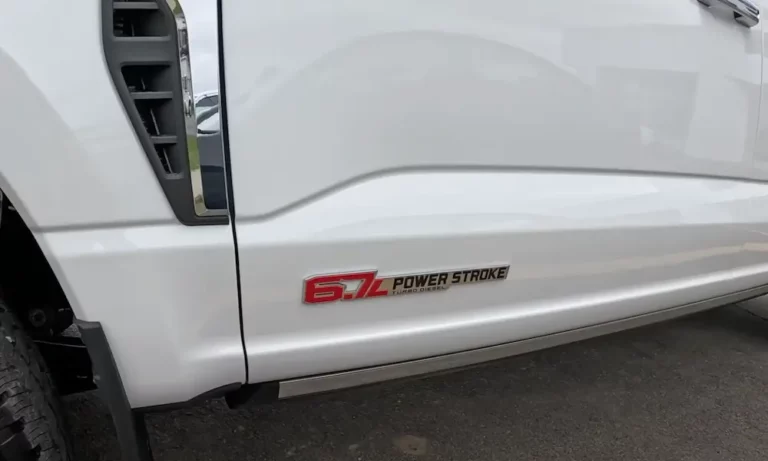
Looking for the most reliable 6.7 Powerstroke diesel engine? You’re making a smart move by researching before dropping $50,000+ on a Ford Super Duty truck. The right model year can mean the difference between a dependable workhorse and an expensive headache. I’ve analyzed all the data to help you identify which years deliver the best combination of power, reliability, and value.
The Evolution of Ford’s 6.7 Powerstroke Engine
The 6.7L Powerstroke diesel has gone through three distinct generations since its 2011 introduction, with each addressing problems from previous iterations. Understanding these evolutionary changes is crucial to finding the sweet spot.
First Generation (2011-2014): The Learning Curve
Ford’s first in-house diesel design represented a major improvement over the troubled 6.4L Powerstroke, but these early models came with significant growing pains:
- Turbocharger failures: The ceramic ball bearings in these turbos were undersized for the engine’s output, leading to premature failures and expensive repairs
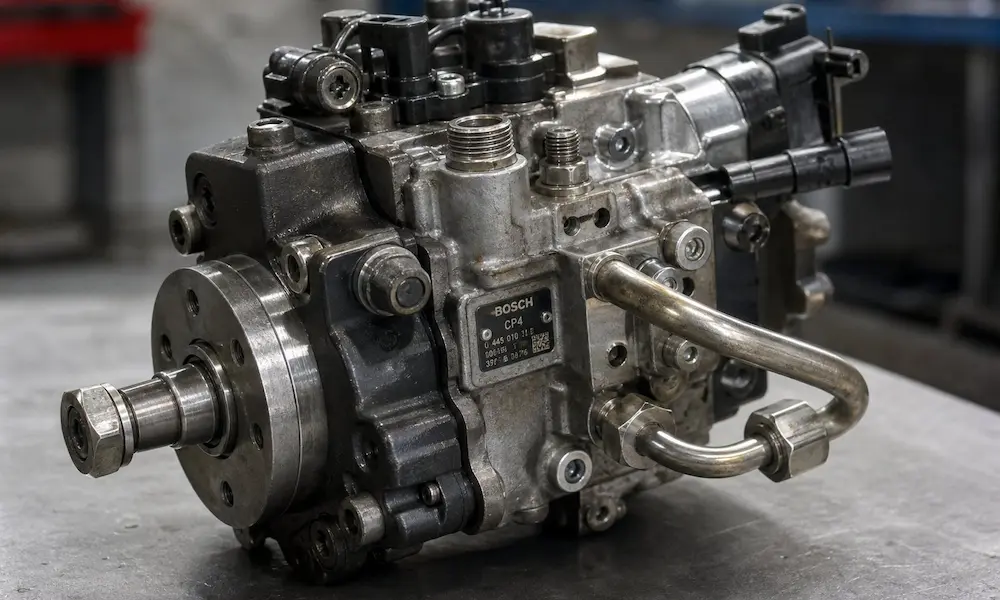
- Catastrophic CP4 pump issues: When these pumps failed, they spread metal shavings throughout the entire fuel system, causing repair bills exceeding $10,000
- Glow plug problems: 2011 models suffered from tips breaking off inside cylinders, potentially causing catastrophic engine damage
- EGT sensor failures: These could unexpectedly disable the truck, particularly problematic for emergency vehicles
- Coolant system weaknesses: Early models experienced radiator and intercooler leaks
Initial power ratings started at 390 horsepower and 735 lb-ft of torque, increasing slightly to 400 hp and 800 lb-ft for 2012-2014 models after Ford’s calibration updates.
Second Generation (2015-2019): The Sweet Spot
The 2015 redesign addressed nearly all major first-generation problems, creating what many experts consider the most reliable 6.7 Powerstroke years:
- Improved turbocharger: Ford replaced problematic ceramic bearings with steel ones and installed a larger GT37 turbo with a 61mm compressor wheel
- Significant power increases: Output jumped to 440 hp and 860 lb-ft (2015-2016), then to an impressive 475 hp and 1,050 lb-ft (2017-2019)
- Better cooling system: Redesigned EGR coolers and improved cooling components reduced failure rates
- Reduced CP4 pump issues: While still a concern, failure rates decreased substantially
- Proven 6R140 transmission: This six-speed automatic established an excellent durability record
Third Generation (2020-Present): Maximum Power, Maximum Complexity
The latest 6.7 Powerstroke delivers unprecedented power and technology but introduces new variables:
- New 10R140 transmission: The ten-speed replaced the proven six-speed for better efficiency
- Enhanced fuel injection: Up to 8 injection events per stroke improve combustion efficiency
- Stronger internals: Forged steel pistons and other upgrades handle increased power
- Record output: Up to 500 hp and 1,200 lb-ft in High Output variants
- Improved CP4 pump: Better reliability, though not completely problem-free
Why 2017-2019 Models Represent the Best 6.7 Powerstroke Years
After analyzing reliability data, owner reports, and expert opinions, the 2017-2019 model years consistently emerge as the optimal choice for most buyers. Here’s why:
- Peak reliability: These years represent Ford’s most refined second-generation engines with most bugs already worked out
- Outstanding power-to-reliability ratio: 475 hp and 1,050 lb-ft provide plenty of capability without pushing components to their limits
- Proven transmission: The 6R140 six-speed in these models has established an excellent track record for durability
- Better value: Lower purchase costs than third-generation models while offering similar real-world performance
- Excellent aftermarket support: Strong availability of upgrades and reliability modifications
As Power Stroke Nation forum members frequently note, these years benefit from Ford having addressed early problems while maintaining simpler systems than later models.
The Most Common 6.7 Powerstroke Problems (And How to Prevent Them)
While the 2017-2019 models are the most reliable, they aren’t immune to issues. Here’s what to watch for and how to prevent problems:
CP4 Fuel Pump Failures
The CP4.2 high-pressure fuel pump remains the most significant concern across all 6.7 Powerstroke engines. When this pump fails, it can contaminate the entire fuel system with metal debris, requiring:
- Replacement of all eight fuel injectors
- New fuel rails and lines
- Complete fuel tank cleaning
- New CP4 pump
Total repair costs typically range from $10,000 to $15,000.
Prevention strategies:
- Install an S&S Disaster Prevention Kit ($400-600)
- Use high-quality diesel fuel with proper lubricity
- Replace fuel filters every 15,000 miles (not the 30,000 Ford recommends)
- Consider a CP4-to-CP3 conversion for maximum protection
Intercooler Boot/Pipe Failures
All generations can experience intercooler pipe failures, especially under heavy loads or when modified for higher power. These typically manifest as:
- Loss of boost pressure
- Poor performance
- Excessive smoke
- Check engine lights
Prevention: Upgrade to aftermarket boots and pipes designed with stronger materials and better clamping systems.
Comparing 6.7 Powerstroke Years: A Detailed Breakdown
This table summarizes the key differences between model years to help you make an informed decision:
| Model Years | Power Rating | Key Advantages | Notable Concerns | Overall Rating |
|---|---|---|---|---|
| 2011-2014 | 390-400 hp / 735-800 lb-ft | Lower purchase price | Turbo failures, CP4 issues, glow plugs | Poor |
| 2015-2016 | 440 hp / 860 lb-ft | Improved reliability over 1st gen | Early 2nd gen teething issues | Good |
| 2017-2019 | 475 hp / 1,050 lb-ft | Best reliability-to-power ratio, proven transmission | Some CP4 concerns | Excellent |
| 2020+ | 475-500 hp / 1,050-1,200 lb-ft | Highest power, latest technology | New transmission, higher cost, complex electronics | Very Good |
How to Evaluate a Used 6.7 Powerstroke
When shopping for a used 6.7 Powerstroke, especially a 2017-2019 model, here’s what to check:
Service History Documentation
Look for trucks with complete maintenance records showing:
- Regular oil changes (7,500-10,000 miles)
- Fuel filter replacements (15,000 miles ideally)
- Coolant service
- Transmission fluid changes
Critical Visual Inspections
- Check for fuel leaks around the CP4 pump and injectors
- Inspect intercooler pipes for cracks or loose connections
- Look for coolant leaks from the radiator, water pump, and EGR cooler
- Examine the turbocharger for shaft play or oil leakage
Driving Evaluation
- Note turbo response: Hesitation could indicate turbo problems
- Watch for smoke: Blue smoke suggests oil consumption issues
- Monitor transmission shifts: Should be smooth and consistent
- Listen for unusual noises: Knocking could indicate serious problems
Maintenance Essentials for Long-Term Reliability
To maximize the lifespan of your 6.7 Powerstroke (especially 2017-2019 models), follow these maintenance guidelines:
- Fuel filters: Replace every 15,000 miles, not the factory 30,000-mile interval
- Oil changes: Use Ford-recommended 10W-30 or 5W-40 synthetic oil every 7,500-10,000 miles
- DEF system: Keep DEF tank filled with fresh fluid to prevent crystallization
- Cooling system: Change coolant every 100,000 miles and inspect for leaks regularly
- Air filters: Check and replace when dirty, not just on a fixed schedule
Well-maintained 6.7 Powerstroke engines regularly exceed 300,000 miles, with many reaching 500,000+ miles with proper care.
Performance Modifications for 2017-2019 Models
One advantage of 2017-2019 models is their excellent response to modifications:
- Tuning: Gains of 100+ horsepower and 200+ lb-ft are common with quality tuning
- Cold air intakes: Improve airflow and lower intake temperatures
- Exhaust upgrades: 4-5″ systems reduce backpressure and improve fuel economy
- CP3 conversion: Eliminates CP4 reliability concerns while supporting higher power
The 2017-2019 models handle these modifications better than earlier years and often with fewer complications than 2020+ models.
Real-World Fuel Economy
While official EPA ratings don’t exist for heavy-duty trucks, here’s what owners typically report for 2017-2019 models:
- Highway unloaded: 18-20 mpg
- Mixed driving unloaded: 15-17 mpg
- Towing medium loads: 10-13 mpg
- Heavy towing: 8-10 mpg
These figures typically exceed both earlier and later model years, especially in highway driving scenarios.
The Verdict: 2017-2019 Models Offer the Best Balance
After thorough analysis, the 2017-2019 Ford 6.7 Powerstroke models stand as the clear winners for most buyers. They offer:
- The most refined version of the second-generation design
- Excellent power and torque (475 hp/1,050 lb-ft)
- Better reliability than both earlier and later models
- Proven 6R140 transmission
- Strong aftermarket support
- Good value retention
If your budget doesn’t stretch to a 2017-2019 model, 2015-2016 trucks make acceptable alternatives with slightly less power but similar reliability improvements over first-generation engines. For those prioritizing maximum performance and willing to accept some uncertainty about long-term durability, 2020+ models deliver unprecedented power and technology.
The 2011-2014 models should generally be avoided unless they’ve had major components already replaced or updated, and even then, they remain the highest-risk option.
By choosing a 2017-2019 Ford 6.7 Powerstroke, you’re getting the sweet spot where Ford’s engineering refinements, proven reliability, and excellent performance converge to create the best overall package in the 6.7 Powerstroke lineup.