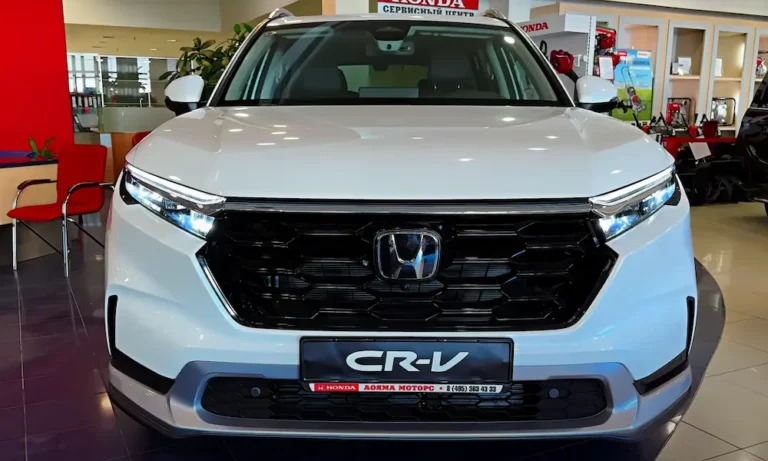
Ever wondered when you should take your Honda CR-V in for service? Keeping up with your vehicle’s maintenance schedule not only extends its life but also helps maintain its value and prevent costly repairs down the road. Honda’s comprehensive maintenance program takes the guesswork out of when to service your CR-V, making ownership easier and more enjoyable.
Understanding the Honda Maintenance Minder System
Modern Honda CR-V models come equipped with the innovative Maintenance Minder System that tracks your vehicle’s actual condition rather than relying on fixed mileage intervals. This smart system monitors various metrics including engine speed, operating temperature, and driving conditions to determine precisely when maintenance is needed.
The system displays maintenance codes on your dashboard with:
- Letter codes (A or B) indicating basic maintenance needs
- Number codes (1-7) showing specific service requirements
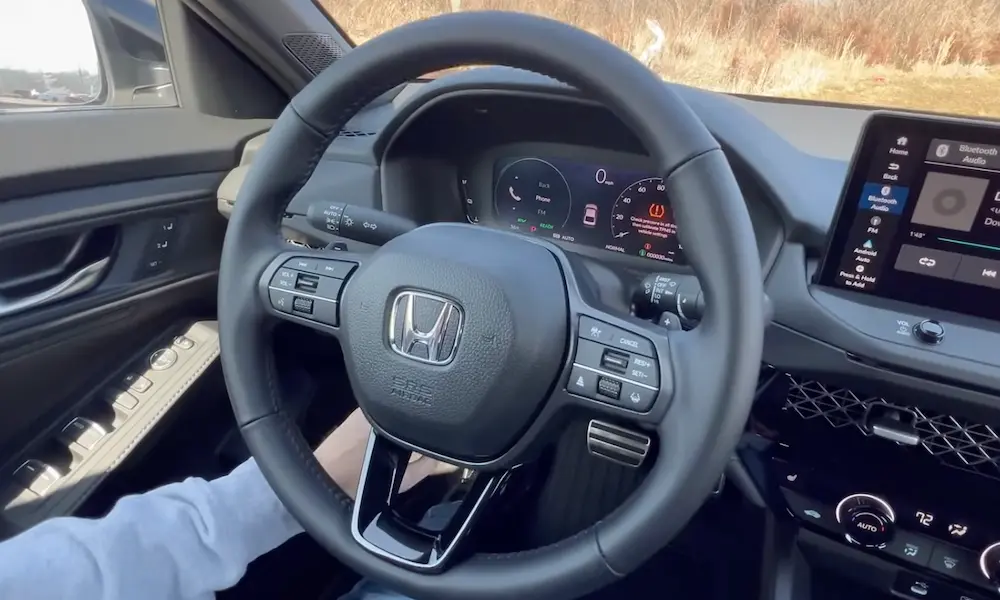
Your CR-V’s oil life appears as a percentage on your dashboard, starting at 100% with fresh oil and counting down until service is required. When it approaches 15%, it’s time to schedule maintenance. At 0%, service is overdue.
This intelligent approach means you’re servicing your vehicle based on its actual needs rather than arbitrary intervals, potentially saving you money while ensuring optimal performance.
Basic Honda CR-V Maintenance Tasks
Every Honda CR-V requires regular maintenance to keep running smoothly. Here are the essential services your vehicle needs:
Oil and Filter Changes
Oil changes form the backbone of your CR-V’s maintenance routine. For most CR-V models, Honda recommends oil changes every 7,500-10,000 miles under normal driving conditions. However, many technicians suggest more frequent changes (every 5,000-6,000 miles) for maximum engine protection.
CR-V Hybrid models may have extended oil change intervals as the engine runs less frequently than conventional models. The Maintenance Minder takes this into account when calculating service needs.
Tire Rotations and Inspections
Regular tire rotations ensure even wear across all four tires, extending their life and maintaining optimal handling. Honda typically recommends tire rotations every 7,500 miles, which conveniently coincides with oil change intervals for most drivers.
During rotations, technicians will also:
- Check tire pressure and tread depth
- Look for signs of uneven wear
- Inspect for damage or foreign objects
- Ensure proper alignment
Brake System Maintenance
Your CR-V’s braking system requires regular inspection to maintain safety. Technicians will check:
- Brake pad thickness
- Rotor condition
- Brake fluid level and quality
- Brake line integrity
Most brake pads need replacement every 30,000-50,000 miles, though this varies significantly based on driving habits and conditions.
CR-V Service Schedule by Mileage
The Honda CR-V maintenance schedule follows a structured approach with services occurring at specific intervals. Here’s what to expect:
7,500-Mile Service (Maintenance A)
This basic service includes:
- Oil and filter change
- Tire rotation
- Brake inspection
- Fluid level checks
- Multi-point inspection
15,000-Mile Service (Maintenance B)
At 15,000-mile intervals, your CR-V needs more comprehensive service:
- All basic service items
- Brake fluid check and top-off
- Cabin air filter replacement
- Engine air filter inspection
- Transmission fluid inspection
- Drive belt inspection
30,000-Mile Major Service
Every 30,000 miles, your CR-V undergoes extensive maintenance:
- All previous service items
- Engine air filter replacement
- Fuel filter replacement (if applicable)
- Transmission fluid change (for some models)
- Brake fluid replacement
- Coolant level check
- Exhaust system inspection
- Suspension component inspection
60,000-Mile Comprehensive Service
This major milestone service includes:
- All previous items
- Spark plug replacement
- Timing belt inspection/replacement (if applicable)
- Valve adjustment check
- Cooling system service
- Drive belt replacement if needed
- Comprehensive inspection of all major systems
The Honda Service Pass Program
Honda offers complimentary maintenance coverage for new vehicles through the Honda Service Pass program. This program covers:
- 2024 models: 2 years or 24,000 miles of coverage
- 2025 models: 1 year or 12,000 miles of coverage
The program includes factory-scheduled maintenance as determined by the Maintenance Minder system, covering:
- Oil changes
- Tire rotations
- Multi-point inspections
- Fluid top-offs
This coverage helps reduce maintenance costs during the initial ownership period, making the CR-V even more economical to own.
Maintenance Costs for Honda CR-V
Honda CR-Vs are known for reasonable maintenance costs compared to other SUVs. Understanding typical expenses helps you plan your vehicle budget effectively.
Average Annual Maintenance Expenses
The average annual maintenance cost for a Honda CR-V is approximately $400-500, significantly below the industry average for SUVs. These costs typically include:
| Service Type | Average Cost |
|---|---|
| Oil Change | $50-90 |
| Tire Rotation | $20-50 |
| Air Filter | $30-70 |
| Brake Pad Replacement | $150-300 per axle |
| Major Service (30k) | $300-500 |
Long-Term Ownership Costs
The total 10-year maintenance cost for a Honda CR-V averages around $7,665, which is $543 below the industry average for popular SUV models. CR-V owners can expect a 21.74% probability of requiring a major repair during the first 10 years, which is 2.85% better than similar vehicles.
These lower-than-average costs contribute to the CR-V’s strong value proposition and explain its popularity among budget-conscious SUV buyers.
Genuine Honda Parts vs. Aftermarket Options
When servicing your CR-V, you’ll face choices between genuine Honda parts and aftermarket alternatives. This decision affects both performance and cost.
Benefits of Genuine Honda Parts
Honda strongly recommends using Genuine Honda Parts for several compelling reasons:
- Perfect fit and compatibility with your specific CR-V model
- Warranty protection – Honda warranties typically only cover failures related to genuine parts
- Quality assurance – manufactured to Honda’s exact specifications
- Reliability – undergo rigorous testing to meet Honda’s standards
Cost Considerations
Contrary to popular belief, genuine Honda parts are often competitively priced compared to aftermarket alternatives. Honda’s global manufacturing scale and standardization across models helps keep costs reasonable.
While aftermarket parts may seem cheaper initially, they may:
- Require more frequent replacement
- Cause issues with other components
- Void warranty coverage
- Result in higher long-term costs
For critical systems like brakes, ignition, and engine components, genuine parts typically offer the best value despite sometimes higher upfront costs.
Honda CR-V Warranty Coverage
Understanding your warranty coverage helps you maximize protection and plan for future maintenance expenses.
New Vehicle Limited Warranty
New Honda CR-Vs come with comprehensive warranty protection:
- Basic Coverage: 3 years or 36,000 miles
- Powertrain Coverage: 5 years or 60,000 miles
- Rust Perforation: 5 years with unlimited miles
- Accessory Coverage: 3 years or 36,000 miles when installed at time of purchase
Honda Care Extended Warranty
For additional peace of mind, Honda offers the Honda Care Extended Warranty, which can extend coverage up to 8 years or 120,000 miles. This coverage includes:
- Mechanical breakdowns
- Roadside assistance
- Trip interruption benefits
- Rental car reimbursement
Extended warranty costs vary based on your CR-V’s model year, current mileage, and desired coverage length, but typically range from $1,000-2,500.
Essential Maintenance Tips for CR-V Owners
These practical tips will help you maintain your CR-V’s condition between scheduled service visits:
Regular Checks Between Services
Perform these quick checks monthly:
- Check tire pressure when tires are cold
- Inspect tires for unusual wear patterns
- Monitor fluid levels (oil, coolant, windshield washer)
- Test all exterior lights
- Listen for unusual noises during startup and driving
Seasonal Maintenance Considerations
Adjust your maintenance approach based on seasonal changes:
- Winter: Check battery strength, tire tread, and antifreeze levels
- Summer: Ensure cooling system is functioning properly
- Spring/Fall: Check wiper blades and replace if necessary
Record-Keeping Best Practices
Maintain detailed service records to:
- Preserve warranty coverage
- Enhance resale value
- Track maintenance history
- Identify potential recurring issues
Keep all receipts and documentation whether you service at a dealer or independent shop.
The Maintenance Minder System in Detail
The Honda Maintenance Minder system simplifies maintenance by showing exactly what your CR-V needs through specific codes.
Main Code Meanings
The system displays either code A or B when service is due:
- Maintenance A: Oil change and tire rotation
- Maintenance B: More comprehensive service including oil change, fluid inspections, and additional checks
Sub-Code Explanation
In addition to the main codes, you may see sub-codes (1-7) that indicate specific services:
- 1: Tire rotation
- 2: Air filter, cabin filter, and dust filter replacement
- 3: Transmission fluid and transfer case fluid replacement
- 4: Valve clearance inspection, spark plug, timing belt, and water pump replacement
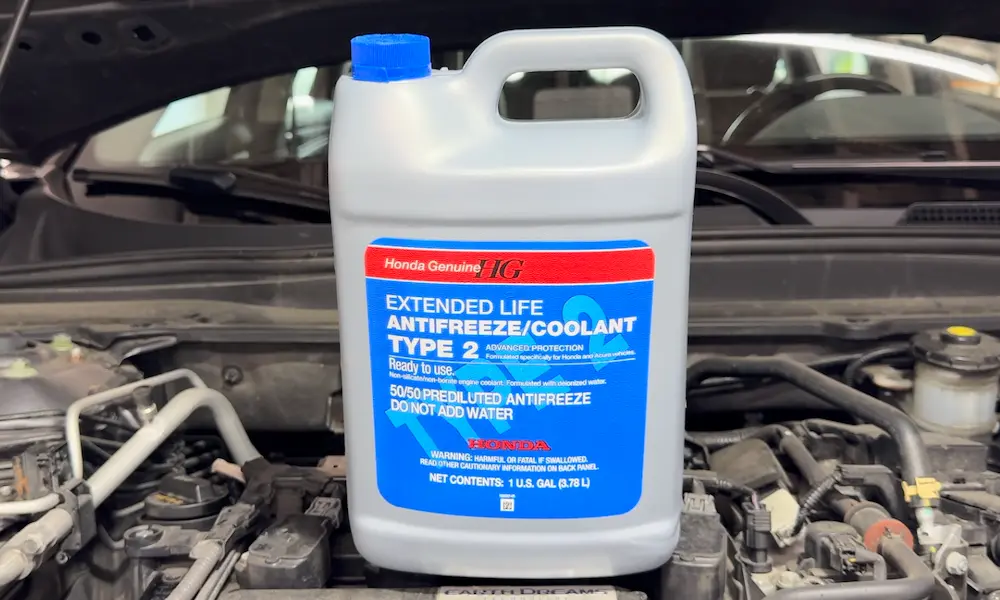
- 5: Engine coolant replacement
- 6: Rear differential fluid replacement
- 7: Brake fluid replacement
These codes appear based on your vehicle’s actual condition rather than predetermined intervals, ensuring you’re servicing components only when needed.
Honda CR-V Hybrid Maintenance Considerations
CR-V Hybrid models require some specialized maintenance considerations compared to conventional models.
Key Differences in Hybrid Maintenance
The CR-V Hybrid has several unique maintenance needs:
- The hybrid battery cooling system requires inspection
- The braking system includes regenerative brakes that need proper evaluation
- The high-voltage system should only be serviced by qualified technicians
- Oil change intervals may be extended due to less frequent engine operation
Specialized Service Needs
Hybrid-specific components require specialized attention:
- High-voltage battery health checks
- Inverter coolant level inspection
- Inspection of the electric drive system
- Battery cooling system maintenance
Always choose a service center experienced with Honda hybrid vehicles, preferably a Honda dealership with factory-trained technicians.
Maintenance for Different CR-V Generations
Different CR-V generations have specific maintenance requirements based on their design and technology.
Fourth Generation (2012-2016)
These models feature:
- 2.4L 4-cylinder engine requiring 0W-20 oil
- First CR-Vs with direct injection requiring special fuel system maintenance
- Transmission that benefits from fluid changes every 30,000 miles
Fifth Generation (2017-2022)
These models introduced:
- 1.5L turbocharged engine option with specific oil requirements
- CVT transmission with unique service needs
- Earth Dreams technology requiring proper maintenance to prevent oil dilution issues
Sixth Generation (2023-Present)
The latest CR-V models feature:
- Improved hybrid system in hybrid models
- Updated 1.5L turbocharged engine
- More advanced electronics requiring specialized diagnostics
- Updated transmission designs with specific fluid requirements
Optimizing Your CR-V’s Longevity
With proper maintenance, your Honda CR-V can easily exceed 200,000 miles. Here are strategies to maximize its lifespan:
Long-Term Ownership Strategies
These practices help extend your CR-V’s life:
- Follow the Maintenance Minder system religiously
- Address small issues before they become major problems
- Use genuine Honda parts for critical components
- Avoid extended idling when possible
- Allow proper warm-up in cold weather
Driving Habits That Extend Vehicle Life
How you drive significantly impacts your CR-V’s longevity:
- Avoid aggressive acceleration and braking
- Maintain steady speeds on highways
- Allow the engine to reach operating temperature before demanding performance
- Avoid driving through deep water or over severe obstacles
- Keep speeds moderate to reduce strain on components
With appropriate care and driving habits, your CR-V can provide reliable transportation for many years with minimal unexpected repair costs.
Preparing for High-Mileage Ownership
As your CR-V approaches higher mileage, anticipate these maintenance needs:
100,000+ Mile Maintenance Focus
Around 100,000 miles, pay special attention to:
- Timing belt replacement (for models with timing belts)
- Complete coolant system flush
- Transmission fluid replacement
- Fuel system cleaning
- Suspension component inspection
150,000+ Mile Service Considerations
At this milestone, consider:
- Engine mount inspection and possible replacement
- Power steering system service
- Comprehensive brake system overhaul
- Suspension bushing replacement
- Alternator and starter testing
Investing in these services at appropriate intervals can prevent more expensive repairs and extend your CR-V’s usable life significantly.
Honda’s CR-V remains one of the most reliable compact SUVs on the market, but maintaining this reliability requires following the manufacturer’s recommended service schedule. By understanding your vehicle’s maintenance needs and addressing them promptly, you’ll enjoy years of trouble-free driving and maximize your investment.