That rhythmic ticking from your engine isn’t something to ignore until payday. It’s your engine sending an SOS. So if you’re wondering how long you can drive with bad lifters, the honest answer might save you thousands. Read to the end — the failure stages alone are worth it.
The Short Answer: Not Very Far
Driving with a bad valve lifter is genuinely risky. The automotive community is blunt about this: keep it to the absolute minimum distance needed to reach a shop or a safe parking spot.
That means under 10 miles, at low speeds, with zero aggressive acceleration.
Every extra mile you push it multiplies the damage exponentially. What starts as a $300 lifter swap can spiral into a $7,000 engine replacement faster than you’d expect. Here’s exactly why.
What a Hydraulic Lifter Actually Does
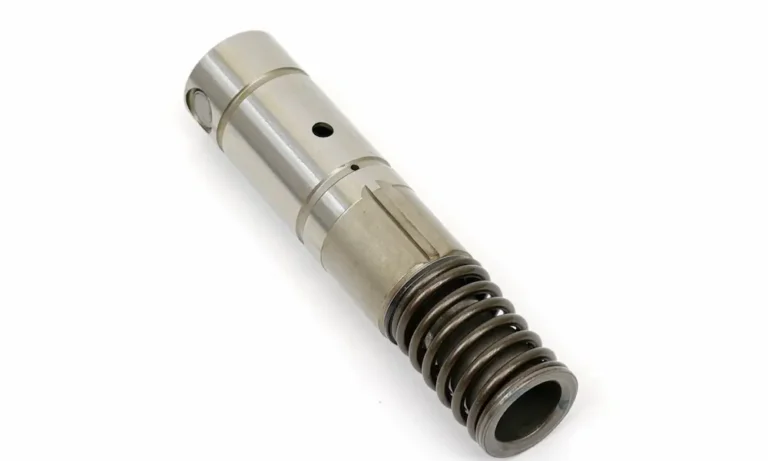
Before diving into failure modes, here’s a quick rundown. A hydraulic valve lifter sits between the camshaft and the valvetrain. Its job is to maintain zero clearance — a pressurized cushion that keeps everything moving smoothly as your engine heats up and metal components expand.
It works like this:
- Pressurized oil fills a tiny cavity inside the lifter body
- A one-way check valve locks that oil in place
- The lifter becomes a solid hydraulic unit, transferring camshaft motion directly to the valves
- Between cycles, fresh oil refills the cavity automatically
When this system breaks down, you lose that zero clearance. Metal starts hammering metal with every camshaft rotation. At highway speeds, that’s thousands of destructive impacts per minute.
The 4 Stages of Lifter Failure
Lifter failure follows a clear progression. Catching it early is the difference between a manageable repair and a catastrophic rebuild.
| Stage | Sound | What’s Happening | Action |
|---|---|---|---|
| Stage 1 | Light ticking at cold start only | Lifter slow to pump up; dissipates once warm | Change your oil immediately; schedule inspection |
| Stage 2 | Constant ticking at all temperatures | Lifter permanently losing hydraulic lock | Stop aggressive driving; get a diagnosis soon |
| Stage 3 | Loud tapping + Check Engine Light | Active misfire; valve not opening fully | Stop driving; arrange a tow |
| Stage 4 | Heavy knocking + violent shaking | Bent pushrods, metal debris in oil, potential engine seizure | Immediate shutdown; full rebuild likely required |
Stage 1: The Warning You Shouldn’t Ignore
You hear a light tick on startup. It goes away after a minute. Most people ignore this completely.
Don’t.
This is a lifter struggling to refill after sitting overnight with internal wear or sludge buildup. Performance feels totally normal, which makes it easy to dismiss. But that faint tap is your cheapest opportunity to fix this problem.
Stage 2: The Clock Starts Ticking (Literally)
The tick is now constant. It follows your engine RPM — faster when you rev it, present at every temperature. The lifter can’t maintain a reliable hydraulic lock anymore.
You might not feel a power loss yet, but your camshaft lobe is already taking punishment. Every rotation is a direct metal-on-metal impact. Stop driving hard and get it to a shop.
Stage 3: Your Engine Is Misfiring
This is where your Check Engine Light fires up. A fully collapsed lifter can’t open the valve properly, and the cylinder stops combusting correctly.
Your car’s computer detects the rotational variation and logs a P0300–P0308 misfire code. You’ll feel rough idling, hesitation under throttle, and a noticeable power drop. Camshaft damage at this stage isn’t just likely — it’s almost guaranteed.
Don’t drive it. Call a tow truck.
Stage 4: The Point of No Return
Pushrods bend or eject entirely. Metallic debris floods the oil system and acts as grinding compound on your bearings and cylinder walls. The result is multiple fault codes, limp mode activation, and potential engine seizure.
This is no longer a lifter problem. It’s a full engine rebuild conversation.
Why Your Engine Makes That Ticking Sound
A bad lifter creates a gap in the valvetrain. Instead of smooth hydraulic motion, the cam lobe hammers the lifter base repeatedly. That physical impact is the tick you hear.
Three main causes trigger this breakdown:
Oil sludge and contamination — Degraded oil deposits varnish inside the lifter body, blocking the tiny check valve. The valve sticks open and the lifter collapses instead of locking.
Oil starvation — Low oil levels, a failing pump, or aerated oil prevents the cavity from filling. No oil volume means no hydraulic lock.
Roller bearing failure — Modern lifters use a small roller with internal needle bearings to contact the cam. When those bearings seize, the roller drags across the camshaft and destroys both surfaces rapidly.
Is That Noise Actually a Lifter? How to Tell
A lifter tick sounds similar to other engine problems. Misdiagnosing it wastes money. Here’s how to tell them apart:
| Noise Type | Sound Character | Behavior | Likely Cause |
|---|---|---|---|
| Lifter Tick | Rapid metallic clicking, upper engine | Half engine speed; unchanged by cylinder cut-off | Collapsed hydraulic lifter |
| Rod Knock | Deep, heavy thud, lower engine | Full engine speed; quiets when cylinder disabled | Failed connecting rod bearing |
| Exhaust Leak | Sharp ticking near manifold | Loudest cold; fades as engine warms | Cracked manifold or broken bolt |
| Piston Slap | Hollow knock from mid-block | Cold start only; disappears when warm | Excessive piston-to-wall clearance |
| Injector Pulse | Uniform high-pitched clicking | Normal; increases evenly with RPM | Electronic fuel injector actuation |
The Cylinder Isolation Test
Here’s a simple way to confirm a lifter tick versus a rod knock: disable one cylinder using a diagnostic tool.
- Lifter tick → sound stays exactly the same
- Rod knock → sound dramatically reduces or stops
The camshaft keeps spinning regardless of combustion. So cutting a cylinder doesn’t affect valvetrain noise. A rod knock, however, relies on combustion pressure loading the failed bearing — remove that pressure and the knock backs off.
A mechanical stethoscope with a metal probe also helps isolate the source. Touch it to the valve cover versus the lower block to confirm where the impact originates.
Which Engines Fail Most Often
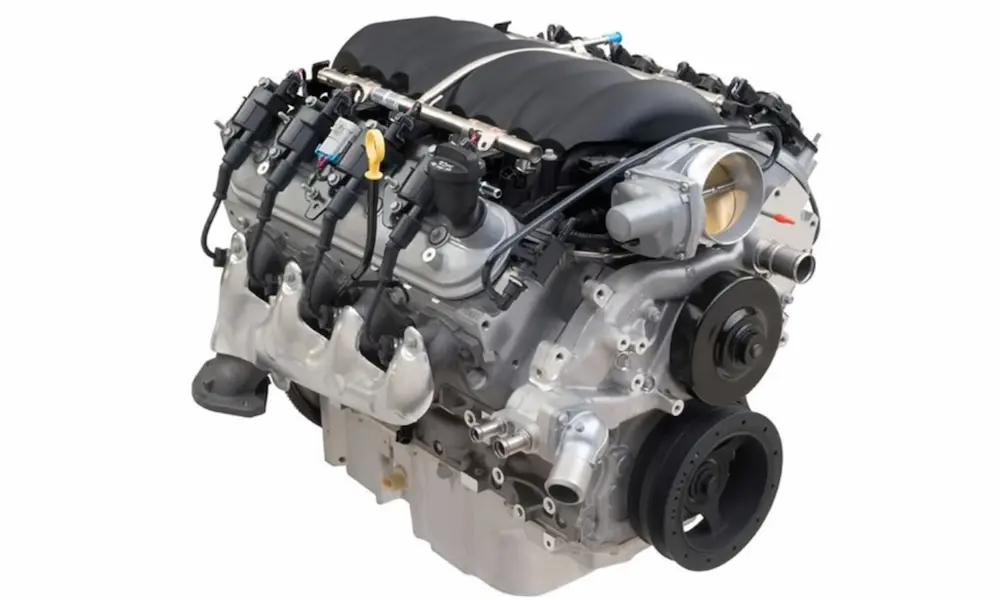
GM 5.3L and 6.2L: AFM/DFM Lifters
If you drive a Silverado, Sierra, Tahoe, or Suburban, pay attention. GM’s Active Fuel Management system deactivates cylinders at highway speed to save fuel. It does this by cycling tiny locking pins inside specialized lifters thousands of times per commute.
Those pins fatigue and shear. Dynamic Fuel Management in newer L84 and L87 engines applies this same mechanism to all 16 lifters, with failures reported as early as 50,000 miles.
Signs specific to GM AFM failure:
- Rough idle that feels like a stutter at traffic lights
- Stabilitrak warning light appearing alongside the Check Engine Light
- Severe hesitation under acceleration
When the AFM system keeps cylinders deactivated too long, carbon builds up heavily on valves in those cylinders. Even after the mechanical repair, those cylinders may still misfire until the heads come off for cleaning.
Chrysler 5.7L and 6.4L Hemi: MDS Tick
Ram trucks, Dodge Chargers, Challengers, and Jeep Grand Cherokees with the Hemi V8 carry a well-known vulnerability. The MDS roller lifters contain tiny needle bearings that fracture and seize, dragging across the camshaft and carving it apart.
Failures cluster heavily between 80,000 and 150,000 miles, though poor maintenance habits move that number forward.
One critical note: Chrysler requires 5W-20 oil specifically. Running thicker oil in a Hemi starves the MDS solenoids of flow and actually accelerates failure.
Ford 5.4L 3-Valve: The Pressure Problem
Ford’s 5.4L Triton in older F-150s and Expeditions uses overhead cam lash adjusters rather than traditional lifters. The passenger-side head sits at the end of the oil circuit and naturally sees lower pressure — sometimes only 10 PSI at warm idle.
When timing chain tensioners blow their seals, pressure drops further. Lash adjusters on that side collapse, the roller cam followers eject from under the camshaft, and metal-to-metal destruction begins. A proper fix means a complete timing system overhaul — not just follower replacement.
GM 2.5L and 2.7L Turbocharged: Factory Debris
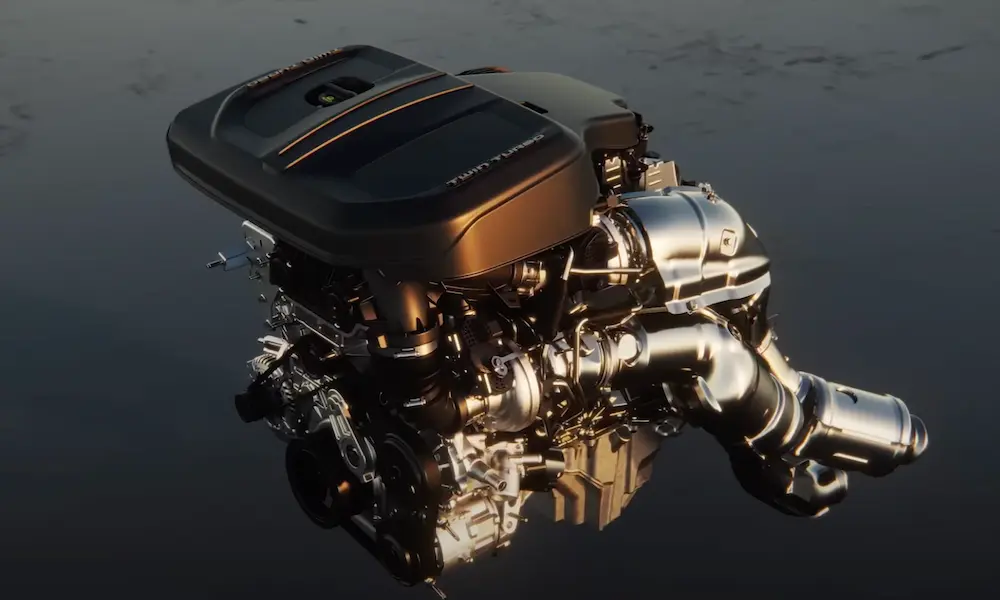
Even brand-new trucks aren’t immune. GM issued technical service bulletin PIP6101 for 2025 and 2026 Colorados, Silverados, Traverses, Canyons, Acadias, and Sierra 1500s with 2.5L and 2.7L turbocharged engines. The culprit? Manufacturing debris trapped inside the hydraulic lash adjusters straight from the factory.
What This Actually Costs
The reason lifter repairs are so expensive isn’t the parts — it’s the labor. Getting to the lifters means removing the intake manifold and, often, the cylinder heads.
Here’s a realistic cost breakdown:
- Single lifter replacement (simple engine): $300–$800
- Full lifter set replacement: $1,500+
- GM/Chrysler AFM/MDS full overhaul (new cam + all lifters): $2,500–$4,500
- Engine rebuild after extended driving with bad lifters: $5,000–$8,000+
The Delete Option for GM and Chrysler Owners
Two paths exist for owners tired of the cylinder deactivation reliability risk:
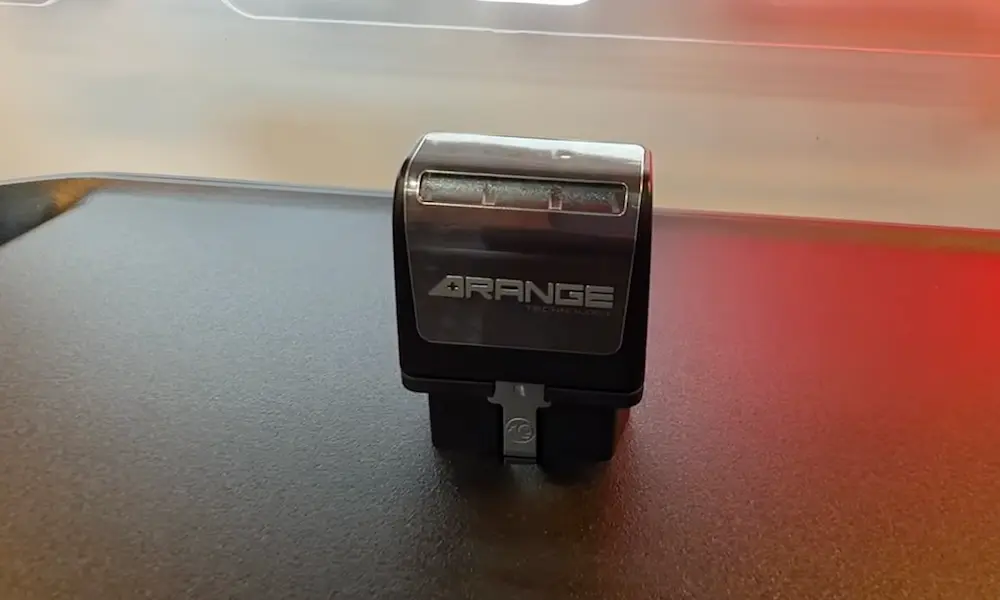
Electronic disabler — Plugs into your OBD-II port and prevents the computer from ever activating the deactivation system. This stops the locking pins from cycling and works as pure prevention. Cost: a few hundred dollars. Limitation: does nothing if your lifters already failed.
Mechanical delete — All deactivation lifters come out. Standard non-collapsing lifters go in, along with a compatible camshaft and solid block-off plates replacing the lifter oil manifold. The ECU gets a custom tune to eliminate deactivation logic entirely. Cost: $4,500–$6,000+. This permanently removes the primary failure mode from the equation.
How to Keep Lifters Alive Longer
Most lifter failures aren’t inevitable — they’re accelerated by neglect. Here’s what actually helps:
- Change your oil every 5,000 miles on any engine with cylinder deactivation. Don’t push manufacturer extended intervals. Degraded oil forms sludge that blocks lifter galleries.
- Use the exact viscosity specified for your engine. Thicker isn’t safer — it restricts flow to components engineered for thinner oil.
- Run a quality oil filter with high particle capture. Microscopic metal and carbon debris in the oil acts as grinding compound on roller needle bearings.
- Minimize long idle sessions. Prolonged idling drops oil pressure and flow to the top of the heads. Fleet trucks and work vehicles with high idle hours see early failures for exactly this reason.
Frequently Asked Questions
Can bad lifters trigger a Check Engine Light?
Yes. When a collapsed lifter prevents a valve from opening fully, the cylinder misfires. The powertrain control module detects the crankshaft hesitation and stores P0300-series codes. You’ll likely see P0301 through P0308 depending on which cylinder is affected.
Will thicker oil or additives fix a ticking lifter?
No — not permanently. Cleaning additives might dissolve mild varnish and restore a lifter stuck in early fluidic failure. But they can’t rebuild sheared metal, replace fractured needle bearings, or restore a worn camshaft lobe. They may temporarily quiet the noise while damage continues underneath.
Is it safe to drive to a shop with a ticking engine?
Only if the distance is under 10 miles, you drive conservatively at low RPM, and there’s no flashing Check Engine Light or oil pressure warning. A flashing CEL means a catalyst-damaging misfire is actively occurring. At that point, tow it — don’t drive it.
Why do AFM and MDS engines fail more often than standard engines?
Standard lifters are simple hydraulic cylinders. Deactivation lifters contain locking pins and return springs that cycle hundreds of times per commute. That constant mechanical cycling causes metal fatigue. The system also depends on precise oil flow to tiny passages — any sludge buildup disrupts the timing of pin engagement.
If one lifter fails, do I need to replace all of them?
Yes, and every experienced mechanic will tell you the same thing. The other lifters lived through the same mileage, heat cycles, and oil conditions as the one that failed. Statistically, they’re close behind. Since getting to lifters requires removing the cylinder heads anyway, replacing everything in one visit saves you from paying that massive labor bill twice.