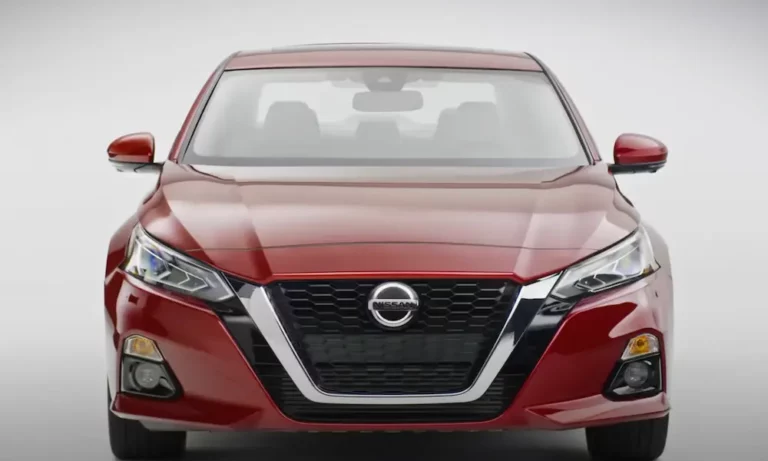
Wondering if a Nissan Altima can go the distance? You’re looking at 200,000 to 300,000 miles with proper care—that’s 13 to 20 years for most drivers. But here’s the thing: not all Altimas are created equal, and knowing which years to buy (or avoid) makes all the difference.
What’s the Average Lifespan of a Nissan Altima?
A well-maintained Nissan Altima typically lasts 200,000 to 300,000 miles. That translates to roughly 13 to 20 years if you’re putting on the average 15,000 miles annually.
Real-world examples back this up. Plenty of owners report their Altimas cruising past 250,000 miles, with some even breaking the 300,000-mile barrier. These aren’t unicorns—they’re vehicles that received consistent maintenance and gentle treatment.
The Altima earns a solid 4.0 out of 5.0 reliability score from RepairPal, landing it 11th out of 24 midsize sedans. J.D. Power gave the 2022 model a “Great” rating with an 84 out of 100 score. Annual maintenance averages $483—significantly cheaper than the industry average of $891.
Here’s what sets high-mileage Altimas apart from those that die young: maintenance schedules, driving habits, and pure luck with model year selection.
What Makes or Breaks Your Altima’s Longevity
Regular Maintenance: Your Best Insurance Policy
Skipping oil changes is like playing Russian roulette with your engine. Change your oil every 5,000 to 7,500 miles using the correct viscosity. It’s simple, cheap, and prevents catastrophic engine damage.
But here’s where many owners mess up: CVT transmission fluid. Nissan calls it “lifetime fluid,” which actually means 100,000 miles, not forever. Change it every 30,000 to 60,000 miles, and always use genuine Nissan fluid—not the cheap aftermarket stuff.
Other essential services include:
- Tire rotations every 7,500 miles
- Brake system flushes every 20,000 to 30,000 miles
- Coolant flushes every 60,000 miles
- Spark plugs every 105,000 miles
The 10-year maintenance cost averages about $6,037, with a 16.97% chance you’ll need a major repair by year ten. Not terrible, but it shows why staying ahead of small problems matters.
How You Drive Matters More Than You Think
Aggressive driving kills cars faster than anything else. Hard acceleration, sudden braking, and excessive idling stress your engine, transmission, and brakes unnecessarily.
Drive smoothly. Accelerate gradually. Brake gently. Your Altima will thank you with years of extra service.
Many taxi and delivery drivers choose Altimas specifically for their durability under demanding conditions. But even these pros know that careful driving extends vehicle life significantly.
Avoid these CVT killers:
- Towing heavy loads (the Altima isn’t built for it)
- Sustained high-speed driving in extreme heat
- Constant stop-and-go traffic without maintenance adjustments
Where You Drive Changes Everything
Rough roads with potholes accelerate wear on suspension components, alignment, and undercarriage. If you’re dodging craters daily, expect more frequent repairs.
Winter drivers face additional challenges. Road salt causes corrosion that can compromise your frame if you don’t regularly wash your vehicle’s underside. Some Altimas from colder states were subject to service campaigns addressing rust issues caused by salt exposure.
Extreme temperatures—hot or cold—strain batteries, cooling systems, and tires. Seasonal maintenance becomes crucial in harsh climates.
Not All Model Years Are Created Equal
This is huge: certain Altima model years are significantly more reliable than others.
The introduction of CVT technology in 2007 marked a turning point. Early CVT models (2007-2016) experienced higher failure rates than their predecessors with traditional automatic transmissions. Nissan improved CVT durability from 2017 onward, with 2019 and newer models showing the best reliability.
Some specific years require serious caution:
The 2002 Altima landed on CarComplaints.com’s “Avoid Like the Plague” list for excessive oil consumption, catalytic converter failures, and engine problems.
The 2009 Altima racked up over 2,000 complaints, mostly for steering wheel lock issues that could disable driver control—a terrifying safety defect.
The 2013 model represents perhaps the worst year in Altima history, garnering more than 3,000 NHTSA complaints and becoming the subject of a class-action lawsuit over faulty CVT transmissions.
The CVT Transmission Problem You Need to Know About
Let’s talk about the elephant in the room: the Continuously Variable Transmission.
Starting in 2007, Nissan equipped Altimas with CVT technology designed for better fuel efficiency. Unfortunately, many early units failed prematurely—sometimes before hitting 100,000 miles.
Warning Signs Your CVT Is Failing
Watch for these symptoms:
- Shuddering or jerking during acceleration
- Whining or humming noises
- Slipping or hesitation when accelerating
- Difficulty climbing hills
- Complete failure to move in Drive or Reverse
- Check engine light with codes P1F70 or P1F71
Some owners report transmission overheating that triggers “limp mode,” where the vehicle limits performance to prevent further damage.
Which Years Had the Worst CVT Issues?
The 2007-2012 fourth generation and 2013-2018 fifth generation models faced the highest CVT failure rates. Nissan extended warranties on certain 2007-2010 models to 10 years or 120,000 miles and faced class-action lawsuits covering 2013-2016 and 2017-2018 model years.
Even 2019 and newer models receive some CVT complaints, though at much lower rates.
CVT replacement costs exceed $3,000 to $4,000—a brutal expense for out-of-warranty vehicles.
How to Protect Your CVT
Regular fluid changes are your best defense. Despite Nissan’s “lifetime fluid” designation, change CVT fluid every 30,000 to 60,000 miles using genuine Nissan fluid only.
Drive gently. Avoid sudden acceleration, heavy loads, and sustained high speeds in extreme temperatures. These behaviors stress the CVT beyond its design limits.
If you catch early symptoms like slight shuddering or whining, address them immediately. Early intervention can sometimes prevent complete failure.
Engine Problems Across Different Generations
CVT issues grab headlines, but engines have their own problems depending on model year.
The Oil Consumption Nightmare (2002-2006)
Third-generation models, particularly the 2002 year, suffered from excessive oil consumption caused by poor piston ring design. Oil bypassed cylinders, often going unnoticed until the engine overheated or failed entirely, requiring costly full engine replacement.
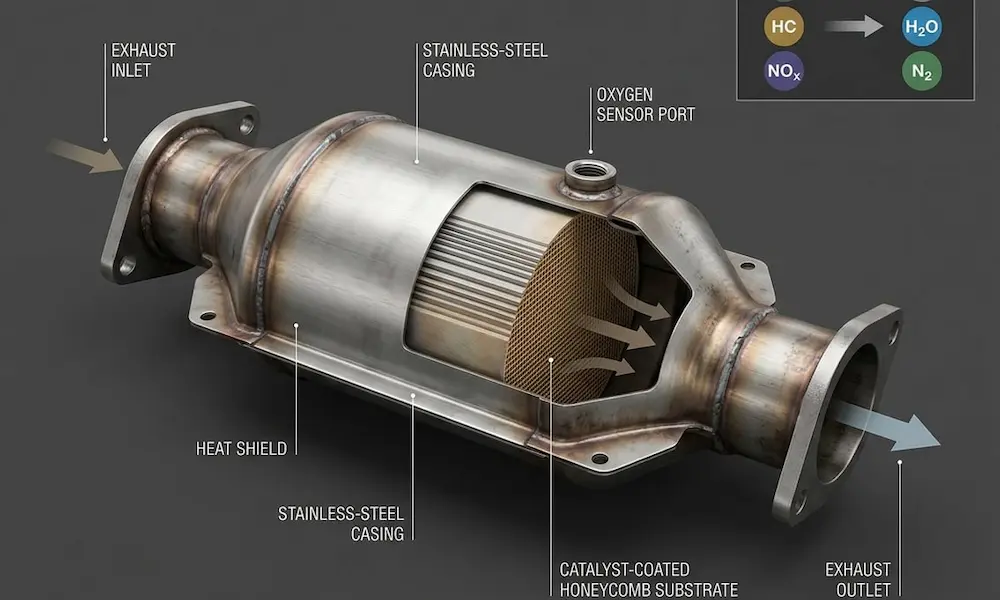
Catalytic converter failures plagued 2002 and 2005 models. Many owners reported their Altimas consuming oil excessively and emitting blue smoke from the exhaust—clear indicators of internal engine problems.
V6 Engine Seal Failures
The 3.5L V6 engine shows susceptibility to failed engine seals, specifically the O-rings sealing the oil cooler. When these seals fail, oil leakage causes low oil pressure, engine noise, and check engine light illumination with a P0011 code.
Sensor Failures That Cause Stalling
Camshaft and crankshaft position sensor failures affected Altima models from 1993 through 2017. These failing sensors can cause the engine to stall while driving—a dangerous situation—or prevent the vehicle from starting at all.
Nissan issued recalls for this problem, though recall coverage is VIN-specific. Not all affected vehicles qualify for free repairs.
Electrical Issues and Safety Concerns
Electrical problems range from minor annoyances to serious safety hazards depending on model year.
Power and Lock System Failures
Power window failures and intermittent starting problems appear across multiple generations. The 2019-2020 models faced significant complaints about electrical door lock systems. Many owners couldn’t lock doors using the key fob, with some reporting that passenger and rear doors won’t lock electronically or manually.
Airbag Malfunctions (2013-2015)
Airbag problems emerged as a critical safety issue for fifth-generation models. The 2014 and 2015 Altimas required four separate recalls to address airbag problems—a troubling pattern that raises serious safety concerns.
Dangerous Latch and Hood Issues
The 2015 Altima had a particularly dangerous defect where the rear passenger door could unlatch and open without warning when the window was lowered—a hazard that prompted NHTSA attention.
Hood latch corrosion affected 2013-era models, allowing the hood to pop open while driving, creating obvious visibility and safety hazards.
Other Problems Worth Knowing
Fuel Pump Failures
Fuel pump failures leading to fuel starvation consistently affected model years 2001-2015, causing vehicles to stall or fail to start. The pump itself is relatively inexpensive, but labor pushes total replacement costs to $770 to $1,160.
Suspension and Frame Rust
Suspension components wear prematurely on some models. Altimas in regions using road salt were subject to service campaigns addressing rusted frames that compromised structural integrity.
The 2005 model became notorious for rusted floor pans that could develop basketball-sized holes under floor mats—an extremely dangerous defect.
Recent Model Issues
Acceleration problems affected models as recent as 2017, typically at speeds of 55 mph or above. Common culprits include the mass airflow sensor, oxygen sensor, and fuel filter.
The 2019-2020 Altimas gained a reputation for extremely brittle windshields that crack or shatter from minimal pressure. Some owners reported complete failure from simply trying to remove bugs.
Nissan Altima Years to Absolutely Avoid
Based on reliability data and owner complaints, steer clear of these model years:
| Model Year | Major Issues | NHTSA Complaints | Typical Repair Costs |
|---|---|---|---|
| 2002 | Oil consumption, catalytic converter, rust | 1,000+ | $3,000+ |
| 2005 | Rusted floor pans, oil consumption | 1,000+ | $1,000+ |
| 2009 | Steering lock, transmission overheating | 2,000+ | $1,000+ |
| 2013 | CVT failure, airbag malfunctions | 3,000+ | $3,000+ |
| 2014 | CVT failure, airbag issues | High | $1,000-$3,000 |
The 2013 Nissan Altima represents the worst year in the vehicle’s history. With over 3,000 NHTSA complaints, it suffered from faulty CVT transmissions that forced drivers to pull over and restart the vehicle. Out-of-warranty repairs exceeded $3,000.
Airbag malfunctions required four separate recalls, while powertrain issues demanded additional attention. The 2013-2016 models became the subject of a class-action lawsuit specifically addressing CVT failures.
Best Nissan Altima Years to Buy
Fortunately, plenty of Altima model years offer excellent reliability:
2010-2012: The Sweet Spot
These fourth-generation models represent the best combination of reliability, value, and availability for used car buyers. They benefited from CVT refinements and demonstrate solid overall performance with fewer reported issues than surrounding years.
Many automotive experts specifically recommend this range as the most reliable used Altima option.
2015-2018: Improved Fifth Generation
Later fifth-generation models (excluding 2013-2014) show improved CVT reliability and generally good performance. Nissan addressed many issues by 2015, making these years solid choices for buyers seeking modern features and safety technology.
2019-2024: Most Reliable Recent Models
Sixth-generation Altimas represent the most reliable recent models, with enhanced CVT durability, comprehensive modern safety features, and improved build quality.
Models from 2017 onward show marked improvements in transmission reliability. The 2019 and newer vehicles demonstrate the best overall dependability, benefiting from years of CVT refinement and engineering improvements.
1993-1997: The Reliability Champion
First-generation Altimas deserve honorable mention as the most reliable generation overall. They featured fewer electronic systems, no CVT complications, and generally superior build quality.
With only 30 complaints listed on CarComplaints.com—the lowest of any generation—these older models prove that simpler engineering often translates to better long-term reliability.
What It Actually Costs to Maintain an Altima
Understanding maintenance expenses helps you budget appropriately and avoid surprises.
Annual and Long-Term Costs
Annual maintenance expenses average $483 to $600—substantially lower than the industry average of $891. Over the first ten years, total maintenance and repair costs typically reach approximately $6,037.
The probability of requiring a major repair starts at just 1.68% in year one and climbs to 16.97% by year ten. The first five years typically cost $1,931 for maintenance and repairs—$614 less than the industry average for popular sedan models.
Common Service Costs
Here’s what you’ll pay for typical maintenance:
| Service | Cost Range | Frequency |
|---|---|---|
| Oil change | $50-$80 | 5,000-7,500 miles |
| Tire rotation | $15-$40 | 7,500 miles |
| Brake pads | $150-$300 | 50,000 miles |
| CVT fluid change | $200-$337 | 30,000-60,000 miles |
| Coolant flush | $169-$297 | 60,000 miles |
| Spark plugs | $356-$464 | 105,000 miles |
| Brake fluid flush | $59-$160 | 20,000-30,000 miles |
The CVT Maintenance You Can’t Skip
Given the CVT’s reputation as the Altima’s most vulnerable component, proper transmission maintenance becomes absolutely critical.
Nissan recommends servicing the CVT every 40,000 to 50,000 miles, though conservative intervals of 30,000 miles provide better protection. Always use genuine Nissan transmission fluid—aftermarket alternatives don’t cut it.
Many transmission failures occur because owners treat CVT fluid as truly “lifetime,” a designation manufacturers use to mean 100,000 miles rather than forever. Regular transmission fluid changes represent relatively inexpensive preventive maintenance compared to the $3,000 to $4,000 cost of CVT replacement.
How the Altima Stacks Up Against Competitors
Comparing the Altima against its primary rivals provides valuable context for prospective buyers.
Altima vs. Honda Accord
The Honda Accord represents one of the Altima’s strongest competitors and generally enjoys a slightly better reputation for longevity. Both vehicles can achieve 250,000 to 300,000 miles with proper maintenance.
The Accord benefits from not using CVT technology in most of its lineup—Honda employs traditional automatic transmissions or dual-clutch systems that have proven more reliable. The Accord receives a higher reliability score from RepairPal at 4.5 out of 5.0 compared to the Altima’s 4.0.
Annual maintenance costs run about the same, with the Accord at $460 to $500 versus the Altima’s $483. However, multiple automotive forums consistently recommend the Accord over the Altima specifically due to Nissan’s CVT reliability concerns.
The Accord typically commands higher resale values and used car prices due to its superior reliability reputation. You’ll pay a premium upfront but potentially enjoy lower repair costs and longer service life.
Altima vs. Toyota Camry
The Toyota Camry stands as another formidable competitor with longevity credentials matching or exceeding the Altima. Camrys routinely achieve 250,000 to 300,000 miles and boast a RepairPal reliability score of 4.5 out of 5.0.
Annual maintenance costs for the Camry average $440 to $475—slightly lower than the Altima’s $483, though the difference is minimal.
Toyota’s traditional automatic transmissions have proven exceptionally durable, avoiding the CVT reliability concerns that plague Nissan products. The Camry typically maintains stronger resale value and commands premium pricing in the used market due to its stellar reputation.
Like the Accord, the Camry requires a higher upfront investment but potentially delivers superior long-term value through lower repair costs and extended service life.
Beating the Competition
The Nissan Altima demonstrates clear superiority over some competitors. The Chevrolet Malibu averages only 150,000 to 200,000 miles—significantly less than the Altima’s 200,000 to 300,000-mile potential. The Altima also boasts lower average annual maintenance costs at $483 compared to the Malibu’s $532.
Similarly, the Kia Optima averages around 200,000 miles, with the Altima capable of outlasting it by approximately 100,000 miles.
Among midsize sedans, the Altima occupies a middle position—more reliable and longer-lasting than American and Korean competitors but generally falling short of Honda and Toyota’s exceptional standards.
Smart Strategies to Maximize Your Altima’s Life
Achieving maximum lifespan requires a combination of proper maintenance, careful driving, and prompt attention to emerging problems.
Stick to the Schedule
Adhering religiously to Nissan’s recommended maintenance schedule represents your single best investment. Regular oil changes keep the engine properly lubricated and prevent catastrophic internal damage.
Consider synthetic oil for better protection under extreme conditions. It costs more upfront but provides superior lubrication and extended drain intervals.
CVT transmission fluid changes deserve special attention for 2007 and newer models. Changing CVT fluid every 30,000 to 60,000 miles significantly reduces the risk of premature transmission failure.
Tire rotations every 7,500 miles promote even wear and extend tire life while maintaining proper handling. Regular brake system inspections and fluid flushes every 20,000 to 30,000 miles ensure reliable stopping power and prevent corrosion within brake lines.
Drive Like You Want It to Last
Adopting gentle driving practices dramatically reduces wear on mechanical components and extends service life.
Smooth acceleration rather than aggressive takeoffs reduces stress on the engine, transmission, and drivetrain. Gradual braking instead of sudden stops minimizes brake wear and reduces stress on suspension components.
Avoid excessive idling, particularly during warm-up periods. Allowing the engine to warm up for just 30 to 60 seconds before driving gently provides adequate lubrication without wasting fuel.
Operating within recommended load capacities and avoiding situations that stress the CVT—such as towing heavy trailers or sustained highway speeds in extreme heat—can prevent premature transmission failure.
Address Problems Immediately
Never ignore dashboard warning lights, particularly the check engine light or transmission warning indicators. Having these warnings diagnosed promptly often reveals minor issues that can be inexpensively corrected before causing serious damage.
Unusual noises, vibrations, or changes in vehicle behavior warrant immediate professional inspection. Early detection of CVT problems—such as slight shuddering or whining—may allow repairs or fluid changes that prevent complete transmission failure.
Keep detailed maintenance records. They help identify patterns and ensure you don’t miss scheduled services. When it comes time to sell, those records significantly boost resale value.
Choose Your Mechanic Wisely
Regular inspections by qualified technicians familiar with Nissan vehicles help identify potential problems during routine maintenance visits.
While dealer service costs more than independent mechanics, their specialized CVT knowledge and access to genuine parts can prove invaluable for transmission-related services. For routine maintenance like oil changes and tire rotations, independent shops offer excellent value.
Building a relationship with a trusted mechanic—whether at a dealership or independent shop—ensures consistent, quality care for your Altima throughout its lifespan.
The Bottom Line on Altima Longevity
A Nissan Altima can deliver 200,000 to 300,000 miles of reliable service when properly maintained, making it a viable option for buyers seeking affordable, long-term transportation. Its below-average maintenance costs and strong reliability ratings demonstrate the vehicle’s fundamental soundness as a midsize sedan.
But here’s the reality: you need to approach Altima purchases with awareness of the vehicle’s known weaknesses, particularly CVT transmission reliability in 2007-2018 models.
Avoid problematic model years like 2002, 2005, 2009, 2013, and 2014. Target proven reliable years such as 2010-2012 or 2019-2024. This single decision dramatically improves ownership satisfaction and reduces repair expenses.
The CVT requires special attention through regular fluid changes and gentle driving habits. Don’t skip this maintenance—it’s the difference between a 200,000-mile car and a 100,000-mile transmission replacement bill.
While the Altima falls slightly short of the exceptional longevity demonstrated by the Honda Accord and Toyota Camry, it outperforms American and Korean competitors while offering attractive initial purchase prices.
For budget-conscious buyers willing to maintain their vehicles diligently and accept some transmission risk (particularly in pre-2019 models), the Altima represents excellent value. But if you’re prioritizing absolute maximum longevity and minimal repair risk, seriously consider spending the premium for an Accord or Camry.
Focus on models from 2010-2012 or 2019-2024, maintain the CVT religiously, and address problems promptly. Your Altima could easily reach 250,000+ miles with proper care. Just don’t expect it to be as bulletproof as a Camry—and you’ll be fine.