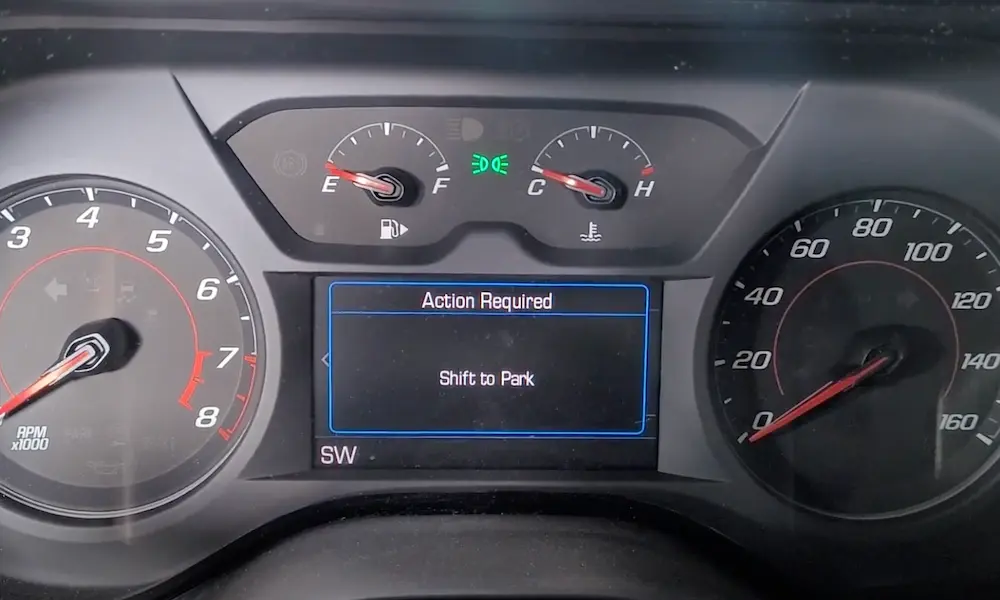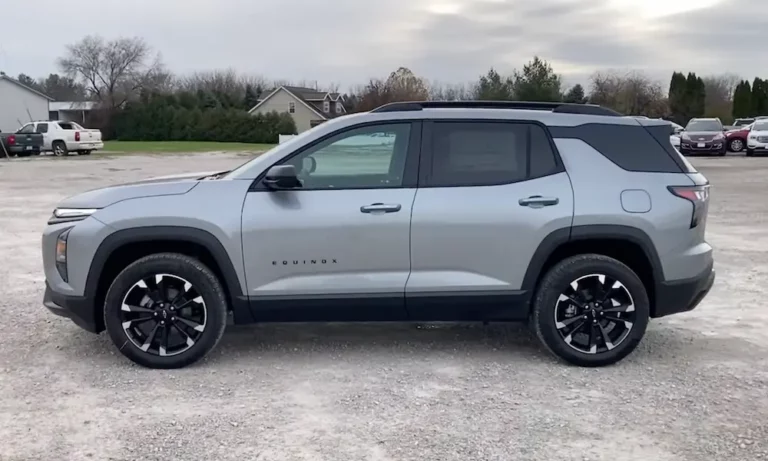
When your Chevy Equinox flashes that dreaded “Engine Power Reduced” warning, it’s like getting punched in the gut while driving. Suddenly, your vehicle struggles to accelerate past 30-40% of normal power, leaving you limping along the highway while traffic zooms past. It’s not just annoying—it’s potentially dangerous.
I’ve researched this frustrating issue extensively, and found it affects Equinox models across multiple generations. The good news? Understanding what triggers this warning can help you address the problem quickly and potentially avoid costly repairs. Let’s dive into what’s happening when your Equinox goes into “limp mode” and what you can do about it.
What Does “Engine Power Reduced” Actually Mean?
When your Equinox displays this warning, it’s not a random glitch. It’s actually a safety mechanism intentionally activated by your vehicle’s Electronic Control Module (ECM). Think of it as your car’s self-preservation instinct kicking in.
Your ECM constantly monitors dozens of sensors throughout the engine. When it detects readings outside normal parameters, it restricts power output to prevent catastrophic engine damage. This protective feature is frustrating when it activates, but it’s designed to save you from much more expensive repairs down the road.
In practical terms, you’ll notice:
- Dramatic reduction in acceleration
- Limited top speed (often under 45 mph)
- Rough idle or stalling
- Illuminated check engine light
- Possible activation of Stabilitrak warnings
Which Equinox Models Are Most Affected?
This issue isn’t limited to a single model year—it spans nearly all modern Equinox generations. However, some model years show significantly higher incident rates:
| Model Years | Engine Type | Incident Rate | Common Issues |
|---|---|---|---|
| 2018-2022 | 1.5L Turbo I4 (LYX) | Very High | CAC tube separation, throttle body issues |
| 2011-2017 | 2.4L I4 | High | Throttle body, VVT solenoid failures |
| 2023-2025 | 1.5L Turbo I4 | Moderate | Continuing CAC tube issues |
General Motors has acknowledged these problems through multiple Technical Service Bulletins, including bulletin 22-NA-224 specifically addressing the 2018-2022 models. The persistence across model years suggests these aren’t isolated incidents but rather systematic design issues.
Top Causes of Engine Power Reduced Warnings
1. Throttle Body Failures (35% of Cases)
The throttle body is the most common culprit behind these warnings. This component controls airflow into your engine, and when it fails, your Equinox can’t properly regulate power output.
The main issue? Carbon buildup. Over time, combustion byproducts create a stubborn layer of carbon deposits on the throttle plate and housing. This is especially problematic in direct injection engines like those in modern Equinox models, as they’re more prone to carbon accumulation than older port injection designs.
Signs of throttle body problems include:
- Rough idling or stalling
- Hesitation when accelerating
- Unpredictable engine performance
- Diagnostic codes P0121, P0122, or P2135
A thorough throttle body cleaning can often resolve these issues temporarily. For severe cases, complete replacement may be necessary, with costs ranging from $400-800 including labor.
2. Variable Valve Timing (VVT) Solenoid Failures (25% of Cases)
The VVT solenoids control oil pressure to the camshaft actuators, allowing your engine to optimize valve timing for different driving conditions. When these solenoids fail, your engine loses efficiency and performance.
The root cause usually traces back to poor oil maintenance. Dirty or degraded engine oil can clog the tiny passages within these solenoids, preventing proper operation. The protective screens that keep debris out of the solenoids can also become blocked, starving them of oil pressure.
You’ll typically see diagnostic codes P0011, P0013, P0010, or P0012 when VVT solenoids fail. Replacement costs around $100-200 per solenoid, plus labor. Most Equinox models require replacing both intake and exhaust solenoids when problems occur.
3. Fuel System Problems (20% of Cases)
Fuel system issues have become increasingly common in recent model years, particularly with the high-pressure fuel pump (HPFP) in 2018-2022 models with the 1.5L turbocharged engine.
These failures typically trigger diagnostic code P0087 (Fuel Rail/System Pressure Too Low). When the fuel pump can’t maintain proper pressure, your engine can’t perform correctly. These failures can happen suddenly, leaving you stranded when the engine stalls and refuses to restart.
The problem is serious enough that General Motors faces multiple class-action lawsuits regarding fuel pump failures. Some owners report needing multiple pump replacements within relatively short periods. Replacement costs range from $1,200-2,000, making this one of the most expensive repairs related to the Engine Power Reduced warning.
4. Charge Air Cooler (CAC) Issues in 2018-2022 Models
A significant Technical Service Bulletin (TSB 22-NA-224) identifies a specific problem affecting 2018-2022 Chevrolet Equinox models with the 1.5L engine. The issue involves the Charge Air Cooler outlet tube separating from the throttle body, causing immediate loss of power.
This separation typically occurs during high-boost conditions when the turbocharger is working hard. The sudden disconnection creates a massive air leak that prevents the engine from maintaining proper air-fuel ratios. You might see multiple error codes simultaneously: P0101, P0172, P0299, P0506, and P1101.
The repair requires replacing the CAC outlet tube, retainer clips, and potentially the throttle body if damage has occurred. Labor time ranges from 30 minutes to an hour depending on the extent of damage.
5. Sensor Malfunctions and Electrical Issues (15% of Cases)
Various sensors throughout the engine management system can trigger Engine Power Reduced warnings when they fail or provide incorrect readings. The Mass Air Flow (MAF) sensor, throttle position sensor, and oxygen sensors are common culprits.
Electrical system problems, while less common, create intermittent issues that can be challenging to diagnose. Poor connections, corroded wiring harnesses, and battery voltage problems can all contribute to these warnings. Modern Equinox electrical systems are complex—even minor issues can cascade into major performance problems.
How to Diagnose the Problem
Professional Diagnostic Approach
Proper diagnosis requires systematic use of professional OBD-II diagnostic equipment. The generic nature of the “Engine Power Reduced” message means multiple underlying problems can trigger the same warning.
The diagnostic process typically begins with retrieving stored trouble codes from the ECM. These codes provide specific information about which systems are experiencing problems. However, codes alone don’t always identify the root cause, particularly when multiple systems are affected simultaneously.
Advanced diagnostic procedures may include:
- Fuel pressure testing
- Throttle body inspection
- Electrical circuit testing
- Computer system analysis
Professional repair facilities use specialized equipment capable of monitoring real-time engine parameters during test drives. This comprehensive approach ensures accurate diagnosis and prevents unnecessary part replacement.
DIY Troubleshooting Steps
While professional diagnosis provides the most reliable results, you can perform several basic checks yourself:
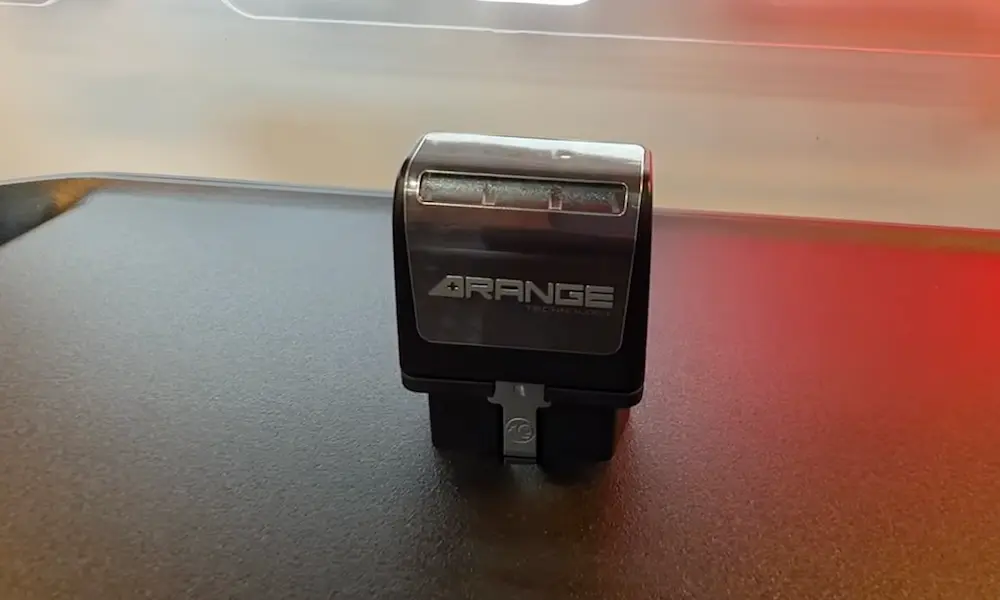
- Use an OBD-II code reader (available for under $50) to retrieve diagnostic trouble codes
- Visually inspect the engine bay for disconnected hoses or damaged electrical connections
- Look specifically for the charge air cooler connection issue—often visible and sometimes fixable by reconnecting the separated hose
- Check battery connections and condition (weak batteries can cause electrical system issues)
- Inspect for oil leaks or low oil level (critical for VVT system operation)
Exercise caution when attempting repairs yourself. Modern engine management systems are sensitive to improper procedures. Incorrect cleaning methods or careless handling of electrical connections can create additional problems.
Preventive Maintenance to Avoid Problems
Proactive Maintenance Schedule
Preventing Engine Power Reduced warnings requires more than basic oil changes. Follow this enhanced maintenance schedule:
- Throttle Body Cleaning: Every 30,000-50,000 miles to prevent carbon buildup
- Oil Changes: Every 3,000-5,000 miles using high-quality oil and filters
- Fuel System Treatment: Every 10,000 miles to keep fuel injectors and pumps clean
- Fuel Quality: Use top-tier gasoline with proper detergent packages
- Air Filter Replacement: Every 15,000-20,000 miles to ensure proper airflow
These preventive measures cost significantly less than emergency repairs. Regular maintenance is particularly important for the VVT system, which depends entirely on clean oil to function properly.
Recognizing Early Warning Signs
Don’t wait for the Engine Power Reduced warning to appear. Watch for these early symptoms:
- Subtle changes in idle quality
- Slight hesitation during acceleration
- Occasional rough running
- Brief check engine light illumination
Addressing these early symptoms through preventive maintenance can prevent more serious problems. Never ignore dashboard warning lights, even if vehicle performance seems normal. The check engine light often illuminates before Engine Power Reduced warnings appear, providing early notification of developing problems.
Repair Costs and Economic Impact
Cost Breakdown by Problem Type
Repair costs vary significantly based on the underlying cause:
| Problem | Repair Type | Cost Range | DIY Difficulty |
|---|---|---|---|
| Throttle Body | Cleaning | $150-300 | Moderate |
| Throttle Body | Replacement | $400-800 | Difficult |
| VVT Solenoids | Replacement | $200-400 | Moderate |
| Fuel Pump | Replacement | $1,200-2,000 | Very Difficult |
| CAC Tube | Replacement | $300-500 | Moderate |
| Electrical | Diagnosis/Repair | $200-1,000+ | Very Difficult |
These costs don’t include initial diagnostic fees, which typically range from $95-175. This initial investment is crucial for avoiding unnecessary part replacement and ensuring proper repair procedures.
Warranty Considerations
General Motors provides limited warranty coverage for Engine Power Reduced issues, but coverage varies by model year, mileage, and specific component failures:
- Powertrain warranty typically extends to 5 years or 60,000 miles
- Major components like fuel pumps and engine control modules are usually covered
- Maintenance-related issues like throttle body carbon buildup often fall outside warranty coverage
Multiple class-action lawsuits have been filed against GM regarding these issues, particularly focusing on fuel pump failures. These legal actions seek compensation for repair costs, vehicle replacement, and recognition of systematic defects requiring comprehensive solutions.
Real Solutions for Equinox Owners
If you’re already experiencing Engine Power Reduced warnings, here’s what to do:
- Get Proper Diagnosis: Don’t guess at the problem. Professional diagnosis using proper equipment ensures accurate identification of root causes.
- Address Related Issues: Many Engine Power Reduced problems stem from multiple contributing factors. Make sure your repair approach addresses all related systems.
- Use Quality Parts: Aftermarket parts vary widely in quality. OEM or high-quality aftermarket components provide the best reliability.
- Consider Long-Term Costs: If you’re facing expensive repairs on an older Equinox, weigh repair costs against vehicle value. Sometimes replacement makes more economic sense than repeated repairs.
- Document Everything: Keep detailed records of all repairs, especially if you’re experiencing recurring issues. This documentation is essential if you need to pursue warranty coverage or lemon law claims.
The Future of Equinox Reliability
Despite generational changes, the 2023-2025 Chevrolet Equinox continues to experience Engine Power Reduced issues. GM bulletin PIP5927B specifically addresses problems in these newer models, citing similar charge air system problems as earlier generations.
Recent owner reports indicate that even brand-new models experience these failures within the first few thousand miles of ownership. The problems appear related to the same charge air inlet pipe issues that plagued earlier models, suggesting that fundamental design challenges persist.
For current Equinox owners, proactive maintenance provides the best defense against costly repairs. When Engine Power Reduced warnings do occur, professional diagnosis using proper equipment ensures accurate identification of root causes and prevents unnecessary part replacement.
If you’re considering purchasing a Chevrolet Equinox, research the specific model year carefully and factor potential repair costs into your ownership calculations. While many issues can be resolved through proper maintenance and timely repairs, the frequency and cost of these problems represent significant ownership challenges that merit serious consideration.