Ever wondered if Toyo tires are worth your money? You’re about to get the full picture on this Japanese tire manufacturer that’s been in the game since 1945. With their tires adorning everything from daily drivers to off-road beasts, Toyo has carved out a reputation that sits right between premium brands and budget options. Let’s dive into what makes these tires tick, where they excel, and where you might want to consider alternatives.
What Makes Toyo Tires Stand Out in the Market?
Toyo occupies a sweet spot in the tire industry as a mid-tier manufacturer that delivers respectable performance without the premium price tag. Established in Japan and expanding to the US in 1966, they’ve built a particularly strong following among off-road enthusiasts and value-conscious shoppers.
Their popularity exploded in the 1990s with the introduction of the Proxes tire family, which became a favorite among performance car enthusiasts. This visibility got an additional boost when their tires appeared in “The Fast and the Furious” films, cementing their reputation in car culture.
Today, Toyo produces tires in facilities across Japan, the United States, China, and several other countries, with their Georgia plant serving as their North American manufacturing hub.
Toyo’s All-Terrain Dominance: The Open Country Series
If there’s one area where Toyo truly shines, it’s in the all-terrain category with their Open Country line. These tires have developed a cult-like following among truck and SUV owners for good reason.
The flagship Open Country A/T III delivers impressive performance both on and off the pavement. With aggressive tread patterns and durable construction, these tires handle everything from highway cruising to muddy trails with confidence.
Real-world testing backs this up. One Rivian R1T owner reported achieving 2.17 miles/kWh efficiency over 600 miles with the Open Country A/T III, matching the efficiency of the original equipment tires while providing significantly better off-road capability. The owner noted “dramatically improved traction over soft dirt” and “enhanced confidence in off-road conditions.”
However, it’s worth noting that some users have reported concerns about wet traction degradation after significant mileage. A Toyota 4Runner owner documented that after 45,000 miles, their AT IIIs showed severely reduced wet weather performance, highlighting the importance of monitoring tire condition as they age.
Performance Tires: The Proxes Lineup
For sports car enthusiasts and performance-oriented drivers, Toyo’s Proxes series delivers impressive grip and handling capabilities. The Proxes Sport serves as Toyo’s flagship ultra-high performance summer tire, featuring:
- Advanced silica compound for enhanced wet and dry traction
- Dynamic taper design for improved cornering stability
- Proprietary Nano Balance Technology for optimal wear characteristics
Customer feedback on these tires has been overwhelmingly positive. One owner described them as “the best freaking tires I have ever owned” with “tread life triple compared to tires used in the past.” Professional testing confirms excellent dry performance with competent wet-weather capabilities.
For those seeking year-round performance, the Proxes Sport A/S extends this performance philosophy to all-season capability. Testing on a 2007 Audi S6 V10 revealed excellent wet handling (9/10 rating) and good comfort characteristics (9/10 rating), though fuel efficiency rated lower (6/10) due to the performance-oriented compound.
All-Weather Excellence: The Celsius Line
One of Toyo’s most innovative offerings is the Celsius line of all-weather tires. Unlike typical all-season tires that often struggle in genuine winter conditions, the Celsius and Celsius II earn the important three-peak mountain snowflake (3PMSF) certification, confirming legitimate winter performance.
According to Tire Rack’s testing, these tires stop up to 14 feet shorter on snow and 8 feet shorter on ice than typical all-season tires while still offering 60,000-mile treadwear warranties.
The secret to their versatility lies in the variable sipe density technology:
- Higher sipe density on the inside tread for ice and snow traction
- Lower density on the outside for wet and dry road performance
Real-world feedback confirms these capabilities. One Utah driver noted: “Before having Toyo Celsius tires, I used all-season tires. It was great during the summer but extremely difficult to drive during the winter. The car was sliding everywhere. From now on, I will use Toyo Celsius.”
How Do Toyo Tires Perform in Different Conditions?
Dry Performance
Toyo tires generally deliver solid performance in dry conditions across their product lineup. The Proxes Sport line particularly excels here, with excellent grip and responsive handling that satisfies even enthusiastic drivers.
The Open Country series maintains good on-road manners despite their off-road focus. One reviewer noted they provide “fantastic on-road stability” with “very minimal road noise” compared to other all-terrain options.
Wet Performance
Wet performance varies significantly across Toyo’s different models. The Celsius line and Proxes Sport series offer strong wet traction through specialized silica compounds and advanced sipe technology.
However, some models show limitations in wet conditions. The original Celsius had documented wet traction issues that were addressed in the Celsius II. Additionally, aging all-terrain tires like the Open Country A/T III may experience degraded wet performance over time, particularly after 40,000+ miles of use.
Winter Performance
Winter capability represents one of Toyo’s strongest competitive advantages, particularly in the Celsius line. These tires consistently demonstrate superior snow traction compared to standard all-season tires, making them an excellent choice for drivers seeking year-round capability without seasonal tire changes.
Many users report that the Celsius II “performed better on snow and ice than dedicated snow tires,” which is remarkable for an all-weather tire that maintains good performance in warmer conditions.
Off-Road Performance
The Open Country series has established Toyo as a go-to brand for off-road enthusiasts who need tires that can handle trails on the weekend and commuting during the week. These tires excel in:
- Rock crawling with durable sidewall construction
- Mud traction through self-cleaning tread designs
- Sand performance with broad contact patches
- Overall durability in punishing conditions
Durability and Tread Life: How Long Do Toyo Tires Last?
Toyo’s durability performance shows mixed results depending on the specific tire model and application. Premium lines like the Open Country A/T III offer up to 65,000-mile warranties, while performance-oriented tires like the Proxes Sport provide 25,000-mile coverage.
Long-term testing reveals some variability. One detailed review of the Open Country A/T III showed disappointing wear rates, with tires reaching replacement threshold at 43,000 miles despite good initial performance. The reviewer noted: “This is the first time in like 12 years that I’ve had to put new tires on a truck this early.”
Conversely, some users report excellent longevity. Proxes Sport owners have documented tread life significantly exceeding expectations, with some reporting “tread life triple compared to tires used in the past.”
The following table summarizes typical tread life expectations for major Toyo tire lines:
| Tire Line | Warranty Mileage | Real-World Average | Best For |
|---|---|---|---|
| Open Country A/T III | 65,000 miles | 45,000-60,000 miles | All-terrain use |
| Celsius II | 60,000 miles | 50,000-65,000 miles | All-weather performance |
| Proxes Sport | 25,000 miles | 20,000-40,000 miles | High-performance driving |
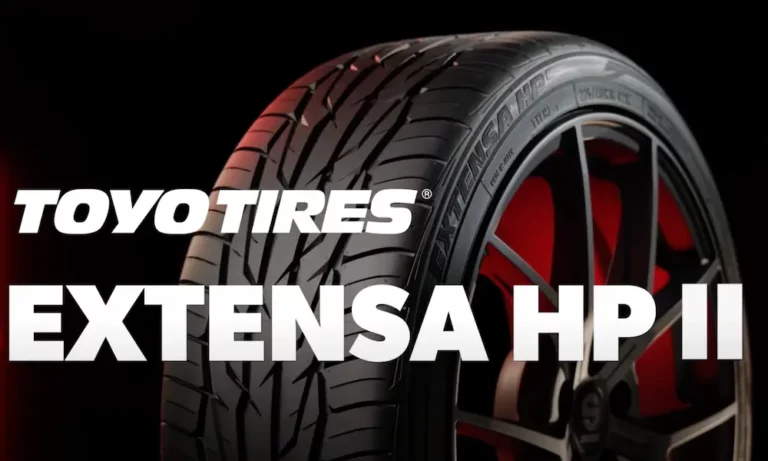
| Extensa A/S II | 75,000 miles | 60,000-70,000 miles | Daily commuting |
Warranty and Support: What Coverage Do You Get?
Toyo provides comprehensive warranty coverage across its tire lines, though terms vary significantly by product category. Standard passenger tires receive up to 5-year coverage from purchase date for manufacturing defects, with specific mileage warranties ranging from 25,000 miles for performance tires to 75,000 miles for touring models.
The warranty structure includes:
- Free replacement for tires with less than 25% tread wear within warranty period
- Pro-rated replacement for tires with 25-50% wear
- 500-mile trial offer on select premium models
It’s worth noting that Toyo conducted a voluntary safety recall in November 2023 affecting limited quantities of several tire models including the Open Country A/T III. The recall addressed potential manufacturing defects where tires may have been “cured into the wrong mold,” according to the National Highway Traffic Safety Administration. While this demonstrates Toyo’s commitment to safety, it also highlights some quality control challenges.
Pricing and Value: Are Toyo Tires Worth the Money?
Toyo’s pricing strategy positions the brand as a value-oriented alternative to premium manufacturers while offering significantly better performance than budget brands. Entry-level models like the Extensa A/S II start around $88 per tire, while premium performance and specialty off-road tires can exceed $250 per tire in common sizes.
The brand’s value proposition is particularly strong in the truck and SUV segments, where Toyo offers competitive alternatives to more expensive options from Michelin and Bridgestone. For example, the Open Country A/T III provides comparable off-road performance at significantly lower cost than premium competitors.
When evaluating overall value, Toyo offers excellent cost-to-performance ratios in specific categories, particularly all-terrain and all-weather applications. However, premium tire buyers seeking maximum performance and longevity may find better long-term value in Michelin or Continental products despite higher upfront costs.
How Do Toyo Tires Compare to Premium Brands?
Comparing Toyo to Michelin, Bridgestone, and Continental reveals several key differences:
- Michelin typically offers superior tread life, advanced tire technology, and premium performance, but at significantly higher prices
- Bridgestone provides excellent overall performance and an extensive product range with strong OEM relationships
- Continental excels in wet weather performance and winter capability with industry-leading technology
Toyo’s advantages include competitive pricing, strong off-road performance, and good all-weather capability. However, it generally trails premium brands in overall refinement, maximum performance, and advanced tire technology.
Industry professionals generally classify Toyo as offering “quality products with pricing and availability challenges.” One tire professional noted: “I have sold thousands of Toyos and owned a few sets. I think for the money, there are better options out there,” reflecting the brand’s position as competent but not exceptional in the professional market.
What Do Customers Say About Toyo Tires?
Toyo receives consistently positive reviews from customers across multiple tire categories. Common praise points include:
- Excellent value for money across most product lines
- Superior off-road performance in all-terrain applications
- Outstanding winter capability in all-weather models
- Quiet operation and comfort in highway applications
- Reliable performance across diverse driving conditions
One Open Country A/T III owner summarized: “I’ve driven up dry rocks, wet rocks, mud, snow, slush and they’re fantastic! Treadwear is even and ride quality is great. Very minimal road noise.”
Customer feedback also highlights several consistent concerns:
- Wet traction degradation over time, particularly in all-terrain models
- Faster than expected wear rates on some tire lines
- Limited availability compared to major competitors
- Inconsistent quality control as evidenced by recent recalls
- Lower perceived prestige compared to premium brands
When Are Toyo Tires the Right Choice?
Toyo tires excel in specific applications and represent excellent choices for:
- Off-road enthusiasts seeking reliable all-terrain performance without premium pricing
- Winter drivers needing true all-weather capability with Celsius series tires
- Value-conscious consumers balancing performance and cost in the Open Country and Extensa lines
- Performance car owners seeking summer tire capability with Proxes Sport models
- Commercial applications where Toyo’s competitive pricing provides fleet advantages
However, you might want to consider premium alternatives when:
- Maximum wet weather performance is critical for safety
- Extended tread life outweighs upfront cost considerations
- Premium brand prestige is important
- Latest tire technology features are required
- Extreme performance applications demand absolute maximum capability
The Bottom Line on Toyo Tires
Toyo Tires delivers solid performance and excellent value across most of its product range, making it a compelling choice for cost-conscious consumers who refuse to compromise on basic safety and performance. The brand particularly excels in off-road applications, winter weather performance, and overall value proposition.
However, buyers should be aware of potential wet weather limitations in some models and variable long-term durability depending on specific applications. Regular tire condition monitoring becomes particularly important with aging Toyo tires, especially in wet weather conditions.
For consumers seeking reliable, value-oriented tire solutions with good all-around capability, Toyo represents an excellent middle-ground option that delivers solid performance without premium pricing. While not reaching the absolute pinnacle of tire technology offered by premium brands, Toyo provides dependable performance that satisfies the majority of driving needs at competitive prices.