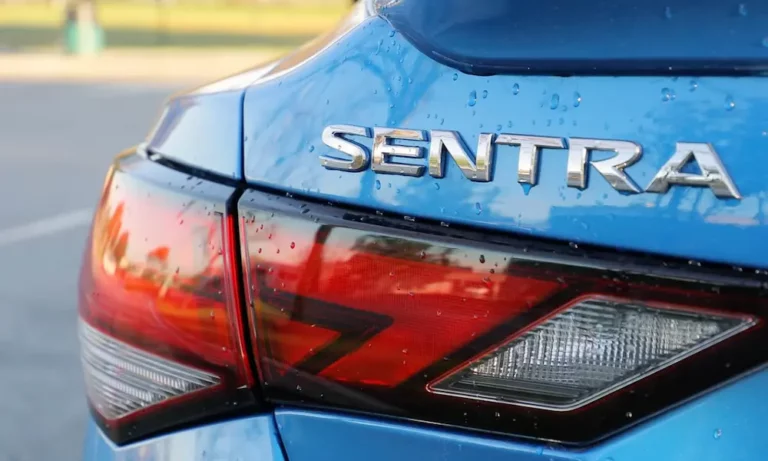
Thinking about buying a Nissan Sentra? You’re probably wondering if it’ll still be running strong years from now. Here’s what you need to know: with proper care, Sentras can hit 200,000 to 300,000 miles—but that lifespan depends heavily on which model year you choose and how you maintain it.
The Model Year Makes or Breaks Longevity
Not all Sentras are created equal. The difference between a reliable model and a money pit often comes down to one thing: the transmission.
2000-2006: The Golden Era
The fifth-generation Sentra might look dated, but it’s got something going for it—a traditional automatic transmission. These models typically reach 150,000 miles without major drama. The 2006 model stands out as particularly reliable, representing the last year before Nissan introduced its problematic CVT.
But don’t rush out to buy any 2000-2006 Sentra just yet. The 2004 and 2005 models had serious engine issues—specifically blown head gaskets around 77,000 miles. That repair runs $1,500 to $2,000, which isn’t pocket change.
2007-2019: The CVT Nightmare Years
Here’s where things get rough. Nissan introduced its continuously variable transmission in 2007, and it turned into one of the auto industry’s biggest reliability disasters.
The 2013 and 2014 Sentras are particularly notorious. We’re talking about 846 NHTSA complaints for the 2013 model alone, with over 300 related to the drivetrain. Owners reported cars shaking violently, stalling at highway speeds, and transmissions dying completely before 100,000 miles.
Nissan knew they had a problem. They extended the CVT warranty from 60 months/60,000 miles to 84 months/84,000 miles for 2013-2017 models. That’s basically an admission that these transmissions weren’t built to last.
2020-Present: Nissan’s Redemption
The eighth-generation Sentra represents a complete turnaround. The 2020 and newer models feature a redesigned CVT that actually seems to work. Early data suggests these cars can realistically hit 200,000 miles with proper maintenance.
The 2021 Sentra gets especially high marks for reliability. If you’re shopping used, this is the sweet spot—new enough to have the improved transmission, old enough to save money versus buying new.
Understanding the CVT Problem
Let’s talk about why Nissan’s CVT caused so much trouble.
Traditional automatic transmissions use gears. CVTs use a belt and pulley system instead, which theoretically provides smoother acceleration and better fuel economy. The problem? That belt runs under constant friction and heat.
When the CVT fluid breaks down—and it breaks down faster than regular transmission fluid—the belt starts slipping. Once that happens, you’re looking at a $3,500 to $5,000 replacement. On a car worth maybe $4,000, that’s a death sentence.
The Maintenance Secret Nobody Tells You
Here’s the thing that drives mechanics crazy: Nissan called their CVT fluid “lifetime.” They recommended inspection every 60,000 miles but didn’t push for changes.
That’s terrible advice.
Every transmission specialist will tell you to change CVT fluid every 30,000 to 40,000 miles. Period. It costs $170 at the dealer or $50-100 if you do it yourself. Compare that to a $4,000 transmission replacement and suddenly that regular maintenance looks pretty smart.
One Reddit user reported their 2012 Sentra hitting 132,000 miles by changing fluid every 15,000 miles. That’s aggressive, but it worked.
Warning Signs Your CVT Is Failing
Watch for these red flags:
- Shuddering or jerking when you accelerate
- High-pitched whining noises
- Burning smell from under the car
- RPMs spike but the car doesn’t accelerate
- Delayed engagement when shifting to drive
If you notice any of these, get it checked immediately. Sometimes catching problems early can save the transmission.
What It Costs to Own a Sentra
Let’s talk money. The Sentra’s appeal has always been affordability, and it delivers on that promise—mostly.
The First Five Years
During years one through five, you’ll spend roughly $1,844 on maintenance and repairs. That’s $701 less than the industry average for compact sedans. Annual costs start around $239 in year one and climb to about $702 by year six.
The breakdown looks like this:
| Year | Average Cost | Major Services |
|---|---|---|
| 1 | $239 | Oil changes, tire rotation |
| 2-5 | $400-600 | Add brake flushes, filters |
| 6-10 | $700-880 | Higher-mileage repairs kick in |
The CVT Wildcard
Those numbers assume nothing catastrophic happens. But here’s the reality: if you own a 2007-2019 Sentra, there’s a decent chance you’ll face CVT replacement. When that happens, all those maintenance savings evaporate instantly.
A 2025 Sentra costs about $40,943 to own over five years according to Edmunds. That includes depreciation ($9,086), fuel ($10,816), insurance ($7,888), and maintenance ($4,962).
Comparing Ownership Costs
The Sentra costs less to maintain than a Honda Civic or Toyota Corolla—about $500 annually versus the industry average of $652. But cheaper maintenance doesn’t mean much if the transmission grenades at 80,000 miles.
Common Problems Beyond the CVT
The transmission isn’t the only issue you’ll face.
Engine Troubles
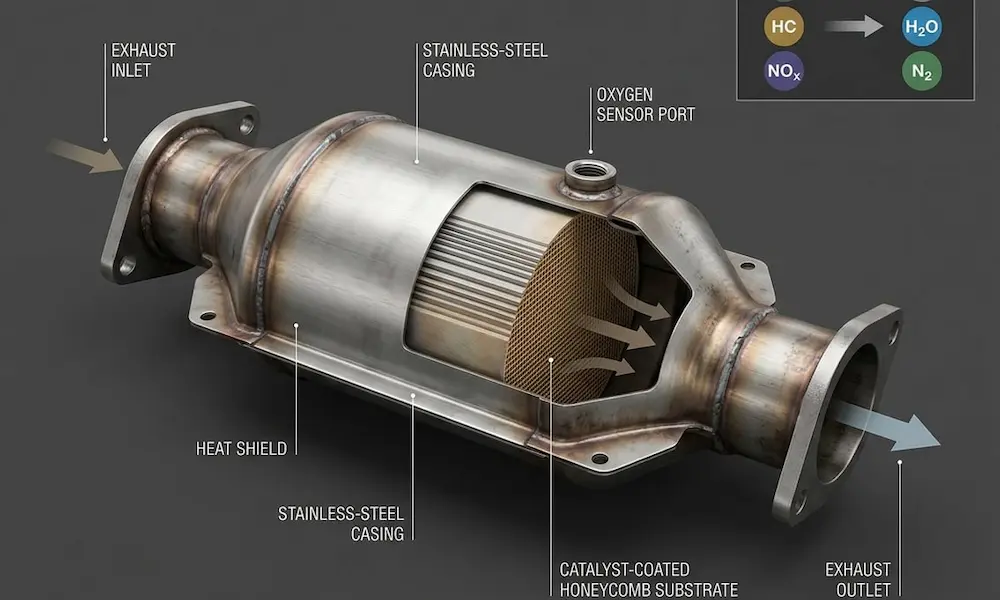
The QR25DE 2.5-liter engine used from 2002-2012 has its own quirks. Pre-catalytic converter failure is a serious one—ceramic material breaks down and flows back into the cylinders, causing internal damage. Many owners replace the pre-cats preventively.
Oil consumption becomes an issue in higher-mileage examples. You’ll need to check oil levels regularly because these engines can burn through it.
Timing chain tensioners wear out too, causing rattling on cold starts. Unlike a timing belt failure (which is catastrophic), timing chains usually give warning. Still, replacement runs $300-600.
Brake System Issues
The 2013 Sentra had scary brake problems—owners reported the pedal going to the floor before brakes engaged. That’s usually a master cylinder failure, which costs $500-800 to fix.
Front brake pads typically need replacement every 30,000-50,000 miles ($250-300). Rear pads last longer, around 50,000-70,000 miles.
Electrical Gremlins
The 2022 Sentra had recalls for water intrusion in the driver’s side cowl area. Water gets in, corrodes electrical components, and causes all sorts of random failures—frozen infotainment screens, malfunctioning sensors, backup camera issues.
Battery drain is another common complaint. Sometimes it’s the body control module, sometimes it’s parasitic draw in the wiring. Either way, you’ll need a mechanic to track it down.
How the Sentra Stacks Up Against Competitors
Let’s be honest—the Toyota Corolla crushes the Sentra in reliability.
Sentra vs. Corolla
A new Corolla has an 18.4% chance of reaching 200,000 miles. The Sentra? Just 2.6%. That’s a seven-fold difference.
The Corolla’s reliability rating hits 7.8 out of 10 versus the Sentra’s 7.3. More importantly, the Corolla retains 68.7% of its value after five years compared to the Sentra’s 59.3%.
But here’s where the Sentra wins: interior space and price. You get more room for passengers and cargo, and you’ll pay thousands less upfront. For buyers on a tight budget, that matters.
Sentra vs. Civic
The Honda Civic splits the difference. It’s sportier than both the Sentra and Corolla, with 169 horsepower versus the Sentra’s 149. Reliability is strong, though not quite Corolla-level.
The Civic’s big advantage over the Sentra is the transmission. Honda’s CVT hasn’t suffered the widespread failures that plagued Nissan’s version.
Making Your Sentra Last
If you already own a Sentra or you’re buying one anyway, here’s how to maximize its lifespan.
The Non-Negotiable Maintenance
Change that CVT fluid every 30,000-40,000 miles. Ignore what the owner’s manual says about “lifetime” fluid. Use only Nissan-specified NS-2 or NS-3 fluid, not generic stuff.
Oil changes every 5,000 miles keep the engine happy. Synthetic oil is better, but consistency matters more than oil type.
Cooling system maintenance prevents both engine and CVT damage. Flush coolant every 60,000 miles. The CVT depends on the cooling system, so this protects both.
Driving Habits That Help
Gentle acceleration reduces CVT stress. Jackrabbit starts generate heat and wear that accumulate over time.
Highway miles beat city driving for longevity. Steady speeds mean less transmission work and lower operating temperatures.
Don’t tow anything. CVT-equipped Sentras weren’t designed for it, and the extra load can cook your transmission.
Catching Problems Early
Many auto parts stores offer free diagnostic scans. Use them. Common trouble codes give you advance warning of issues before they become expensive.
Check your fluids regularly. CVT fluid should be light green or pink. Dark brown or black means trouble. Metal flakes mean really big trouble.
Listen to your car. New noises—whining, rattling, clunking—mean something’s wrong. The sooner you address it, the cheaper the fix.
Best and Worst Years to Buy
If you’re shopping for a used Sentra, here’s your cheat sheet.
Years to Target
2020-2024 models offer the best combination of modern features and improved CVT reliability. The 2021 stands out as particularly solid.
2006 and earlier give you traditional transmission reliability. Just avoid the 2004-2005 models with their head gasket issues.
Years to Avoid Like the Plague
2013-2014 are absolute disasters. Even at cheap prices, they’re not worth the headache.
2007-2012 carry significant CVT risk, though they’re better than what came after.
2015-2017 still have CVT problems, though not quite as severe as 2013-2014.
The Bottom Line on Sentra Longevity
Can a Nissan Sentra last 200,000 miles? Yes—if you buy the right year and maintain it properly.
The 2020-and-newer models show real promise. The redesigned CVT appears to have addressed the major failures that plagued earlier versions. Couple that with aggressive fluid changes every 30,000-40,000 miles, and you’ve got a decent shot at 200,000 miles or more.
But here’s the reality: you’re taking a bigger gamble with a Sentra than with a Corolla or Civic. The statistics don’t lie—Sentras just don’t reach high mileage as often as their competitors.
For budget-conscious buyers who need cheap, efficient transportation and can’t afford the premium that Corollas command, a 2020-or-newer Sentra makes sense. Just commit to that CVT maintenance schedule and don’t skip it.
If you’re buying used and see a 2007-2019 model at a tempting price, walk away. The CVT is a ticking time bomb, and replacement costs more than the car’s worth. It doesn’t matter how good the deal looks—when that transmission fails, you’ll wish you’d spent more on a reliable alternative.
The Sentra can be a solid, long-lasting car. But it requires more attention to model year selection and maintenance than its competitors. Choose wisely, maintain aggressively, and it’ll serve you well. Cut corners, and you’ll understand why Sentra resale values tank compared to the competition.