Dealing with transmission issues in your Ford? You might need to reset your Transmission Control Module (TCM). This electronic brain manages how your vehicle shifts gears, and sometimes it needs a fresh start to work properly again. Strange shifting patterns, check engine lights, or sluggish acceleration can all point to TCM problems that a reset might fix.
What Is a Ford Transmission Control Module?
Your Ford’s TCM is the sophisticated computer that controls your transmission’s operation. It works by gathering data from various sensors throughout your vehicle to determine the optimal shifting patterns for your driving style and conditions.
Over time, the TCM learns your driving habits to improve performance and fuel efficiency. However, like any computer, it can develop glitches or store faulty data that affects how your transmission operates.
Signs Your Ford TCM Needs a Reset
Before attempting a reset, you should know if your transmission is actually having TCM-related issues. Here are the telltale symptoms:
- Erratic or harsh shifting between gears
- Delayed acceleration when pressing the gas
- Illuminated check engine light with transmission-related codes
- Unexplained drops in fuel economy
- Transmission slipping or refusing to engage properly
- Vehicle getting stuck in one gear or “limp mode”
If you’re experiencing these issues, a TCM reset might be just what your Ford needs.
Method 1: Battery Disconnect Reset
The simplest way to reset your Ford’s TCM is by disconnecting the battery. This method forces a hard reset by completely cutting power to all vehicle systems.
Step-by-Step Guide:
- Park your vehicle on level ground and turn off the engine
- Open the hood and locate the battery
- Using a 10mm wrench, loosen and disconnect the negative (black) battery terminal
- Wait 15-30 minutes for all residual power to drain from the system
- Reconnect the negative battery terminal and tighten securely
- Turn the ignition to “On” position (without starting) for 1-2 minutes
- Start the engine and let it idle for about 10 minutes
- Take your Ford for a test drive to allow the TCM to begin relearning
This method works for most Ford models including the F-150, Focus, Fusion, and Escape. While simple, it’s less targeted than other approaches and may clear other vehicle settings like radio presets and clock time.
Method 2: OBD2 Scanner Reset
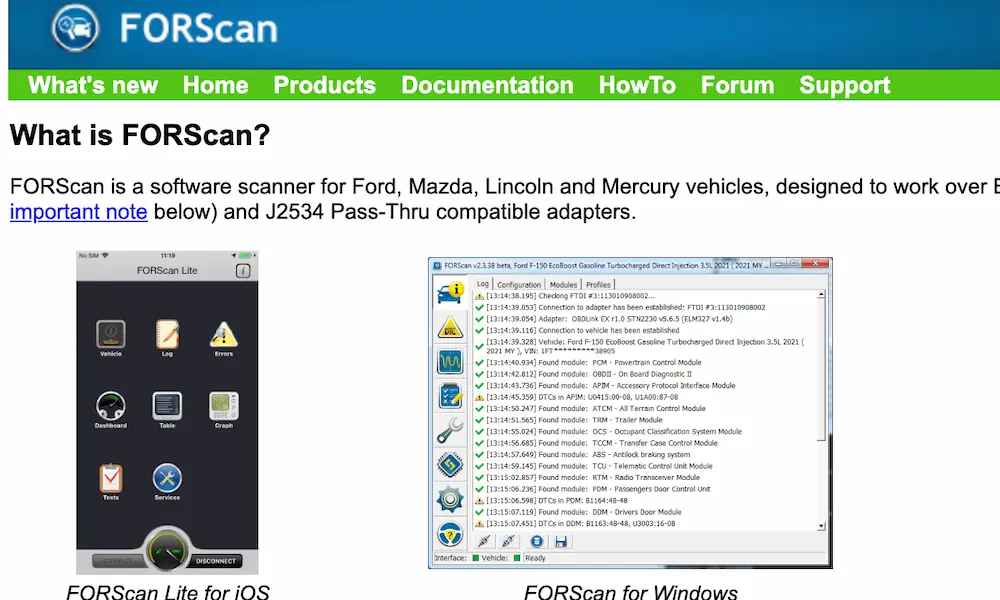
Using an OBD2 diagnostic scanner provides a more precise way to reset your TCM without affecting other vehicle systems. This method allows you to clear specific transmission-related codes.
What You’ll Need:
- OBD2 diagnostic scanner compatible with Ford vehicles
- Basic understanding of how to navigate scanner menus
Step-by-Step Guide:
- Locate the OBD2 port (typically under the driver’s side dashboard)
- Connect your scanner and turn the ignition to “On” without starting the engine
- Navigate to the “Transmission” or “TCM” menu on your scanner
- Select the option to clear DTCs (Diagnostic Trouble Codes)
- Choose the option to reset adaptive tables if available
- Disconnect the scanner after the reset completes
- Start the engine and perform a relearn drive cycle (detailed below)
This method is particularly effective for Ford models with persistent transmission error codes like P0805 or P087A. According to a technical service bulletin from the National Highway Traffic Safety Administration, some models may require specific scanner functions to completely reset the TCM.
Method 3: Ignition Cycling Method
If you don’t have access to an OBD2 scanner, Ford provides an alternative manual reset procedure for many models. This method uses a specific sequence of ignition cycles and gear shifts.
Step-by-Step Guide:
- Insert your key and turn the ignition to “On” position (don’t start the engine)
- Shift the transmission to Neutral (N)
- Turn the ignition off and wait 20 seconds
- Shift back to Park (P)
- Turn the ignition to “On” again (don’t start the engine)
- Wait another 20 seconds
- Turn the ignition off and on rapidly
- Shift to Drive (D) or Sport (S) – you may hear an alarm sound confirming the reset
- Take your Ford for a 10-minute test drive to help the TCM recalibrate
This method works particularly well for Ford Focus and Fiesta models with DPS6 transmissions, which have been known to have specific TCM issues. The Ford service content provides additional model-specific details about this procedure.
Ford’s Official TCM Relearn Procedure
After resetting your TCM (using any of the methods above), it’s crucial to follow Ford’s recommended relearn procedure. This helps your transmission adapt properly to your driving style and ensures optimal performance.
The Relearn Drive Cycle:
- Drive until your transmission reaches normal operating temperature (about 10-15 minutes)
- Perform three acceleration cycles:
- Light throttle (25%) acceleration
- Medium throttle (50%) acceleration
- Heavy throttle (75%) acceleration
- Execute 10-15 gear engagements between:
- Park to Drive
- Drive to Reverse
- Neutral to Drive
For the next 24-48 hours, drive your vehicle normally to allow the TCM to fully adapt. During this period, you might notice slightly different shift patterns as the system relearns your driving habits.
Model-Specific TCM Reset Instructions
Different Ford models may have slight variations in their TCM reset procedures. Here are specific notes for popular Ford vehicles:
Ford F-150
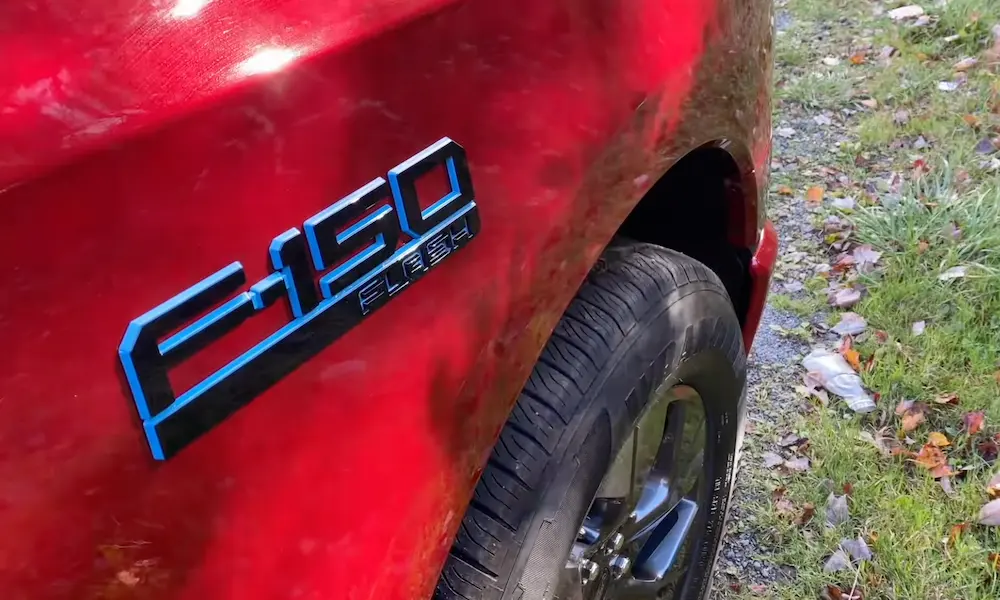
The F-150 typically responds well to the battery disconnect method, but owners of newer models (2015+) should use an OBD2 scanner for more precise results. The 10-speed automatic transmission in newer F-150s requires a more specific relearn procedure according to Ford’s technical service bulletins.
Ford Focus/Fiesta
These models, especially those with the PowerShift dual-clutch transmission, often benefit from the ignition cycling method. Ford extended warranty coverage for TCM issues on many of these vehicles through Customer Satisfaction Program 14M02.
Ford Explorer/Edge
These SUVs respond well to the OBD2 scanner method. After resetting, they require a thorough relearn drive cycle with various speed ranges and shift patterns. Resetting may help resolve common issues like harsh 1-2 shifts or delayed engagement.
Ford Fusion/Escape
These models may need a specific shift pattern during the relearn process. After resetting, make sure to perform multiple Park-to-Drive and Drive-to-Reverse transitions with the brake pedal firmly applied between each shift.
Common Problems a TCM Reset Won’t Fix
While a TCM reset can resolve many transmission issues, it’s important to understand its limitations:
- Mechanical Failures: A reset won’t fix worn clutches, damaged solenoids, or internal transmission damage
- Fluid Problems: Low transmission fluid or contaminated fluid requires changing, not resetting
- Sensor Failures: Faulty input sensors that send data to the TCM need replacement
- Wiring Issues: Damaged wiring harnesses or connectors require physical repair
- Software Bugs: Some older Ford models require actual TCM programming updates, not just resets
About 40% of transmission issues can be resolved with a reset, while the remaining 60% require more extensive diagnosis and repair.
Tips for a Successful TCM Reset
To increase your chances of success when resetting your Ford’s TCM:
- Check for updates: Some transmission issues are addressed by Ford’s technical service bulletins with specific fixes
- Verify battery health: A weak battery can interfere with the reset procedure
- Be patient during relearn: The full adaptation process may take several days of normal driving
- Use quality tools: If using an OBD2 scanner, ensure it’s compatible with Ford vehicles
- Document error codes: Write down any trouble codes before clearing them for future reference
How TCM Resets Affect Ford Warranty
If your Ford is still under warranty, you should know how TCM resets might affect your coverage:
- DIY resets generally don’t void warranty, but Ford might not cover damage resulting from improper procedures
- Ford’s Customer Satisfaction Program 14M02 extended TCM warranty to 10 years/150,000 miles for certain models with known issues
- Having reset documentation may help if transmission problems persist and you need warranty service
For vehicles with ongoing transmission issues, the National Highway Traffic Safety Administration maintains records of Ford technical service bulletins that may entitle you to specific repairs.
TCM Reset vs. TCM Replacement
Sometimes a reset isn’t enough, and you might need to consider replacing the TCM entirely. How do you know which route to take?
| Scenario | Reset Likely Sufficient | Replacement Likely Needed |
|---|---|---|
| Symptoms | Occasional shifting issues, codes that clear easily | Persistent problems, TCM communicating fails completely |
| Cost | Free to $100 (diagnostic fee) | $300-$1,200 depending on model |
| Time Required | 30 minutes to 1 hour | 2-4 hours professional labor |
| Vehicle History | No previous major transmission work | Previous TCM issues, flood damage |
| Code Types | Temporary/adaptive memory codes | Internal hardware failure codes |
If you’ve attempted multiple resets without improvement, consulting a professional Ford technician is your best next step. They can use specialized equipment to determine if your TCM has failed internally.
Preventing Future TCM Problems
After successfully resetting your Ford’s TCM, take these steps to prevent future issues:
- Maintain proper transmission fluid levels and change fluid according to Ford’s recommended intervals
- Address check engine lights promptly instead of driving with active warning lights
- Install a transmission cooler if you frequently tow or drive in extreme conditions
- Drive smoothly during the relearn period to help the TCM establish optimal shift patterns
- Keep your battery in good condition as voltage fluctuations can disrupt TCM operation
With proper maintenance and occasional resets when needed, your Ford’s transmission can provide reliable service for many years to come.