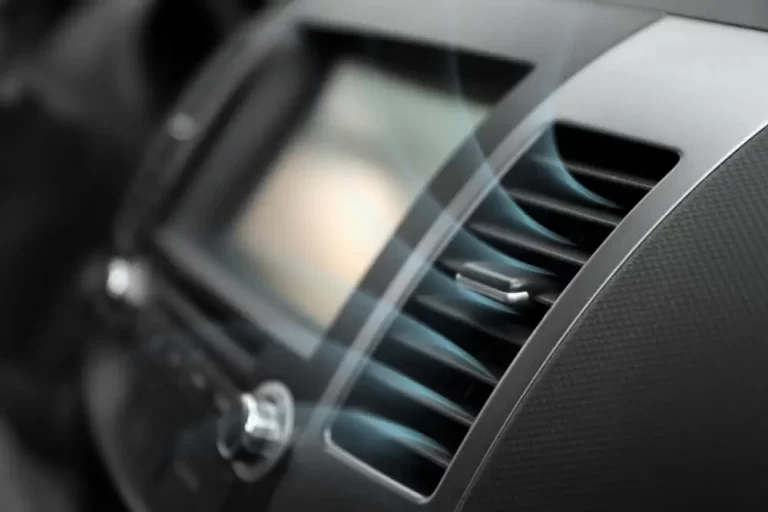
Is your Hyundai’s AC blowing warm air or making strange noises? You’re dealing with one of the most frustrating vehicle issues, especially during hot weather. Modern Hyundai AC systems are complex networks of mechanical and electrical components where even small problems can affect your comfort.
This guide breaks down everything you need to know about Hyundai air conditioner problems – from identifying symptoms and making DIY repairs to understanding warranty coverage and knowing when professional help is necessary.
How Your Hyundai’s AC System Works
Your Hyundai’s air conditioning system isn’t just a luxury – it’s a complex mechanical system that keeps you comfortable and safe. Before diving into problems, let’s understand the key components:
- Compressor: The heart of the system that pressurizes refrigerant from low-pressure gas into high-pressure vapor.
- Condenser: Located at the front of your vehicle, it releases heat and transforms refrigerant into high-pressure liquid.
- Receiver/drier: Removes moisture and filters debris from the refrigerant.
- Expansion valve: Controls refrigerant flow based on cooling demand.
- Evaporator core: Behind your dashboard, it absorbs heat from cabin air.
- Refrigerant: The chemical (usually R-134a or R-1234yf in newer models) that circulates through the system.
When any of these components fail, your comfort suffers.
No Cold Air: The Most Common Hyundai AC Problem
The most frequent complaint about Hyundai air conditioners is insufficient cooling. You might experience:
- Completely warm air
- Lukewarm air
- Inconsistently cool air
- Very little airflow
Main Causes of No Cold Air
- Low refrigerant levels: Often indicates a leak in the sealed system. Leaks develop from:
- Natural deterioration of seals and hoses
- Corrosion from environmental factors
- Stress from vehicle vibrations
- Seasonal inactivity (not using AC during winter)
- Faulty compressor: Essential for refrigerant circulation. Issues stem from:
- Lack of lubrication
- Electrical malfunctions
- Internal mechanical failure
- Age and wear
- Dirty condenser or evaporator coils: Hyundai models can develop micro-clogs in condenser fins even if the external grill looks clean.
- Blocked air vents: Obstructions like leaves, dirt, or sand prevent efficient airflow.
- Faulty sensors or valves: When stuck, damaged, or miscalibrated, these can affect cooling.
Many Hyundai owners report their AC works but isn’t “cold enough,” particularly when idling. This often points to condenser fan issues, which are critical for heat dissipation when the vehicle is stationary.
Strange Noises from Your Hyundai’s AC System
Unusual sounds from your AC are warning signs of problems. A properly functioning system should operate quietly.
What You Might Hear and What It Means
- Squealing or grinding: Often indicates worn belts or bearings
- Rattling or thumping: Usually debris trapped in the fan
- Knocking or tick-tick-tick: Typically signals a faulty compressor clutch
- “Marbles in a can” sound: Could be slightly high refrigerant charge
Hyundai-specific sounds include a high-pitched “tick-tick-tick” upon startup (suggesting compressor clutch gap needs adjustment) or a rhythmic “whoosh-whoosh” (often related to the blend door actuator).
Unpleasant Odors Coming From Your AC Vents
Bad smells from your vents are unmistakable signs of AC problems:
- Musty odor: Almost always indicates mold or mildew growth in the evaporator case, often due to condensation buildup in specific areas of Hyundai’s evaporator design.
- Sweet, syrupy smell: Strong indicator of a coolant leak, typically around the heater core.
- Chemical or sharp scents: May suggest deterioration of the compressor’s protective coating.
These distinct odors provide excellent diagnostic clues – you don’t need technical knowledge to identify the likely issue based on smell alone.
Weak or Reduced Airflow Problems
When your AC seems to “whisper instead of roar,” you’re experiencing airflow issues:
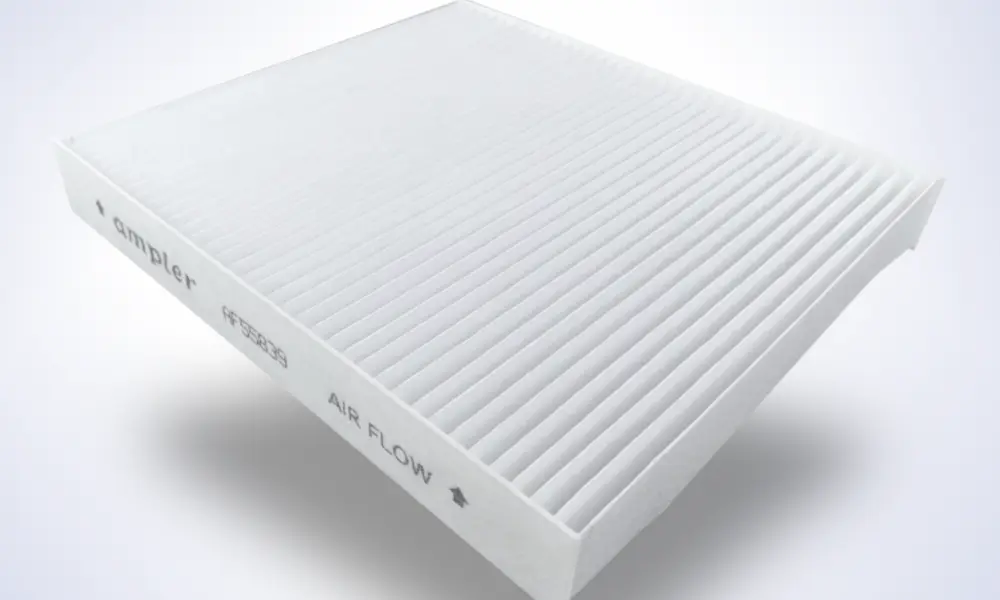
- Clogged cabin air filter: The most common and easiest fix
- Failing blower motor or resistor: The resistor often fails gradually, with middle fan speeds affected first while maximum and low settings still work
- Blocked air vents: Debris preventing efficient air circulation
- Dirty condenser fins: Micro-clogs reducing overall airflow
This pattern of gradual airflow decline, particularly affecting middle speeds, is a highly specific clue that can help you identify common electrical component failures.
Electrical Issues and Erratic AC Controls
Electrical problems manifest in various ways:
- No fan or airflow when system is activated
- AC only working in certain settings
- Cabin temperatures not matching control settings
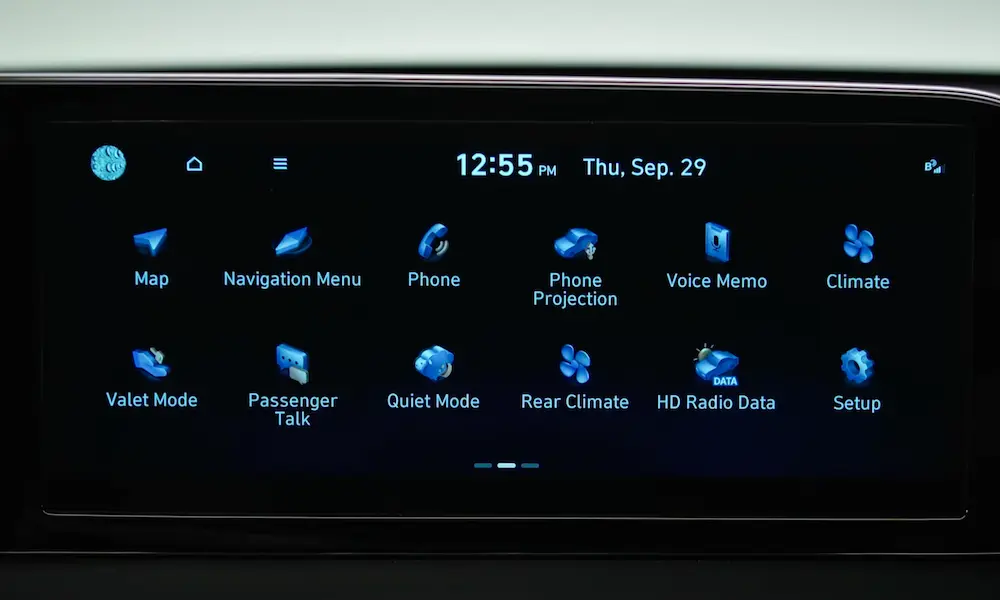
- Unresponsive buttons or touchscreens
- Dashboard warning lights
- Compressor failing to engage
Common electrical culprits include:
- Blown fuses or faulty relays
- Corroded or loose wiring
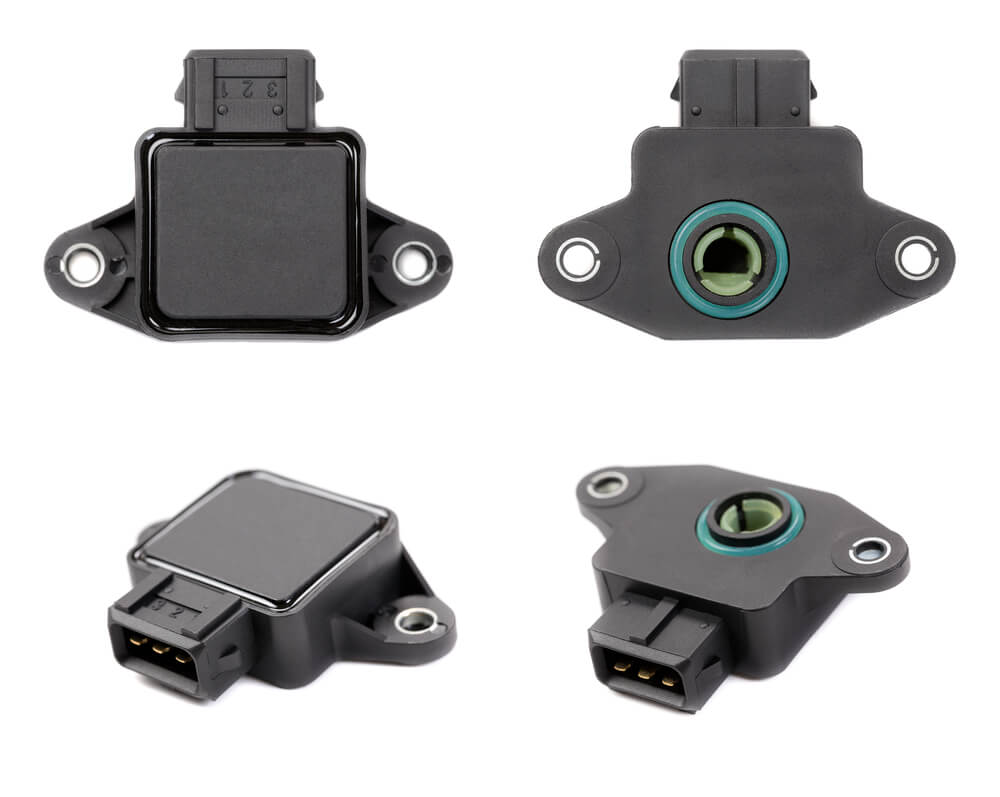
- Failed temperature or pressure sensors
- Faulty control modules
- Compressor clutch engagement problems
Notably, Hyundai’s AC systems can store climate control fault codes that don’t trigger a “check engine” light. This means you might have electrical issues without dashboard warnings, requiring professional diagnostic scanning.
Leakage and Moisture Problems
Signs of leakage include:
- Oily residue under the vehicle or on AC components
- Excessive water accumulating inside the car
The main causes are:
- Refrigerant leaks: Appearing as oily spots or greasy film on windows
- Blocked evaporator drain tube: Preventing condensation from exiting the vehicle
| Symptom Category | Specific Symptoms | Primary Causes | Secondary Causes |
|---|---|---|---|
| No Cold Air | Warm/lukewarm air, inconsistent cooling | Low refrigerant (leaks), Faulty compressor | Dirty components, Blocked vents, Faulty sensors |
| Strange Noises | Squealing, grinding, rattling, ticking | Worn belts/bearings, Faulty compressor clutch | Debris in fan, High refrigerant charge |
| Unpleasant Odors | Musty, syrupy, chemical smells | Mold growth, Dirty cabin filter | Coolant leaks, Compressor coating issues |
| Weak Airflow | Reduced air volume, middle speeds affected first | Clogged cabin filter, Blower motor/resistor failing | Blocked vents, Dirty condenser fins |
| Electrical Issues | Unresponsive controls, glitches, no fan | Blown fuses/relays, Corroded wiring | Failed sensors, Control module problems |
| Leakage | Oily residue, excess water inside car | Refrigerant leaks, Blocked drain tube | – |
DIY Troubleshooting Steps for Hyundai AC Problems
Before visiting a mechanic, try these initial checks:
Basic Checks Anyone Can Do
- Verify fundamental settings:
- Confirm AC button is actually activated
- Check that all air vents are open
- Ensure engine is running
- Make sure vehicle isn’t overheating
- Inspect and replace cabin air filter:
- Should be changed at least yearly
- Located typically behind the glove box
- A dirty filter dramatically reduces airflow
- Check for debris around condenser:
- Look at the radiator-like component at the front
- Gently clean with low-pressure water if dirty
- Listen for compressor engagement:
- Turn on AC and listen for a distinct click
- No click may indicate electrical issues
- Examine AC fuses and relays:
- Check fuse box for blown fuses
- Replace any damaged components
- For weak airflow, check blower motor:
- If only middle speeds are affected, suspect the resistor
- Clean debris if accessible
- Try a sensor reset procedure:
- Turn ignition to “ON”
- Press and hold AUTO and OFF buttons simultaneously for 5 seconds until display flashes
- Turn ignition off and restart vehicle
- Inspect for visible leaks:
- Look for oily residue or corrosion spots on AC lines
- Test vent temperature:
- Use an infrared thermometer
- Properly functioning AC should produce air between 30-45°F
Hyundai vehicles have some model-specific fixes that owners can try, like the sensor reset procedure or checking the compressor clutch gap (which should be 0.5mm).
Known Hyundai AC System Issues and Recalls
Hyundai vehicles have several documented AC problems recognized through official channels.
The AC Compressor Solenoid Valve Issue
A common issue causing no cold air, even with proper refrigerant levels, is a malfunctioning A/C compressor solenoid valve (part #976742S000). This affects models including Genesis Coupe, Accent, and Tucson.
The replacement part costs only about $20 – vastly cheaper than a full compressor replacement ($1,500+). Many owners unknowingly pay for unnecessary compressor replacements when this simple valve is the actual problem.
Class Action Lawsuits: Premature Compressor Failure
A class action lawsuit is investigating premature AC compressor failure in 2018-2022 Hyundai models including:
- Elantra
- Palisade
- Santa Fe
- Sonata
- Tucson
Symptoms include refrigerant leaks, unusual noises, circuit breaks, and warm air. The lawsuit alleges Hyundai has denied warranty coverage or experienced parts shortages, forcing owners to pay out-of-pocket.
Technical Service Bulletins (TSBs)
Hyundai has issued several official TSBs for AC problems:
- Palisade AC Compressor Pulley Inspection & Replacement (TSB 24-HA-003H):
- Affects 2020-2022 Palisade vehicles produced from April 10, 2019, to June 29, 2021
- Identifies reduced AC performance due to faulty pulley and hub assembly
- Provides specific inspection procedures to determine if just the pulley needs replacement or the entire compressor
- Santa Fe Evaporator Temperature Sensor (TSB 21-HA-001H):
- Affects 2020 Santa Fe vehicles made from September 1, 2019, to April 1, 2020
- Addresses AC failing to blow cold after normal operation
- Relates to an out-of-specification temperature sensor
- IONIQ 5 HVAC System DTCs (TSB 23-HA-002H):
- Affects 2022 and later IONIQ 5 models
- Covers inoperative heater or AC with specific fault codes
- Requires IONIQ-certified Hyundai dealerships for repair
Model-Specific Concerns: 2024 Santa Fe 3rd Row Heating
Owners of the 2024 Hyundai Santa Fe have reported that the third-row vents only blow cold air (AC) and don’t provide heating. Some dealerships have confirmed this is “by design,” meaning it’s a characteristic rather than a repairable defect.
| Type | Issue Description | Affected Models/Years | Key Symptoms | Remedy/Notes |
|---|---|---|---|---|
| Common Issue | AC Compressor Solenoid Valve Failure | Genesis Coupe, Accent, Tucson | AC not cold, system holds charge | $20 part fix vs. costly compressor replacement |
| Class Action | Premature Compressor Failure | 2018-2022 Elantra, Palisade, Santa Fe, Sonata, Tucson | Refrigerant leaks, noises, warm air | Ongoing legal investigation |
| TSB | Compressor Pulley & Hub Assembly | 2020-2022 Palisade (specific production dates) | Reduced AC performance | Inspect pulley/hub; potential partial replacement |
| TSB | Evaporator Temperature Sensor | 2020 Santa Fe (specific production dates) | AC not cold after normal operation | Sensor replacement |
| TSB | HVAC System Fault Codes | 2022+ IONIQ 5 | Inoperative heater or AC | Requires certified dealer repair |
| Design Issue | 3rd Row Cold Air Only | 2024 Santa Fe | No heat in third row | Not repairable – design limitation |
Hyundai AC Repair Costs: What to Expect
The cost of AC repairs varies based on the specific issue, your Hyundai model, and whether you use a dealership or independent mechanic.
Typical Repair Costs
- General AC repairs: Average $384-$445
- Diagnostic test: $150-$200 (a worthwhile investment to identify the correct problem)
- Refrigerant recharge: $239-$281 (USD) or $150-$300 (CAD)
- Refrigerant leak repair: $150-$1,000+ depending on leak location
- Condenser fan failure: $300-$1,000+
- AC compressor solenoid valve: ~$20 (part cost) plus labor
- AC compressor replacement: $1,546-$1,705 (USD) or $800-$1,300+ (CAD)
- Electrical issues: $150-$1,500+ based on complexity
A single primary failure can lead to cascading issues. For example, an overheating compressor can draw excessive power, potentially affecting electrical systems or the blower motor. Delaying repairs for seemingly minor issues can result in more extensive and costly problems later.
| Repair Service | Estimated Cost (USD) | Estimated Cost (CAD) | Notes |
|---|---|---|---|
| General AC Repair | $372-$445 | Similar to USD | Average for typical issues |
| Diagnostic Test | $150-$200 | $150-$200 | Essential for accurate problem identification |
| Refrigerant Recharge | $239-$281 | $150-$300 | Doesn’t fix leaks |
| Leak Repair | $150-$1,000+ | $150-$1,000+ | Varies by component affected |
| Solenoid Valve | ~$20 (part) | ~$20 (part) | Labor additional |
| Compressor Replacement | $1,546-$1,705 | $800-$1,300+ | Most expensive AC repair |
| Electrical Issues | $150-$1,500+ | $150-$1,500+ | Depends on complexity |
Hyundai AC Warranty Coverage
Understanding your warranty coverage is critical when facing AC problems.
Standard Warranty Terms
Hyundai offers “America’s Best Warranty,” which includes:
- 5-Year/60,000-Mile New Vehicle Limited Warranty
- 10-Year/100,000-Mile Powertrain Limited Warranty
Most AC components fall under the 5-Year/60,000-Mile warranty, covering repair or replacement of defective parts under normal use.
Refrigerant Coverage Details
The refrigerant charge itself is only covered for 1 year/unlimited miles. However, Hyundai will cover refrigerant recharge beyond this period if a failed component caused the refrigerant loss.
This distinction is important: a simple “top-off” isn’t covered long-term, but a leak caused by a defective part is covered under the longer component warranty. Insist on thorough diagnosis to identify the root cause of low refrigerant.
Damage to AC components from external causes (like road debris hitting the condenser) isn’t covered by warranty but might be covered by your comprehensive insurance.
Extended Coverage Options
Hyundai offers Vehicle Service Contracts (VSCs) that can extend coverage up to 10 years or 150,000 miles. The Platinum plan explicitly covers “Climate control. Including air conditioner and heater components.”
These plans provide additional benefits like nationwide service, roadside assistance, towing, rental car reimbursement, and trip interruption coverage.