Is your Hyundai Santa Fe waking up the neighborhood with its middle-of-the-night alarm symphony? You’re not the only one dealing with this frustrating issue. Many Santa Fe owners face unexplained alarm activations that seem to happen at the most inconvenient times.
Let’s cut through the confusion and solve this problem once and for all with practical fixes that work.
Common Causes of Hyundai Santa Fe False Alarms
Rear Occupant Alert System Overreaction
The Rear Occupant Alert (ROA) system is often the prime suspect in phantom alarm episodes. This safety feature, designed to prevent children or pets from being left in vehicles, uses ultrasonic sensors that can be surprisingly sensitive.
Your Santa Fe’s alarm might be triggered by:
- Small movements from insects or rodents that have found their way inside
- Shopping bags or accessories swaying slightly when parked
- Air currents from partially open windows or sunroofs
Hyundai’s own manual acknowledges this issue, specifically warning that open windows might allow wind or bugs to activate the ROA system.
How to Disable the Rear Occupant Alert
You have two options to stop these false alarms:
For temporary deactivation:
- Press “OK” on your steering wheel when you see the “Check rear seats” message
- This will silence it for one drive cycle
For permanent disablement:
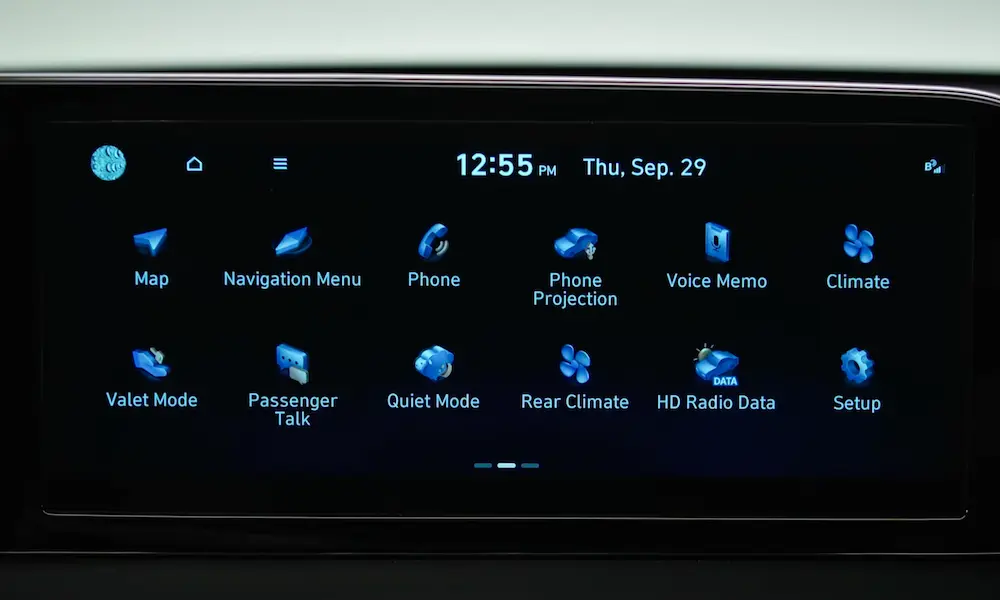
- Navigate to Settings in your infotainment system
- Select Vehicle > Convenience
- Find Rear Occupant Alert and turn it off
This particular setting adjustment has solved the problem for many Santa Fe owners who were at their wit’s end with random alarms.
Hood Latch Sensor Malfunctions
A faulty hood latch sensor is another common troublemaker, especially in Santa Fe models from 2013-2018. When this sensor fails, your vehicle thinks someone is tampering with the hood, triggering the alarm.
The main culprits behind sensor failures are:
- Corrosion from road salt or moisture
- General wear and tear causing mechanical failure
- Loose wiring connections
Quick test: If your dashboard shows a “hood open” warning when the hood is firmly closed, your hood latch sensor is likely the problem.
Key Fob and Battery Issues
Your key fob might be secretly causing your alarm woes. Here’s how:
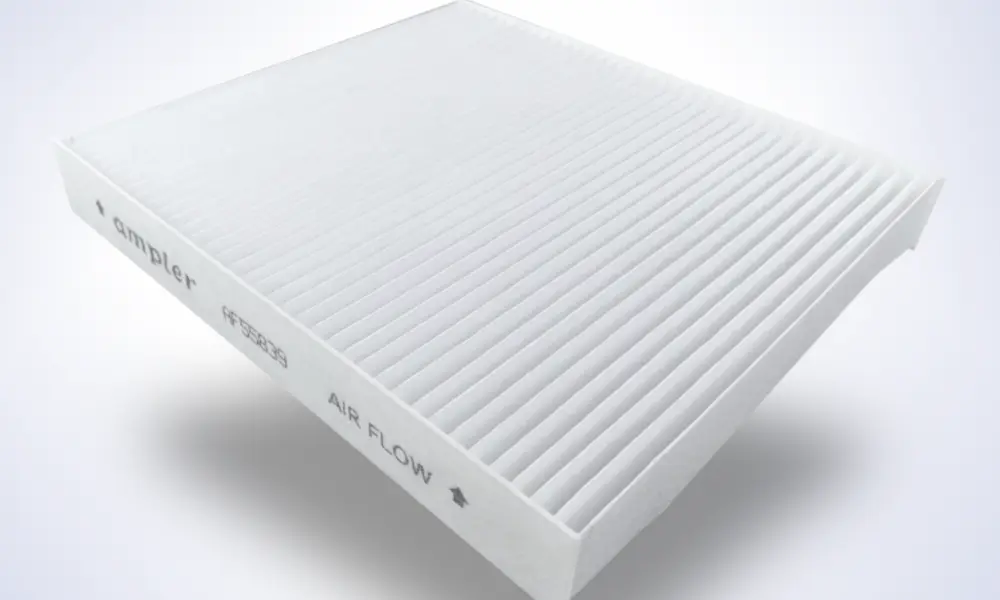
- Low battery: When your key fob battery depletes, communication with your vehicle becomes unreliable. The system might interpret this as an unauthorized entry attempt.
- Signal interference: Keeping your key fob near other electronic devices, metallic objects, or in certain protective cases can block signals and confuse your vehicle’s security system.
Most Santa Fe models use a CR2032 battery that should be replaced annually. This simple maintenance task can prevent many alarm problems.
Body Control Module Problems
Signs of BCM Failure
The Body Control Module (BCM) is your vehicle’s electronic brain for convenience features. When it starts failing, alarm problems often follow.
Watch for these warning signs:
- Erratic door lock/unlock behavior
- Multiple electrical issues happening simultaneously
- Alarm triggers that become more frequent during wet weather
Many Santa Fe owners report temporary improvement after pulling and reinserting the Door Lock fuse, but this only confirms the BCM as the likely culprit.
Diagnosis and Replacement Options
If you suspect BCM failure, you have options:
- Dealer replacement: Costs approximately $500-$700 including programming
- Used BCM: Can be sourced from salvage vehicles for $120-$200 (2010-2015 models)
- BCM refurbishment: Some specialty shops can clean and repair corrosion damage
The National Highway Traffic Safety Administration recommends having diagnostic testing done before replacing major electronic components.
Environmental Triggers for Alarm Activation
Weather and Lighting Conditions
Your Santa Fe’s alarm system can be surprisingly reactive to environmental changes:
- Sunset/sunrise triggers: Several 2022-2023 owners report alarms activating during dawn or dusk when light levels change rapidly
- Temperature fluctuations: Extreme shifts in temperature can cause sensors to misread
- Heavy rain or high humidity: Can affect electronic components, especially in vehicles with previous water exposure
Aftermarket Additions That Cause Problems
Be cautious with these additions that commonly interfere with alarm systems:
| Modification | How It Causes Alarm Problems |
|---|---|
| Remote starters | Software conflicts with factory security systems |
| Metallic window tint | Blocks signals from key fobs and interferes with internal sensors |
| Roof racks | Can create signal interference with antennas |
| Aftermarket security systems | Competing systems confuse vehicle electronics |
Quick Fixes for Immediate Relief
Emergency Silencing Methods
When your Santa Fe alarm won’t stop and you need immediate quiet:
- Horn fuse removal: Locate and remove the horn fuse (usually 15A) from your fuse box
- Manual lock procedure: Use your physical key in the door without pressing fob buttons
- Battery terminal disconnection: As a last resort, temporarily disconnect the negative battery terminal
Remember to reconnect everything once the immediate crisis has passed.
Fuse Box Location and Access
For 2013-2018 Santa Fe models:
- The main fuse box is located on the driver’s side edge of the dashboard
- A secondary fuse box is in the engine compartment
- The horn/alarm fuse is typically labeled and rated at 15A
This emergency silencing technique can save you from neighborhood complaints while you work on a permanent solution.
Professional Diagnosis and Repair
What the Dealer Can Check
A Hyundai dealer’s diagnostic equipment can reveal problems not obvious to the average owner:
- IBU (Integrated Body Unit) fault codes specific to the security system
- Power distribution anomalies affecting the alarm system
- Software updates that might resolve known issues
For newer Santa Fe models (2020+), Hyundai has issued Technical Service Bulletin 23-01-014H-6 regarding sensor-related alarms, which requires dealer software updates to fix.
Computer System Updates
Hyundai periodically releases software updates that can resolve security system glitches:
- Updating the IBU firmware can fix logic errors in how the security system interprets sensor data
- BCM updates may resolve communication conflicts causing false alarms
- Some updates specifically address known issues with the ROA system
The anti-theft software upgrade may also help with persistent alarm problems.
Prevention Strategies for Long-Term Solutions
Regular Maintenance Checks
Incorporating these simple checks into your maintenance routine can prevent future alarm issues:
- Test all doors, hood, and trunk latches for proper closing
- Keep key fob batteries fresh with annual replacement
- Clean hood latch sensors with electrical contact cleaner
- Keep the vehicle’s interior free of loose items that might move and trigger sensors
Software and Firmware Management
Stay informed about your vehicle’s electronic systems:
- Check the Hyundai owner’s portal for available updates
- Ask about software updates during regular service visits
- Document any pattern in alarm activations (time of day, weather conditions, etc.)
- Consider using the Hyundai Bluelink app to monitor security alerts
Model-Specific Alarm Issues and Solutions
First Generation Santa Fe (2000-2006)
These older models typically have simpler alarm systems with fewer false triggers. Common issues include:
- Worn door sensors causing intermittent false alarms
- Aftermarket alarm systems added by previous owners
- Simpler fixes often involve checking door and hood switches
Second Generation (2007-2012)
This generation started seeing more complex electronic issues:
- BCM failures becoming more common
- Hood latch sensor problems relatively frequent
- Solutions often require component replacement rather than software fixes
Third Generation (2013-2018) Problems
A significant increase in electronic complexity brought new challenges:
- More sophisticated security systems with additional sensors
- BCM and communication issues between electronic modules
- Hood latch sensor failures particularly common
Fourth Generation (2019-Present) Solutions
The newest Santa Fe models have the most advanced electronics but also specific solutions:
- Software updates can often resolve issues without part replacement
- Rear Occupant Alert system can be managed through infotainment settings
- Bluelink connectivity allows remote monitoring of alarm triggers
Understanding Your Santa Fe’s Alarm System Components
How the Factory System Works
The Santa Fe’s factory alarm uses several interconnected components:
- Door sensors detect unauthorized opening
- Shock sensors identify impact or glass breakage
- Ultrasonic sensors (in models with ROA) detect interior movement
- The BCM coordinates all inputs and determines when to trigger the alarm
How to Reset Your Alarm System
When your system needs a complete reset:
- Disconnect the negative battery terminal for at least 15 minutes
- While disconnected, press the brake pedal to drain any residual power
- Reconnect the battery and let the vehicle sit for 10 minutes before starting
- Use your key fob to lock and unlock the doors several times
This full reset can clear electronic memory errors that may be causing false alarms.
What Santa Fe Owners Say About Alarm Problems
The Hyundai community has developed several verified fixes for persistent alarm issues:
- Hood latch sensor replacement has solved the problem for many 2013-2018 owners
- Disabling the Rear Occupant Alert system works for 2019+ models
- Some have found success by adjusting the sensitivity settings of motion detectors
Comparing Santa Fe Alarm Issues to Other Hyundai Models
Interestingly, the Santa Fe seems particularly prone to certain alarm issues compared to other Hyundai vehicles:
| Model | Common Alarm Issues | Typical Solutions |
|---|---|---|
| Santa Fe | Hood latch sensor, ROA system | Sensor replacement, system disabling |
| Tucson | Key fob signal problems | Battery replacement, proximity adjustments |
| Palisade | ROA false triggers | System configuration through settings |
| Sonata | BCM electrical issues | Software updates, component replacement |
This comparison shows that while the entire Hyundai lineup shares some common alarm problems, the Santa Fe has specific issues related to its hood latch sensor and ROA implementation.
By understanding the specific issues affecting your Hyundai Santa Fe’s alarm system, you can implement targeted solutions to stop those midnight wakeup calls once and for all. Whether it’s a simple sensor replacement or a software update, the peace of mind (and peaceful nights) are well worth the effort.