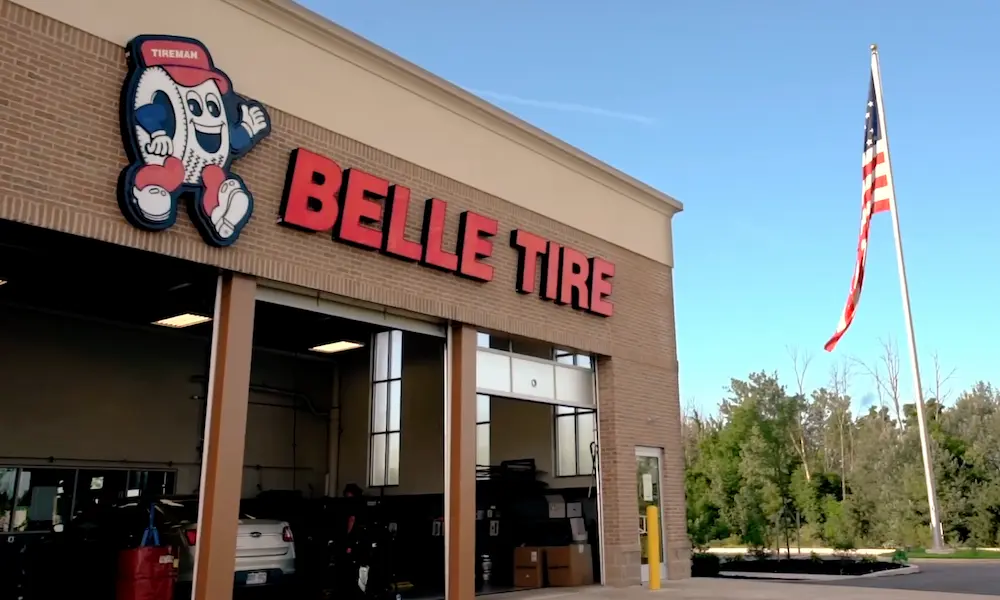
Shopping for new tires and wondering if you should spring for that protection plan? You’re smart to question it. At $53 per tire, Belle Tire’s road hazard warranty isn’t pocket change. Whether it’s a smart investment depends entirely on what you’re driving and where you’re driving it. Let’s break down the numbers and see when this plan actually pays off.
What You Actually Get with Belle Tire’s Protection Plan
Belle Tire’s road hazard warranty covers your tires against damage from potholes, nails, glass, and other debris you encounter during normal driving. The plan lasts 36 months or until your tires wear down to 3/32″ tread depth, whichever comes first.
Here’s the catch: it’s not a simple “free replacement” deal. During the first 33% of your tire’s life, you’ll pay just $19.99 for mounting, balancing, and processing if you need a replacement. That’s the sweet spot where you save the most money.
After that first third? The plan shifts to pro-rated coverage based on how much tread you’ve got left. If your tire is 50% worn when it gets damaged, you’ll pay 50% of the current tire price plus that $19.99 fee. The value drops significantly once you’re past that initial coverage period.
The Fine Print You Need to Know
The plan doesn’t cover everything. You won’t get help with damage from accidents, vandalism, racing, off-road adventures, or wear from misalignment and worn suspension parts. If you transfer your tires to a different vehicle, the warranty doesn’t follow them.
Here’s something important: you can’t transfer the protection plan to a replacement tire. If you use your warranty to get a new tire, you’ll need to buy a fresh protection plan for that tire. This differs from some competitors who automatically cover replacement tires.
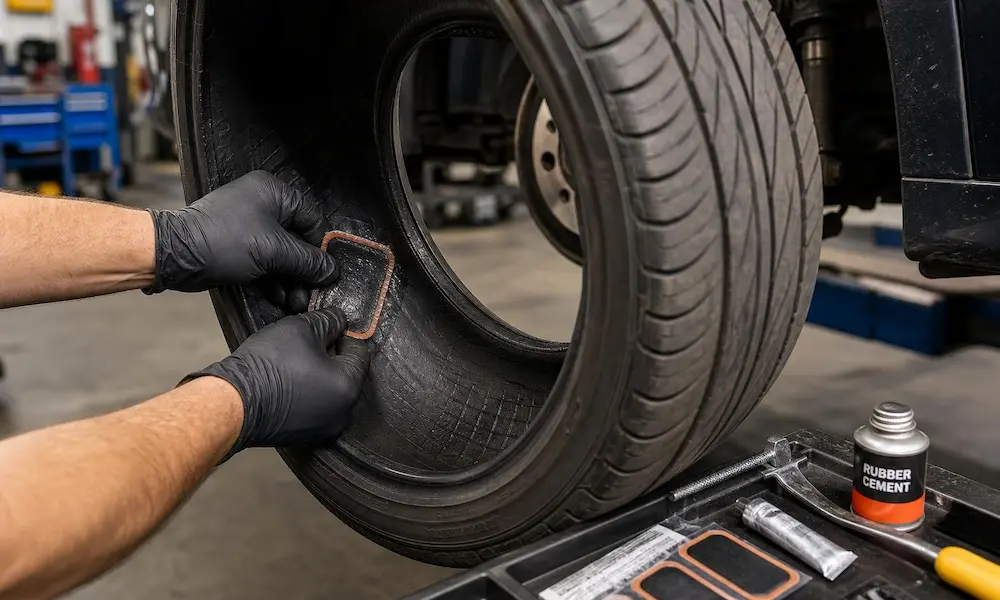
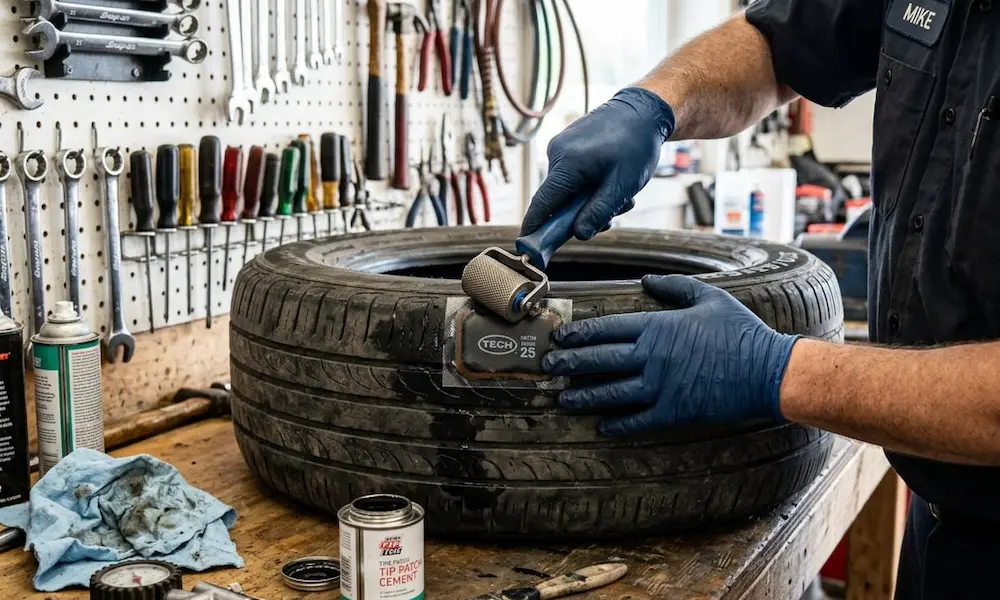
One more thing—Belle Tire offers free flat tire repairs to everyone, not just protection plan buyers. This means the plan’s real value comes from covering unrepairable damage, not routine punctures.
Breaking Down the Numbers by Tire Price
Whether is Belle Tire protection plan worth it for you depends heavily on what you paid for your rubber. Let’s run the math.
Premium Tires ($200-$300+ Each)
If you’re rolling on high-end tires, the protection plan makes solid financial sense. At $53, you’re spending just 18-27% of your tire’s replacement cost for protection.
Say you hit a pothole within that first third of tread life and destroy a $250 tire. Without the plan, you’re out $250 plus installation fees. With the plan, you pay $19.99. That’s a savings of roughly $230 on a single incident.
One driver with low-profile performance tires replaced 10 tires over three years due to pothole damage. The warranty saved them thousands of dollars. Another customer damaged a tire just one week after installing $1,200 worth of premium rubber—their $212 protection package immediately proved its worth.
Mid-Range Tires ($100-$200 Each)
This is where the decision gets trickier. The $53 plan now represents 27-53% of your tire’s value. You need to think carefully about your specific situation.
Do you drive through construction zones regularly? Live somewhere with brutal winters that destroy roads? Put 20,000+ miles on your car annually? Then the plan probably makes sense.
But if you’re mostly cruising well-maintained highways in good weather, you might never use it. According to tire damage statistics, you’ll face about a 10% annual chance of any flat tire, and only 20% of those will be unrepairable.
Budget Tires (Under $100 Each)
Let’s be honest: the math doesn’t work here. When the protection plan costs more than half the tire’s replacement price, you’re making a bad bet.
One Reddit user nailed it: protection plans only make sense “when the certification cost is less than the price of a single tire.” With budget tires, you’d need to destroy multiple tires during the warranty period to break even—statistically unlikely for most drivers.
How Belle Tire Stacks Up Against Competitors
Before you decide, check out what else is available. Discount Tire offers protection certificates at just $15-30 per tire (often negotiable to half off). Their certificates include full replacement with no pro-rating, coverage lasting up to 10 years, and the certificate automatically transfers to replacement tires at no extra cost.
Belle Tire’s plan costs more, pro-rates after 33% wear, lasts only 3 years, and requires buying a new plan for replacements. That’s a tougher sell.
But Belle Tire does include the enTireLife™ Package with every tire purchase, regardless of whether you buy the protection plan. This package gives you free lifetime alignment checks, free tire rotations, free spin balancing, and 24/7 free air. These services can add hundreds of dollars in value over your tires’ lifespan and help prevent premature wear.
When the Protection Plan Actually Makes Sense
Certain driving conditions and vehicle types dramatically increase your odds of tire damage. Here’s when spending $53 per tire is a smart move.
Your Roads Are Terrible
Urban drivers deal with more flat tires than rural folks, thanks to construction debris, potholes, and general road mayhem. If you live somewhere with harsh winters, you know how spring reveals a minefield of potholes.
One Belle Tire employee in Indiana specifically recommended their road hazard warranty, saying “I’m definitely planning to invest in it when I buy new tires, especially considering how terrible the roads are in Indiana.”
An Arizona driver replaced three tires in less than one year due to “lots of construction going on and rocks and gravel all over the roads.” That’s the kind of environment where protection plans pay for themselves quickly.
You’ve Got Vulnerable Tires
Low-profile tires (35 aspect ratio or lower) are sitting ducks for pothole damage. With less sidewall to cushion impacts, these tires crack and bulge far more easily than standard tires. One YouTube reviewer documented replacing 10 tires over three years on low-profile tires, calling the warranty a lifesaver.
Run-flat tires cost anywhere from $450-$900 each to replace. At those prices, even a $53 protection plan looks like a bargain.
You Drive a Ton
High-mileage drivers (20,000+ miles yearly) simply encounter more road hazards. It’s basic probability—more time on the road means more chances to hit that perfect pothole or catch that perfectly positioned nail.
On the flip side, if you drive under 8,000 miles annually, you’re not exposed to enough risk to justify the plan.
You’re Leasing Your Vehicle
When you return a leased vehicle, you need tires in acceptable condition. Unexpected damage near the end of your lease can stick you with surprise replacement costs. The protection plan shields you from that end-of-lease headache.
What Real Customers Experience
Customer experiences with the Belle Tire protection plan vary wildly based on driving conditions and luck.
The Success Stories
A Discount Tire customer in Arizona’s harsh terrain replaced three tires in under 12 months. With protection certificates, they paid roughly $270 total versus $660 without coverage—a $390 savings.
The driver with 35-profile tires who replaced 10 tires in three years? They saved thousands and called it the best decision they made.
A Reddit user who splurged on $1,200 in premium tires got a screw in one tire just seven days later. That $212 protection package suddenly seemed brilliant.
The Other Side
Some drivers never use their plans. One mechanic noted they’ve only replaced two tires due to damage in 20 years of driving. They skip protection plans entirely and just buy a new tire when needed.
Another driver pointed out that most tire shops, including Belle Tire, offer free flat repairs to everyone. Since about 80% of tire damage is repairable, you’ll likely get helped for free anyway.
Several customers dislike the pro-rating structure. Once you’re past that initial 33% of tread life, you’re still paying substantial money for replacements—just less than full price.
The Cold, Hard Statistics
Let’s talk probability. According to AAA and transportation data, approximately 220 million flat tires happen annually in the U.S. That sounds terrifying until you realize it’s spread across millions of drivers.
For you personally, you’ll probably experience about 5 flat tires over your entire driving lifetime. With an average driving career of 50 years, that’s roughly a 10% annual chance of any flat tire.
Here’s the critical detail: only about 20% of tire damage requires full replacement. The other 80% can be patched. Over a 3-year protection plan period, your chance of needing an unrepairable tire replacement is approximately 6%.
That’s pretty low. For most drivers on typical roads, protection plans function as insurance against rare, expensive events rather than frequent benefits. The equation changes if you’ve got the risk factors we discussed earlier.
Other Ways to Protect Yourself
Before committing to Belle Tire’s plan, consider these alternatives.
Your auto insurance comprehensive coverage might cover certain tire damage, especially from vandalism or collisions. Road hazard damage typically doesn’t qualify, but some insurers offer zero-deductible comprehensive coverage for about $50 annually.
Manufacturer warranties cover defects in materials and workmanship but rarely include road hazard damage. Some premium tire makers include limited road hazard protection, though it’s usually less generous than purchased plans.
Self-insurance works for some people. If you’ve got emergency savings and budget tires, setting aside the $53 per tire might make more sense than buying protection you probably won’t use.
Making Your Decision
So, is Belle Tire protection plan worth it? Here’s your decision framework.
Buy the plan if you have:
- Tires costing $200+ each
- Low-profile or run-flat tires
- Frequent driving on pothole-riddled roads
- Urban commutes through construction zones
- 20,000+ annual miles
- A leased vehicle
- A history of multiple tire damage incidents
Maybe buy the plan if you have:
- Mid-range tires ($150-200 each)
- Mixed driving conditions
- Moderate mileage (12,000-20,000 miles)
- Some exposure to road debris
- Average road conditions
Skip the plan if you have:
- Budget tires under $100 each
- Mostly highway driving on good roads
- Low annual mileage (under 8,000 miles)
- Minimal tire damage history
- Consistently good road conditions
- A vehicle nearing the end of its useful life
What It All Means for You
The Belle Tire protection plan works best for drivers with expensive, vulnerable tires facing challenging road conditions. At $53 per tire, you could save $180-280 on a single replacement during that first third of tread life. That’s real money if you’re running premium rubber through Detroit’s pothole season.
But the plan’s less attractive than competitors like Discount Tire, which charges half the price and offers better terms. Belle Tire’s included enTireLife™ Package with free alignment checks, rotations, and balancing adds value and helps your tires last longer—but it’s available whether you buy the protection plan or not.
Remember: you’ve got about a 6% chance of needing unrepairable tire replacement over three years. That’s insurance territory. If $53 per tire buys you peace of mind and you’ve got mid-range or premium tires with elevated risk factors, go for it.
But if you’re running budget tires on good roads with careful driving habits, save your money. Build a small tire emergency fund instead and you’ll probably come out ahead.
The right answer depends on your wallet, your wheels, and your roads. Run the numbers based on your actual tire costs and driving reality—not best-case or worst-case scenarios. That’s how you’ll know if this plan’s worth it for you.