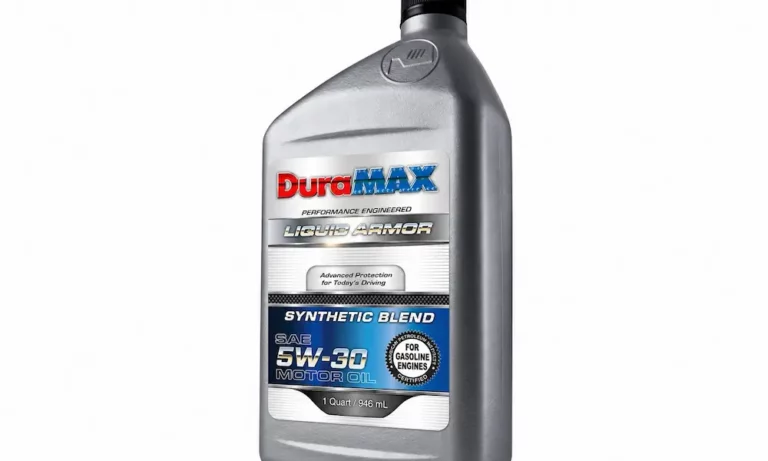
If you’ve searched “is DuraMAX oil good,” you’ve probably noticed the answer isn’t straightforward. That’s because “DuraMAX” refers to two completely different things. This post breaks both of them down clearly, so you can make a smart decision at the oil change counter or the auto parts store. Stick around — this one’s worth reading to the end.
Wait — Which “Duramax” Are We Talking About?
Here’s where most people get confused.
DuraMAX (capital MAX) is a private-label motor oil brand owned by RelaDyne, the largest lubricant distributor in the United States. You’ll find it at quick-lube chains like Take 5 and Strickland Brothers.
Duramax (lowercase max) is General Motors’ famous family of diesel engines — the 6.6-liter V8 and the 3.0-liter inline-six found in Silverados, Sierras, and Suburbans.
Both matter. Both deserve a thorough look. Let’s start with the oil brand.
DuraMAX Motor Oil: What Is It, Actually?
The Company Behind the Brand
DuraMAX isn’t some garage-blended mystery oil. It’s the flagship product of RelaDyne, a company formed in 2010 through the merger of four major petroleum distributors. After a series of aggressive acquisitions — including Sun Coast Resources and Parker Oil Company — RelaDyne now operates over 190 locations across the US and even into Central America.
The key advantage? RelaDyne custom blends its own oils at facilities in Cincinnati, Ohio, and Bridgeview, Illinois. That means no middlemen, tighter quality control, and more competitive pricing for the quick-lube operators who buy in bulk.
Who Actually Uses DuraMAX Oil?
You’d be surprised how many oil changes use DuraMAX without you even knowing it.
- Take 5 Oil Change — over 1,000 locations across the US and Canada use DuraMAX as their primary bulk oil supplier
- Strickland Brothers 10 Minute Oil Change — over 250 centers nationwide rely on DuraMAX to keep costs manageable without cutting quality
- Sun Auto Tire & Service — more than 475 locations switched to DuraMAX for its direct-ship logistics and local distribution
According to the National Oil and Lube News annual Fast Lube Operator Survey, DuraMAX has ranked as the #1 best-selling motor oil brand among quick-lube owners every year since 2018. That’s not a fluke. That’s a supply chain executing at a high level.
Does DuraMAX Oil Actually Protect Your Engine?
What Independent Lab Testing Shows
Marketing claims are easy to make. Lab results aren’t. The Petroleum Quality Institute of America independently tested DuraMAX 5W-30 Full Synthetic and confirmed it meets API SP and ILSAC GF-6A standards. Here’s what the numbers looked like:
| Technical Property | Industry Limit | DuraMAX Result |
|---|---|---|
| Viscosity at 100°C (cSt) | 9.3 – 12.5 | 11.5 ✅ |
| Cold Crank Viscosity at -30°C | 6,600 max | 3,770 ✅ |
| Total Base Number (mg KOH/g) | Not specified | 7.8 |
| Calcium (ppm) | Not specified | 1,395 |
| Magnesium (ppm) | Not specified | 547 |
| Zinc (ppm) | Not specified | 843 |
| Phosphorus (ppm) | 600 – 800 | 726 ✅ |
| Molybdenum (ppm) | Not specified | 74 |
| Boron (ppm) | Not specified | 235 |
| Silicon (ppm) | Not specified | 7 |
These numbers tell a clear story. The cold crank viscosity sits well below the maximum limit, which means the oil flows fast in freezing temperatures. That protects your engine during cold starts — one of the most wear-intensive moments for any motor.
Breaking Down the Additive Package
The base oil is just the foundation. The additives do the real work.
Detergent balance (Calcium + Magnesium): Older oils leaned heavily on calcium for cleaning. The problem? Calcium triggers low-speed pre-ignition — a combustion event that can shatter pistons in turbocharged engines. DuraMAX uses a dual-detergent approach with 1,395 ppm calcium and 547 ppm magnesium, which keeps things clean without setting off pre-ignition.
Anti-wear agents (Zinc + Phosphorus): At 843 ppm zinc and 726 ppm phosphorus, DuraMAX sits perfectly within the sweet spot for passenger car oils. These compounds form a protective tribofilm on metal surfaces under high pressure — essentially a microscopic sacrificial shield.
Friction modifiers (Molybdenum + Boron): Molybdenum at 74 ppm plates onto metal surfaces and reduces friction. Boron at 235 ppm acts as both an extreme-pressure agent and a dispersant, keeping soot particles suspended until the filter catches them.
The 7 ppm silicon reading? That’s an anti-foaming agent — not dirt contamination. Clean blending process confirmed.
DuraMAX Product Lineup: Which One Do You Need?
| Product Tier | Key Features | Best For |
|---|---|---|
| XLT Advanced Synthetic | API SQ, ILSAC GF-7A/B, GM dexos1 Gen 3 | Modern turbo engines, advanced hybrids, ultra-low viscosity grades |
| XLT Euro Advanced Synthetic | ACEA C3, BMW/Mercedes/Porsche approvals | European engines with particulate filters |
| Full Synthetic | API SP/SQ, ILSAC GF-6A/7A | Daily drivers, light trucks, standard conditions |
| Synthetic Blend | API SP compliant | Older vehicles, budget-conscious services |
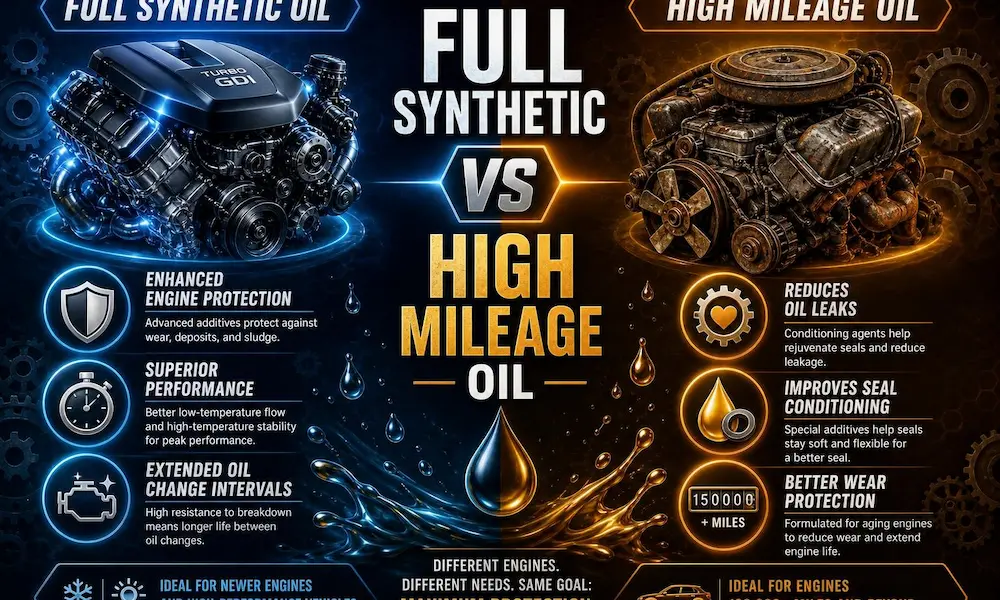
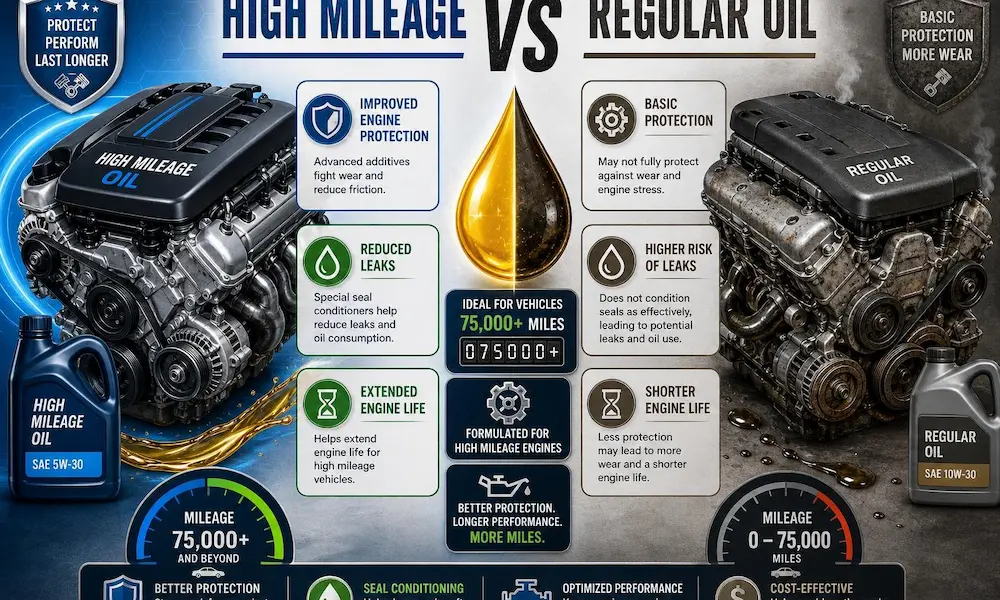
| High Mileage Booster | Seal conditioners + antioxidants | Engines over 75,000 miles with minor leaks |
The GF-7 Upgrade You Should Know About
The oil industry just shifted to ILSAC GF-7 and API SQ standards (licensed early 2025). The big changes include better timing chain protection, improved piston cleanliness, and better fuel economy over the full drain interval.
GF-7 also splits into two categories:
- GF-7A — covers standard viscosities like 5W-30 and 0W-20, backward compatible
- GF-7B — covers ultra-low viscosity grades like 0W-16, uses a separate shield mark to prevent misapplication
DuraMAX’s XLT Advanced Synthetic line already covers both, including ultra-low viscosity grades that use advanced thin-film technology to maintain protection despite their incredibly low resistance.
The 500,000-Mile Warranty: Bold Marketing or Genuine Confidence?
DuraMAX offers the Liquid Armor Engine Warranty — up to 10 years or 500,000 miles for vehicles using the XLT Advanced Synthetic line. That’s a jaw-dropping number.
But read the terms carefully. To keep it valid, you must:
- Enroll before 100,000 miles
- Use only DuraMAX oil continuously
- Change the oil every 7,500 miles or annually (10,000-mile intervals void it)
- Keep every service receipt
Coverage includes pistons, rings, camshafts, crankshafts, bearings, oil pumps, and timing chains. It doesn’t cover electronics, transmissions, or anything unrelated to lubrication.
Here’s the honest breakdown: engines that use quality synthetic oil and get changed on schedule rarely fail from internal wear anyway. The warranty is smart actuarial marketing — it drives upsells at the service counter and locks customers into repeat visits. But the product backing it is genuinely solid.
DuraMAX vs. Legacy Brands: Is There a Real Difference?
Automotive forums like Bob Is The Oil Guy debate this constantly. The consensus among practical mechanics is clear: a properly certified synthetic oil changed on schedule beats an expensive boutique brand used lazily every time.
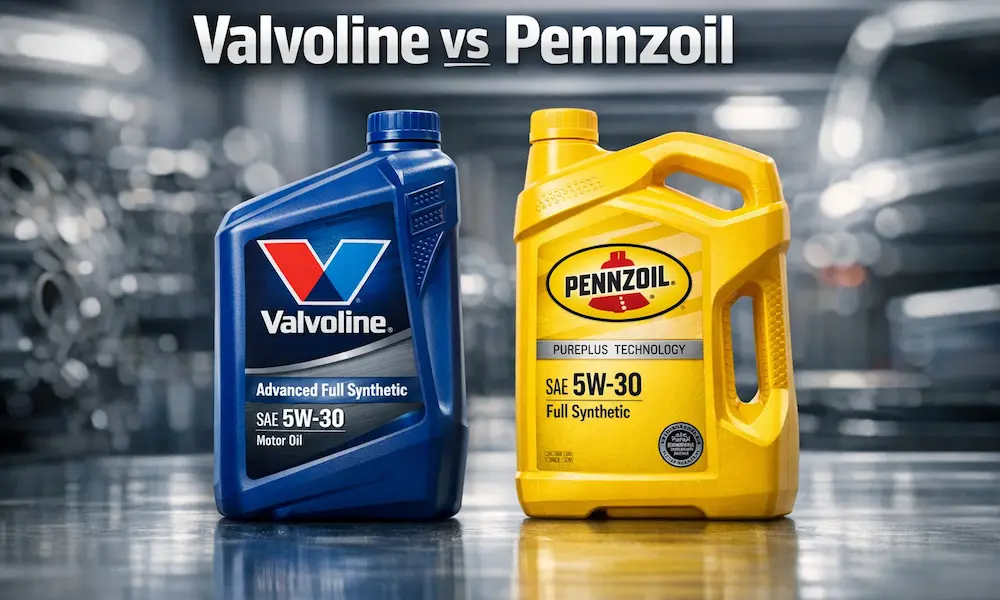
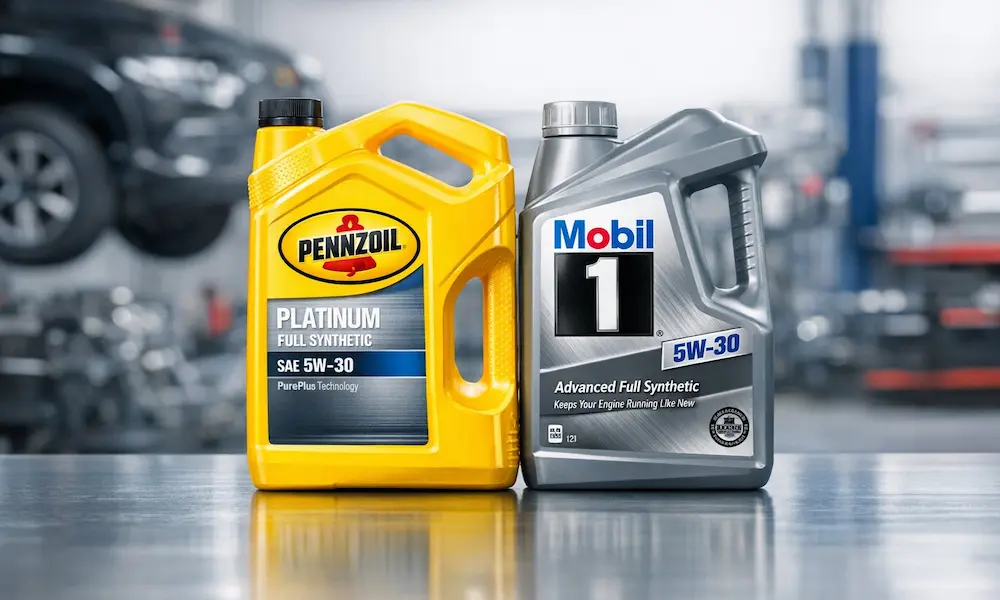
Independent comparisons repeatedly show that private-label synthetics — DuraMAX, Kirkland Signature, and SuperTech — perform virtually identically to Valvoline or Mobil 1 in controlled wear tests. The difference is the price tag, not the protection.
The bottom line? DuraMAX carries the same API and GM certifications as oils that cost twice as much retail. For most drivers, that’s all that matters.
Now, the GM Duramax Diesel Engine — What Oil Does IT Need?
This is a completely separate question. The GM Duramax engine is one of America’s most durable diesel powertrains — capable of hitting 500,000 miles with the right maintenance. But it has demanding lubrication requirements that you can’t ignore.
The 6.6-Liter V8 Duramax (LB7 through L5P)
These engines produce up to 1,000 lb-ft of torque and generate massive heat through their turbochargers. They need API CK-4 rated heavy-duty diesel oil — specifically formulated with low-SAPS chemistry (limited sulfated ash, phosphorus, and sulfur).
Why low-SAPS? Because Duramax engines built after 2007 run a Diesel Particulate Filter. High-ash oils clog it fast. Replacing that filter is expensive. Using the wrong oil is a costly mistake.
Recommended oils: Shell Rotella T6, Chevron Delo 400, Mobil Delvac 1300, Valvoline Premium Blue — all with CK-4 certification.
5W-40 vs. 15W-40: Which Viscosity Wins?
| Viscosity | Best For | Trade-Off |
|---|---|---|
| 15W-40 (conventional or synthetic blend) | Warm climates, heavy hauling, high-mileage engines | Slower cold-start flow |
| 5W-40 full synthetic | Year-round use in most climates | Slightly higher cost |
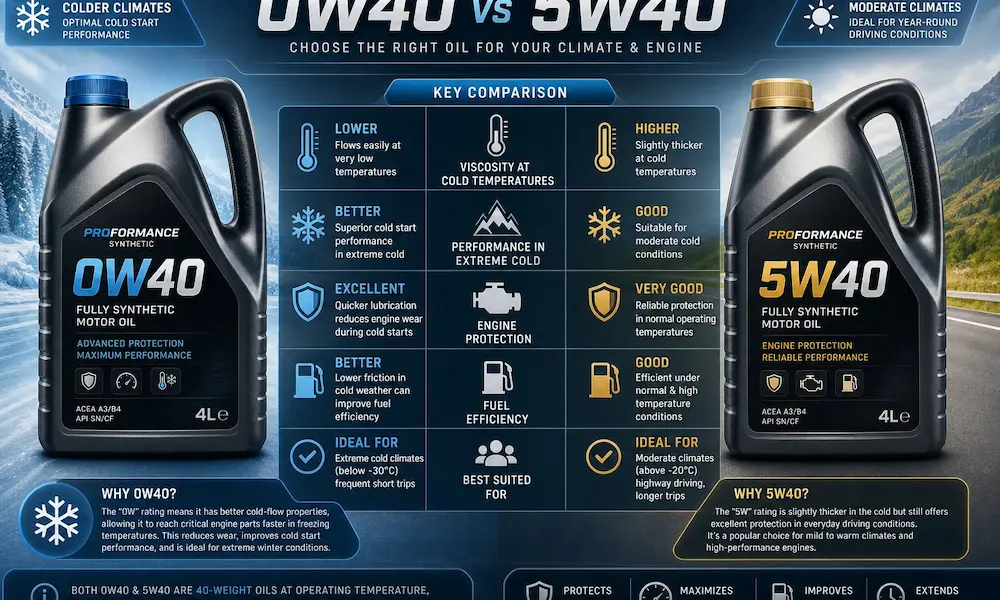
Most diesel technicians now favor 5W-40 full synthetic for all-season use. It flows instantly in cold starts, reaches turbo bearings faster, and handles extreme heat better than conventional blends.
The Typewriter Tick — What’s Going On?
Many Duramax owners (especially LML generation) report a random metallic ticking noise right after an oil change. Forum discussions on r/Duramax consistently note that Shell Rotella T6 sometimes amplifies it, while Chevron Delo 400 or Mobil Delvac 1300 often quiets it. Nobody’s definitively solved this mystery, but it’s likely tied to differences in friction modifier packages between brands. GM considers it a non-issue — but it bothers owners enough to influence brand choices.
The 3.0-Liter Duramax Inline-Six: A Controversial Specification
The LM2 and LZ0 light-duty Duramax engines in half-ton trucks use a completely different oil spec: 0W-20 dexosD certified full synthetic. That’s an unusually thin oil for a diesel engine.
GM engineered the tight bearing clearances and high-volume oil pump around this viscosity for fuel economy. But some owners who tow heavily argue for stepping up to 0W-30, which maintains the same cold-start flow but holds viscosity better at extreme temperatures (240–260°F under a loaded tow).
The risk? Deviating from factory spec can void your powertrain warranty. That’s a serious financial exposure. Until GM changes its recommendation, running dexosD 0W-20 from a quality brand is the safest call — and tracking oil temperature if you tow regularly is smart practice.
Predictive Maintenance: How to Reach 500,000 Miles on a Duramax Diesel
Relying on the dashboard oil life monitor alone won’t get you to 500,000 miles. The pros use Used Oil Analysis (UOA) — lab testing that measures exactly what’s happening inside your engine.
UOA tracks three critical factors:
1. Fuel dilution — Diesel particulate filter regeneration cycles inject raw fuel into the exhaust stream. Some of it washes into the crankcase and thins your oil. High fuel dilution points to failing injectors or excessive regen cycles — before the damage shows up as metal wear.
2. Soot loading — Diesel combustion pushes soot past the rings into the oil. CK-4 oils disperse it, but the oil eventually saturates. UOA tells you when the oil actually needs changing — not just when the mileage says so.
3. Wear metal trending — Elevated iron, aluminum, copper, or lead in the sample warns you of developing mechanical problems weeks or months before failure. It’s cheap insurance against a very expensive engine repair.
What’s the Right Oil Change Interval?
- Normal driving (mixed highway): 5,000–7,500 miles is a safe baseline
- Severe duty (heavy towing, lots of idling, short trips): Drop to 3,000–5,000 miles
- Highway-only with full synthetic and bypass filtration: Up to 10,000 miles — only confirmed safe through consecutive favorable UOA reports
The 6.6L Duramax holds about 10 quarts of oil, so every service counts. Don’t stretch intervals based on guesses.
The Verdict: Is DuraMAX Oil Good?
For the DuraMAX brand: Yes — it’s genuinely good oil. Independent lab testing confirms a robust additive package, proper certifications, and real-world performance that matches legacy brands at a lower cost. The 500,000-mile warranty is clever marketing, but it’s backed by a product that earns its stripes. If your quick-lube uses it, don’t stress.
For your GM Duramax diesel engine: Brand loyalty matters less than choosing the correct specification. Use API CK-4 certified 5W-40 full synthetic in the 6.6-liter, follow the dexosD 0W-20 spec in the 3.0-liter (unless you’ve done real homework on the 0W-30 debate), and invest in periodic Used Oil Analysis if you plan to push serious miles.
The engine that gets consistent oil changes with the right certified oil will outlast the one babied with an expensive brand but neglected on intervals — every single time.