Ever hit a pothole and immediately worried about your tires? Or found yourself with a flat from a random nail on the highway? Road hazards are unpredictable, and when they strike, they can leave you with unexpected costs. Road hazard warranties promise protection against these surprises, but the big question remains – are they actually worth your money?
I’ve researched the facts, crunched the numbers, and analyzed real-world scenarios to help you decide if that extra protection makes financial sense for your situation.
What Exactly Is a Road Hazard Warranty?
A road hazard warranty is a protection plan that covers damage to your tires caused by normal road conditions. When you purchase new tires, dealers often offer this additional coverage for an extra fee.
What These Warranties Cover
Road hazard warranties typically cover damage from:
- Punctures from nails, screws, or glass
- Impact damage from potholes or road debris
- Cuts and bruises from rough road surfaces
- Blowouts resulting from road hazards (not from wear and tear)
Most warranties include the cost of:
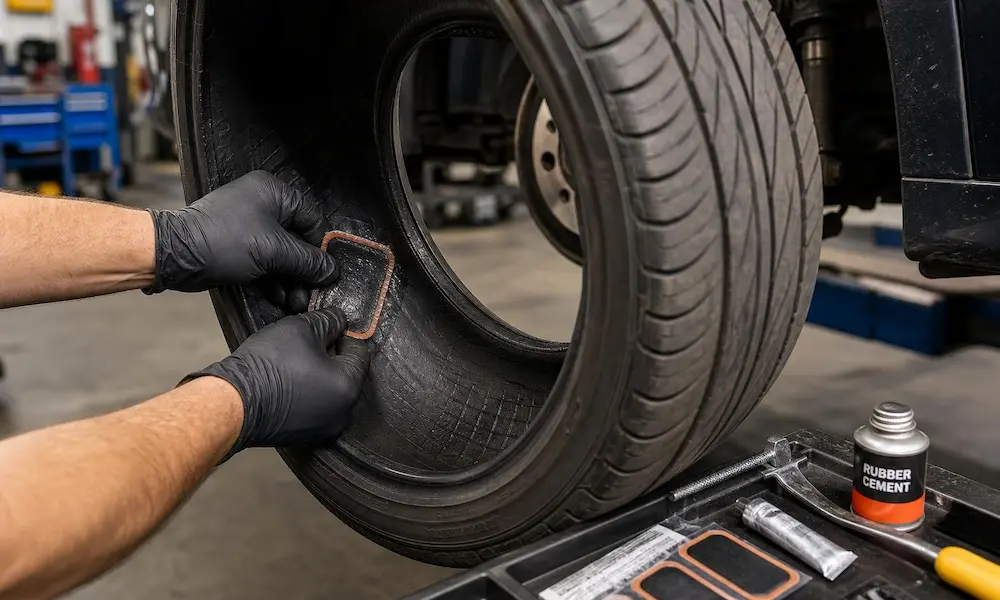
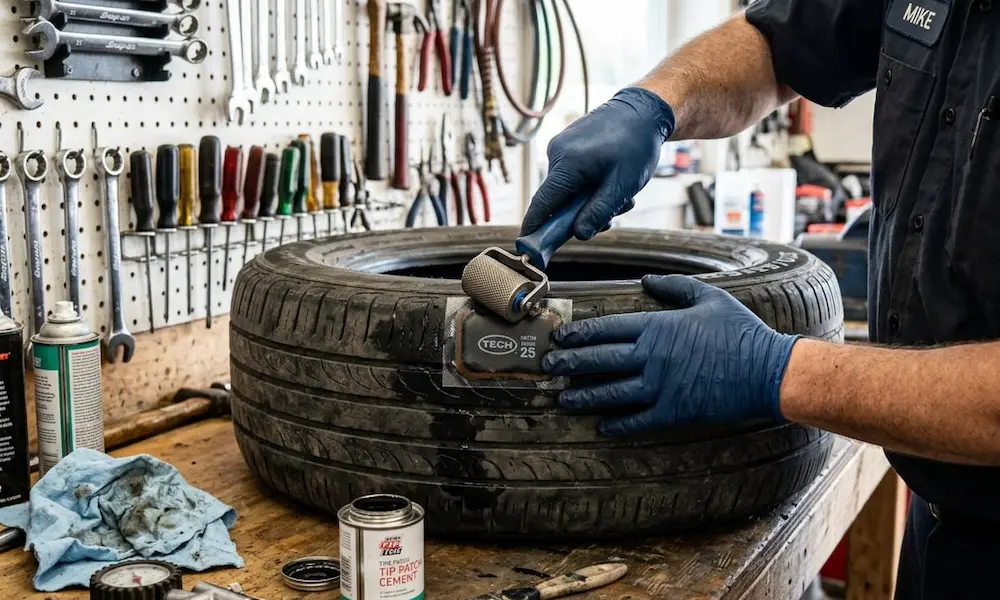
- Tire repair or replacement
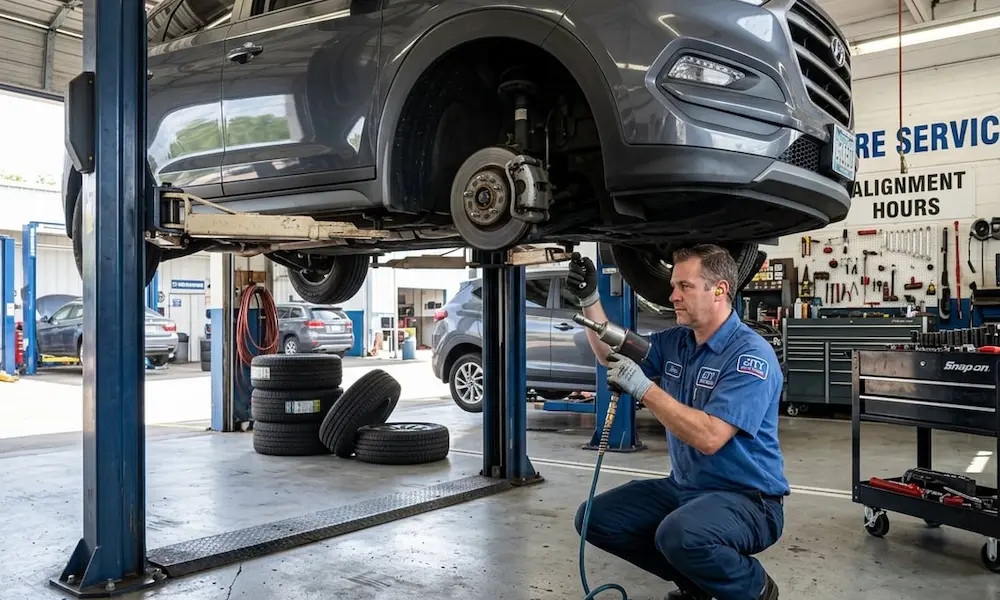
- Mounting and balancing
- Valve stems
- Environmental fees
- Applicable taxes
Many premium road hazard warranties go further by offering:
- Roadside assistance with reimbursement ($50-100 per incident)
- Cosmetic wheel damage coverage (on higher-tier plans)
- Alternate transportation reimbursement
What’s Not Covered
Don’t expect these warranties to cover everything. Common exclusions include:
- Normal wear and tear
- Manufacturing defects (these are covered by manufacturer warranties)
- Damage from accidents or collisions
- Vandalism or theft
- Improper tire maintenance
- Damage from driving with incorrect tire pressure
- Off-road usage damage
Most importantly, these warranties become invalid once your tire tread reaches 2/32″ or 3/32″ of an inch. This means older, worn tires may not qualify for coverage even if damage occurs.
How Much Do Road Hazard Warranties Cost?
The pricing structure for road hazard warranties follows fairly standard patterns across the industry.
Typical Pricing Models
Road hazard warranties generally cost between 10-15% of your tire purchase price. For standard passenger vehicles, this translates to approximately:
- $15-25 per tire for standard passenger tires
- $46-63 for all-season tires
- $62 for all-terrain tires
For premium or performance tires, the cost increases proportionally:
- $60-75 per tire for high-performance tires costing $400-500 each
- Tesla Model Y Performance owners report warranty costs around $330 for four tires
Some retailers offer flat-rate pricing regardless of tire cost, which can be a better value for expensive tires.
The Break-Even Point
From a purely mathematical standpoint, the break-even point occurs when you experience one non-repairable tire failure during the warranty period across a four-tire set.
Consider these costs:
- Tire repairs typically cost $20-50
- Tire replacements range from $100-500+ per tire
For example, if you purchase a $175 tire with a $26 warranty cost, you break even if one tire requires replacement within the coverage period.
Interestingly, Consumer Reports research shows that only 24% of road hazard warranty purchasers actually used their coverage when surveyed. This suggests that statistically, warranty providers maintain profitable margins.
When Road Hazard Warranties Make the Most Sense
While statistics suggest most people don’t use their warranties, certain situations make them particularly valuable.
You Drive in High-Risk Environments
Road hazard warranties provide exceptional value if you regularly drive in:
- Construction zones with higher risks of nails, screws, and metal debris
- Urban areas with aging infrastructure and frequent potholes, especially during winter freeze-thaw cycles
- Rural areas with gravel roads, forest service roads, or sharp rocks and debris
Drivers who’ve experienced multiple flats in construction-heavy neighborhoods report that warranties quickly pay for themselves.
You Have Vulnerable Tires or Vehicles
Certain tire and vehicle types face higher risks:
- Low-profile tires with shallow sidewalls can’t absorb impacts as effectively, making them more vulnerable to pothole damage
- Expensive tires mean higher replacement costs when damage occurs
- Electric vehicles often use harder tire compounds and higher air pressures for range efficiency, potentially increasing puncture risks
- AWD vehicles may require pair or full-set replacement to prevent drivetrain damage
Your Financial Situation
Road hazard warranties make particular sense if you:
- Have limited emergency funds and can’t easily absorb unexpected tire replacement costs
- Are “living paycheck to paycheck with no ready access to savings,” as financial expert Clark Howard recommends
- Have a leased vehicle that must be returned with proper tires in good condition
When You Might Want to Skip the Warranty
Road hazard warranties aren’t the right choice for everyone. Consider alternatives in these situations:
Your Auto Insurance Might Cover Some Damage
Comprehensive auto insurance may cover tire damage in specific scenarios:
- Damage from collisions or accidents
- Vandalism damage
- Storm damage
However, be aware that:
- Most policies require paying deductibles that often exceed tire replacement costs
- Filing claims for tire damage could potentially impact your insurance rates
- Insurance typically excludes normal wear and tear or isolated road hazard damage
Self-Insurance Is an Option
Financial experts often advocate for a self-insurance approach:
- Maintain a dedicated emergency fund for vehicle repairs instead of purchasing warranties
- Set aside the equivalent of warranty premiums in a savings account
- For example, saving $100 annually for tire emergencies creates a $500 fund after five years
For drivers with adequate savings, this strategy typically provides better long-term value since warranty premiums generally exceed expected claim values.
Free Alternatives Exist
Before purchasing a warranty, check if you already have coverage:
- Some tire manufacturers include complimentary road hazard coverage with certain tire lines
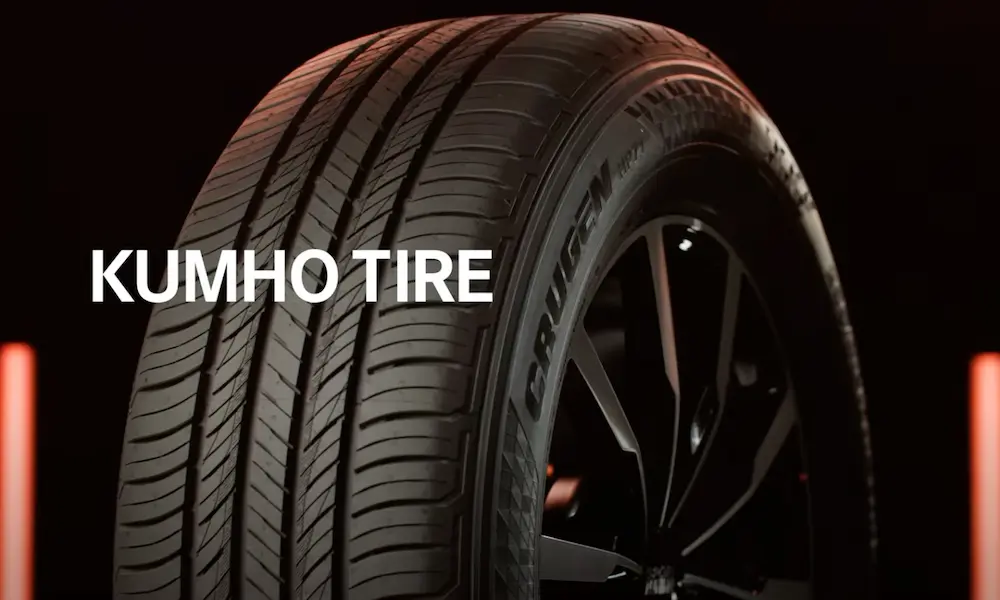
- Brands like Bridgestone, Continental, Hankook, Kumho, and Nexen offer free road hazard warranties on select products
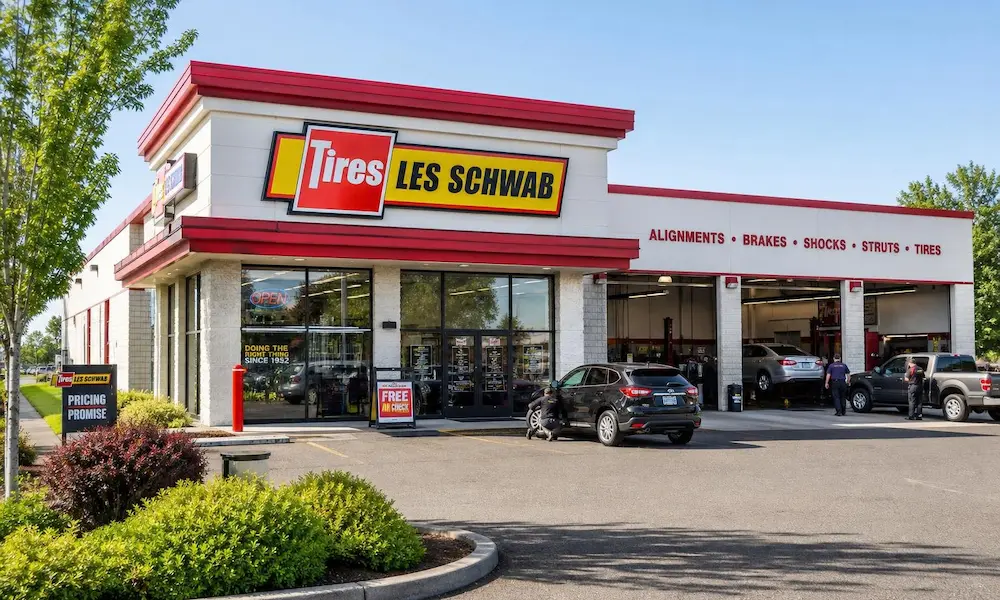
- Retailers like Discount Tire and Les Schwab provide free tire repairs regardless of purchase location
- AAA membership often includes tire-related benefits like roadside assistance and service discounts
Road Hazard Warranty Providers: Not All Are Equal
The value proposition varies significantly depending on where you purchase your warranty.
Retailer-Specific Programs
- Tire Rack includes free road hazard protection with most tire purchases, covering puncture repairs up to $40 and replacement costs up to $599
- Costco provides complimentary road hazard coverage for members, one of the most generous programs available
- Dealership programs through manufacturers like GM and Ford typically cost more but may offer longer coverage periods and integration with vehicle financing
What to Look For in a Quality Program
When comparing road hazard warranties, evaluate:
- Coverage limits – Maximum benefit amounts and repair/replacement parameters
- Prorated benefits – Some warranties reduce coverage as tire tread wears down
- Claims process – How easy is it to file a claim? Can you use any repair shop?
- Roadside assistance – Is it included, and what are the reimbursement limits?
- Coverage period – How long does protection last? Miles or years?
Assessing Your Personal Risk
To determine if a road hazard warranty makes sense for you, consider these factors:
Your Driving Patterns
- Annual mileage – High-mileage drivers (20,000+ miles annually) face proportionally higher exposure to road hazards
- Historical tire damage – Have you experienced frequent flats or tire damage in the past?
- Typical routes – Do you regularly drive on roads with construction, potholes, or debris?
Geographic Considerations
- Climate factors – Harsh winter climates create more potholes and road damage
- Construction activity – Areas with significant construction present elevated puncture risks
- Road quality – Some regions have chronically poor road maintenance
Your Risk Tolerance
Ultimately, the decision hinges on your personal risk tolerance and financial management preferences:
- Risk-averse drivers may find peace of mind worth the premium cost
- Financially disciplined drivers often prefer maintaining control over their emergency funds
- When road hazard coverage comes included with tire purchases or retailer memberships, the decision is simple—take the free protection
Real-World Examples: When Warranties Paid Off
| Scenario | Without Warranty | With Warranty | Savings |
|---|---|---|---|
| Performance tire damaged by pothole | $450 replacement cost | $0 out-of-pocket | $450 |
| Two punctures in one year on standard tires | $40 repair × 2 = $80 | $0 out-of-pocket | $80 |
| Sidewall damage requiring replacement | $175 tire + $25 mounting = $200 | $0 out-of-pocket | $200 |
When Warranties Didn’t Make Financial Sense
| Scenario | Warranty Cost | Actual Damage | Net Loss |
|---|---|---|---|
| No damage over 4-year tire life | $25 × 4 tires = $100 | $0 | -$100 |
| One repairable puncture | $25 × 4 tires = $100 | $25 repair cost | -$75 |
| Damage after tread worn below 3/32″ | $25 × 4 tires = $100 | Not covered | -$100 |
Making Your Decision
When deciding on a road hazard warranty, ask yourself:
- Do I drive in areas with frequent road hazards?
- Do my tires have features that make them more vulnerable to damage?
- Would an unexpected tire replacement create financial hardship?
- Does the warranty include valuable extras like roadside assistance?
- Am I disciplined enough to self-insure by saving the warranty cost?
If you answered “yes” to questions 1-4, a road hazard warranty might be a smart investment. If you answered “yes” to question 5 and “no” to the others, self-insurance might be your better option.
The Bottom Line on Road Hazard Warranties
Road hazard warranties present a nuanced value proposition that depends heavily on your individual circumstances, driving patterns, and risk tolerance.
They’re most worthwhile if you:
- Drive expensive or low-profile tires
- Frequently travel through hazard-prone environments
- Have limited emergency funds
- Own vehicles requiring complete tire set replacements
Remember that only about one-quarter of warranty purchasers actually use their coverage, suggesting that statistically, most drivers would accumulate greater value by banking warranty premiums in dedicated repair funds.
If your retailer offers free road hazard protection with your tire purchase, the decision is a no-brainer – take the coverage. For everyone else, carefully weigh your specific risks against the warranty cost to make the choice that best protects both your tires and your wallet.