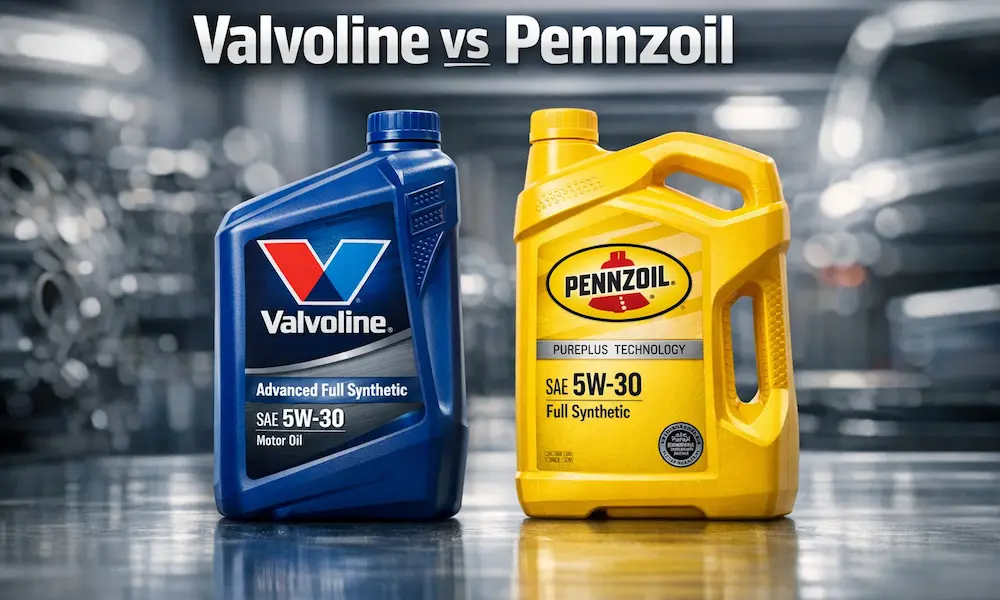
Wondering if Valvoline’s worth your money? You’re shopping smart by digging deeper before dumping oil into your engine. With over 150 years making lubricants, Valvoline’s got serious street cred, but let’s see if the science backs up the hype. We’ll break down real testing data, compare it against competitors, and help you decide if it’s the right choice for your ride.
What Makes Valvoline Stand Out From Other Oils
Valvoline holds the title as America’s first motor oil brand, and they’ve spent those 150 years learning what works. But history doesn’t mean much if the product falls flat.
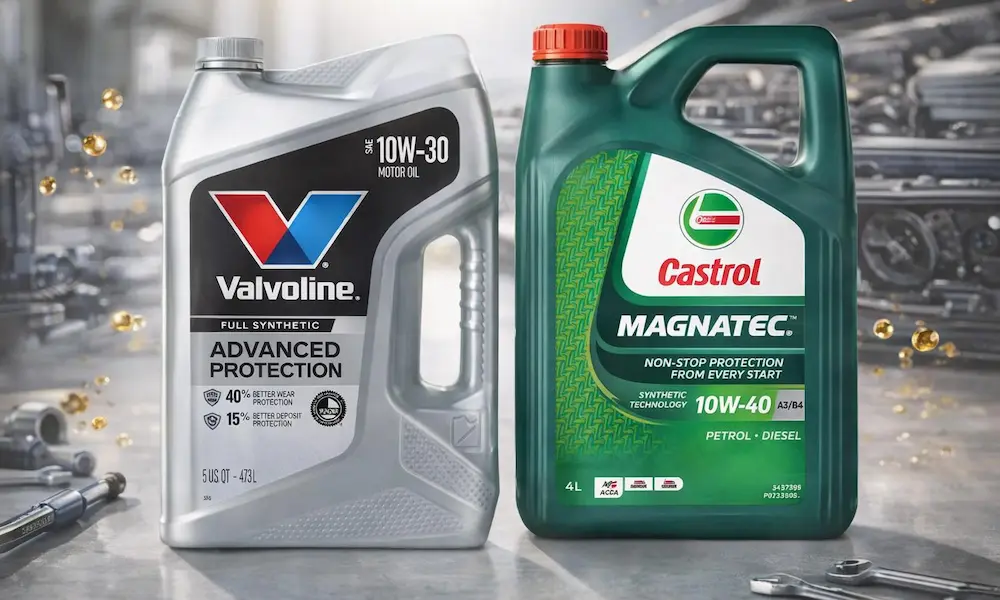
Here’s the thing: is Valvoline good oil based on actual performance? Independent testing says yes. Their Advanced Full Synthetic delivers 40% better wear protection than industry standards. That’s not marketing fluff—it’s measurable data.
The brand offers everything from basic conventional oil to high-performance racing formulas. Each product line targets specific needs, whether you’re driving a 200,000-mile Honda or building a track monster. This range matters because one-size-fits-all rarely works in engine protection.
What separates Valvoline from budget brands is their additive packages. They use zinc, phosphorus, and specialized detergents that create actual barriers between metal parts. When your engine fires up on a cold morning, those additives prevent metal-on-metal grinding that kills engines over time.
Breaking Down Valvoline’s Product Lineup
Advanced Full Synthetic Motor Oil
This is Valvoline’s mainstream synthetic option, and it punches above its weight class. Testing shows it provides 24X stronger protection against engine-killing contaminants compared to leading competitors—particularly when dealing with water, fuel, and ethanol contamination.
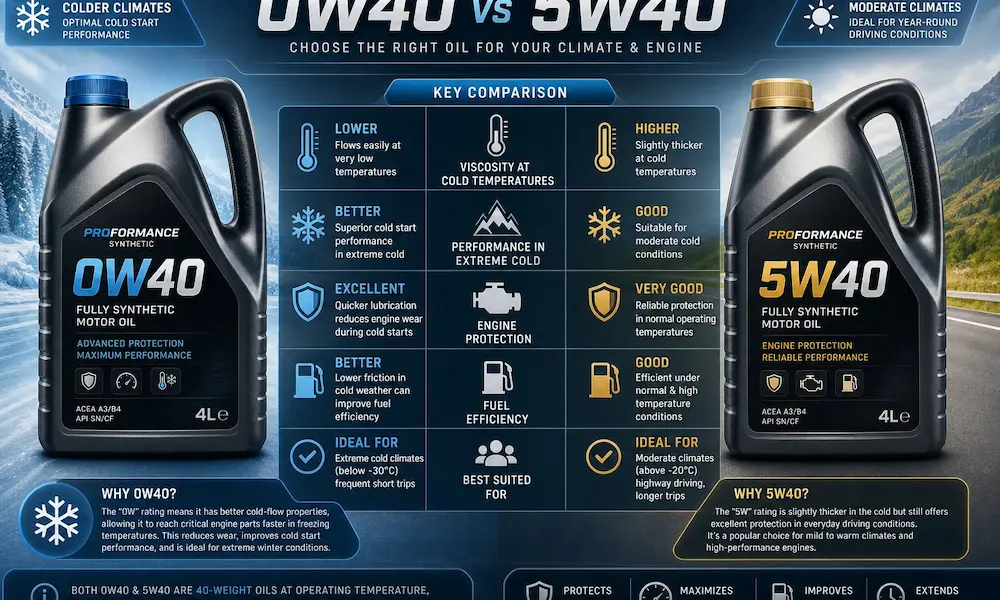
Temperature performance is rock solid. This oil flows at -30°C without turning into molasses, and it resists breakdown when your engine’s cooking at high temps. That matters if you live somewhere with brutal winters or scorching summers.
At roughly $6.98 per quart or $26.97 for five quarts, you’re getting synthetic protection without the premium price tag. It’s about 15-20% cheaper than Mobil 1 Extended Performance while delivering comparable protection.
The oil meets ILSAC GF-6A and API SP specifications, which means it’s certified for modern turbocharged and direct-injection engines. These certifications aren’t optional—they’re essential for keeping your warranty valid.
MaxLife High Mileage Series
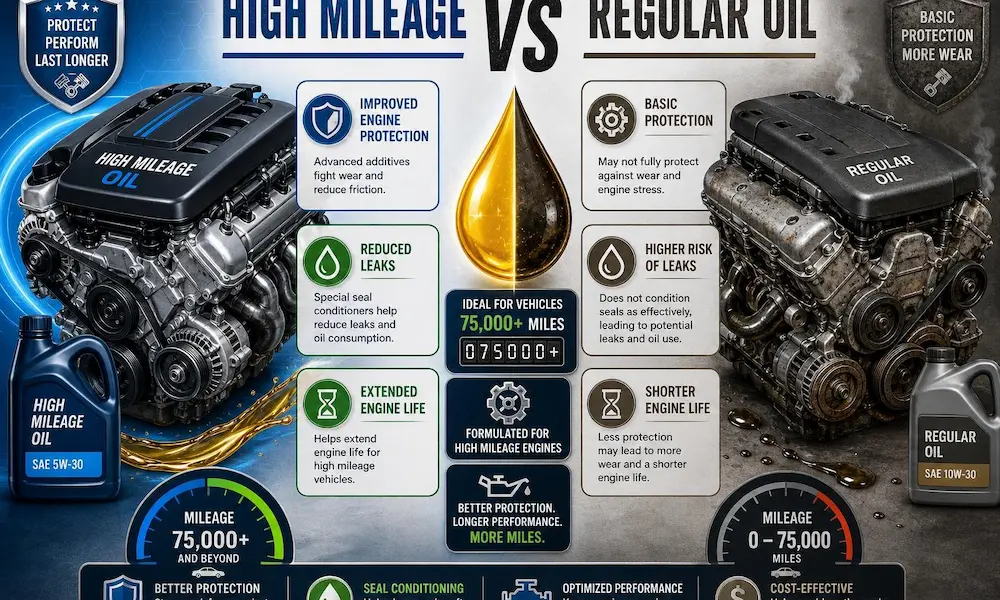
Got a vehicle pushing 75,000 miles or more? MaxLife targets aging engines with seal conditioners and beefed-up additive packages. Real-world users report quieter engine operation and reduced oil leakage after switching.
The secret sauce is seal conditioners that rejuvenate aging rubber seals. As engines age, seals dry out and shrink, causing leaks. MaxLife’s formula helps prevent and treat these issues while cutting oil consumption.
Testing reveals 50% better wear protection than industry standards. Users running vehicles past 175,000 miles report minimal oil consumption issues, which is impressive for high-mileage applications.
At approximately $10.99 for five quarts, it’s stupid cheap for what you get. Compare that to premium high-mileage oils costing twice as much, and MaxLife becomes a no-brainer for older vehicles.
VR1 Racing Oil
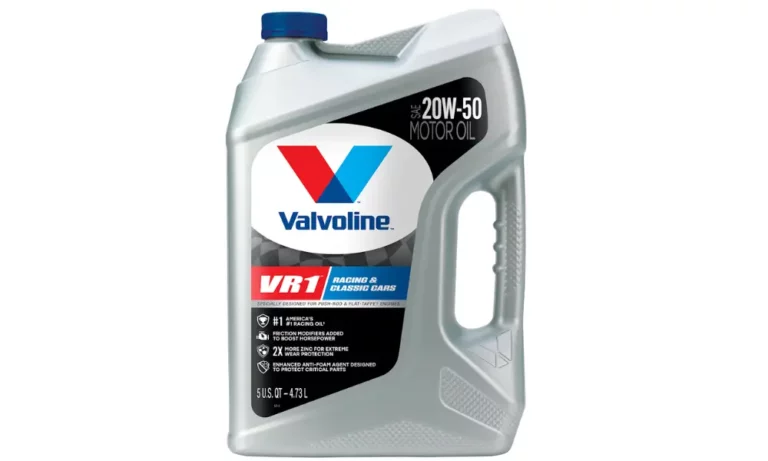
If you’re running performance engines or classic cars with flat-tappet camshafts, VR1 is America’s #1 selling racing oil for good reason. Recent formulations improved significantly after Valvoline dialed in their detergent levels.
Wear testing places VR1 among the top performers. The conventional 10W30 version hit 103,505 psi in load-carrying capacity tests, while the synthetic reached 101,139 psi. Both scores land in the “Outstanding” wear protection category, crushing industry benchmarks.
The reformulated VR1 reduced camshaft lobe wear by roughly 60% in extended testing—from 0.3 thousandths to 0.1 thousandths per lobe. That’s massive for anyone running aggressive cam profiles or high-stress applications.
With zinc levels between 1100-1600 ppm, VR1 provides the protection flat-tappet engines demand. Modern oils cut zinc to protect catalytic converters, but older performance engines need that zinc to survive.
Restore & Protect Innovation
This is Valvoline’s newest product, and it’s turning heads. It’s the first motor oil specifically designed to remove existing deposits while preventing new ones.
Lab testing shows it can remove up to 100% of deposits from piston ring grooves and landing areas using proprietary Active Clean technology. Real users report visible improvements within 500-5,000 miles.
One Honda Accord owner with 92,000 miles ran used oil analysis showing significant cleaning activity. The dissolved deposits appeared in the analysis without clogging filters, proving the cleaning works without creating problems.
The oil delivers 79% stronger anti-wear protection while maintaining certifications for modern engines. However, volatility testing revealed 16.5% weight loss after seven hours at 380°F. That’s higher than conventional synthetics, meaning you’ll want to monitor oil levels during extended drain intervals.
How Valvoline Compares Against Premium Competitors
So is Valvoline good oil when stacked against the big names? Let’s look at hard data.
Professional tribological testing consistently ranks Valvoline favorably against premium competitors. Multiple Valvoline products achieved “Outstanding” wear protection ratings exceeding 90,000 psi in comprehensive 48-oil testing.
Temperature stability testing confirms Valvoline oils maintain protection from -40°C cold starts to 100°C+ operating temperatures. That range covers virtually every driving condition you’ll encounter.
Valvoline ran a 500,000-mile comparison study between their full synthetic and conventional oils. The results were dramatic—full synthetic engines showed significantly reduced sludge, cleaner internals, and improved wear characteristics.
Quality control through PQIA (Petroleum Quality Institute of America) confirms Valvoline products consistently meet labeled specifications for viscosity, volatility, and additive content. Independent analysis validates their claimed performance, giving you confidence in what you’re buying.
Price vs. Performance: Does Valvoline Deliver Value?
Here’s where Valvoline shines. They position themselves as a value-oriented premium brand, offering advanced formulations without the premium markup.
| Product | Valvoline Price | Competitor Price | Savings |
|---|---|---|---|
| Full Synthetic (5qt) | $26.97 | $32-35 | 15-20% |
| High Mileage (5qt) | $10.99 | $20-25 | 45-55% |
| Racing Oil (1qt) | $8-10 | $12-15 | 20-30% |
For high-mileage applications, the value proposition gets even better. MaxLife products offer seal conditioning and leak prevention at roughly half the cost of premium alternatives.
Racing applications find exceptional value in VR1 formulations. You’re getting professional-grade protection at prices that won’t break the bank if you’re doing frequent oil changes on track cars.
Recent market analysis shows Valvoline Restore & Protect has become the most popular choice in 2025, significantly boosting the brand’s position. This trend reflects growing interest in cleaning technologies and preventive maintenance.
Real-World Performance: What Users Actually Report
Industry professionals and enthusiasts on forums like Bob Is The Oil Guy consistently praise Valvoline’s quality. The feedback pattern is clear: people get good results across product lines.
MaxLife users report improved fuel economy, reduced engine noise, and extended engine life. One user mentioned their high-mileage vehicle stopped consuming oil after switching to MaxLife synthetic blend.
VR1 users running classic muscle cars report excellent protection for flat-tappet camshafts, with several mentioning they’ve used it for years without issues. The zinc content provides peace of mind for expensive vintage engines.
Restore & Protect users share before-and-after stories of cleaner engines. One analysis from a 2017 Honda Accord showed significant cleaning activity without filter clogging, proving the technology works as advertised.
The consistent theme across reviews? Valvoline delivers solid protection at competitive prices. You’re not getting ripped off, and your engine isn’t suffering for the savings.
Technical Certifications That Actually Matter
All current Valvoline formulations meet or exceed API SP, ILSAC GF-6A, and GM dexos1 Gen 3 requirements. These aren’t just random letters—they’re essential certifications that prove the oil works with modern engine tech.
ILSAC GF-6A certification ensures compatibility with gasoline direct injection, turbocharging, and variable valve timing systems. Modern engines run hotter and tighter than older designs, demanding oils that can handle increased stress.
European specification compliance through products like SynPower ensures proper lubrication for imported vehicles requiring ACEA standards. If you’re driving a BMW, Mercedes, or Volkswagen, Valvoline offers options that meet those specs.
These certifications protect your warranty. Using oil that doesn’t meet manufacturer specifications can void warranty coverage, leaving you stuck with expensive repair bills.
Which Valvoline Oil Should You Actually Use?
For most daily drivers with modern engines, Valvoline Advanced Full Synthetic delivers excellent value with proven protection. It’s affordable, widely available, and meets all the specs your owner’s manual requires.
High-mileage vehicles over 75,000 miles benefit significantly from MaxLife formulations. The seal conditioners and enhanced protection target aging engine issues at a price point that makes sense for older vehicles.
Performance and racing applications find exceptional protection in VR1 products. If you’re running aggressive camshafts, high compression, or track duty, the extra zinc and wear protection justify the slightly higher cost.
Engines with deposit buildup or those you want to keep ultra-clean should consider Restore & Protect. The cleaning technology represents cutting-edge development, though you’ll want to monitor oil levels due to higher volatility.
Here’s a quick decision guide:
| Your Situation | Best Valvoline Choice | Why |
|---|---|---|
| Modern daily driver | Advanced Full Synthetic | Best value for protection |
| 75,000+ miles | MaxLife | Seal conditioning prevents leaks |
| Performance/classic car | VR1 Racing | High zinc for flat-tappet cams |
| Engine with deposits | Restore & Protect | Active cleaning technology |
The Bottom Line on Valvoline Quality
So is Valvoline good oil? The evidence strongly supports yes. Independent testing, real-world results, and over a century of experience combine to create products that protect engines without emptying wallets.
Key strengths include outstanding wear protection (especially in VR1), innovative cleaning technology in Restore & Protect, competitive pricing across all lines, and comprehensive temperature range performance. User satisfaction remains consistently high across product categories.
Areas to consider: higher volatility in some advanced formulations means monitoring oil levels, premium pricing for specialized products like Restore & Protect, and limited availability of some European specification oils in certain markets.
Valvoline maintains its position as a leading motor oil brand through continuous innovation and consistent quality delivery. You’re getting legitimate protection backed by measurable testing data, not just marketing promises. For most applications, Valvoline offers the sweet spot between performance and value that makes sense for your engine and budget.