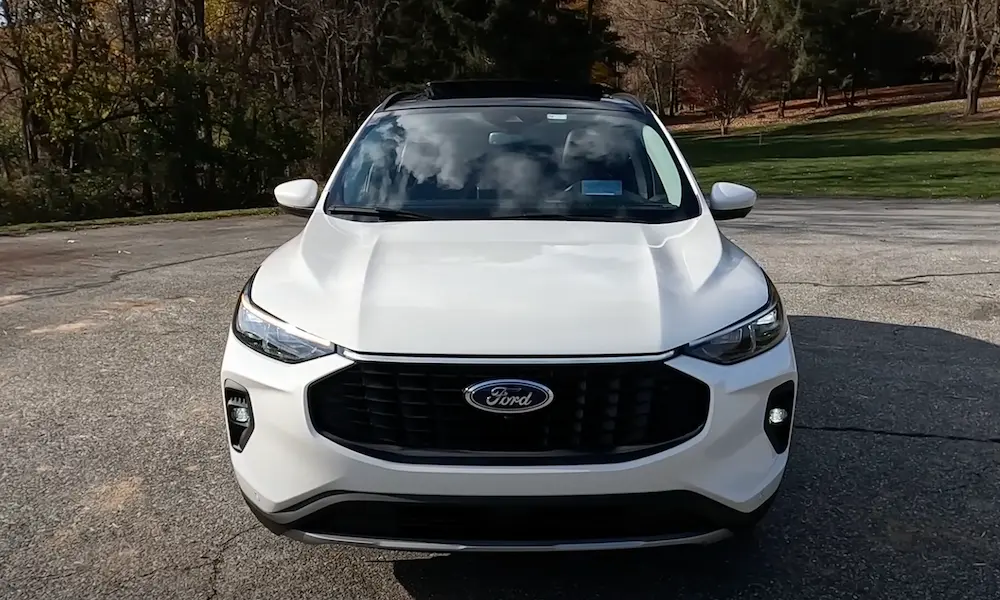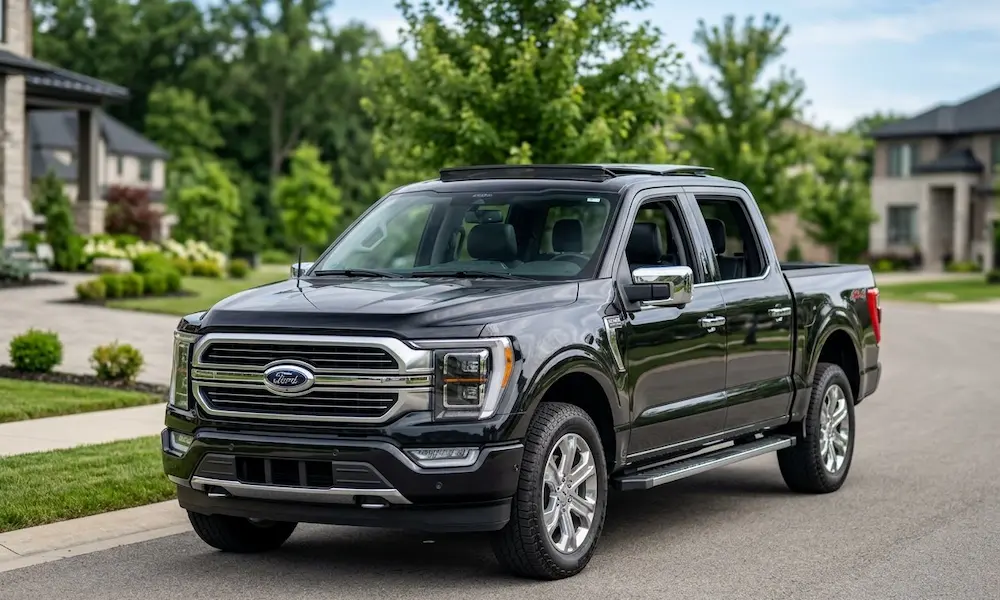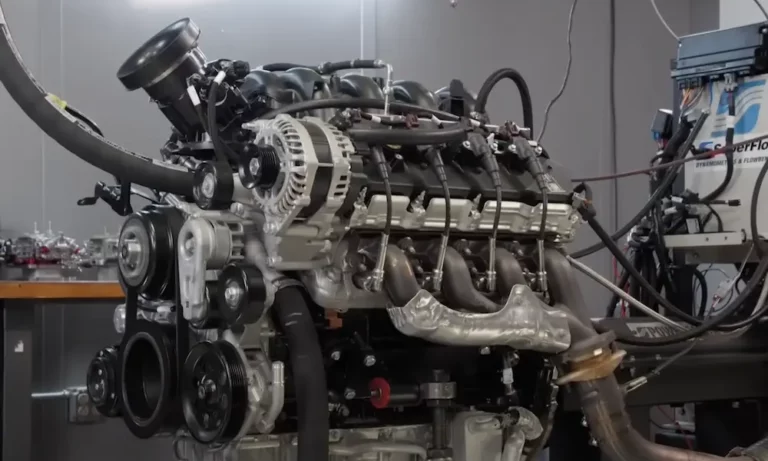
Thinking about a Ford Super Duty with the 7.3 Godzilla engine? While this powerhouse was designed to deliver diesel-like torque with gasoline convenience, it’s developed some concerning issues that deserve your attention. I’ve researched the most common Ford 7.3 gas problems that owners are experiencing and put together this comprehensive guide to help you understand what might go wrong, what it could cost, and how to protect yourself.
The Most Serious Ford 7.3 Gas Problem: Lifter and Camshaft Failure
The 7.3L Godzilla engine’s most critical issue is lifter and camshaft delamination failure. This isn’t just a minor hiccup – it’s a potential catastrophe for your engine.
When the hardened surface coating on lifter rollers or camshaft lobes starts flaking off (delaminating), metal debris circulates through your engine oil system. This metallic confetti wreaks havoc on internal components, leading to:
- Persistent engine ticking noises
- Rough running conditions
- Cylinder misfires
- Complete engine failure in severe cases
Research shows these failures typically happen between 30,000 and 67,000 miles, though some unlucky owners have reported problems as early as 4,200 miles. A survey of 600 Godzilla engine owners revealed a 2% failure rate for this specific problem – which might not sound high until you realize that translates to approximately 2,000 affected vehicles from 2021 production alone.
The fix isn’t cheap. When this problem occurs, Ford typically performs a complete engine replacement costing between $12,000 and $14,000. The good news? Most failures happen within the powertrain warranty period.
Oil Pressure Issues: The Root of Many Problems
A significant design flaw affecting all 2020-2024 Ford Super Duty and 2021-2025 Econoline vehicles with 6.8L or 7.3L gasoline engines involves the Variable Displacement Oil Pump (VDOP).
Here’s the problem: The system delivers dangerously low oil pressure during idle conditions – as low as 8 PSI. This insufficient lubrication leads to accelerated wear of camshaft lobes and valve tappet surfaces, especially in vehicles that idle extensively like:
- Commercial trucks
- Utility vehicles
- Work trucks
- Delivery vehicles
Ford has recognized this issue and issued Customer Satisfaction Program 24B27 to address it through a free Powertrain Control Module (PCM) software update. This program affects approximately 36,289 vehicles in the United States, with updates becoming available through July 2024.
| Vehicle Type | Oil Pressure at Idle | Risk Level |
|---|---|---|
| Standard Pickup | 8-12 PSI | Moderate |
| Commercial/Fleet | 8 PSI | High |
| High-Idle Applications | 8 PSI | Very High |
Multiple Engine Tunes and Commercial Risks
Did you know Ford produces three different power variants of the 7.3L engine with varying oil pump calibrations?
- Standard pickup truck: 430 horsepower and 475 lb-ft of torque
- Commercial chassis: 350 horsepower and 468 lb-ft of torque
- “Economy” tune (until 2024): 300 horsepower and 425 lb-ft of torque
Here’s what’s interesting: the majority of reported lifter failures occur in commercial chassis engines rather than standard pickup truck applications. This suggests Ford’s aggressive fuel economy tuning for fleet applications may have compromised lubrication system performance.
Transmission Problems With the 7.3 Gas Engine
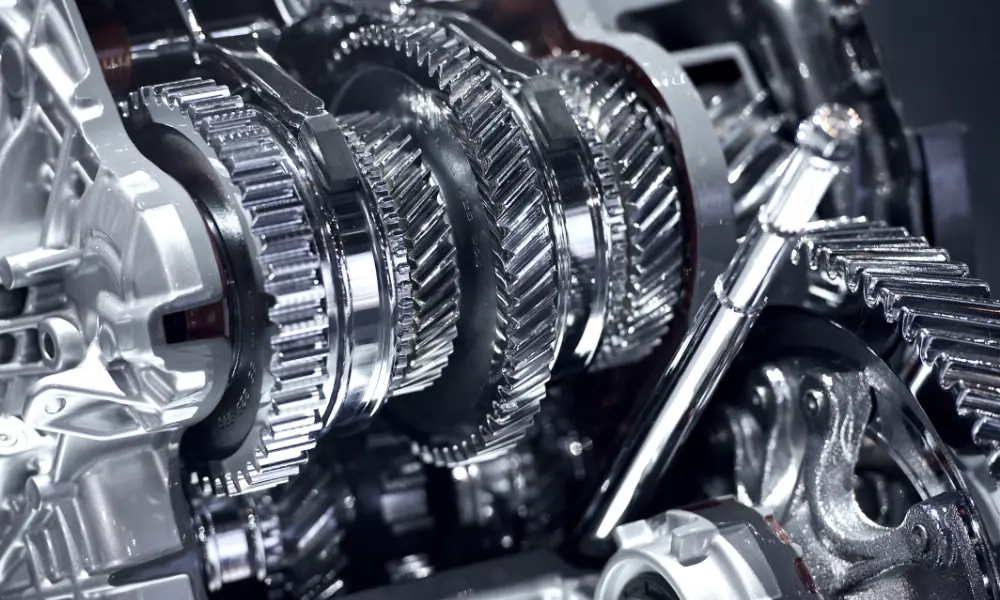
The 7.3L Godzilla engine pairs exclusively with Ford’s 10-speed TorqShift automatic transmission (10R140 in Super Duty applications). While designed to handle substantial torque, these transmissions have developed several issues:
- Rough shifting
- Delayed gear engagement
- Failure to shift properly
- Jerking movements during gear changes
Transmission repairs typically cost between $300 and $1,400, depending on the severity. Software updates and fluid changes can resolve some issues, but more severe cases may require complete transmission replacement.
Wiring Harness and Electrical Issues
Electrical gremlins are another common Ford 7.3 gas problem. Wiring harness failures particularly impact spark plug wiring, leading to:
- Cylinder misfires
- Engine performance problems
- Dashboard warning lights
- Unresponsive sensors
- Intermittent power loss
Repair costs for wiring harness problems range from $700 to $1,800. While not as severe as engine replacement, these electrical problems can significantly impact your truck’s reliability and performance.
Fuel System and Performance Concerns
Poor fuel efficiency is one of the most widespread complaints among 7.3L owners. While Ford estimates 18 MPG highway and 14 MPG city, real-world performance often falls significantly below these figures, particularly when towing or under load conditions.
Some owners report fuel economy dropping into single digits when towing heavy trailers. Additional fuel system problems include:
- Starting difficulties
- Rough idle conditions
- Hesitation during acceleration
- Poor throttle response
These issues can stem from various causes including dirty fuel injectors, vacuum leaks, faulty idle air control valves, or fuel system component failures. Repair costs range from $150 to $1,100 depending on the root cause and required components.
Understanding Your Warranty Coverage
Ford provides comprehensive powertrain warranty coverage for 5 years or 60,000 miles on all 7.3L engines. This coverage includes:
- Complete engine assembly
- Internal components
- Fuel system
- Transmission
- Related drivetrain components
Major failures like lifter/camshaft problems and transmission issues typically receive full coverage including complete engine replacement when necessary.
The powertrain warranty covers all internal lubricated engine parts, cylinder block, cylinder heads, electrical fuel pump, powertrain control module, engine mounts, flywheel, manifolds, oil pump, seals and gaskets, timing components, and turbocharger assembly.
For vehicles experiencing major engine problems under warranty, Ford often provides extended warranty coverage on replacement engines. Service managers at authorized dealers can arrange extended protection for customers who receive new engines due to warranty failures.
Early Warning Signs to Watch For
Being proactive can help you catch problems before they become catastrophic. Here are key warning signs to watch for:
- Ticking or clicking noises: Especially noticeable at idle or low RPMs, could indicate lifter problems
- Oil pressure fluctuations: Low pressure readings at idle (below 15 PSI when warm)
- Check engine light: Particularly codes related to misfires or camshaft position
- Rough idle or hesitation: When combined with other symptoms
- Metallic debris in oil: Visible on the dipstick or during oil changes
- Transmission hesitation: Rough or delayed shifts
If you notice any of these symptoms, it’s best to have your vehicle inspected immediately by a qualified Ford technician.
High-Risk Applications and Usage Patterns
Certain usage patterns significantly increase the risk of 7.3L engine problems:
- Commercial applications with extensive idling show the highest failure rates
- Vehicles used for utility work, delivery services, or any application requiring prolonged idle periods
- The combination of low oil pressure at idle and extended idle times creates optimal conditions for premature lifter and camshaft wear
Fleet operators and commercial users should prioritize the PCM software update under Customer Satisfaction Program 24B27 to address oil pump calibration issues.
Maintenance Tips to Protect Your Engine
While many 7.3L failures occur regardless of maintenance quality, proper maintenance remains crucial for maximizing engine longevity:
- Use high-quality synthetic oil
- Change oil every 5,000 miles (more frequently for high-idle applications)
- Consider oil analysis programs to detect early signs of metal contamination
- Follow Ford’s severe duty maintenance schedule if you frequently tow or operate in dusty conditions
- Have any unusual noises diagnosed immediately
- Ensure the PCM software update has been applied
Model Year Differences and Current Status
The lifter and camshaft delamination problems affect all model years from 2020 through current production. Ford has not implemented design changes to address the fundamental oil pressure issues, with 2024 model year vehicles still specifying the same minimum 8 PSI idle oil pressure that contributes to failures.
While Ford discontinued the most problematic “economy” tune in 2024, the underlying oil pump and lubrication system design remains unchanged. This suggests that potential reliability issues may continue across all model years until Ford implements more substantial design modifications.
| Model Year | Known Issues | Software Updates Available |
|---|---|---|
| 2020-2021 | Lifter/cam failures, oil pressure issues | Yes (24B27 program) |
| 2022-2023 | Continued reports of similar problems | Yes (24B27 program) |
| 2024+ | Economy tune discontinued, but base design unchanged | Rolling out through July 2024 |
Should You Buy a Ford With the 7.3 Gas Engine?
The Ford 7.3L Godzilla engine represents a significant improvement over its predecessor but carries substantial reliability risks that potential owners must understand. While the engine delivers impressive power and capability, the documented lifter failure issues, oil pump problems, and related concerns create financial and operational risks.
For commercial operators and fleet managers, the combination of higher failure rates in commercial applications and extensive idle time requirements makes the 7.3L a questionable choice compared to proven alternatives. The potential for $12,000-$14,000 engine replacement costs, even under warranty, creates significant operational disruption.
Individual truck owners considering the 7.3L should factor in the documented 2% failure rate and ensure they understand warranty coverage terms. While most failures occur within warranty periods, the inconvenience and potential for out-of-warranty problems as vehicles age represents a significant long-term risk.
The comprehensive nature of Ford’s powertrain warranty provides important financial protection, but the fundamental design issues suggest that reliability concerns may persist until Ford implements more substantial engineering changes to address oil system performance and component durability.
Owner Experience: Real Stories from the Field
Browsing through owner forums reveals the real-world impact of these issues:
“My 2021 F-250 with the 7.3 needed a complete engine replacement at 42,000 miles after the lifters failed. Ford covered it under warranty, but I was without my work truck for over three weeks.” – Forum user from Ford Tremor forum
“The dealership told me my 7.3 had classic signs of camshaft delamination. The whole engine was replaced under warranty. They said they’ve seen several with the same issue.” – Reddit user report
“I noticed a ticking sound that got progressively worse. By the time I got it to the dealer, metal particles were throughout the oil. Complete engine replacement at 36,000 miles.” – YellowBullet forum user
Making an Informed Decision
If you’re considering a Ford with the 7.3 gas engine, here’s what to keep in mind:
- Warranty status is critical – these engines are most reliable when covered under Ford’s powertrain warranty
- Driving patterns matter – vehicles with extended idle time face significantly higher risks
- Commercial applications have shown higher failure rates than personal-use vehicles
- Software updates are essential – ensure any vehicle you purchase has the latest PCM calibration
- Maintenance history should be thoroughly documented and include regular oil changes
The 7.3 Godzilla engine offers impressive power and capability when functioning properly, but potential owners should approach with eyes wide open to the documented risks and prepare accordingly.