Got an LLY Duramax and something feels off? Or maybe you’re thinking about buying one and want the full picture first. Either way, you’re in the right place. This guide breaks down every major LLY Duramax problem — from thermal meltdowns to sneaky electrical gremlins — and tells you exactly what to do about each one.
What Makes the LLY Duramax Tick (and Break)
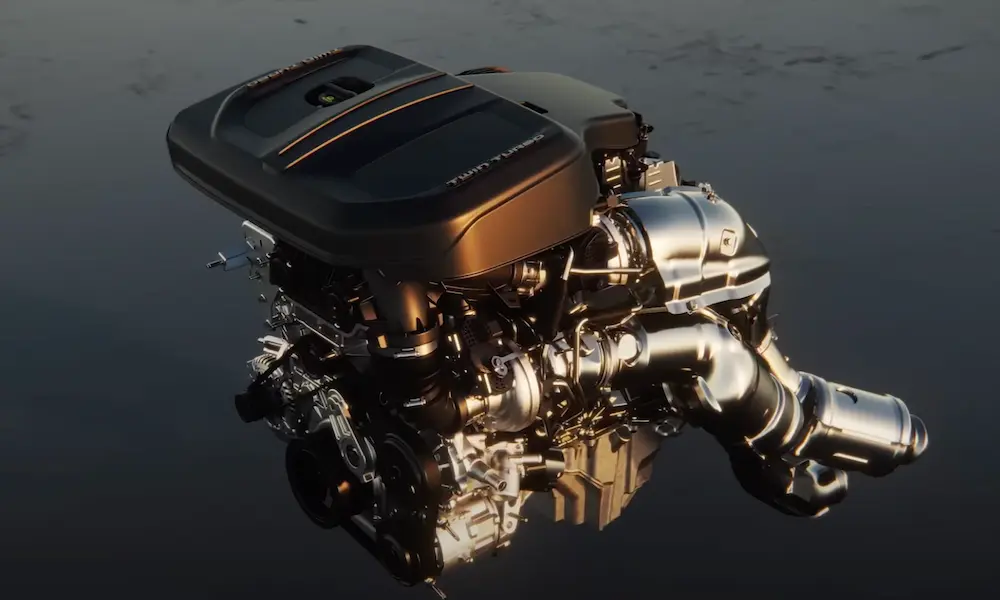
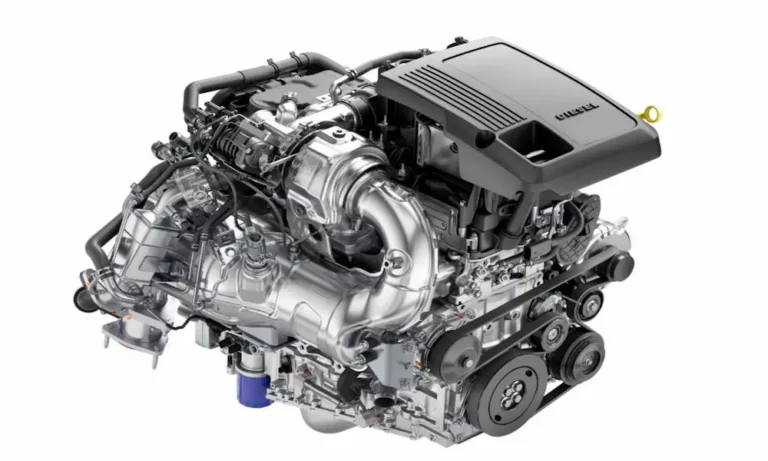
The 2004.5–2005 6.6L LLY Duramax was GM’s first serious shot at meeting tighter federal emissions rules. To hit those targets, engineers bolted on a Variable Geometry Turbocharger (VGT) and a full Exhaust Gas Recirculation (EGR) system.
The iron block is basically bulletproof. The emissions equipment? That’s where things get spicy.
LLY Duramax Overheating: The Root Cause Nobody Talks About Enough
Overheating is the single most common LLY Duramax problem. Pull a heavy trailer up a grade, and your coolant temp can spike past 230°F while exhaust gas temps blast above 1,250°F. That’s not normal. That’s a design flaw.
The Turbo Inlet Manifold Is Choking Your Engine
The factory turbo inlet manifold — the “mouthpiece” — has a tight, twisty geometry that chokes airflow before it even hits the compressor wheel. The turbo works overtime to compensate. That generates excessive heat before air even enters the charge cooler.
The fix is straightforward: swap to an aftermarket inlet manifold or retrofit the less restrictive LBZ unit. It’s the single most important thermal upgrade on this platform.
The Radiator Is Too Small for the Job
Despite running hotter than the LB7 it replaced, the LLY has the smallest radiator of any modern Duramax. The 19-inch fan clutch also engages sluggishly under load. Worse, the tightly packed cooling stack — AC condenser, charge air cooler, and radiator — traps debris deep inside where you can’t see it.
To genuinely fix the overheating problem, most LLY owners work through a multi-stage approach:
- Disassemble and chemically clean the full cooling stack
- Upgrade to a 21-inch fan with a severe-duty thermal clutch
- Install a four-row aluminum high-capacity radiator
Head Gasket Failure: The Most Expensive LLY Duramax Problem
Leave the overheating unchecked and the head gaskets are the next thing to go. This repair is invasive, expensive, and typically requires pulling the cab off the chassis.
Why the LLY Chews Through Head Gaskets
The iron block and aluminum cylinder heads expand at completely different rates when temps swing hard. Add the VGT’s higher boost pressures pushing cylinder pressures higher than the LB7 ever saw, and the factory torque-to-yield head bolts simply can’t hold. Cylinders 7 and 8 — at the coolant-starved rear of the block — fail first, almost every time.
Most failures show up between 150,000 and 200,000 miles.
How to Actually Diagnose a Blown Head Gasket
Here’s the thing: the LLY doesn’t dump oil and coolant together like other engines. It leaks slowly and internally. Watch for these signs:
- Coolant loss with no visible puddle under the truck — combustion gases pressurize the system and purge coolant out the overflow reservoir
- Upper radiator hose stays rock-hard overnight — trapped combustion gases don’t dissipate like coolant pressure does
- Chemical block tester turns yellow/green — detects hydrocarbons in the coolant
The permanent repair means replacing factory head bolts with aftermarket ARP head studs, resurfacing the aluminum heads at a machine shop, and addressing the root overheating issue. Skip the thermal fix and the new gaskets won’t last either.
Fuel System Problems: Air, Pressure, and Injector Drama
The LLY’s common-rail fuel system runs at extreme pressure and tolerates zero contamination. It also has no factory electric lift pump in the tank, which creates a unique vulnerability you need to understand.
Fuel Filter Base Air Leaks
The entire suction side runs on vacuum, not positive pressure. Any tiny seal failure sucks air in rather than pushing fuel out. The fuel filter base is the most common culprit — its O-rings and primer pump diaphragm harden and crack from heat and exposure to ultra-low sulfur diesel.
When air enters the fuel stream:
- Engine cranks forever before starting after sitting overnight
- Surging, hesitation, or stalling while driving
- The CP3 injection pump wears prematurely
Quick diagnostic trick: Swap a section of fuel line near the filter base for clear tubing. If you see air bubbles with the engine running, your seals are gone.
Fix it with a complete filter head rebuild kit using fluoropolymer seals, or replace the whole filter head. Adding an aftermarket electric lift pump near the tank is the best long-term upgrade — it converts the entire chassis fuel line from vacuum to pressurized, killing air intrusion permanently.
Fuel Pressure Relief Valve (FPRV) Fatigue
The pressure relief valve at the end of the fuel rail is a mechanical safety valve. Its spring weakens over time from constant pressure hammering. When the spring goes soft, it dumps fuel back to the tank prematurely instead of holding the 23,000–26,000 PSI the engine needs under load.
Result: Codes P0087 and P1093, sudden power loss, and transmission limp mode.
Diagnose it with the bottle test: Disconnect the return line from the relief valve and route it into a clear bottle. Drive hard at wide-open throttle. If liquid fuel collects in the bottle, the valve is dumping early.
Fix options:
- Install shims behind the spring to increase tension
- Replace with an upgraded valve assembly
- Install a solid billet race plug (eliminates the safety function — track use only)
Fuel Pressure Regulator (FPR) Instability
The FPR sits on the back of the CP3 pump and meters how much fuel enters the high-pressure side. Wear or contamination causes it to hunt for the right position rather than holding steady.
You’ll notice a rhythmic idle surge — engine speed bouncing up and down by several hundred RPM. It’s worst when cold or coming to a stop.
Diagnose it: Use a scan tool to compare desired vs. actual rail pressure at idle. If actual pressure oscillates wildly in waves while desired pressure holds flat, the regulator is done.
Replacement is buried deep in the engine valley. Budget for serious labor time.
Injector Degradation
LLY injectors are externally accessible (a big improvement over the LB7), but they still fail from fuel contamination, poor lubricity, and wear. Stiction — gummy internal valves — is the most common issue.
Watch for these symptoms:
- Rough idle or shaking at start-up
- White or gray smoke at cold start
- Oil level rising on the dipstick (fuel dilution)
- Fuel economy dropping noticeably
Diagnose it by checking cylinder balance rates on a scan tool. Readings far outside factory spec point directly to failed injectors.
| Fuel System Component | Failure Mechanism | Primary Symptoms | Diagnostic Protocol |
|---|---|---|---|
| Fuel Filter Base | O-ring and lip seal degradation | Hard start, stalling, surging idle | Air bubbles in clear fuel line on suction side |
| Relief Valve (FPRV) | Weakened spring from pressure fatigue | Power loss under load, P0087/P1093 | Bottle test under full-throttle acceleration |
| Pressure Regulator | Sticky solenoid pintle from debris | Surging/loping idle, poor throttle response | Scan tool: desired vs. actual rail pressure at idle |
| Fuel Injectors | Stiction, worn seals, nozzle clogging | White smoke, rising oil level, misfires | Cylinder balance rates, injector return flow test |
EGR and VGT Problems: Soot, Heat, and Seized Vanes
The EGR system recirculates exhaust gases into the intake to lower combustion temps and reduce NOx emissions. It works for emissions. It’s brutal on the engine over time.
EGR Valve Carbon Buildup
Diesel exhaust mixes with crankcase vapors and forms a thick, tar-like carbon sludge that coats the EGR valve pintle. When it sticks open, exhaust floods the intake at idle — causing rough idle, stalling, and black smoke. When it sticks closed, combustion temps spike and the engine knocks.
Cleaning or replacing the valve is straightforward. Many off-road and competition truck owners opt for a full delete kit to eliminate the risk entirely.
EGR Cooler Rupture
The EGR cooler drops exhaust gas from ~1,500°F down to something manageable using engine coolant. That constant extreme thermal cycling cracks the internal walls eventually.
When it fails:
- Coolant leaks into the exhaust — thick white steam from the tailpipe
- Coolant pools in the intake manifold overnight — hydro-lock risk on startup
A cracked EGR cooler is often misdiagnosed as a blown head gasket. Always test both before tearing the engine apart. Replace with a stainless-tube aftermarket unit for long-term durability.
VGT Turbocharger Vane Seizure
The LLY’s Garrett VGT uses adjustable internal vanes to optimize boost across the RPM range. Soot from the diesel combustion process coats those vanes. If the EGR cooler also leaks, vaporized coolant mixes with dry soot and creates an adhesive that completely locks the vane mechanism.
Stuck vanes mean:
- Closed: Massive backpressure, skyrocketing EGTs, head gasket stress
- Open: Severe turbo lag, sluggish throttle, black smoke
Code P2563 (vane sensor performance) often shows up. Fix requires pulling the turbo, disassembling the exhaust housing, and chemically cleaning the vane mechanism — or replacing the unit.
| EGR/Air System Issue | Root Cause | Vehicle Symptoms | Codes & Indicators |
|---|---|---|---|
| EGR Valve Stuck Open | Carbon/oil sludge on pintle | Rough idle, stalling, black smoke | P0400, P0402 |
| EGR Valve Stuck Closed | Carbon blocking actuator | Knock under load, high EGTs | P0401, failed emissions |
| EGR Cooler Rupture | Thermal stress cracking | White steam from tailpipe, coolant loss | Coolant in intake, hydro-lock risk |
| VGT Vane Seizure | Carbon + leaked coolant adhesive | Turbo lag, high EGTs, sluggish throttle | P2563, low boost readings |
Electrical Issues: Small Wires, Big Headaches
Injector Harness Terminal Spread
The factory injector pigtails on cylinders 2 and 7 are slightly too short, keeping constant tension on the connector. Vibration and heat cause the internal terminals to spread apart microscopically, cutting power to that injector instantly.
The engine sounds like a broken tractor. Codes P0202 and P0207 appear immediately.
The famous “ice pick fix” — poking a sharp tool through the connector housing to bend the terminal back into contact — works roadside but won’t last. The permanent fix is splicing in updated aftermarket pigtails with proper heat shielding and reinforced terminal tension.
FICM Wiring Harness Chafing
The Fuel Injection Control Module steps up battery voltage to fire the injectors. Its wiring harness routes tight against a sharp alternator bracket on the passenger side of the block. Vibration wears the loom away until bare wire shorts against grounded metal.
Symptoms: Random stalling while driving, intermittent misfires, multiple ghost injector codes, no-start.
Diagnose it by untaping the harness near the alternator bracket and inspecting the underside for copper wear marks. Splice damaged wires, wrap in heavy-duty rubber heater hose, and re-route away from sharp edges.
When the FICM itself fails internally (code P0611), it needs a quality remanufactured unit with upgraded solder joints. Factory new units are mostly obsolete.
Glow Plug Control Module Software and Hardware Failures
Early LLY software kept glow plugs energized too long. The metal tips would swell, break off, and fall into a running engine — instantly destroying pistons, heads, and the block. GM issued a recall and software reflash to shorten heating cycles. If your LLY hasn’t had this done, check now.
The module itself also burns out from current spikes caused by aging glow plugs. Failed modules trigger codes P066A–P066F, P0671–P0678, and P1338–P133C. Cheap aftermarket replacements often fail quickly. Professional circuit-board repair services replace burned components with heavy-duty parts and return a plug-and-play unit.
When replacing glow plugs, test resistance first — anything over 1.8 ohms means the plug is done. Always ream the bore before installing a new plug to clear hard carbon buildup.
Water Pump Failure: 80,000-Mile Warning
The Duramax water pump is gear-driven and robust, but fails predictably between 80,000 and 100,000 miles. Late-2005 and newer trucks got a plastic impeller instead of iron — and those crack, warp, or spin free on the shaft without any warning.
A weeping pump drips coolant from the weep hole at the base of the housing on the passenger side. But watch out — a weeping pump often means head gasket pressure is blowing out the seals. Always run a full cooling system pressure test before assuming a new pump alone fixes it.
The job requires removing the serpentine belt, fan, shroud, and harmonic balancer. While you’re in there, replace the plastic heater core connectors with stainless steel versions. Upgrade to an aftermarket pump with a welded cast-iron impeller — it won’t slip under load.
Steering and Front Suspension: The “Duramax Strut” Problem
Unlike Ford and Dodge heavy-duties using solid front axles, the Chevy/GMC trucks run Independent Front Suspension. Great for ride quality. Terrible under full-throttle torque.
Why the Tie Rods Bend
The factory tie rods are long and thin. Under hard acceleration in 4WD, weight transfers rearward and the suspension geometry creates massive inward pressure on the front wheels. The thin tie rods bend into a U-shape or snap entirely — both front tires point inward, steering is gone, and the truck is instantly dead in the water.
Lift kits with high-angle torsion keys make this dramatically worse by steepening the tie rod angles before you even touch the throttle.
Fixes That Actually Work
- Stainless steel tie rod sleeves — thread over the weakest section, doubling the diameter
- Pitman and idler arm support brackets — brace against the chassis to stop center link twisting
- De-crank the torsion bars — lower ride height to keep tie rods parallel to the ground
- Limit straps — prevent over-extension during articulation
Allison 1000 Transmission: Know Its Limits
The Allison 1000 five-speed is marketed as indestructible. It’s tough, but it has a real torque ceiling.
How Much Power Can It Handle?
The factory Allison handles roughly 90–100 horsepower over stock reliably. Push past that and the C2 and C3 clutch packs start slipping. The transmission control module detects the slip, logs P0700, and locks the trans in third gear (limp mode) to prevent total destruction.
Torque converter shudder under heavy towing — that rumble-strip vibration you feel — means the single-disc converter clutch is slipping and cooking the fluid.
Staged Upgrade Path
| Power Level | Symptom | Required Upgrade | Expected Result |
|---|---|---|---|
| Stock to +90 HP | Spongy shifts, heat under load | TransGo shift kit — modifies valve body hydraulics | Firmer shifts, more clutch clamping, no trans removal needed |
| +100 to +300 HP | Limp mode (P0700), C2/C3 slip, converter shudder | Stage 4 full rebuild — upgraded clutch packs, machined drums | Holds up to 650 HP, reliable under heavy towing |
| +300 HP and above | P2 planetary failure, input shaft breakage | Billet components — multi-disc converter, billet shafts, upgraded pump | Withstands 750+ HP for drag racing and sled pulling |
LLY Duramax Maintenance Schedule
Stick to these intervals. The factory schedule doesn’t account for an aging platform with known vulnerabilities.
| Maintenance Item | Interval | Notes |
|---|---|---|
| Engine Oil & Filter | 5,000–10,000 miles | 15W-40 heavy-duty oil; watch dipstick for rising level (fuel dilution) |
| Fuel Filter | 10,000–15,000 miles | Cut in half with lower-quality fuel; protects CP3 and injectors |
| Transmission Fluid | 30,000–50,000 miles | Full synthetic; always replace the external Allison spin-on filter |
| Engine Coolant | 50,000–75,000 miles | Full flush; prevents EGR cooler corrosion and water pump seal failure |
| Differential Fluid | 50,000 miles | More frequent if towing heavy or operating in extreme heat |
| Glow Plugs & Batteries | Annually, pre-winter | Battery load test prevents FICM issues; plug resistance test prevents tip breakage |
The LLY Duramax Is Worth Fixing
The iron block underneath all of these problems is genuinely capable of half-million-mile longevity. The LLY Duramax problems aren’t evidence of a bad engine — they’re evidence of ambitious emissions technology bolted to a platform that wasn’t quite ready for it.
Fix the turbo inlet and cooling system first. Everything downstream gets easier. Address the fuel system seals, protect the wiring harnesses, and keep the Allison happy with clean fluid and realistic power limits. Do all that, and an LLY will outlast trucks half its age.