Is your Nissan Altima blowing warm air instead of the refreshing cold you need? A simple AC recharge might solve your problem without an expensive trip to the mechanic. With the right tools and a bit of patience, you can often restore your car’s cooling power in under 30 minutes.
What You Need to Know About Nissan Altima AC Refrigerant
Before rushing to add refrigerant, it’s crucial to understand what your specific Altima needs. Not all models use the same type of refrigerant, and using the wrong one can damage your system permanently.
Identifying Your Refrigerant Type
Nissan Altima models typically use one of two refrigerant types:
- R-134a: Used in most Altima models from 2002 through around 2013
- R-1234yf: Used in newer models (generally 2013 and later)
To confirm your specific type, check the refrigerant information sticker located in your engine bay. This sticker also indicates the correct refrigerant capacity for your vehicle.
Refrigerant Capacity Chart by Model Year
Here’s a quick reference for common Nissan Altima refrigerant capacities:
| Model Year | Engine | Refrigerant Type | Capacity |
|---|---|---|---|
| 2002-2006 | 2.5L 4-Cyl | R-134a | 18 oz (510g) |
| 2002-2006 | 3.5L V6 | R-134a | 19-20 oz (539-567g) |
| 2007-2012 | 2.5L 4-Cyl | R-134a | 20-21 oz (567-595g) |
| 2013+ | All engines | R-1234yf* | 17-18 oz (482-510g) |
*Some 2013 models still used R-134a, so always verify with your specific vehicle sticker.
The sticker will also note the type of compressor oil needed. For most 2002-2006 Altimas, this is approximately 5 oz of PAG-46 compressor oil.
Essential Safety Precautions Before Starting
Refrigerant can be harmful if mishandled. Before you begin:
- Wear safety goggles to protect your eyes
- Use gloves to prevent skin contact with refrigerant
- Work in a well-ventilated area (preferably outdoors)
- Never mix refrigerant types or use adapters between systems
- Keep the refrigerant can upright during use
How to Locate the Low-Pressure Port on Your Altima
Finding the correct service port is critical – adding refrigerant to the wrong port can damage your AC system.
- Open your hood and secure it properly
- Identify the AC compressor (it has a belt-driven pulley)
- Look for two refrigerant lines running from the compressor
- The low-pressure port is on the larger diameter line (usually heading toward the firewall or passenger side)
- It will have a protective plastic cap (typically blue or black)
The low-pressure port has a unique fitting size that only matches the proper service connector, making it difficult to connect to the wrong port accidentally.
Step-by-Step AC Recharging Process
With preparation complete, you’re ready to recharge your Altima’s AC system:
1. Initial System Check
Before adding any refrigerant, check if your system needs it:
- Start your engine
- Turn the AC to maximum cool, highest fan setting, and recirculation mode
- Let the system run for 5-10 minutes
- Connect your refrigerant gauge to the low-pressure port without adding refrigerant
- Check the pressure reading against the pressure/temperature chart on your refrigerant kit
If the pressure is already in the green zone, your problem might not be low refrigerant.
2. Preparing Your Refrigerant Can
If your pressure reading indicates low refrigerant:
- Shake the refrigerant can vigorously for 30-60 seconds
- Remove any plastic trigger spacers or safety tabs from the dispenser
- Screw the can onto the gauge/hose assembly
- Make sure all connections are tight and secure
3. Adding Refrigerant Correctly
Adding refrigerant takes patience and attention:
- With the engine still running and AC at maximum, reconnect the hose to the low-pressure port
- Hold the can upright at the 12 o’clock position – this ensures you add refrigerant gas, not liquid
- Squeeze the trigger in short 3-5 second bursts
- Release and wait 15-20 seconds between bursts
- Watch the pressure gauge carefully
- Continue until the needle reaches the middle of the green zone (not the high end)
4. Monitoring System Performance
As you add refrigerant:
- Check the air temperature coming from your vents periodically
- The temperature should decrease noticeably if low refrigerant was your problem
- Stop adding refrigerant when:
- The pressure gauge reads in the green zone AND
- The air from the vents feels cold (typically 40-45°F or 4-7°C)
5. Completing the Process
Once you’ve recharged to the proper level:
- Release the trigger on your recharge kit
- Disconnect the hose from the low-pressure port
- Replace the protective cap on the service port
- Store any remaining refrigerant upright in a cool, dry place
Common Nissan Altima AC Problems Beyond Low Refrigerant
If recharging doesn’t solve your cooling problem, you might be facing one of these common issues:
Refrigerant Leaks
A system that needs frequent recharging likely has a leak. Common leak locations include:
- Deteriorated O-rings or seals
- Corroded condenser coils (located in front of the radiator)
- Damaged evaporator core
- Cracked hoses or connections
- Failed compressor shaft seal
You can use refrigerant with UV dye and a specialized UV light to locate leaks.
Compressor Issues
The compressor is the heart of your AC system. Signs of compressor failure include:
- Loud noises when the AC is turned on
- Compressor clutch not engaging
- System blowing cool but not cold air
For 2002-2006 Altimas, compressor issues are relatively common after 100,000 miles. The DKS17D compressor used in these models may need replacement if it’s not engaging properly.
Electrical Problems
Sometimes the issue isn’t mechanical but electrical:
- Failed AC relay or fuse
- Faulty pressure switch
- Damaged wiring
- Bad climate control module
These problems require diagnostic equipment to properly identify.
Tips for Maintaining Your Altima’s AC System
To keep your AC running strong between recharges:
- Run your AC regularly – Even in winter, run your AC for 10 minutes weekly to keep seals lubricated
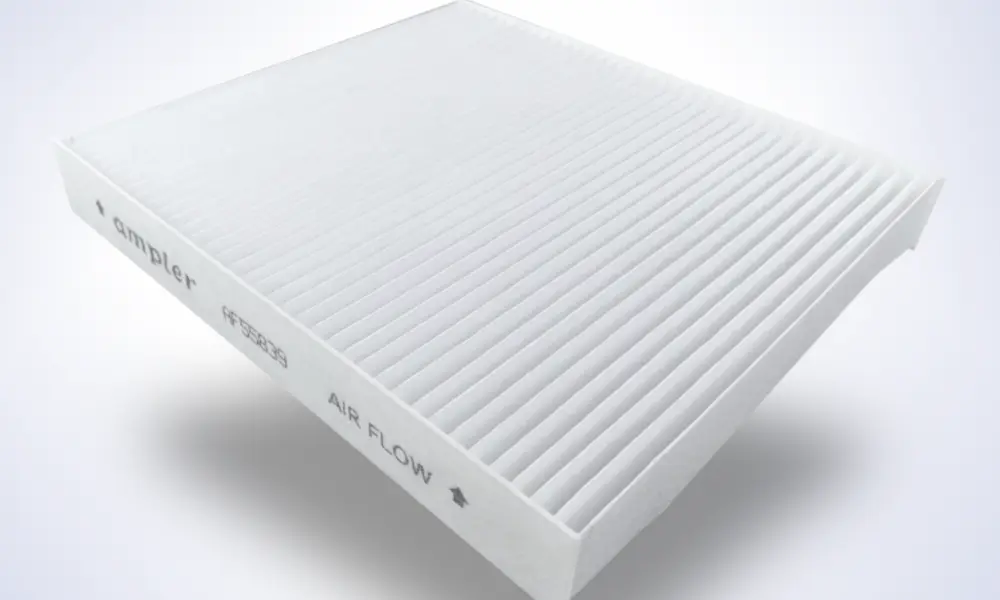
- Change cabin air filters – Clogged filters reduce airflow and cooling efficiency
- Keep your condenser clean – Remove debris and bugs from the front of your condenser/radiator
- Check drive belts – A loose or worn belt can cause compressor issues
- Monitor for early warnings – Address strange noises or reduced cooling immediately before bigger problems develop
DIY or Professional Service?
While recharging is DIY-friendly, some situations call for professional help:
DIY-Appropriate Scenarios:
- Your AC was working well but gradually lost cooling power
- The system holds a charge for a reasonable time after recharging
- You can easily reach the low-pressure port and have the appropriate tools
When to Consult a Professional:
- You’ve recharged the system and it still doesn’t cool
- The system loses its charge quickly after recharging (indicating a leak)
- You hear unusual noises from the compressor
- Your Altima uses R-1234yf refrigerant (which requires specialized equipment)
- You’re not comfortable working with refrigerant
Essential Tools for Recharging Your Altima’s AC
To successfully recharge your Nissan Altima’s AC, you’ll need:
- Refrigerant with gauge – Make sure it matches your system type (R-134a or R-1234yf)
- Thermometer – To measure vent temperature
- Safety glasses and gloves – For protection
- Clean rag – For wiping connections
Some refrigerant kits include UV dye to help identify leaks, which can be useful if you suspect your system isn’t holding its charge.
Final Thoughts on Recharging Your Nissan Altima’s AC
Recharging your Nissan Altima’s air conditioning system is a manageable DIY task that can save you significant money compared to a shop visit. By following the manufacturer’s specifications for refrigerant type and amount, you’ll avoid damaging your system while restoring cool comfort to your drives.
Remember that regular maintenance and prompt attention to AC issues will extend the life of your system components and help avoid costly repairs down the road. Keep your owner’s manual and the underhood refrigerant sticker as your guides to ensure you’re always using the right specifications for your specific Altima.