Want to avoid costly repairs and keep your Nissan Altima performing at its best? Following the manufacturer’s recommended service schedule is key to extending your vehicle’s life and maintaining its reliability. This guide breaks down exactly when and what maintenance your Altima needs, with special attention to that sometimes-troublesome CVT transmission.
Regular Maintenance Intervals: The Backbone of Altima Care
Every 5,000-7,500 Miles (6 Months)
Your Altima needs these basic services like clockwork:
- Oil and filter change (the lifeblood of your engine)
- Tire rotation (ensures even wear and better handling)
- Multi-point inspection (catches small issues before they become big ones)
Don’t skip these fundamentals! These routine services are your first defense against premature wear and tear.
Every 10,000 Miles (12 Months)
At this milestone, your Altima needs a more thorough check-up that includes:
- Brake line and cable inspection
- Brake pad, rotor, drum, and lining check
- CVT fluid level inspection (crucial – more on this later!)
- Differential oil inspection
- Drive shaft boot examination
- Propeller shaft check (for AWD models)
These checks help identify wear patterns before they lead to component failure.
Major Service Milestones: When Your Altima Needs Extra Attention
The 15,000-Mile Service
This service includes:
- Engine air filter replacement (helps fuel economy)
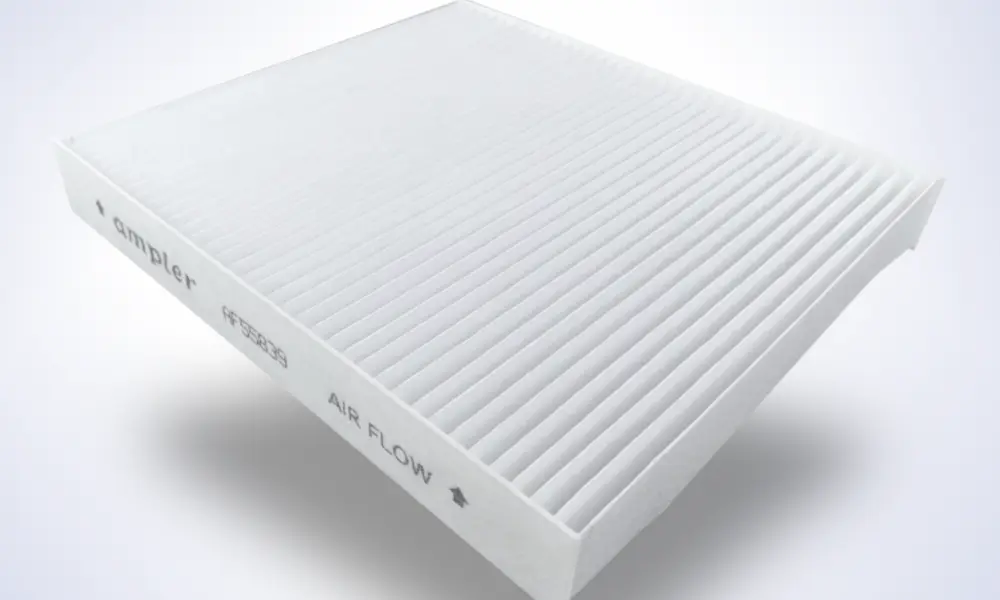
- Cabin air filter replacement (improves air quality)
- Brake system inspection
- Nissan Intelligent Key battery replacement
This service typically costs between $150-250 but prevents much costlier problems down the road.
The 30,000-Mile Service
This more comprehensive service includes:
- Engine air filter replacement
- Brake system flush
- Engine coolant replacement (for some model years)
- Battery service and inspection
- Exhaust system inspection
- Complete fluid level check and top-off
This is when maintenance gets more serious, addressing systems that have been in use for significant time and mileage.
The 60,000-Mile Service
Now we’re talking major maintenance:
- Spark plug inspection or replacement
- Cooling system flush
- Brake fluid flush
- Suspension component inspection
- Drive belt inspection
- CVT fluid replacement (absolutely critical!)
This service interval often ranges from $500-800 but is worth every penny for preventing catastrophic failures, particularly with the transmission.
The 90,000-105,000 Mile Service
Key services include:
- Spark plug replacement (typically at 105,000 miles)
- Another cooling system flush
- Continuation of routine maintenance items
By this point, your Altima is showing its age, and preventative maintenance becomes even more important.
The 120,000-Mile Service
This major milestone includes:
- Spark plug replacement
- Brake fluid replacement
- Engine mounting insulator inspection
- Manual transmission oil replacement (if applicable)
- Drive shaft boot inspection
- Engine drive belt thorough examination
The CVT Transmission: Your Altima’s Critical Component
The Continuously Variable Transmission (CVT) in your Nissan Altima requires special attention. This component has been known to cause issues if not properly maintained.
CVT Maintenance Schedule
| Driving Conditions | Official Recommendation | Expert Recommendation |
|---|---|---|
| Normal Driving | Every 60,000 miles | Every 30,000 miles |
| Severe Driving* | Every 30,000 miles | Every 20,000 miles |
| Regular Inspection | Every 10,000 miles | Every 10,000 miles |
*Severe conditions include: heavy traffic, frequent towing, extreme temperatures, dusty conditions, or stop-and-go driving
Why CVT Maintenance Matters
The factory recommendation for CVT fluid changes is every 60,000 miles, but real-world experience from owners and mechanics suggests more frequent changes. According to discussions on Reddit, many Altima owners have prevented transmission issues by changing their CVT fluid every 30,000 miles.
One automotive technician on TDReman states: “CVT transmissions are particularly sensitive to fluid degradation. More frequent fluid changes are cheap insurance against a $4,000+ transmission replacement.”
Model-Specific Considerations
2023-2025 Altima Models
The newest Altimas follow the standard maintenance schedule with:
- 5,000-7,500 mile oil change intervals
- CVT fluid inspection every 10,000 miles (2.5L engines)
- CVT fluid inspection every 7,500 miles (2.0L turbo engines)
You can find the detailed schedule on Nissan’s official maintenance site.
2016-2022 Altima Models
These models generally follow similar schedules but may have specific requirements:
- Some recommend CVT fluid changes at 60,000 miles
- Spark plug replacement typically at 105,000 miles
- Regular CVT fluid inspections every 10,000 miles
2013 and Earlier Models
Older Altimas may have different requirements:
- More frequent oil changes (every 3,750 miles for some configurations)
- Earlier CVT fluid changes
- Different cooling system maintenance intervals
Severe vs. Normal Driving Conditions
What Counts as “Severe” Driving?
Your service intervals should be adjusted if you regularly experience:
- Stop-and-go traffic
- Extreme hot or cold temperatures
- Dusty or muddy conditions
- Frequent short trips (less than 5 miles)
- Towing or hauling heavy loads
Under these conditions, follow the “severe” maintenance schedule from your owner’s manual, which typically cuts the standard intervals by 25-50%.
Cost-Saving Maintenance Tips
DIY Possibilities
Some maintenance items you can handle yourself:
- Air filter replacements (engine and cabin)
- Wiper blade replacement
- Battery checks and cleaning
- Fluid level checks
A helpful tutorial for spark plug replacement can be found on Reddit from fellow Altima owners.
Service Packages
Many Nissan dealerships offer maintenance packages that bundle services at a discount. For example, Boulder Nissan offers CVT fluid changes as part of larger service packages, saving you money over à la carte services.
Warning Signs Your Altima Needs Immediate Service
Watch for these indicators that maintenance is needed regardless of mileage:
- Check engine light illumination
- CVT transmission “juddering” or hesitation
- Unusual noises during acceleration or braking
- Reduced fuel economy
- Rough idling or stalling
- Steering wheel vibration
- Brake pulsation when stopping
Maintenance Record Keeping
Track all services performed on your Altima. This serves two important purposes:
- Provides documentation for warranty claims
- Increases resale value (buyers love seeing maintenance records)
Use a simple spreadsheet or car maintenance app to log:
- Date of service
- Mileage at time of service
- Services performed
- Parts replaced
- Cost of service
- Service provider
Genuine vs. Aftermarket Parts
While aftermarket parts can be less expensive, Nissan’s official service guide recommends using genuine Nissan parts for several reasons:
- Designed specifically for your vehicle
- Often carry better warranties
- Ensured compatibility
- Potentially better performance and longevity
This is especially important for critical components like:
- CVT transmission parts and fluid
- Ignition components
- Brake components
- Engine sensors
The Long-Term Benefits of Following the Service Schedule
Adhering to your Nissan Altima’s service schedule provides numerous benefits:
- Extended vehicle lifespan (many Altimas exceed 200,000 miles with proper care)
- Improved safety for you and your passengers
- Better fuel economy (up to 10% better than poorly maintained vehicles)
- Reduced chance of unexpected breakdowns
- Higher resale value (up to 20% in some cases)
- Lower overall ownership costs
Seasonal Maintenance Considerations
Spring/Summer Preparations
- Check AC system performance
- Inspect cooling system for leaks
- Test battery (heat is tough on batteries)
- Check tire pressure (heat increases pressure)
Fall/Winter Preparations
- Check heater and defrost operation
- Inspect wiper blades and washer fluid
- Test battery (cold weather reduces battery power)
- Consider winter tires in snow regions
- Check antifreeze protection level
Tracking Your Maintenance With Technology
Several apps can help you track your Altima’s maintenance:
- Nissan Owner Portal app
- Car Maintenance Reminder
- AUTOsist
- CARFAX Car Care
These tools send reminders when service is due based on your specific model and driving patterns.
Finding Reliable Service Providers
Options for quality Altima service include:
- Nissan dealerships (best for warranty work and complex issues)
- Independent Nissan specialists (often more affordable with similar expertise)
- General repair shops (good for basic maintenance)
When choosing a non-dealer service provider, look for:
- ASE certification
- Experience with Nissan vehicles
- Positive reviews specific to Nissan service
- Competitive but not suspiciously low pricing
By following this comprehensive service schedule, your Nissan Altima will reward you with years of reliable transportation and fewer unexpected repair bills. Remember that preventative maintenance is always less expensive than reactive repairs, particularly when it comes to your CVT transmission!