Is your Nissan Maxima blowing warm air instead of the icy blast you need? Your AC system might need a recharge. With the right tools and know-how, you can tackle this job yourself and save money, while getting back to comfortable driving in no time. Let’s dive into everything you need to know about recharging your Maxima’s AC system.
What You Need to Know About Your Maxima’s AC System
Before grabbing refrigerant and tools, you need to understand what you’re working with. Nissan Maximas use specific refrigerant types depending on their model year.
The refrigerant is essentially the “blood” of your AC system – without enough of it, your cooling performance drops dramatically. Most Maxima owners notice issues when the refrigerant level drops by 25% or more.
Identifying Your Maxima’s Refrigerant Type
Your Maxima uses one of two refrigerant types, and using the wrong one can damage your entire system.
For pre-2017 Maximas, R-134a is the refrigerant type you’ll need. If you drive a 2017 or newer model, you might use R-1234yf instead. You can confirm your specific refrigerant type by checking the under-hood AC information sticker.
The sticker typically sits near the radiator support or inside the engine compartment and clearly indicates which refrigerant your system requires. This isn’t a step you can skip – mixing refrigerant types can lead to costly repairs.
Refrigerant Capacity by Model Year
Adding the right amount of refrigerant is just as important as using the correct type. Here are the standard capacities for different Maxima model years:
| Model Year | Refrigerant Type | Capacity (oz) |
|---|---|---|
| 1993-1994 | R-134a | 33.5 |
| 1995 | R-134a | 29.0 |
| 1996 | R-134a | 25.0 |
| 1997-2001 | R-134a | 23.0 |
| 2002-2003 | R-134a | 18.0 |
| 2004-2013 | R-134a | 19.0 |
| 2014-2016 | R-134a | 19.36 |
| 2017-2018 | R-134a or R-1234yf | 19.36 |
These capacities refer to the total system charge your Maxima requires.
Tools You’ll Need for the Job
To recharge your Maxima’s AC system properly, gather these items:
- Refrigerant can (R-134a or R-1234yf, depending on your model)
- Recharge hose with gauge
- Safety glasses and gloves
- Thermometer (to check vent temperature)
- Clean rags
For more precise work, a manifold gauge set with both high and low-pressure gauges will give you the best results, though it costs more than a simple recharge kit.
Finding the Low-Pressure Service Port
The low-pressure port is where you’ll connect your recharge kit. Here’s how to locate it:
- Open your hood and identify the AC compressor – it’s attached to the engine with a belt and has two metal tubes connected to it.
- Follow the larger diameter tube – this is the low-pressure line.
- Look for a service valve with a protective plastic cap, often marked with an “L” or “LOW.”
This port is specifically designed to accept refrigerant. The high-pressure port has a different size, so your recharge kit will only fit the low-pressure port.
For most Maxima models, the low-pressure port is located on the passenger side of the engine bay, near the firewall. If you’re having trouble finding it, this visual guide can be helpful.
Step-by-Step Recharge Process
Now for the main event – recharging your Maxima’s AC. Follow these steps carefully:
1. Prepare Your Work Area
Choose an outdoor or well-ventilated space. Refrigerant can be dangerous in closed areas. Safety should be your priority – wear gloves and safety glasses to protect yourself from potential refrigerant spray.
Check the outside temperature – it should be at least 55°F (13°C). Recharging in colder conditions can damage your AC system.
2. Inspect the System
Before adding refrigerant, check for visible leaks around hoses, connections, and the compressor. Look for oil stains or residue, which often indicate a leak. If you find significant leaks, you’ll need to repair these before recharging.
3. Set Up Your Vehicle
Start your Maxima and turn the AC to the maximum cooling setting with the fan on high. This engages the compressor, making it easier to add refrigerant.
Let the system run for about 5 minutes to stabilize.
4. Connect Your Recharge Kit
Remove the plastic cap from the low-pressure service port.
Attach your recharge hose to the refrigerant can according to the kit’s instructions, then connect the hose to the low-pressure port. If it’s a snap-lock connector, you’ll feel it click into place.
5. Check Current Pressure
Before adding refrigerant, check the current pressure reading on your gauge. This tells you whether your system is:
- Completely empty (gauge reads 0)
- Low (below recommended pressure)
- Already adequately charged (in the proper range)
For R-134a systems at 75°F ambient temperature, the low-side pressure should read 35-45 PSI. If you’re already in this range, your system may not need refrigerant.
6. Add Refrigerant
If pressure is low, follow these steps:
- Hold the refrigerant can upright (12 o’clock position)
- Squeeze the trigger or open the valve to release refrigerant
- Add refrigerant in 5-10 second bursts
- Check the gauge between bursts
- Stop when you reach the proper pressure range
Here are the target pressure ranges at 75°F ambient temperature:
| Refrigerant | Low-Side PSI | High-Side PSI |
|---|---|---|
| R-134a | 35-45 | 150-170 |
| R-1234yf | 38-48 | 149-168 |
7. Monitor Vent Temperature
While adding refrigerant, check the air coming from your vents. With proper charge at 75-80°F ambient temperature, your vent temperature should drop to 35-48°F.
A digital thermometer placed in the center vent gives you the most accurate reading.
8. Disconnect and Finish Up
Once you’ve reached the proper pressure and vent temperature:
- Close the valve on your recharge kit
- Disconnect the hose from the service port
- Replace the protective cap on the port
- Run the AC for 10-15 minutes to ensure consistent cooling
Common Problems and Troubleshooting
Even after a recharge, you might experience these issues:
AC Still Not Cold Enough
If your AC isn’t cooling properly after a recharge, check for:
- Compressor clutch not engaging (visible when engine is running)
- Blocked condenser (look for debris in front of your radiator)
- Internal blockage (requires professional diagnosis)
- Faulty expansion valve or orifice tube
System Leaking Refrigerant
If you find yourself needing frequent recharges, you likely have a leak. Look for:
- Oil stains around connections and components
- Hissing sounds when the AC runs
- Quick pressure loss after recharging
For small leaks, refrigerant with leak sealer might help temporarily. For significant leaks, you’ll need professional repair using dye detection methods.
Unusual Noises or Behavior
Listen for these warning signs:
- Squealing: Typically indicates a worn belt or pulley
- Knocking or rattling: Could be a failing compressor
- Compressor cycling on/off rapidly: Often caused by incorrect pressure or electrical issues
Cost Comparison: DIY vs. Professional
Let’s break down what you’ll spend:
DIY Costs
- Basic R-134a recharge kit: $40-$60
- Professional-grade manifold gauge set: $80-$150 (one-time investment)
- Additional refrigerant if needed: $10-$20 per can
- R-1234yf costs significantly more: $50-$100 per pound
Total DIY cost: Approximately $40-$80 for a typical recharge
Professional Service
- Basic AC recharge: $150-$300
- System evacuation and recharge: $200-$350
- Leak detection and repair: $300-$800 depending on the location
The cost savings from DIY can be substantial, especially if you plan to use your tools for future maintenance.
Environmental and Safety Considerations
When working with refrigerant:
- Never vent refrigerant into the air – it’s harmful to the environment and illegal
- Keep refrigerant away from any heat source or open flame
- Store unused refrigerant in a cool, dry place
- Dispose of empty cans according to local regulations
- If refrigerant contacts your skin or eyes, seek medical attention
Preventative Maintenance Tips
To keep your Maxima’s AC system running smoothly:
- Run your AC at least once a week, even in winter, to maintain seals
- Keep your condenser clean and free of debris
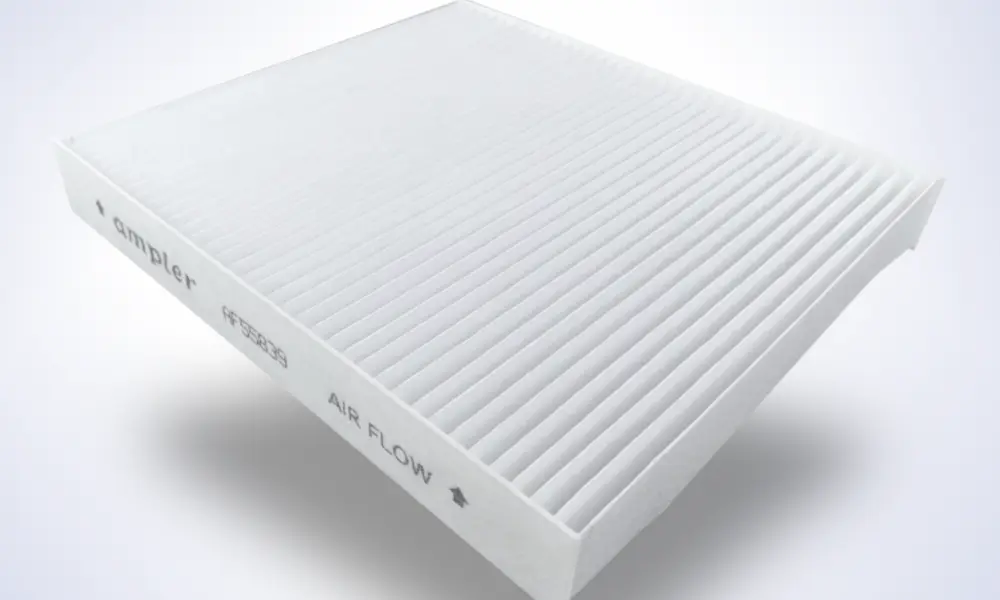
- Replace your cabin air filter annually
- Listen for changes in compressor noise
- Monitor cooling performance – early intervention saves money
When Your Maxima’s AC Needs More Than a Recharge
Sometimes, a simple recharge isn’t enough. Consider professional service if:
- Your system has a significant leak
- The compressor isn’t engaging despite proper pressure
- You hear loud noises from the compressor
- The system blows cold initially but quickly warms up
- You’ve recharged multiple times with no lasting improvement
Best Refrigerant Brands for Nissan Maxima
For reliable performance, consider these refrigerant brands:
For R-134a systems:
- Duracool 134a
- Johnsen’s R-134a
- Interdynamics Arctic Freeze
For R-1234yf systems:
- Chemours Opteon YF
- Honeywell Solstice yf
Conclusion
Recharging your Nissan Maxima’s AC system is a manageable DIY project that can save you money and get your cooling back quickly. By following the steps in this guide, using the correct refrigerant type and amount, and monitoring pressures carefully, you’ll restore your system to optimal cooling performance.
Remember that consistent maintenance and addressing small issues early will extend the life of your AC components and save you from more expensive repairs down the road.