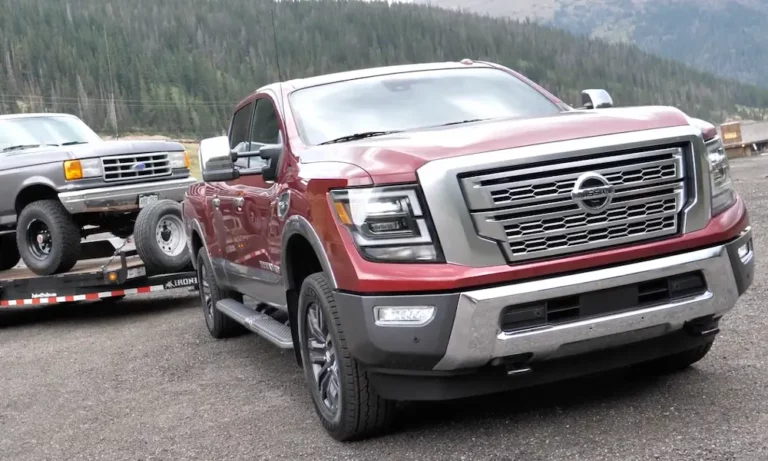
Ever tried to replace a starter on your Nissan Titan only to find yourself scratching your head wondering where it’s hiding? Unlike most trucks where you can access the starter from underneath, the Titan’s design throws a curveball at DIYers and mechanics alike. You’ll need some specific knowledge before tackling this job—and I’m here to walk you through it.
Where Is the Starter Located on a Nissan Titan?
The starter on all Nissan Titans with the 5.6L V8 engine (from 2004 through current models) is located underneath the intake manifold, nestled in the valley of the engine. This unusual placement applies to both first and second-generation Titans, including standard models, XD variants, and even the Nissan Armada with the same engine.
This isn’t your typical starter location. You can’t simply crawl under the truck with a couple of wrenches and knock it out in 30 minutes. The intake manifold must come off to access and replace the starter—there’s simply no way around it.
Why Did Nissan Put the Starter in Such an Inconvenient Spot?
Nissan engineers placed the starter in the engine valley for several reasons:
- It protects the starter from road debris and elements
- The location creates a cleaner overall engine bay design
- It allows for better heat dissipation in some ways
But let’s be honest—this design choice creates a significant headache when the starter eventually fails. What would be a 1-hour job on many vehicles becomes a 3-4 hour project that requires removing multiple components.
Signs Your Nissan Titan Starter Is Failing
Before tearing into your engine bay, make sure your starter is actually the problem. Common symptoms include:
- Clicking sound when turning the key but engine won’t turn over
- Grinding noise during starting
- Intermittent starting issues that worsen over time
- Starter continues running after the engine starts
- Smoke coming from the engine area during starting
If you’re experiencing these symptoms, it’s time to consider replacing your Titan’s starter.
Tools You’ll Need for Nissan Titan Starter Replacement
Before starting this job, gather these essential tools:
- Socket set with extensions (metric)
- Ratchet wrenches
- Pliers (regular and needle-nose)
- Screwdrivers (flathead and Phillips)
- Fuel line disconnect tool
- New intake manifold gaskets (crucial!)
- Container for organizing bolts and small parts
- Shop rags
- Penetrating oil
Don’t skip on the new manifold gaskets. Reusing old gaskets is asking for vacuum leaks and engine performance problems down the road.
Step-by-Step Guide to Accessing Your Nissan Titan’s Starter
1. Preparation and Battery Disconnection
First things first: safety comes first when working on any vehicle’s electrical system.
- Park on a level surface and allow the engine to cool completely
- Disconnect the negative battery terminal
- Remove the engine cover (if equipped)
Take photos of everything before disconnection—this will save you headaches during reassembly.
2. Relieve Fuel System Pressure
Before removing any fuel components:
- Locate and remove the fuel pump fuse (typically 15A)
- Start the engine and let it run until it stalls
- Crank the engine a few additional times to ensure pressure is relieved
This step prevents fuel spray when disconnecting fuel lines—both a safety and cleanliness concern.
3. Remove the Air Intake Assembly
The air intake system must come off first:
- Unclip and remove the air intake tube
- Disconnect any sensors attached to the air box
- Remove the air box mounting bolts
- Carefully lift out the entire air intake assembly
4. Disconnect Electrical Connections and Hoses
Now you’ll need to disconnect everything attached to the intake manifold:
- Label and disconnect all electrical connectors to fuel injectors
- Remove vacuum lines (PCV, brake booster, etc.)
- Disconnect the throttle body electrical connector
- Remove any brackets or supports in the way
Using masking tape and a marker to label connections will save you significant time during reassembly.
5. Fuel Rail and Intake Manifold Removal
This is where the job gets more involved:
- Disconnect and carefully remove the fuel lines using the proper disconnect tool
- Remove the fuel rail mounting bolts
- Gently lift the fuel rail with injectors attached and set aside (don’t remove injectors)
- Remove all intake manifold bolts (typically 10mm)
- Carefully lift the intake manifold straight up and away from the engine
As soon as the manifold is removed, cover the open intake ports with clean rags to prevent debris from falling into the engine.
Finally! Accessing and Replacing the Starter
With the intake manifold removed, you can finally see the starter motor:
- Locate the starter in the engine valley
- Disconnect the electrical connections to the starter
- Remove the mounting bolts (typically two)
- Remove the old starter
- Install the new starter and tighten mounting bolts to specification
- Reconnect the electrical connections
The proper torque specification for the starter mounting bolts is critical—overtightening can crack the starter housing.
Reassembly Process: Critical Details
Reassembly is essentially the reverse of disassembly, but pay special attention to:
- Install new intake manifold gaskets
- Clean all mating surfaces thoroughly
- Torque intake manifold bolts in the correct sequence (refer to service manual)
- Ensure all electrical connections are secure
- Double-check all vacuum and fuel line connections
If you’re uncertain about the proper torque sequence for the intake manifold, the Titan Talk forum has excellent diagrams and owner experiences.
Starter Replacement Times Across Different Titan Models
Here’s a quick reference table showing typical starter replacement times for different Titan models:
| Model Years | Engine | Starter Location | DIY Time Estimate | Professional Time |
|---|---|---|---|---|
| 2004–2015 (1st gen) | 5.6L V8 | Under intake manifold | 4-6 hours | 3-4 hours |
| 2016–2023 (2nd gen) | 5.6L V8 | Under intake manifold | 4-6 hours | 3-4 hours |
| Titan XD (all years) | 5.6L V8 | Under intake manifold | 4-6 hours | 3-4 hours |
| Armada/QX56 (with 5.6L) | 5.6L V8 | Under intake manifold | 4-6 hours | 3-4 hours |
As you can see, Nissan maintained this challenging starter location across all generations and variants with the 5.6L engine.
Common Mistakes to Avoid During Starter Replacement
Many DIYers make these mistakes when replacing their Titan’s starter:
- Forgetting to relieve fuel pressure before disconnecting fuel lines
- Reusing old intake manifold gaskets
- Not labeling electrical connections
- Dropping bolts or tools into open intake ports
- Improper torque on critical fasteners
- Not checking for vacuum leaks after reassembly
Take your time with this job—rushing will only lead to problems.
Visual Verification of Starter Location
Not sure if your Titan has this particular starter configuration? You can verify by:
- Looking for the intake manifold (the black plastic component on top of the engine)
- Checking if there’s a starter visible from underneath or on the sides
- Consulting your owner’s manual or a video guide
All 5.6L V8 Titans use this same starter configuration, regardless of model year or trim level.
The Cost Factor: DIY vs. Professional Replacement
Given the labor-intensive nature of this repair, there’s a significant cost difference between DIY and professional replacement:
- DIY parts cost: $150-300 for a quality starter
- Professional replacement: $600-1,000+ (parts and labor)
The substantial savings makes this a tempting DIY project despite its complexity. Just be sure you have the tools, time, and patience required.
Improving Starter Reliability on Your Titan
To maximize the lifespan of your new starter:
- Keep your battery in good condition (weak batteries make starters work harder)
- Avoid extended cranking when starting
- Address any engine timing or fuel system issues promptly
- Consider a starter heat shield if you do a lot of off-roading or live in extremely hot climates
Taking these precautions can help ensure you won’t need to tackle this challenging job again anytime soon.
Real-World Experiences from Titan Owners
Nissan Titan owners consistently report this job as challenging but doable. On the Club Titan forum, owners share that having the right tools and patience is key to success.
First-time DIYers typically report taking 5-6 hours, while those with experience can complete the job in 3-4 hours. The most common complaint is the awkward positioning and removal of the intake manifold.
Most owners agree: this is not a beginner-level repair, but with proper preparation and the right resources, it’s manageable for those with intermediate mechanical skills.
Remember, your Nissan Titan’s starter may be hiding in an unusual spot, but with this guide, you’re well-equipped to tackle the job and get your truck back on the road.