You’ve invested in a Nissan with the innovative VC-Turbo engine, but now you’re hearing concerning reports about reliability issues. With Nissan’s massive recall affecting nearly 444,000 vehicles, you’re right to be worried. This guide breaks down exactly what’s happening with these engines, what symptoms to watch for, and what you can do if you’re affected.
What Is the Nissan VC-Turbo Engine?
The Variable Compression Turbo (VC-Turbo) engine represents what was supposed to be cutting-edge automotive innovation from Nissan. This engine can physically change its compression ratio from 8:1 to 14:1 based on your driving needs – promising both power and efficiency in one package.
The technology took Nissan nearly 20 years and over 300 patents to develop. In fact, the 2.0-liter VC-Turbo engine received the prestigious Ward’s 10 Best Engines award in both 2019 and 2020, showing how much the industry initially believed in this technology.
Rather than using a fixed compression ratio like conventional engines, the VC-Turbo employs a complex multi-link mechanism that literally changes the piston’s stroke length in real-time. An electric actuator motor connected to a harmonic drive reduction gear controls a network of interconnected links and bearings to make this adjustment possible.
The Massive Recall: Which Vehicles Are Affected?
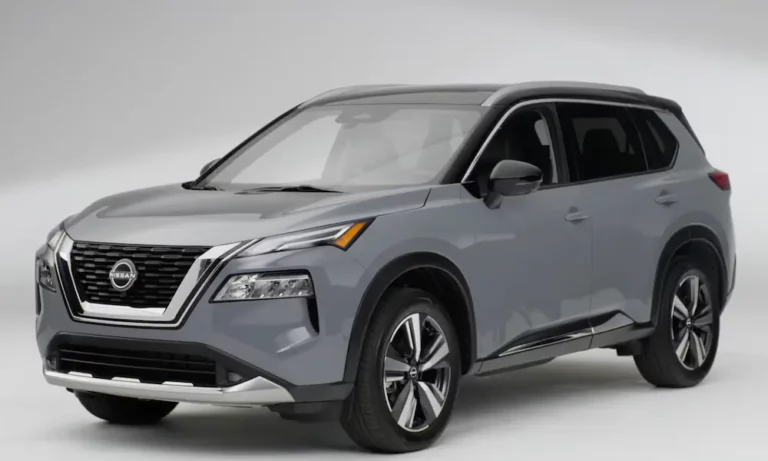
In July 2025, Nissan announced one of its largest recalls ever, affecting 443,899 vehicles equipped with VC-Turbo engines. The recall covers:
| Model | Years | Number of Vehicles | Engine Type |
|---|---|---|---|
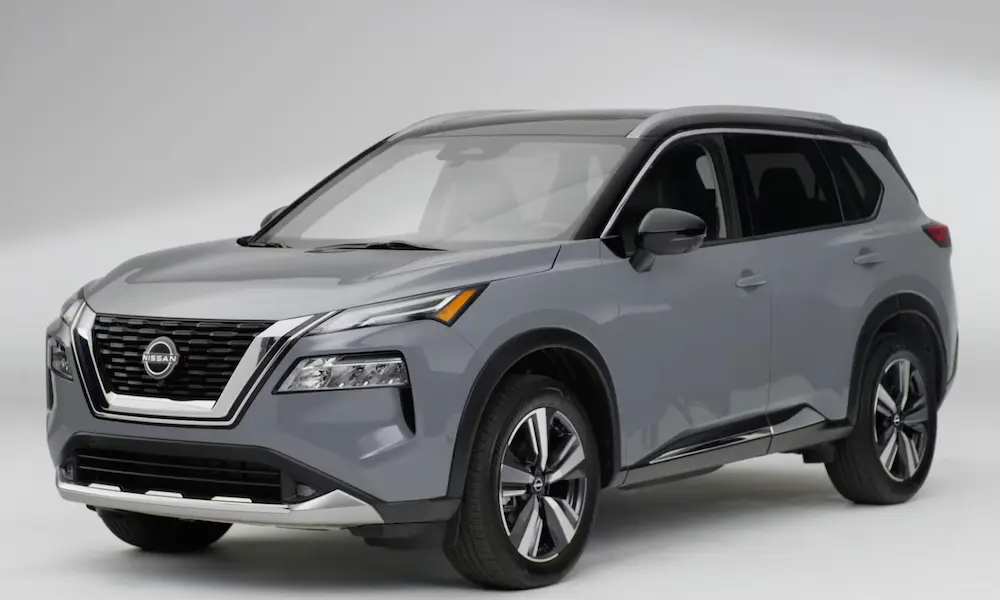
| Nissan Rogue | 2021-2024 | 348,554 | 1.5L 3-cylinder |
| Infiniti QX50 | 2019-2022 | 84,536 | 2.0L 4-cylinder |
| Nissan Altima | 2019-2020 | 5,685 | 2.0L 4-cylinder |
| Infiniti QX55 | 2022 | 5,124 | 2.0L 4-cylinder |
The recall was assigned NHTSA campaign number 25V437 and affects both the 1.5-liter three-cylinder engine (KR15DDT) found in the Rogue and the 2.0-liter four-cylinder engine (KR20DDET) used in the Altima and Infiniti models.
What’s Going Wrong With These Engines?
At the heart of the issue are manufacturing defects affecting critical engine bearings. These include main bearings, A-links, C-links, and L-links within the complex VC-Turbo mechanism.
The Main Technical Problems
The primary failure mode involves bearing wear that leads to metal debris contamination in the engine oil pan – what mechanics often call “forbidden glitter.” This metallic contamination is a clear sign of internal engine damage that can lead to complete engine failure.
The NHTSA investigation revealed that Nissan had attempted to address these bearing problems through multiple manufacturing process changes over the production lifespan. However, these modifications weren’t enough to prevent widespread bearing failures.
Interestingly, the failure rates vary significantly between engine variants:
- The 1.5-liter three-cylinder engines showed an estimated defect rate of 1.2%
- The 2.0-liter four-cylinder engines had a much lower estimated defect rate of 0.08%
Other Associated Issues
Some Rogue owners have reported a separate but concerning fuel contamination issue. This manifests as gasoline odors permeating the cabin and garage areas, potentially causing health symptoms including nausea, headaches, and dizziness.
Warning Signs Your VC-Turbo May Be Failing
If you own one of the affected vehicles, watch for these warning signs that typically develop before complete engine failure:
- Unusual engine noises: Particularly knocking or rattling sounds at low RPM
- Rough engine operation: Including irregular idle and hesitation when accelerating
- Warning lights: The check engine light or other dashboard warning messages
- Unusual vibrations: Increased engine vibration, especially at idle
- Loss of power: Reduced acceleration and overall performance
- Oil contamination: Metallic particles visible in the oil during changes
Don’t ignore these symptoms! According to technician reports, engines typically fail between 45,000 and 60,000 miles, though some failures have occurred as early as 15,000 miles.
What the Recall Process Looks Like
The recall remedy process varies depending on your specific engine and the extent of damage discovered during inspection:
Step 1: Inspection
Dealers will first inspect your engine oil pan for metal debris as the primary diagnostic step.
Step 2: Appropriate Repair Based on Findings
For vehicles with no metal debris detected:
- 3-cylinder engines: Technicians will replace the oil pan gasket and engine oil, then reprogram the engine control module
- 4-cylinder engines: Only an oil change is required
For vehicles with metal debris present: You’ll receive a complete engine replacement at no charge, a process that can take up to 15 hours to complete.
Timeline and Owner Notification
The owner notification process began in August 2025, with dealers prepared to perform inspections and necessary repairs. If you haven’t received notification, contact your local Nissan dealer with your VIN to check if your vehicle is affected.
The Financial Impact for Owners
Without the recall coverage, replacement costs for these engines can be staggering:
| Repair Type | Typical Cost Range |
|---|---|
| Complete Engine Replacement | $16,500 – $20,000+ |
| Diagnostic Inspection | $100 – $200 |
| Oil Change with Inspection | $50 – $100 |
Fortunately, Nissan has committed to providing free engine replacements where necessary as part of the recall. There’s also a reimbursement program for owners who previously paid for repairs related to this issue.
The company has extended warranty coverage for affected vehicles, providing 8 years or 160,000 kilometers of engine system quality assurance from the vehicle registration date.
How to Protect Your VC-Turbo Engine
While waiting for recall service, you can take several steps to minimize risk:
Maintenance Best Practices
- Regular oil changes: Follow Nissan’s severe service schedule (every 3,750 miles) rather than the normal interval
- Use recommended oil: Only use the specific oil weight and specification recommended by Nissan
- Check oil level frequently: Low oil levels can accelerate bearing wear
- Listen for changes: Be attentive to new noises or performance changes
- Document everything: Keep detailed maintenance records in case you need to demonstrate proper care
Driving Habits That Help
- Avoid hard acceleration until the engine reaches normal operating temperature
- Avoid prolonged idling, which can cause uneven heating
- Don’t push the engine to high RPMs frequently
- Consider shorter trips that don’t allow full warm-up to be “severe service” requiring more frequent oil changes
Is Nissan Addressing the Problem Beyond the Recall?
The VC-Turbo problems have caused Nissan to make significant changes to their product strategy:
- Nissan has discontinued the 2.0-liter VC-Turbo engine in the North American Altima lineup for the 2025 model year
- The company has reverted to conventional naturally aspirated engines in some models
- Manufacturing processes have been revised multiple times, suggesting ongoing efforts to improve the design
This situation raises broader questions about the automotive industry’s pursuit of complex mechanical solutions to efficiency challenges. The integration of breakthrough technology in mainstream, affordable vehicles may introduce reliability risks that luxury car buyers might better tolerate.
Legal Options for Affected Owners
If you’re experiencing repeated problems with your VC-Turbo engine, you may have legal options beyond the recall:
- Lemon Law Claims: If your vehicle has had multiple repair attempts for the same issue, you might qualify for state lemon law protection
- Class Action Lawsuits: Several class action lawsuits have been filed regarding these engines
- Warranty Claims: Even outside the recall, your vehicle may be covered under Nissan’s powertrain warranty
Before pursuing legal action, document all repairs, symptoms, and communications with the dealer and Nissan corporate.
The Future of Variable Compression Technology
The VC-Turbo problems represent a significant setback for variable compression technology. While the concept remains technically sound, the execution has resulted in significant reliability issues affecting nearly half a million vehicles worldwide.
Industry analysts question whether such complex mechanical solutions make sense in an era rapidly moving toward electrification. The added complexity, weight, cost, and potential reliability issues may not justify the efficiency gains, especially as hybrid and electric options become more prevalent.
Nissan hasn’t abandoned the technology completely, but they’ve certainly scaled back its implementation while they address the reliability concerns.
Alternatives to Consider if Trading In
If you’re considering trading in your affected Nissan, here are some alternatives with strong reliability records in the same vehicle segments:
- Compact SUVs (Rogue alternatives): Honda CR-V, Toyota RAV4, Mazda CX-5
- Midsize Sedans (Altima alternatives): Honda Accord, Toyota Camry, Mazda 6
- Luxury Compact SUVs (QX50/QX55 alternatives): Lexus NX, Acura RDX, BMW X3
When shopping for alternatives, ask specifically about the powertrain technology and research reliability records for specific engines, not just the model in general.
Understanding Your Vehicle’s Value Impact
The recall has likely impacted the resale value of affected vehicles. Pre-repair vehicles with documented VC-Turbo issues will see the largest negative impact on value. However, vehicles that have received a complete engine replacement under the recall may actually fare better on the used market, as they effectively have a new engine with manufacturer warranty coverage.
If you’re selling, be upfront about the recall status, as it will show up on vehicle history reports. If buying one of these vehicles used, ensure the recall work has been completed and request documentation.
The Nissan VC-Turbo situation serves as a reminder that automotive innovation must balance efficiency and performance with proven reliability and manufacturing quality to avoid the costly consequences of widespread mechanical failures.