Ever spotted those budget-friendly Douglas tires at Walmart and wondered if they’re worth your hard-earned money? You’re not making a small investment—even budget tires impact your safety, comfort, and wallet for years to come. I’ve researched what real drivers experience with Douglas tires to help you decide if they’re the right choice for your vehicle and driving needs.
What Are Douglas Tires?
Douglas tires are Walmart’s exclusive budget tire brand manufactured by Goodyear Tire & Rubber Company through their Kelly Springfield subsidiary. Established in 1992, these tires are positioned as an affordable option for everyday drivers looking to save money without completely sacrificing quality.
Douglas tires typically cost between $50-$120 per tire, making them 26-50% cheaper than premium brands like Michelin or Goodyear’s main lineup. They’re primarily manufactured in the United States, though some production occurs at international Goodyear facilities in countries like Venezuela, India, Turkey, and Malaysia.
Douglas Tires Performance: The Good and Bad
Dry Road Performance: Adequate for Daily Driving
On dry pavement, Douglas tires perform reasonably well for normal commuting. Most drivers report satisfactory handling and stability during routine city and highway driving. According to SimpleTire’s rating system, Douglas All-Season tires score 7.6 points for handling, which suggests competent dry road capabilities for a budget tire.
However, these aren’t performance tires. The budget construction means they have less grip when pushed hard in corners or during emergency maneuvers compared to premium alternatives.
Wet Weather Performance: A Significant Weakness
Here’s where Douglas tires struggle most. Wet weather performance is consistently cited as a major weakness across customer reviews. Many drivers report concerning traction limitations in rainy conditions.
One Reddit user described a frightening experience: “braking more and more, but not slowing down any faster” until their ABS activated during wet conditions. This indicates substantial wet traction deficiencies that could affect safety.
Expert comparisons confirm these wet-weather shortcomings, with customer ratings for wet performance averaging just 3.0 out of 10 on SimpleTire’s scorecard. If you live in a rainy climate, this limitation deserves serious consideration.
Winter Performance: Limited Snow Capabilities
Douglas tires offer mixed but generally limited winter performance. They can handle light snow in a pinch but aren’t designed for serious winter driving.
While some YouTube testing has shown Douglas All-Season tires successfully navigating through 8-10 inches of snow, these tests were conducted in controlled environments. Real customer experiences suggest they’re adequate for occasional light snow but struggle in icy conditions or heavy winter weather.
Importantly, Douglas tires lack the Three-Peak Mountain Snowflake certification found on dedicated winter or all-weather tires, confirming they’re designed for basic all-season use rather than enhanced winter performance.
Durability and Longevity: What to Expect
Tread Life: Variable Results
Douglas tires typically come with 40,000 to 50,000-mile treadwear warranties, which is competitive in the budget tire segment. However, real-world experiences vary considerably.
Some satisfied customers report achieving 30,000+ miles with significant tread remaining, suggesting these tires can meet warranty expectations with proper maintenance. Others have experienced rapid tread wear, with significant deterioration within 6-12 months or sidewall cracking after just 3 years.
Your driving habits, vehicle alignment, and tire maintenance routine will significantly impact how long these tires last.
Construction Quality: Some Concerns
A concerning pattern emerges regarding Douglas tire construction. One tire shop owner with 15 years of experience specifically warns against Douglas tires, describing them as “flimsy and delicate” with a tendency for “rocks to snap the belts and cause catastrophic failure.”
This expert noted that Douglas tires feature thinner sidewalls compared to competing budget brands—approximately 1mm less material thickness, representing about 20% less material. This difference could impact durability and resistance to road hazards.
Comfort and Noise Level
If a quiet ride matters to you, Douglas tires might disappoint. Excessive road noise is the most frequently cited complaint in customer reviews. Multiple drivers describe them as “absolutely loudest tires I have ever had on any car” and unsuitable for long-distance travel due to noise levels.
SimpleTire’s customer scorecard rates Douglas tires at only 2.3 out of 10 for both noise and comfort, indicating widespread dissatisfaction in this area. The aggressive tread pattern necessary for basic traction appears to create significantly more road noise compared to premium alternatives.
Price-to-Value Relationship
The strongest selling point for Douglas tires is undoubtedly their price. Many reviewers express satisfaction with their cost-effectiveness, particularly for vehicles with limited remaining service life or minimal annual mileage.
One YouTube reviewer noted getting “really good value” from Douglas tires priced at approximately $51 per tire. The Goodyear manufacturing connection adds credibility to the value proposition, as customers receive tires produced by a major manufacturer at significantly reduced costs.
However, this value advantage has somewhat eroded in recent years as other manufacturers improve their budget offerings. For example, Armstrong Blu-Trac tires now offer higher UTQG ratings (700AA vs. 420AB) and longer warranties (85,000 vs. 45,000 miles) at similar or lower prices.
| Feature | Douglas Tires | Premium Alternatives | Other Budget Brands |
|---|---|---|---|
| Price Range | $50-$120 | $120-$250+ | $60-$150 |
| Typical Warranty | 40,000-50,000 miles | 60,000-80,000+ miles | 40,000-85,000 miles |
| Wet Performance | Poor | Good to Excellent | Variable |
| Road Noise | High | Low to Moderate | Moderate to High |
| Ideal Use Case | Basic transportation, older vehicles | Daily drivers, safety-conscious drivers | Budget-conscious drivers seeking better balance |
Warranty and Service Experiences
Customer experiences with Douglas tire warranties reveal inconsistent service quality and sometimes complex claim procedures. Multiple reviewers report difficulties obtaining warranty coverage, particularly when tires weren’t installed at Walmart facilities.
The warranty requires extensive documentation, including proof of regular tire rotations and proper maintenance, which can be challenging if you use independent service providers. Road hazard warranty experiences show particular frustration, with some customers reporting warranty denials based on technicalities.
If you’re considering Douglas tires, carefully read and understand the warranty terms and maintain proper documentation throughout your tires’ service life.
When Douglas Tires Make Sense
Based on comprehensive review analysis, Douglas tires are most suitable for specific scenarios:
- Older vehicles with limited remaining service life
- Drivers who put on low annual mileage
- Urban commuting in predominantly dry climates
- Budget-constrained situations where basic transportation takes priority over performance
These tires work best for drivers who maintain proper tire pressure, perform regular rotations, and avoid aggressive driving. Under such conditions, Douglas tires can deliver satisfactory service at substantial cost savings.
When to Consider Alternatives
Douglas tires are less suitable for several driving scenarios where safety and performance are paramount:
- Frequent wet weather driving
- Winter conditions with regular snow or ice
- High-mileage highway commuting
- Performance-oriented driving
- Applications where ride comfort is important
The safety implications of reduced wet weather performance and potentially shorter stopping distances make premium tires a worthwhile investment in these scenarios. Engineering testing has shown that premium tires can provide up to 36 feet shorter stopping distances compared to budget alternatives—a difference that could prevent an accident.
Douglas Tires vs. Competitors
Within the budget tire segment, Douglas faces competition from brands like Milestar, Armstrong, Cooper, and other value-oriented manufacturers. While Douglas tires maintain advantages in availability through Walmart’s extensive retail network, several competitors now offer comparable or better specifications at similar price points.
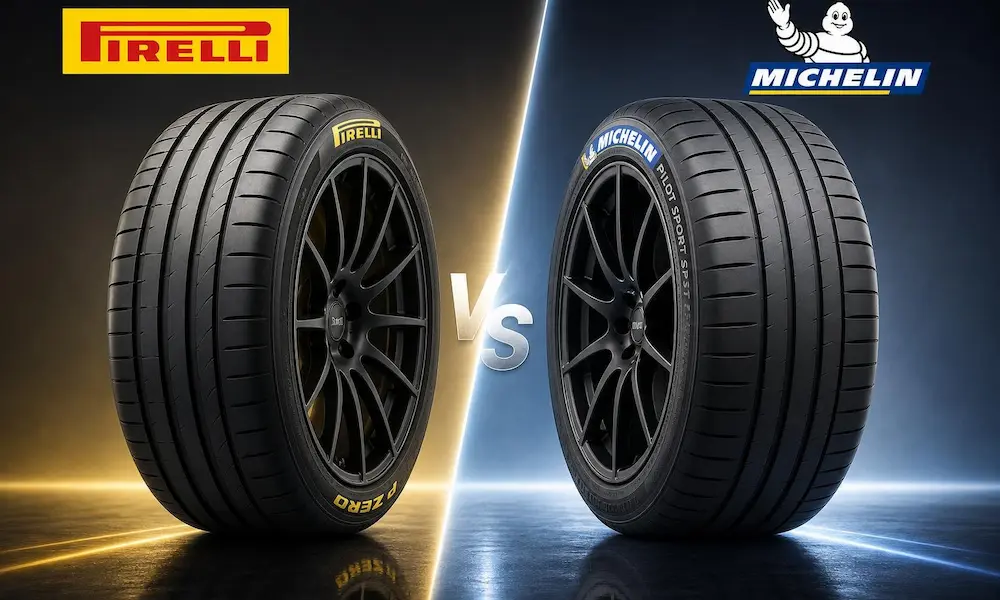
When compared to premium alternatives like Michelin Defender or Goodyear Assurance MaxLife, the performance gaps become more apparent. Premium tires typically offer superior wet weather performance, longer tread life, reduced road noise, and enhanced safety margins.
The National Highway Traffic Safety Administration recommends considering several factors when purchasing tires, including climate conditions, driving habits, and personal priorities like comfort and fuel efficiency.
The Bottom Line: Are Douglas Tires Good?
Douglas tires represent a viable budget option for specific applications while carrying notable limitations. They can provide acceptable service at substantial cost savings when:
- You understand their limitations
- You primarily drive in dry conditions
- You’re willing to accept tradeoffs in comfort and performance
- Your vehicle doesn’t require premium performance
However, their wet weather performance deficiencies, variable construction quality, and excessive road noise mean they’re not the right choice for every driver.
For many, especially those who drive in varied weather conditions or prioritize safety margins, investing in mid-tier or premium alternatives may provide better long-term value through improved safety, comfort, and durability—even with the higher initial cost.
The final verdict? Douglas tires are “good enough” for basic transportation needs in favorable conditions but fall short when challenges arise. Your specific driving needs and priorities should guide your decision more than price alone.