Is your Nissan Versa blowing warm air instead of the icy blast you need during hot weather? Your AC system might just need a recharge. This guide walks you through the entire process of recharging your Nissan Versa’s air conditioning system yourself, saving you a trip to the mechanic and potentially hundreds of dollars in service fees.
What You Need to Know About Your Nissan Versa’s AC System
Your Versa’s air conditioning isn’t just a luxury—it’s essential for comfortable driving and clear visibility. When it stops cooling effectively, a refrigerant recharge is often the solution.
Most Nissan Versa models use R-134a refrigerant, though newer models (2021+) have switched to R-1234yf. Before starting, you’ll need to know exactly which type your car requires.
Refrigerant Type and Capacity for Nissan Versa
Using the correct refrigerant type and amount is crucial for your AC system’s performance and longevity. Too little won’t cool properly, while too much can damage your compressor.
| Nissan Versa Model Year | Refrigerant Type | Capacity | Oil Type & Amount |
|---|---|---|---|
| 2007-2012 | R-134a | 18.00 oz (1.13 lbs) | PAG-46, 3.40 oz |
| 2013-2018 | R-134a | 14.08 oz (0.88 lbs) | PAG-46, 4.10 oz |
| 2010 Versa S (all trims) | R-134a | 16.8 oz (1.05 lbs) | PAG-46 |
| 2021+ | R-1234yf | See under-hood label | Specific synthetic oil |
Always double-check your specific model’s requirements by looking at the under-hood label or consulting your owner’s manual.
Tools and Materials Needed for a DIY Recharge
Before starting, gather everything you’ll need:
- R-134a recharge kit with pressure gauge
- Correct amount of R-134a refrigerant cans
- Safety glasses and gloves
- Thermometer (optional but helpful)
- Clean cloth
Quality matters with AC recharge kits. Look for one with a reliable pressure gauge, trigger control valve, and clear instructions. Most auto parts stores carry kits specifically designed for R-134a systems.
How to Locate Your Versa’s AC Service Ports
Finding the correct service port is essential—using the wrong one can damage your system or cause injury.
The low-pressure service port (what you’ll need for recharging) is located on the larger aluminum line running between the compressor and evaporator. It typically has:
- A blue or black plastic cap
- “L” marking nearby
- A smaller diameter than the high-side port
Never connect your recharge kit to the high-pressure port (usually marked with “H” or red cap)—doing so can cause dangerous pressure levels.
Step-By-Step Nissan Versa AC Recharge Procedure
1. Prepare Your Vehicle
- Park your Versa in a level, shaded area with good ventilation.
- Let the engine cool if it’s been running.
- Put on your safety glasses and gloves.
- Gather all tools and materials within reach.
2. Initial System Check
- Start your engine and turn AC to maximum cool, with fan on high.
- Let the system run for 3-5 minutes to stabilize.
- Check if the compressor clutch is engaging (the center of the pulley spins).
- If the clutch isn’t engaging, your system might be too low on refrigerant or have other issues.
3. Connect Your Recharge Kit
- Locate the low-pressure port (larger line, typically with blue cap).
- Remove the protective cap.
- Attach your recharge hose firmly to the port—you should hear it click.
- Check the initial pressure reading on your gauge.
4. Assess Current Refrigerant Level
At this point, your gauge reading tells you a lot about your system:
- With the AC running and ambient temperature around 75°F, expect low-side pressure readings of 25-35 PSI.
- Lower than 25 PSI? Your system likely needs refrigerant.
- Near 0 PSI? You may have a major leak that needs repair before recharging.
- Above 45 PSI? Your system might be overcharged or have other issues.
Every recharge kit includes a temperature-pressure chart. Use it to determine the correct pressure for your current ambient temperature.
5. Add Refrigerant
- Shake the refrigerant can well.
- Connect it to your recharge kit and follow the kit’s instructions to pierce the can.
- Hold the can upright (12 o’clock position).
- Squeeze the trigger in 5-10 second bursts, releasing between bursts.
- Check the pressure gauge frequently.
- Feel the air from your vents periodically—it should get colder as you add refrigerant.
6. Monitor Pressure and Temperature
- Add refrigerant slowly until your gauge reaches the recommended pressure for your current ambient temperature.
- For a 75°F day, aim for approximately 25-35 PSI.
- Place a thermometer in the center vent—when properly charged, expect vent temperatures of 35-45°F.
- Stop immediately if pressure rises too quickly or exceeds the recommended level.
7. Disconnect and Complete the Process
- When the correct pressure is reached, close the trigger valve completely.
- Quickly disconnect the hose from the service port to minimize refrigerant loss.
- Replace the service port cap securely.
- Continue running the AC for 5-10 minutes to verify proper operation.
Troubleshooting Common Nissan Versa AC Issues
AC Still Not Cold After Recharge?
If your Versa’s AC isn’t cooling properly after a recharge, consider these common issues:
- Refrigerant leaks: Use a UV detection kit to find leaks—adding dye to your system can help make leaks visible under a UV light.
- Compressor problems: If you hear unusual noises or the clutch isn’t engaging, you might need a new compressor.
- Blocked condenser: Check for debris or insects blocking airflow through your condenser (the radiator-like component at the front of your car).
- Failing blend door: If your system shifts between hot and cold, the blend door actuator might need replacement.
For significant issues, especially with newer R-1234yf systems, professional service is recommended.
Understanding Pressure Readings
Your recharge kit’s gauge provides valuable diagnostic information:
- Too low (under 25 PSI): Indicates refrigerant loss, possibly from a leak.
- Too high (over 45 PSI): Could indicate overcharging or a blocked system.
- Fluctuating wildly: May indicate moisture in the system or a failing expansion valve.
- Doesn’t change when adding refrigerant: Could indicate a completely blocked system or severe leak.
Maintaining Your Nissan Versa’s AC System
To keep your AC running efficiently between recharges:
- Run your AC at least once a week, even in winter, to maintain seals and lubrication.
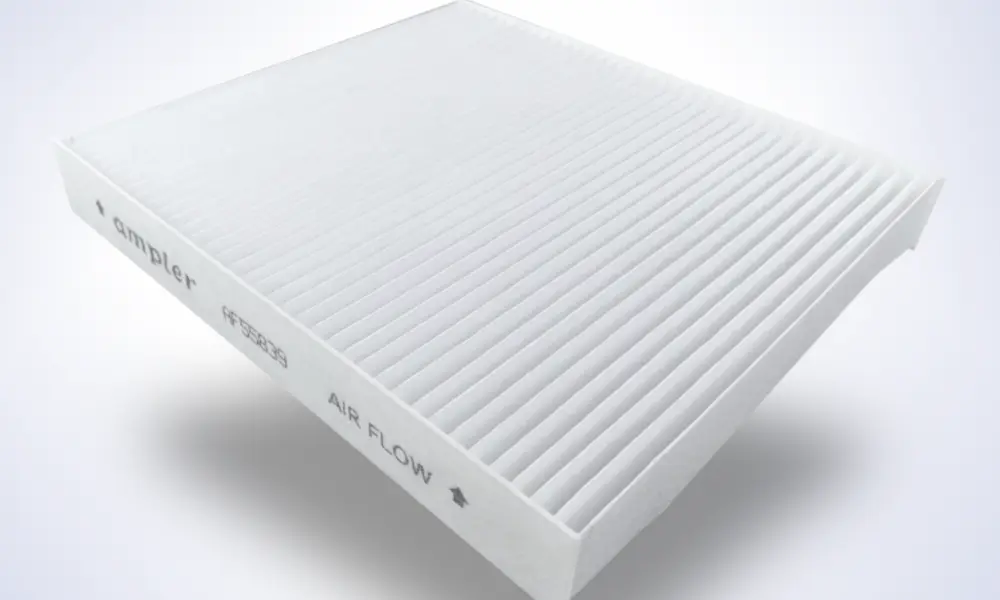
- Replace your cabin air filter annually.
- Keep your condenser clean and free of debris.
- Listen for unusual noises that might indicate early compressor problems.
- Have your system inspected during regular maintenance.
Special Considerations for Newer Versa Models
If you have a 2021 or newer Nissan Versa, your vehicle likely uses R-1234yf refrigerant. This newer refrigerant:
- Requires specialized equipment not typically available in DIY kits
- Has different pressure characteristics and handling requirements
- Often needs professional service
For these newer systems, consider having your AC serviced by a qualified technician with the appropriate equipment.
Cost Comparison: DIY vs. Professional Recharge
One of the biggest advantages of recharging your Versa’s AC yourself is cost savings:
| Service Type | Average Cost | Pros | Cons |
|---|---|---|---|
| DIY Recharge | $30-50 | Significant savings, convenient timing | Requires some technical knowledge, no professional diagnosis |
| Professional Service | $150-300 | Expert diagnosis, warranty on work, proper recycling of old refrigerant | Higher cost, requires appointment |
For basic recharges on R-134a systems, DIY is cost-effective. For complex problems or R-1234yf systems, professional service is often worth the investment.
Environmental and Safety Considerations
Refrigerants have significant environmental impacts if released improperly:
- R-134a has 1,430 times the global warming potential of CO2
- R-1234yf is better (only 4 times that of CO2) but still needs proper handling
- Federal law prohibits intentional venting of refrigerants
Always handle refrigerants responsibly and dispose of empty cans according to local regulations.
When working with air conditioning systems, remember these safety tips:
- Always wear gloves and eye protection
- Work in well-ventilated areas
- Never expose refrigerant cans to high heat or open flame
- Don’t mix refrigerant types or use “quick fix” products containing sealants
Get Your Nissan Versa’s AC Blowing Cold Again
Recharging your Nissan Versa’s AC system is a straightforward DIY project that can save you money while restoring your comfort. By following this guide and using the right materials, you’ll be enjoying crisp, cool air on your drives regardless of outside temperatures.
Remember that regular maintenance helps prevent major AC issues, and fixing small problems early often prevents more expensive repairs later. With proper care, your Versa’s air conditioning should provide reliable cooling for many summers to come.