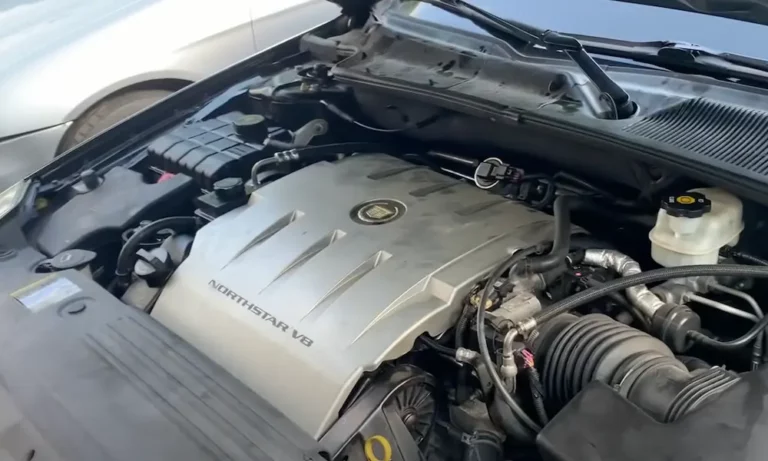
Ever wondered why your Cadillac’s engine is causing so much trouble? The Northstar V8 engine was once Cadillac’s crown jewel, delivering impressive performance and power. But as many owners discovered, this sophisticated powerplant came with significant reliability issues that could empty your wallet faster than it could accelerate.
The Infamous Head Gasket Failure
The most notorious Northstar engine problem is head gasket failure. This isn’t just an occasional issue—it’s so common that mechanics often call it the “Northstar Condition.”
Early models (1993-2005) used aluminum blocks with fine-thread bolts that were prone to pulling out when the engine overheated. Once these threads strip, coolant can leak into places it shouldn’t go, causing a cascade of problems.
Signs you’re facing a head gasket issue include:
- Mysterious coolant disappearance
- Engine overheating, especially at idle
- White smoke from your exhaust
- Engine knocking sounds
- Milky-looking oil (when coolant mixes with oil)
The standard repair involves installing stronger thread inserts (Time-Serts) or replacing the head bolts with stud kits from Northstar Performance. This isn’t a quick fix—expect to pay between $4,000 and $7,000 for a proper repair at a specialized shop.
Persistent Oil Leaks
If you own a Northstar engine, you might have already accepted oil spots on your driveway as a fact of life. These engines are notorious for leaking oil from multiple locations:
Valve Cover Gaskets
Located high on the engine, these leaks often cause oil to drip onto hot exhaust components, creating that distinctive burning smell and smoke from the engine bay.
Oil Pressure Components
The oil pressure sensor and filter adapter can develop pressurized leaks that quickly drain your engine of vital lubrication. These leaks are particularly dangerous because they can lead to rapid oil loss.
Lower Engine Seals
The oil pan gaskets and various crankcase seals are common failure points. These leaks might go unnoticed for longer since they’re underneath the engine.
Repair costs vary widely depending on the leak source:
- Valve cover gaskets: $200-$500
- Pressurized components like oil manifold seals: $1,000-$1,500
Cooling System Failures and Overheating
Northstar engines run hot by design, making their cooling systems work overtime. This stress leads to frequent cooling system failures, particularly in 2000-2002 DeVille models.
Common cooling issues include:
- Water pump leaks and failures
- Coolant loss through degraded hoses
- Radiator inefficiency
- Thermostat failures
What makes these problems tricky is that overheating often isn’t the primary issue—it’s a symptom of something else. For example, a failing head gasket might show up first as an overheating problem. The real challenge comes when mechanics misdiagnose the root cause.
If your Northstar engine overheats even once, it can cause the aluminum cylinder heads to expand and warp, creating a permanent problem that requires extensive repair.
Timing Chain and Camshaft Issues
Unlike many engines that use timing belts requiring regular replacement, the Northstar uses a timing chain designed to last the engine’s lifetime. However, the engine’s design makes proper camshaft timing critical.
The Northstar is an interference engine, meaning that if the timing chain fails or skips, the pistons can collide with valves, causing catastrophic damage. While complete timing chain failure is relatively rare, improper timing can cause:
- Rough idle
- Poor performance
- Reduced fuel economy
- Check engine lights
Setting proper camshaft timing involves aligning specific marks on the chain and sprockets—a procedure that requires precision and specialized knowledge as detailed in technical repair guides.
Excessive Oil Consumption
Many Northstar owners discover their engines consume oil at an alarming rate—sometimes a quart every 1,000 miles or less. This happens due to:
- Worn piston rings
- Cylinder wall scoring
- Valve guide seals deterioration
- PCV system issues
Excessive oil consumption leads to carbon buildup on valves and in the intake manifold, reducing efficiency and performance over time. Addressing oil consumption might require piston ring replacement ($1,000-$5,000) or even engine porting in severe cases.
For carbon buildup, services like walnut blasting or chemical cleaning can add $500-$1,000 to your maintenance costs.
The Hidden Engine Control Module Problems
The sophisticated electronics that manage the Northstar engine can also be a source of trouble. The Engine Control Module (ECM) may develop issues that cause:
- Erratic idle
- Stalling
- Poor fuel economy
- Reduced performance
- Starting difficulties
These electronic issues can be challenging to diagnose because they often mimic mechanical problems. A faulty crankshaft position sensor, for example, can cause the engine to suddenly shut off while driving.
Replacing these electronic components isn’t as expensive as mechanical repairs, typically ranging from $300-$800, but diagnosis can be time-consuming.
Oil Pressure Sensor Failures
The oil pressure sensor on Northstar engines is notorious for failing, causing:
- False low oil pressure warnings
- Actual low oil pressure not being detected
- Check engine lights
- Engine damage if warnings are ignored
The good news is that replacing the oil pressure sensor itself is relatively inexpensive ($100-$200), but the bad news is that accessing it can be labor-intensive on some models.
Maintenance Costs: The Financial Reality
Owning a Northstar-equipped Cadillac means budgeting for potentially expensive repairs:
| Issue | Cost Range |
|---|---|
| Head Gasket Repair | $4,000-$7,000 |
| Oil Leak Fixes | $200-$1,500 |
| Preventive Engine Studding | $5,000-$7,000 |
| Carbon Cleaning | $500-$1,000 |
| ECM/Sensor Replacements | $300-$800 |
What makes these repairs particularly challenging is that many shops refuse to work on Northstar engines due to their complexity. This forces owners to seek specialists, further increasing costs. Some Cadillac owners have reported being turned away by multiple shops before finding someone willing to tackle their Northstar problems.
The Dreaded “Walk Away” Point
At what point should you consider parting ways with your Northstar-equipped vehicle? According to industry experts, you should evaluate:
- The current value of your vehicle
- The estimated repair costs
- The likelihood of additional problems
When repair estimates exceed 50% of your vehicle’s market value, it’s typically time to consider alternatives. For many older Northstar models worth $3,000-$5,000, a $5,000 head gasket repair simply doesn’t make financial sense.
Preventive Measures That Actually Work
If you’re committed to keeping your Northstar engine running, consider these preventive steps:
Monitor Your Coolant
Check your coolant level weekly, not monthly. A sudden drop might be your first warning of head gasket issues.
Change Oil Frequently
Every 3,000-5,000 miles is recommended, using high-quality synthetic oil designed for high-temperature engines.
Consider Preventive Studding
If your engine hasn’t yet experienced head gasket failure, some specialists recommend preventive installation of stronger head studs to avoid the problem entirely. At $5,000+, it’s expensive but cheaper than dealing with a blown head gasket and overheated engine.
Use Cooling System Additives
Products specifically designed for aluminum engines can help maintain the cooling system’s protective barrier, slowing corrosion within the engine block.
Watch for Early Leak Signs
Address even minor oil leaks promptly before they become major issues. Small valve cover leaks can be fixed relatively cheaply, while waiting can lead to damaged electrical components and more extensive repairs.
Which Model Years to Avoid (And Which Are Better)
Not all Northstar engines are created equal. The worst years for reliability include:
- 1993-1999: First-generation models with the most severe head bolt issues
- 2000-2002: DeVille models particularly prone to overheating
- Any models with over 100,000 miles without documented head gasket repair
If you’re shopping for a Northstar-equipped Cadillac, your best options are:
- 2004-2011 models (especially post-2006): These received incremental improvements to the head bolt design
- Vehicles with documented head stud upgrades
- Lower-mileage examples under 80,000 miles
According to the National Highway Traffic Safety Administration, Northstar engines in later model years showed fewer complaints regarding catastrophic failures, though oil leak issues persisted across all years.
Buying a Used Northstar: Essential Checks
If you’re considering a used Cadillac with a Northstar engine, insist on:
- A comprehensive pre-purchase inspection by a Cadillac specialist
- Compression and leak-down tests to check engine integrity
- Documentation of any major repairs (especially head gasket work)
- Checking for coolant in the oil or oil in the coolant
- A thorough test drive that brings the engine up to operating temperature
Pay special attention to how the engine performs when hot, as many Northstar problems only appear after the engine reaches full operating temperature.
The Northstar Legacy
Despite its problems, the Northstar engine represented a bold step forward for American engineering. Its dual overhead cam design, aluminum construction, and impressive power output made it competitive with global luxury brands when it debuted.
The engine’s flaws weren’t from lack of engineering talent but rather from pushing the boundaries of what was possible with the materials and manufacturing techniques available at the time. The lesson for car manufacturers was clear: innovation must be balanced with reliability.
For Cadillac owners today, the Northstar engine represents both the promise and peril of cutting-edge technology. When running properly, these engines deliver smooth power and refined performance. But their complexity and design flaws mean ownership requires both patience and a healthy repair budget.