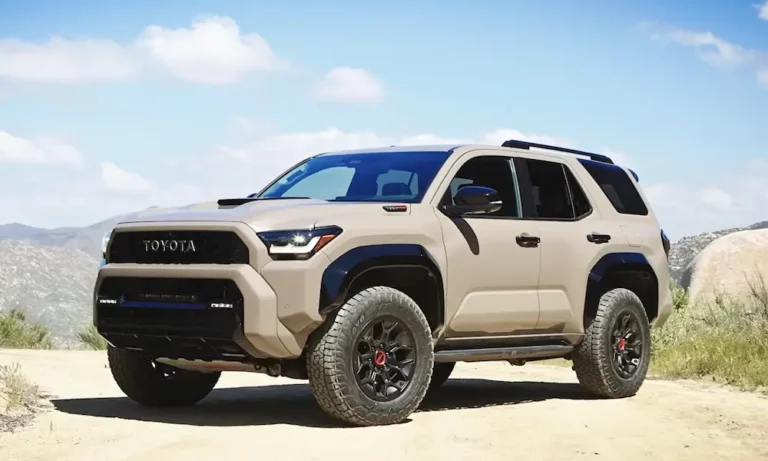
Finding your Toyota 4Runner oil filter location shouldn’t feel like a treasure hunt. But depending on your year and engine, it might be hiding on top, underneath, or somewhere you’d never expect. This guide covers every generation — with the access tricks, tools, and torque specs you actually need. Stick around, because your generation might have a quirk that’ll save you a big mess.
Why the Oil Filter Location Keeps Changing
Toyota didn’t move the filter around just to annoy you.
Each time the engine changed — new camshaft systems, forced induction, emissions upgrades — the engineers had to rethink where everything fits. Variable valve timing systems alone completely redesigned internal oil routing, which pushed the filter out of its old spot.
The result? Six generations of 4Runner, six different approaches to oil filtration. Some are brilliant. Some are… not.
1st Gen 4Runner (1984–1989): Low and Awkward
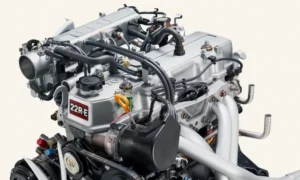
Inline-Four (22R / 22R-E)
The oil filter sits on the passenger side of the engine block, mounted horizontally and positioned fairly low. It’s not impossible to reach, but it’s not fun either.
Your two options:
- Top-down — Reach into the engine bay from above. The intake plenum and vacuum lines on fuel-injected models make this cramped.
- Wheel well access — Turn the steering wheel hard right, pull back the splash shield, and grab the filter directly. This is the method most owners prefer.
One problem with both methods: oil runs straight down the engine block onto the front differential and steering components when you loosen the filter. The aftermarket responded with oil filter relocation kits that move the filter to the inner fender using braided stainless lines — cleaner installs and a slight boost in total oil capacity. System capacity with a filter change is 4.9 quarts.
3.0L V6 (3VZ-E)
The V6 filled the engine bay and pushed the oil filter to a tight spot — low on the block, tucked behind the subframe, next to engine mounts and factory oil cooler lines. It’s genuinely difficult to access. Total capacity is 4.8 quarts using a standard spin-on filter.
2nd Gen 4Runner (1990–1995): Same Engines, Smarter Tricks
The second-gen kept the same V6, so the filter location didn’t improve. But the maintenance community got creative.
Two popular mess-management methods emerged:
- The slide trick — Wedge cardboard or a plastic bag under the filter before loosening it. The oil flows onto the slide and into your catch pan instead of coating the steering rack.
- The puncture method — Poke a small hole in the lowest point of the filter canister while the drain plug is out. The filter empties slowly before you unthread it.
The factory oil cooler on the 3VZ-E also causes headaches. Its O-ring seal degrades over time and mimics a rear main seal leak. Many owners opt for an oil cooler delete kit, which replaces the cooler with a block-off plate and simplified filter mount.
3rd Gen 4Runner (1996–2002): Two Engines, Two Different Experiences
2.7L Inline-Four (3RZ-FE)
The filter is on the passenger side of the engine block, just forward of the passenger front tire. Access it through the passenger wheel well — turn the wheels left, pop the splash shield, and reach in.
One long-term issue: the O-ring seal on the filter bracket gasket tends to weep on high-mileage examples, requiring a full housing removal to fix. System capacity is 5.8 quarts with a standard spin-on filter. Drain plug torque is 29 ft-lbs.
3.4L V6 (5VZ-FE): The Filter That Pre-Fills
This one’s unique. The filter points downward at an angle on the driver side, near the front of the engine by the oil pan. Access it through the driver side wheel well — unclip the dust shield and reach in.
The downward angle is actually a feature. You can pre-fill the new filter with fresh oil before installing it, which means the engine reaches full oil pressure almost instantly at startup. That reduces dry-friction wear on bearings and cam journals during the first seconds of running — a detail fleet mechanics care about a lot.
The filter thread pitch also matches certain mid-1990s domestic vehicles. A longer compatible filter increases filtration media volume and sticks out further from the block, making it easier to grip. System holds 5.5 quarts.
4th Gen 4Runner (2003–2009): The Best and the Most Buried
4.0L V6 (1GR-FE): Top of the Engine, Best Access Ever
This is the one everyone loves. The oil filter sits on top of the engine, right next to the oil filler cap on the driver side. No lifting the vehicle. No skid plate removal. No wheel well contortions.
Even better — the aluminum timing cover has a built-in catch cup under the filter mount. When you loosen the filter, oil drains into this cup instead of running down the engine. A small drain nipple at the bottom lets you route the oil into a catch pan with a rubber tube or evacuate it with a fluid extractor. It’s genuinely clean. System uses 5.5 quarts and a standard spin-on filter.
4.7L V8 (2UZ-FE): Deep in the Undercarriage
The V8 tells a completely different story. The engine is massive, filling the frame rails, so there’s zero room for a top-mount filter. The filter sits on the driver side of the oil pan, above the steering linkage, sway bar, and front differential.
To get to it, you remove the front skid plate entirely — four heavy 12mm bolts. Then you deal with a horizontally-mounted filter that will drip oil onto the steering rack below when you break the seal. Total oil capacity is 6.4 to 6.8 quarts depending on tow package cooler options. Drain plug torque is 29 ft-lbs.
Many V8 owners upgraded to aftermarket skid plates with dedicated oil filter access doors to avoid removing the full plate at every oil change.
5th Gen 4Runner (2010–2024): The Cartridge System Everyone Has Opinions About
The 4.0L V6 got dual variable valve timing (VVT-i on both intake and exhaust cams) for the fifth generation. This completely redesigned the timing cover to route high-pressure oil to the cam phasers. The top-mount filter from Gen 4 couldn’t survive the redesign — those real estate went to VVT hydraulics. The filter moved to the bottom front of the engine, and Toyota switched to a cartridge-style system.
How the 5th Gen Cartridge System Works
Here’s the full procedure:
- Remove the front skid plate and plastic aero filler panel
- Insert the included plastic drain nipple into the spring-loaded drain valve at the bottom of the housing — this drains the housing before you open it
- Use a specialized 64mm, 14-flute oil filter wrench to unthread the plastic housing
- Remove the spent paper cartridge
- Replace two O-rings — one large ring on the housing body, one small ring on the drain plug — and lube both with fresh oil
- Torque the housing to 18 ft-lbs and the drain plug to 10 ft-lbs
Total capacity is 6.6 quarts of 0W-20. The filter element is part number 04152-YZZA5.
The Plastic Housing Problem
The composite housing undergoes constant heating and cooling cycles. If a quick-lube tech uses an impact gun instead of a torque wrench, the housing cracks or strips against the aluminum block threads. The small metal drain plug also seizes inside the plastic housing regularly because the two materials expand at different rates — when that happens, the whole housing unscrews and hot oil goes everywhere.
The popular fix is swapping to the OEM aluminum housing (part number 15650-38020). One critical detail: the aluminum housing has a shorter internal standpipe. You must transplant the longer standpipe from the plastic housing into the aluminum one before installing. Skip this step and unfiltered oil can bypass the filter media entirely — that means engine damage.
2010-Only: 2.7L Four-Cylinder
For one model year only, the 4Runner offered a base 2.7L inline-four. It keeps a traditional spin-on filter under the engine near the oil pan. Remove the front protection plate to access it. Capacity is 6.2 quarts.
6th Gen 4Runner (2025+): Turbocharged and Back to Spin-On
The 2025 4Runner ditched the naturally aspirated V6 entirely for a 2.4L turbocharged inline-four. And Toyota made a welcome call: drop the cartridge system and return to a spin-on metal canister filter.
The filter sits at the front of the engine block, behind the radiator, just above the front differential crossmember. The skid plate still needs to come off. Engineers added a small plastic drain channel around the filter mount to catch the initial oil surge, but the geometry of the chassis means slow-draining oil still hits the crossmember. A shape-retaining silicone funnel bridges the gap cleanly.
Key specs for the 6th gen:
- Capacity: 5.9 quarts of 0W-20 synthetic
- Filter part number: 90915-YZZN1
- Drain plug torque: 30 ft-lbs
- Filter installation: Hand-tighten until gasket contacts the block, then add ¾ to 1 full turn by hand only — no wrenches for tightening
If you’re running aftermarket skid plates on the 6th gen, confirm the plate has a precision-cut access port for the filter. Full-coverage plates without a hatch mean removing the whole armor plate at every oil change.
Quick Reference: All 4Runner Oil Filter Locations
| Generation | Years | Engine | Filter Type | Location | Access |
|---|---|---|---|---|---|
| 1st | 1984–1989 | 2.4L I4 | Spin-On | Passenger side, mid-block | Wheel well |
| 1st | 1988–1989 | 3.0L V6 | Spin-On | Lower block, near cooler | Wheel well / underside |
| 2nd | 1990–1995 | 3.0L V6 | Spin-On | Lower block, near cooler | Wheel well / underside |
| 3rd | 1996–2002 | 2.7L I4 | Spin-On | Passenger side block | Passenger wheel well |
| 3rd | 1996–2002 | 3.4L V6 | Spin-On | Driver side, front lower | Driver wheel well |
| 4th | 2003–2009 | 4.0L V6 | Spin-On | Top of engine, driver side | Hood open — no lift needed |
| 4th | 2003–2009 | 4.7L V8 | Spin-On | Driver side oil pan | Underside (skid plate off) |
| 5th | 2010–2024 | 4.0L V6 | Cartridge | Bottom front of engine | Underside (skid plate off) |
| 6th | 2025+ | 2.4L Turbo I4 | Spin-On | Front, above differential | Underside (skid plate off) |
Torque Specs and Capacities at a Glance
| Engine | Oil Capacity (w/ Filter) | Viscosity | Drain Plug Torque | Housing Torque |
|---|---|---|---|---|
| 3VZ-E | 4.8 qts | 5W-30 / 10W-30 | 29 ft-lbs | Hand-tight |
| 3RZ-FE | 5.8 qts | 5W-30 | 29 ft-lbs | Hand-tight |
| 5VZ-FE | 5.5 qts | 5W-30 | 29 ft-lbs | Hand-tight |
| 2UZ-FE | 6.4–6.8 qts | 5W-30 | 29 ft-lbs | Hand-tight |
| 1GR-FE Gen 4 | 5.5 qts | 5W-30 | 28 ft-lbs | Hand-tight |
| 1GR-FE Gen 5 | 6.6 qts | 0W-20 | 30 ft-lbs | 18 ft-lbs |
| 2.4L Turbo | 5.9 qts | 0W-20 | 30 ft-lbs | Hand-tight + ¾ turn |
One Tool Worth Having for Any Generation
No matter which 4Runner you own, a Fumoto drain valve replaces your standard drain plug with a quarter-turn ball valve. Oil changes become completely tool-free on the drain side — no stripped plugs, no splash-back, no fumbling with a wrench underneath. It’s a small upgrade that makes a real difference across every oil change you’ll ever do.