Gas prices don’t care about your budget. But the right SUV can soften the blow at the pump — sometimes dramatically. This guide breaks down the best SUVs with good gas mileage across every size and budget, so you can stop guessing and start saving.
Why Gas Mileage Matters More Than Ever in an SUV
SUVs have come a long way from their gas-guzzling roots. Modern engineering — hybrid systems, turbo engines, and variable-compression tech — means you don’t have to sacrifice space or comfort to get solid fuel economy.
Whether you’re hauling kids, gear, or just your daily commute, there’s an SUV that fits your life without draining your wallet.
Subcompact SUVs With the Best Gas Mileage
Kia Niro Hybrid: The Efficiency King
If squeezing every mile out of a gallon is your top priority, the Kia Niro Hybrid leads the pack at an impressive 53 mpg combined. That’s not a typo.
It pairs a 1.6-liter four-cylinder engine with an electric motor for 139 horsepower combined. It’s not fast — 0-60 takes about 9.7 seconds — but you get 22.8 cubic feet of cargo space (63.7 with the rear seats folded). Starting at $28,885, it’s genuinely good value.
The catch? No all-wheel drive. It’s front-wheel drive only.
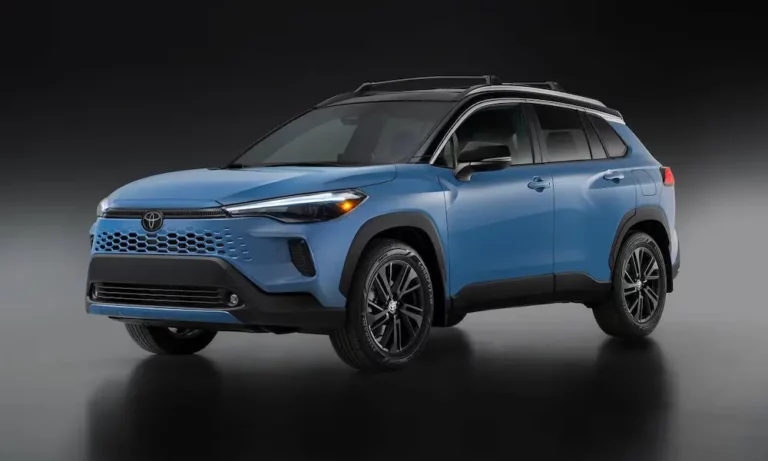
Toyota Corolla Cross Hybrid: AWD and 42 MPG
Want all-wheel drive with your fuel economy? The Toyota Corolla Cross Hybrid delivers 42 mpg combined with standard AWD — and it’s quicker than you’d expect, hitting 60 mph in 7.8 seconds. It starts at $29,395, making it one of the smarter buys in this class.
Not ready to go hybrid? The standard Corolla Cross still manages 32 mpg combined at a lower price point.
Budget-Friendly Gas-Only Subcompact SUVs
You don’t need a hybrid to get decent fuel economy in this segment. These non-hybrid crossovers punch well above their weight:
- Nissan Kicks — 31 mpg combined, starting at $22,430
- Chevrolet Trailblazer — 31 mpg combined, starting at $23,100
- Hyundai Venue — 31 mpg combined, starting at $21,150 — the most affordable entry point in this group
| Vehicle | Powertrain | Drive | MPG Combined | Cargo Space | Starting Price |
|---|---|---|---|---|---|
| Kia Niro Hybrid | Hybrid | FWD | 53 mpg | 22.8 cu ft | $28,885 |
| Toyota Corolla Cross Hybrid | Hybrid | AWD | 42 mpg | 21.5 cu ft | $29,395 |
| Nissan Kicks | Gas | FWD | 31 mpg | 29.2 cu ft | $22,430 |
| Chevrolet Trailblazer | Gas | FWD | 31 mpg | 25.3 cu ft | $23,100 |
| Hyundai Venue | Gas | FWD | 31 mpg | 18.7 cu ft | $21,150 |
Compact SUVs With Good Gas Mileage
This is where most buyers shop. Compact SUVs hit the sweet spot between size, practicality, and fuel economy — and the hybrid options here are genuinely impressive.
Toyota RAV4 Hybrid: The All-Around Winner
The RAV4 Hybrid is the compact SUV benchmark. It delivers 41–42 mpg combined with standard all-wheel drive, 236 horsepower, and 37.8 cubic feet of cargo space. Starting at $31,900, it’s a complete package.
Independent owner surveys give it a reliability score of 86 out of 100. That kind of dependability matters when you’re planning to own a vehicle for 8–10 years.
Honda CR-V Hybrid: Refined and Roomy
The Honda CR-V Hybrid hits 40 mpg combined in front-wheel drive and 37 mpg with AWD. Its 2.0-liter engine paired with dual electric motors makes 204 horsepower. At 36.3 cubic feet of cargo space, it’s one of the roomiest in the class.
Owner surveys from J.D. Power rate it 83 out of 100 for quality and reliability. That’s a strong score.
Kia Sportage Hybrid and Hyundai Tucson Hybrid
Both share a corporate platform and both deliver strong fuel economy:
- Kia Sportage Hybrid — 42 mpg combined in FWD, 39.6 cu ft cargo, starting at $31,985
- Hyundai Tucson Hybrid — 36–38 mpg combined with standard AWD, starting at $34,050
The Sportage wins on pure mpg numbers. The Tucson wins if you need AWD included.
Nissan Rogue: Near-Hybrid Efficiency Without the Hybrid Price
Here’s a surprise: the Nissan Rogue hits 32–33 mpg combined using a clever 1.5-liter turbocharged variable-compression engine. No hybrid system. No battery premium. Just smart engineering delivering 201 horsepower at a starting price of $29,090.
If hybrid complexity concerns you, the Rogue is your answer.
| Vehicle | Powertrain | Drive | MPG Combined | Horsepower | Cargo Space | Starting Price |
|---|---|---|---|---|---|---|
| Toyota RAV4 Hybrid | Hybrid | AWD | 41–42 mpg | 236 hp | 37.8 cu ft | $31,900 |
| Honda CR-V Hybrid | Hybrid | FWD | 40 mpg | 204 hp | 36.3 cu ft | $35,630 |
| Kia Sportage Hybrid | Hybrid | FWD | 42 mpg | 227 hp | 39.6 cu ft | $31,985 |
| Hyundai Tucson Hybrid | Hybrid | AWD | 36–38 mpg | 231 hp | 38.7 cu ft | $34,050 |
| Nissan Rogue | Gas | FWD | 32–33 mpg | 201 hp | 31.6 cu ft | $29,090 |
Midsize and Three-Row SUVs With Good Gas Mileage
Bigger families need bigger SUVs. The good news? Hybrid tech has finally made its way into the three-row segment in a meaningful way.
Toyota Grand Highlander Hybrid: Efficiency Meets Family Hauler
The Toyota Grand Highlander Hybrid starts at $46,705 and delivers 36 mpg combined in front-wheel drive. It seats 7–8 passengers and uses a 2.5-liter engine with an electric motor for 245 horsepower.
Want more muscle? Toyota’s optional Hybrid Max bumps output to 362 horsepower with a 5,000-pound towing capacity, while still returning 27 mpg combined. That’s genuinely impressive for a three-row SUV.
Hyundai Palisade Hybrid: Power and Practicality
The Palisade Hybrid pairs a turbocharged 2.5-liter engine with dual electric motors, making a strong 329 horsepower. Front-wheel drive returns 34 mpg combined. J.D. Power gives it a dependability rating of 84 out of 100. It starts at $44,160.
Kia Sorento Hybrid: The Efficient Middle Ground
At 37 mpg combined in FWD, the Sorento Hybrid is technically the most fuel-efficient midsize hybrid SUV on this list. Starting at $38,890, it’s also more affordable than the Palisade or Grand Highlander. The trade-off: its third row and cargo area are tighter.
| Vehicle | Powertrain | Drive | MPG Combined | HP | Seats | Starting Price |
|---|---|---|---|---|---|---|
| Toyota Grand Highlander Hybrid | Hybrid | FWD | 36 mpg | 245 hp | 7–8 | $46,705 |
| Hyundai Palisade Hybrid | Hybrid | FWD | 34 mpg | 329 hp | 7–8 | $44,160 |
| Kia Sorento Hybrid | Hybrid | FWD | 37 mpg | 227 hp | 6–7 | $38,890 |
| Hyundai Santa Fe Hybrid | Hybrid | FWD | 36 mpg | 231 hp | 6–7 | $36,400 |
Plug-In Hybrid SUVs: The Best of Both Worlds
Plug-in hybrids (PHEVs) let you drive local errands on pure electric power and use gasoline on longer trips. If you charge at home regularly, these vehicles can dramatically cut your fuel spending.
Toyota RAV4 Plug-In Hybrid: The PHEV Benchmark
The RAV4 Plug-In Hybrid is the class leader. It offers 52 miles of electric-only range (real-world tests show up to 58 miles), rates at 94 MPGe, and hits 60 mph in just 5.6 seconds thanks to 324 horsepower. Once the battery depletes, it shifts to hybrid mode at 38–41 mpg.
Starting at $41,500, it costs more than the standard RAV4 Hybrid. But if you charge regularly, you’ll recoup that difference faster than you think.
Kia Sorento Plug-In Hybrid: The Rare Three-Row PHEV
It’s hard to find a three-row PHEV, which makes the Sorento PHEV notable. It delivers 30 miles of electric range, 261 horsepower, standard AWD, and 33 mpg after the battery drains. Starting at $48,290, it serves families who want both space and efficiency.
Ford Escape Plug-In Hybrid: The Budget PHEV Pick
The Ford Escape PHEV starts at $40,350 and rates at an impressive 101 MPGe with around 37 miles of electric range. It returns 40 mpg in hybrid mode. For buyers who prioritize low daily running costs on a tighter budget, it’s one of the more practical options in this category.
Reliability and Real-World Ownership Costs
Fuel economy numbers get all the attention at the dealership. But your total cost of ownership is what actually matters over five years of driving.
What the Reliability Data Actually Shows
According to J.D. Power’s 2026 Vehicle Dependability Study, plug-in hybrids average 281 problems per 100 vehicles — the highest of any powertrain type. Standard hybrids average 213, and gas-only vehicles average the lowest at 198.
Most issues aren’t mechanical failures. They’re software glitches, over-the-air update problems, and infotainment bugs. Still, more complexity means more potential headaches — especially once the warranty expires.
Warranty Coverage: Who Protects You Best
Warranty coverage acts as your financial buffer against complexity:
- Hyundai and Kia offer 10 years/100,000 miles on powertrain and hybrid battery for the original owner — the longest in the U.S. market
- Toyota offers 10 years/150,000 miles on hybrid battery coverage — outstanding for long-term owners
If you’re planning to keep your SUV for a decade, these warranties matter enormously.
Depreciation: The Cost Nobody Talks About Enough
Depreciation is the single biggest expense in new vehicle ownership. Japanese brands consistently hold value better than others.
- Toyota Grand Highlander Hybrid — estimated 30.4% depreciation over five years
- Honda CR-V Hybrid — retains approximately 71% of its value after five years
- Kia Niro Hybrid — loses an estimated $16,918 over five years of ownership
Buying a Toyota or Honda with good gas mileage isn’t just a smart choice at the pump. It’s a smarter long-term financial move, too.
How to Pick the Right Fuel-Efficient SUV for You
Your situation determines your best pick. Here’s a quick decision framework:
Drive fewer than 10,000 miles per year?
Skip the hybrid premium. A gas-only Nissan Rogue or Hyundai Venue gives you solid mpg without the upfront cost.
Drive 15,000+ miles yearly with a home charger?
The RAV4 Plug-In Hybrid pays for itself faster than most buyers expect, especially for daily commuting.
Need three rows and strong mpg?
The Kia Sorento Hybrid gives you the best fuel economy in the midsize segment at the most accessible price.
Budget is the top priority?
The Hyundai Venue at $21,150 or Nissan Kicks at $22,430 both hit 31 mpg combined without asking much of your wallet.
Want the best balance of reliability, mpg, and resale value?
The Toyota RAV4 Hybrid remains the gold standard in compact SUVs with good gas mileage — and the data backs that up year after year.
The bottom line: SUVs with good gas mileage exist at every price point and every size class. Match the powertrain to how you actually drive, run the total cost of ownership numbers — not just the sticker price — and you’ll make a decision you won’t regret at the pump or five years down the road.