Getting the 6.0 Powerstroke injector torque wrong isn’t just a minor mistake — it’s an engine-killer. Whether you’re dealing with combustion blow-by, a rough idle, or a hot no-start, the fix often starts at the hold-down bolt. This guide covers every torque spec you need, the critical differences between early and late-build heads, and the supporting systems you absolutely can’t ignore. Read this before you touch a wrench.
Why the 6.0 Powerstroke Injector Torque Spec Is So Unforgiving
The 6.0 Powerstroke uses a Hydraulic Electronic Unit Injector (HEUI) system. It fires fuel using high-pressure engine oil — often exceeding 3,000 PSI — instead of a common-rail pump. That means each injector interfaces with the oil system, the fuel system, the ECM, and the combustion chamber simultaneously.
The hold-down clamp torque is what crushes a copper sealing washer against the injector cup. That seal has to hold against peak cylinder pressures during every power stroke. Miss the spec in either direction, and you get combustion blow-by, carbon tracking up the injector body, and a dead injector — fast.
Early vs. Late Build: This Is Where Most Mistakes Happen
The single biggest source of confusion around 6.0 Powerstroke injector torque is the mid-production cylinder head change. There are two completely different specs depending on which head you have.
Early Build Heads (2003 – Early 2005)
These heads use 18mm locating dowel pins and a T40 Torx hold-down bolt.
- Torque spec: 24 ft-lbs (33 Nm)
- Applying more than this risks pulling threads from the cast iron bore
- Cylinders 3 and 5 (passenger side) are especially vulnerable to cracking
Late Build Heads (Late 2005 – 2007)
These are the “commonized” heads with 20mm locating dowel pins, thicker casting material, and a revised clamp geometry. They use a T45 Torx hold-down bolt.
- Torque spec: 26 ft-lbs (35 Nm)
- Some specialty shops go up to 30 ft-lbs on clean threads, but 26 ft-lbs remains the safe standard
- Under-torquing to 24 ft-lbs leaves the seal insufficiently crushed
Quick ID tip: Check the dowel pin diameter. 18mm = early head, T40 bolt, 24 ft-lbs. 20mm = late head, T45 bolt, 26 ft-lbs. It’s that simple — and that important.
What About the “31 Ft-Lbs” Debate?
Some independent shops torque injector hold-downs to 31 ft-lbs regardless of head type. The 12.9-grade alloy bolt itself won’t snap, but the cast iron threads in the head absolutely can fail. Micro-fractures form, propagate, and eventually let coolant mix with diesel fuel. Don’t do it.
The Copper Washer: What the Torque Is Actually Doing
When you tighten that hold-down bolt, the clamping fork levers the injector downward. That downward force crushes the copper combustion washer against the tapered seat inside the injector sleeve. The copper yields slightly, conforming to microscopic imperfections in the seat.
That crush seal has one job: block combustion gases from traveling up the injector body. When it fails:
- Super-heated gases bake the lower O-ring
- Soot infiltrates the fuel rail
- The injector tip fractures from thermal shock
- You’re pulling heads sooner than you planned
Under-torque the bolt, and the washer doesn’t crush enough. Over-torque it, and you crack the head. There’s no margin for guessing here.
Complete 6.0 Powerstroke Torque Spec Reference
Here’s every fastener spec you’ll need during a top-end service or injector replacement.
Fuel and Oil System Torque Specs
| Component | Drive Type | Torque Spec |
|---|---|---|
| Injector Hold-Down – Early Build (18mm head) | T40 Torx | 24 ft-lbs (33 Nm) |
| Injector Hold-Down – Late Build (20mm head) | T45 Torx | 26 ft-lbs (35 Nm) |
| High-Pressure Standpipes & Dummy Plugs | Internal Hex | 60 ft-lbs (82 Nm) |
| Oil Rail “Log” Manifold Bolts | Standard Hex | 8 ft-lbs |
| Fuel Injector Spill Deflector | Standard Hex | 9 ft-lbs |
| Upper Oil Pan Bolts (M8) | Standard Hex | 23 ft-lbs (31 Nm) |
Valvetrain and Cylinder Head Torque Specs
| Component | Drive Type | Torque Spec |
|---|---|---|
| Cylinder Head Bolts (M14) – Stage 1 | Standard Hex | 30 ft-lbs |
| Cylinder Head Bolts (M14) – Stage 2 | Standard Hex | 90 ft-lbs |
| Cylinder Head Bolts (M14) – Stage 3 | Standard Hex | 90 ft-lbs |
| Cylinder Head Bolts (M14) – Stage 4 | Standard Hex | +90° turn |
| Rocker Arm Pedestal Bolts | Standard Hex | 20 ft-lbs |
| Valve Cover Bolts & Studs | Standard Hex | 89 in-lbs (7.4 ft-lbs) |
Exhaust, EGR, and Sensor Torque Specs
| Component | Drive Type | Torque Spec |
|---|---|---|
| Exhaust Manifold Bolts | Standard Hex | 28 ft-lbs (38 Nm) |
| Exhaust Manifold Flange to Up-Pipe | Flange Bolts | 20 ft-lbs (27 Nm) |
| EGR Cooler Flange Studs | Standard Hex | 10 ft-lbs (13 Nm) |
| EGR Valve Mounting Bolts | Standard Hex | 10 ft-lbs (13 Nm) |
| ECT & EOP Sensors | Threaded Body | 106 in-lbs (12 Nm) |
| Transmission to Engine Block | Standard Hex | 35 ft-lbs (47 Nm) |
⚠️ Critical note: Don’t mix up inch-pounds and foot-pounds. Torquing the 89 in-lb valve cover bolts to 89 ft-lbs snaps them instantly. Always double-check units before you torque.
Pre-Installation Steps You Can’t Skip
Getting the torque right means nothing if the bore isn’t clean.
Clean the Injector Bore Completely
Even one particle of carbon between the copper washer and the cup seat creates a channel for combustion gases. Use wire brushes, nylon tube brushes, and chemical solvent. If the previous injector had a blow-by event, the copper may have bonded to the sleeve — aggressive mechanical cleaning is required to restore the mating surface.
Evacuate Every Bolt Hole
When you pull an old injector, engine oil and diesel drain into the blind hold-down bolt hole. Liquid doesn’t compress. If you thread a bolt into a fluid-filled hole:
- Best case: The torque wrench clicks at 24 ft-lbs while the injector stays completely loose
- Worst case: Hydraulic pressure splits the cylinder head casting
Use compressed air or a syringe to evacuate every bolt hole completely before installing new hardware.
Always Use New Hold-Down Bolts
These are torque-to-yield fasteners. They stretch microscopically when torqued. A reused bolt has already yielded — it can’t generate the same clamping force on the second use. Every new injector gets a new bolt and clamp. No exceptions.
Seat the Injector with a Brass Hammer
After initial installation, gently tap the top of the injector with a clean brass hammer. This overcomes O-ring binding and ensures the injector is fully bottomed in the bore. Then confirm your torque with a calibrated wrench.
Tooling: Use the Wrong Socket and You’ll Regret It
The hold-down bolt sits right next to the injector solenoid housing — a brittle plastic component. A long-shank Torx bit with at least 2 inches of bare shank is mandatory. A standard short-shank socket contacts the solenoid housing as it enters the head and cracks it on the first turn.
Also: hand tools only. Impact wrenches shatter injector housings and tear O-rings during insertion. Don’t risk a $400+ injector to save 90 seconds.
Once the injector is torqued, snap the wiring harness pigtail down firmly until you hear a distinct click. A loose connection means a dead cylinder. Use an OTC 6766 harness release tool for disconnection — it saves the locking tabs.
The Blue Spring Upgrade: Not Optional
Factory fuel pressure on the 6.0 Powerstroke should never drop below 45 PSI. The factory regulator spring fatigues over time and lets pressure drop to 30–40 PSI. At that point, the intensifier pistons don’t have a fuel cushion to stop against — they hammer the nozzle assembly until it fractures.
The Blue Spring kit replaces the weak factory spring with a higher-tension unit that raises fuel pressure by 10–15 PSI. Healthy idle pressure with the Blue Spring sits between 60–70 PSI — well above the danger threshold.
This upgrade is considered universally mandatory for protecting both stock and aftermarket injectors. Ford eventually issued it as an official service update. If yours doesn’t have one, install it before the new injectors go in.
High-Pressure Oil System: Fix It While You’re In There
Hot no-start symptoms often come from degraded standpipe and dummy plug O-rings, not bad injectors. Cold oil is viscous enough to hold pressure past worn seals. Hot, thin oil bleeds past them — dropping below the 500 PSI injection control pressure threshold the ECM needs to authorize fuel injection.
When you pull the oil rails to replace injectors:
- Install updated standpipes and dummy plugs with Teflon backup rings
- Torque standpipes and dummy plugs to 60 ft-lbs (82 Nm)
- Torque oil rail manifold bolts to 8 ft-lbs
Watch the Oil Cooler Temperature Delta
A clogged oil cooler accelerates injector death. If engine oil runs more than 15°F hotter than coolant at highway speed, the cooler is clogged. Hot oil breaks down faster, creating the varnish that causes spool valve stiction — that rough cold-start shake that clears up after warm-up. A clogged cooler also starves the EGR cooler, which then cracks and blows coolant into the engine. Replace the oil cooler before it takes out fresh injectors.
Prime the System Before First Start
Don’t crank the engine normally after an injector install. The oil rails and fuel galleys are dry. Firing dry injectors causes immediate internal damage.
To prime properly:
- Disconnect the trigger wire (black sheath, passenger-side fender, near the battery)
- Touch the terminal to the positive battery post — this spins the engine without firing injectors
- Crank in 20–30 second intervals to build oil rail pressure
- Cycle the ignition key multiple times between cranks to activate the fuel pump
- Repeat until the oil pressure gauge shows positive pressure
- Reconnect the trigger wire and start normally
The first startup may be rough. Residual air purges over the first 20–30 miles.
Diagnose the FICM Before Replacing Injectors
The Fuel Injection Control Module steps battery voltage up to 48 volts to fire the injector solenoids. When internal solder joints crack from vibration and heat cycling, output drops. Below 45 volts, the solenoids open sluggishly — and the engine misfires, smokes, and runs rough.
That’s identical to injector failure symptoms. Verify FICM output voltage during cold crank, idle, and wide-open throttle before condemning a set of injectors. Replacing $1,500+ in injectors when the FICM is the actual culprit is an expensive and completely avoidable mistake.
Frequently Asked Questions
What diagnostic data should I check before pulling injectors?
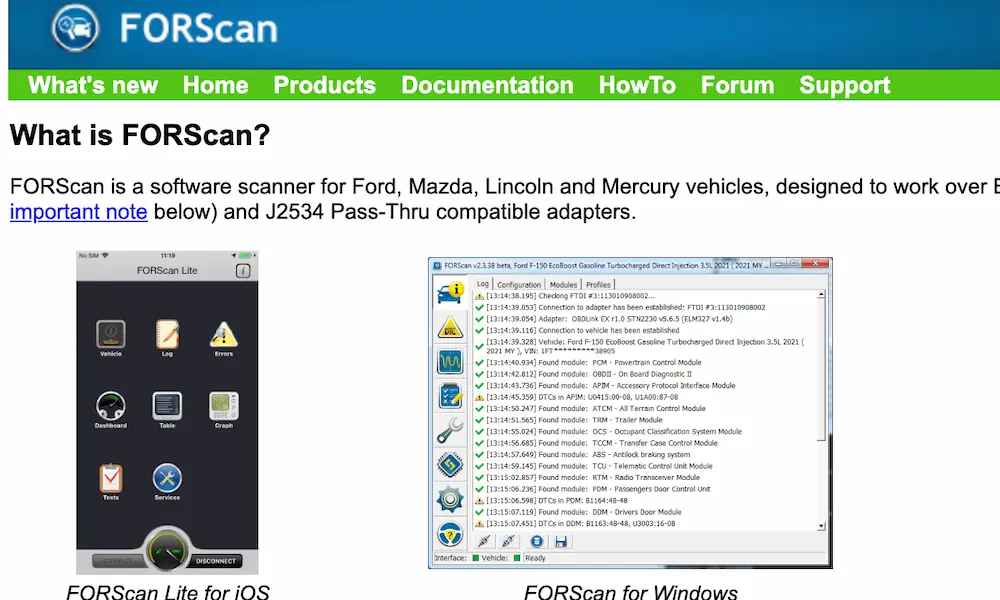
Run a relative compression test and a cylinder contribution test with a diagnostic scanner. If compression is even across all eight cylinders but one cylinder shows low contribution, the fault is isolated to fuel or oil delivery at that specific injector — not a base-engine mechanical failure. This prevents unnecessary teardowns.
How long do 6.0 Powerstroke injectors last under normal use?
With proper maintenance, factory injectors routinely reach 100,000–150,000 miles. That lifespan requires oil changes no longer than 5,000-mile intervals, fuel filter replacement every 10,000 miles, proper fuel pressure via the Blue Spring, and a clean high-pressure oil system. Skip any of these and a brand-new set can fail in weeks.
Can I replace just one injector, or do I need a full set?
One injector can be replaced if the failure was localized — a cracked nozzle tip, a shorted solenoid, physical damage. But if the failure came from a systemic issue like low fuel pressure, stiction, or oil contamination, the remaining seven sat in the same destructive environment. Replacing one means the others fail in sequence. A full set becomes the smarter long-term investment.
What should I look for when buying a used 6.0 Powerstroke?
Cold start behavior tells you a lot: the engine should fire quickly on the first crank with minimal white smoke. Extended cranking suggests injector issues, a weak FICM, or high-pressure oil leaks. Then drive it to full temperature and check the oil-to-coolant temperature delta. Finally, perform a hot restart test after a 20-minute soak — failure to restart points to degraded O-rings in the high-pressure oil system. Also inspect the coolant degas bottle for bubbling while running, which indicates a blown head gasket.
What are the implications of removing the EGR system on a 6.0 Powerstroke?
Removing the EGR eliminates a major failure point — the EGR cooler that frequently cracks and dumps coolant into the cylinders. It also keeps the intake charge cleaner and cooler. However, the ECM must be properly recalibrated with a software tune. Without it, the engine triggers persistent fault codes, enters limp mode, and runs poorly. Also note that emissions equipment modifications may not be lawful for highway-registered vehicles in the United States.