Your 7.3 is smoking, skipping, or burning oil. You’re wondering if a full rebuild is worth it — or if you should just find another truck. Good news: this engine was built to last 500,000 miles. A proper 7.3 Powerstroke engine rebuild can get you there. Read this before you spend a single dollar.
What Makes the 7.3 Powerstroke Worth Rebuilding
The 7.3L Powerstroke (also called the T444E) runs a heavy-wall cast-iron block with a 17.5:1 compression ratio. It weighs roughly 920 lbs. That’s not dead weight — that’s durability baked into the metal.
Ford introduced this engine in mid-1994, replacing the older 7.3L IDI with a 40-horsepower jump and 87 lb-ft more torque right out of the gate. By 2003, the final versions pushed 275 hp and 525 lb-ft of torque.
Unlike modern diesel engines stuffed with emissions hardware, the 7.3 is a straightforward, rebuildable platform. No DEF, no DPF, no endless sensor gremlins. Just iron, hydraulics, and mechanical precision.
| Core Spec | Value |
|---|---|
| Displacement | 444 cubic inches (7.3L) |
| Bore × Stroke | 4.11″ × 4.18″ |
| Compression Ratio | 17.5:1 |
| Firing Order | 1-2-7-3-4-5-6-8 |
| Oil Capacity | 15 quarts |
| Coolant Capacity | 32.75 quarts |
Know Why It Failed Before You Pull It Apart
Don’t start wrenching until you know what broke. Tearing into a healthy bottom end because of a bad sensor wastes time and money.
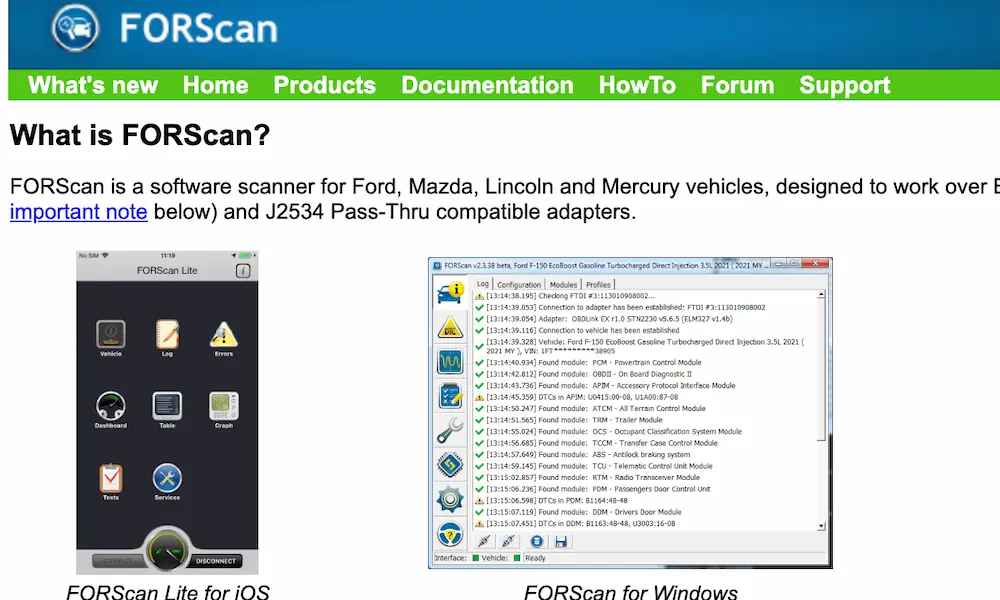
Common symptoms that justify a full rebuild include excessive blow-by, heavy oil consumption, and a rough skip at idle. Before anything else, use a scan tool to check Injection Control Pressure (ICP). If the high-pressure oil system can’t hold at least 500 PSI during cranking, the injectors won’t fire — but that’s often a pump or sensor issue, not a bottom-end failure.
Also check these before assuming the worst:
- Camshaft Position Sensor (CPS): A notorious failure point on the front cover. It causes sudden stalls and no-start conditions — and it’s a $30 fix.
- Glow plug relay and Under Valve Cover Harness (UVCH): Hard cold starts and rough running often trace back here.
- Oil pan: Prone to rust in northern climates. It requires engine removal to replace, so factor that into your rebuild decision.
A proper diagnostic sequence saves you from rebuilding an engine that just needed a sensor swap.
The Teardown Process: Stay Organized
Engine removal and disassembly on a 7.3 is labor-intensive. Organization isn’t optional — it’s what makes reassembly possible.
Drain all fluids first: oil (3/4″ wrench), coolant (3/8″ hose on the radiator drain), and fuel. Then work through the teardown in this order:
- Air and induction: Remove the air cleaner box (10mm socket) and turbo inlet pipes
- Serpentine belt: Relieve tension with a 15mm socket on the tensioner pulley
- Clutch fan: Loosen while the belt is still on — the belt provides resistance
- Accessories: Alternator, power steering pump, and A/C compressor off next
- HPOP system: Remove the reservoir, then the HPOP drive gear (torqued to 95 ft-lbs from the factory)
- Valve covers and heads: Pull rocker arms and pushrods, storing them in removal order to preserve wear patterns
- Bottom end: Flip the engine on a stand and pull the oil pan
Label every bolt group in a zip-lock bag. You’ll thank yourself six weeks later when you’re staring at a pile of fasteners.
Cleaning and Inspection: This Step Determines Everything
Once stripped, every component goes through a hot tank wash to remove grease and debris. After cleaning, Magnafluxing reveals any cracks in the block or heads using a horseshoe magnet and iron powder. Skip this step and you might assemble a cracked block.
Cylinder Bores
Measure each bore with a dial bore gauge. The 7.3’s standard bore sits at 4.1096″ to 4.1103″. The limits are tight:
- Maximum out-of-roundness: 0.002″
- Maximum taper: 0.003″
Beyond those limits, the block needs boring — typically .020 or .030 over.
Watch for cylinder wall cavitation. This is erosion caused by coolant vibration imploding tiny vacuum bubbles against the iron walls. Supplemental Coolant Additives (SCAs) prevent it, but if it’s already happened, you may need cylinder sleeves.
Crankshaft Journals
| Main Bearing Spec | Value |
|---|---|
| Main Journal Diameter | 3.1228″ – 3.1236″ |
| Bearing-to-Crank Clearance | 0.0018″ – 0.0046″ |
| Max Journal Out-of-Round | 0.00022″ |
| Max Taper | 0.00015″ |
| Crankshaft End Play | 0.0025″ – 0.0085″ |
Out-of-spec journals need grinding and oversized bearings. A line hone of the main bearing bores keeps the crankshaft in perfect alignment across all journals — don’t skip it.
The Connecting Rod Problem Every 7.3 Owner Needs to Know
This is arguably the most critical decision in any 7.3 Powerstroke engine rebuild. Ford switched connecting rod metallurgy mid-production, and it matters enormously if you’re building for performance.
| Rod Comparison | Forged Steel | Powdered Metal (PMR) |
|---|---|---|
| Model Years | 1994.5 – 2000 | 2001 – 2003 |
| Failure Mode | Ductile — bends | Brittle — snaps clean |
| HP Threshold | ~600 HP | ~400–450 HP |
| ID Method | Nut on a stud | Bolt head |
Forged rods bend under stress. PMRs snap — and when they go, they typically punch through the block. If your build targets anything above 400 hp, replace PMRs with forged or aftermarket I-beam rods. Check your rods by removing a pipe plug in the lower block and inspecting the rod caps visually.
Machining: Where Precision Pays Off
Boring and Honing
After confirming block flatness (tolerance: 0.001″ over any 6-inch area), the machine shop bores the cylinders to your chosen oversize. Boring gets followed by honing, which cuts a cross-hatch pattern into the cylinder walls. That pattern holds oil and lets new rings seat properly under compression.
For performance builds, request torque plate honing. A thick steel plate bolts to the block during honing to simulate head bolt distortion, keeping cylinders round once fully assembled.
Cylinder Head Work
The heads get surfaced for a perfect head gasket seal. Valve guides and seats are inspected and renewed. These clearances matter:
| Valve Spec | Intake | Exhaust |
|---|---|---|
| Stem-to-Guide Clearance | 0.0009″ – 0.0028″ | 0.0013″ – 0.0033″ |
| Valve Face Angle | 45.5° – 46° | 50.5° – 51° |
| Valve Seat Angle | 44.5° – 45.5° | 49.5° – 50.5° |
| Spring Free Length | 2.6791″ | 2.8209″ |
Assembly: Torque Values You Cannot Guess At
Assembly requires a clean environment and lubricant on every moving surface. Here are the critical torque specs:
| Fastener | OBS (1994.5–97) | Super Duty (1999–03) |
|---|---|---|
| Cylinder Head Bolts | 105 ft-lbs | 95 ft-lbs (3 stages) |
| Main Bearing Caps | 96 ft-lbs | 96 ft-lbs |
| Connecting Rods (Forged) | 80 ft-lbs | 80 ft-lbs |
| Connecting Rods (PMR) | N/A | 90 ft-lbs |
| Harmonic Balancer | 212 ft-lbs | 212 ft-lbs |
| HPOP Drive Gear | 95 ft-lbs | 95 ft-lbs |
| Glow Plugs | 14 ft-lbs | 14 ft-lbs |
| Fuel Injectors | 10 ft-lbs | 10 ft-lbs |
Verify your piston ring end gaps before installation. The top ring should measure 0.014″ to 0.024″. Add 0.004″ extra gap if you’re running high boost or nitrous — rings expand under heat, and touching ring ends destroy an otherwise perfect build.
Install brass injector sleeves with the proper specialized tool. These sleeves seal the boundary between the coolant jacket and fuel system. A misseated sleeve means coolant in your fuel, or fuel in your coolant. Neither is a good story.
Upgrades That Make the Rebuild Last Longer
A rebuild is the perfect time to fix the 7.3’s known weak points.
High-Pressure Oil Pump (HPOP)
The HPOP drives the entire fuel injection system hydraulically. Swapping the stock unit for a DieselSite Adrenaline high-volume HPOP gives better oil volume — essential if you’re stepping up to larger injectors. Replace the IPR valve and ICP sensor with genuine Motorcraft units so the PCM gets accurate readings.
Turbocharger Options
The stock Garrett GTP38 works but has a ceiling. Your two best upgrade paths:
- Garrett GTP38R ball-bearing turbo (~$2,025–$2,200): Faster spool, better durability at elevated boost
- KC300x Stage 1 or 2 (~$1,190–$1,490): Modern compressor wheel, drop-in fitment, significant airflow improvement
Fuel System
Replace the stock fuel bowl — it leaks at the drain valve. A Driven Diesel Regulated Return kit eliminates air in the fuel lines and keeps consistent pressure to all eight injectors. Pair it with an AirDog or FASS electric lift pump for better filtration.
Rebuild Kit Options and Real Costs
| Kit Tier | Estimated Cost | What’s Included |
|---|---|---|
| Standard OEM (Motorcraft) | $1,250 – $1,450 | Pistons, rings, bearings, gaskets, glow plugs |
| Performance Stage 2 | $2,500 – $3,500 | Billet cam, HD lifters, coated pistons, pushrods |
| Crate Long Block | $7,999+ | Fully assembled block and heads |
Add machining costs on top of parts. Line honing, boring, honing, and head surfacing typically run $800–$2,000 depending on your shop. Budget for it — skipping machine work to save money guarantees a second rebuild sooner than you want.
First Start and Break-In Protocol
The first start after a 7.3 Powerstroke engine rebuild stresses every new surface simultaneously. Pre-fill the HPOP reservoir and pre-lube the turbocharger before cranking. The high-pressure oil system holds air and needs extended cranking to purge.
Follow this sequence:
- Run at 1,200–1,500 RPM for 20 minutes — check oil pressure, scan for leaks, listen for anything unhappy
- Drive with varied loads and speeds — this seats the piston rings against the fresh cylinder walls
- Change oil and filter at 500 miles — pulls out machining particles and assembly lube before they circulate further
Maintenance Schedule to Hit 500,000 Miles
| Service Item | Normal Interval | Severe/Towing Interval |
|---|---|---|
| Engine Oil & Filter | 5,000 miles | 3,000 miles |
| Fuel Filter | 15,000 miles | 15,000 miles |
| Air Filter | 30,000 miles | Check every 3,000 |
| Coolant Flush | 30,000–50,000 miles | 30,000 miles |
| Automatic Trans Fluid | 30,000 miles | 21,000 miles |
One thing most people overlook: battery health. The HEUI injection system needs strong voltage to the Injector Drive Module. Weak batteries cause rough idle and injector stiction — the infamous sticky injector problem that plagues neglected 7.3s. Test your glow plugs every fall before temperatures drop. A worn glow plug system hammers the starter motor through every cold season.
The 7.3 Powerstroke isn’t nostalgia. It’s a proven platform that, with the right rebuild and maintenance, keeps running when modern diesels are buried in emissions repairs. Do it right once, and you won’t need to do it again for a very long time.