Your 7.3 Powerstroke is surging at idle, cranking forever, or blowing white smoke. Sound familiar? There’s a good chance your ICP sensor is the culprit — or at least a prime suspect. This guide walks you through diagnosis, parts selection, and the full 7.3 Powerstroke ICP sensor replacement process. Stick around, because the details here can save you from an expensive misdiagnosis.
What the ICP Sensor Actually Does
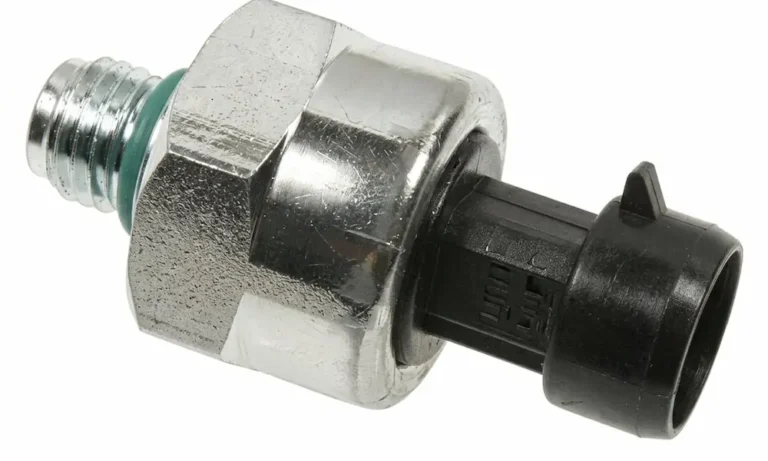
The 7.3 Powerstroke runs a HEUI fuel system — it uses high-pressure engine oil to fire the injectors, not a traditional fuel pump. The Injection Control Pressure (ICP) sensor threads into the driver-side cylinder head and monitors the oil pressure inside that gallery in real time.
It sends a voltage signal back to the PCM on a three-wire circuit:
- 5-volt reference supplied by the PCM
- Ground circuit
- Signal return wire that varies with pressure
The PCM reads that return voltage, calculates actual hydraulic pressure, and adjusts the Injection Pressure Regulator (IPR) valve to hit the target. When the ICP sensor lies to the computer, the entire fuel delivery loop collapses. No accurate data in, no correct fueling out.
Symptoms of a Failing 7.3 ICP Sensor
Don’t assume the sensor is bad just because the truck runs rough. These symptoms point specifically toward ICP sensor failure.
Surging Idle (Romping or Bucking)
This is the most common early warning sign. The engine surges up and down violently at idle, especially when cold. The PCM chases the erratic voltage signal by rapidly cycling the IPR valve — and the engine speed swings wildly as a result.
Extended Crank or No-Start
The PCM won’t fire the injectors until it sees at least 500 psi of hydraulic pressure. If the sensor reports a false low reading or goes open-circuit, the engine cranks and cranks with zero fuel delivery.
Sudden Power Loss or Stalling While Driving
Under heavy throttle, pressure needs to climb fast. A failing sensor may plateau early, telling the PCM that max pressure is reached. The computer limits the IPR, starves the injectors, and you lose power. Fuel atomization drops, and white smoke pours from the exhaust.
Oil in the Electrical Connector
Pull the connector off the sensor and look inside. Oil soaking the terminals is an absolute confirmation of sensor failure. The internal diaphragm has ruptured, and pressurized oil is flooding the signal circuit. Replace the sensor immediately — and the pigtail too (more on that below).
How to Diagnose the ICP Sensor Before Replacing It
Throwing parts at a 7.3 is expensive. Run these tests first.
The Disconnect Test (Fastest Method)
Unplug the ICP sensor connector and try to start the engine. When the PCM loses the signal, it defaults to an open-loop fueling table — commanding a fixed ~725 psi regardless of actual conditions.
- Engine starts and idles smoothly with the sensor unplugged? The sensor was feeding corrupt data. Replace it.
- Engine still won’t start or runs just as rough? The fault is mechanical — look at the HPOP, injector O-rings, or IPR valve.
Multimeter Voltage Test
Back-probe the signal return wire with the connector plugged in and a digital multimeter set to DC voltage:
| Test Condition | Expected Voltage |
|---|---|
| Key on, engine off | 0.17 – 0.24 volts |
| Warm idle | 0.8 – 1.2 volts |
| Increasing RPM | Climbs smoothly toward 3 volts |
Erratic jumps, drops to zero, or a signal that doesn’t climb with RPM all point to a fractured ceramic sensing element inside the sensor.
Live Scan Tool Data
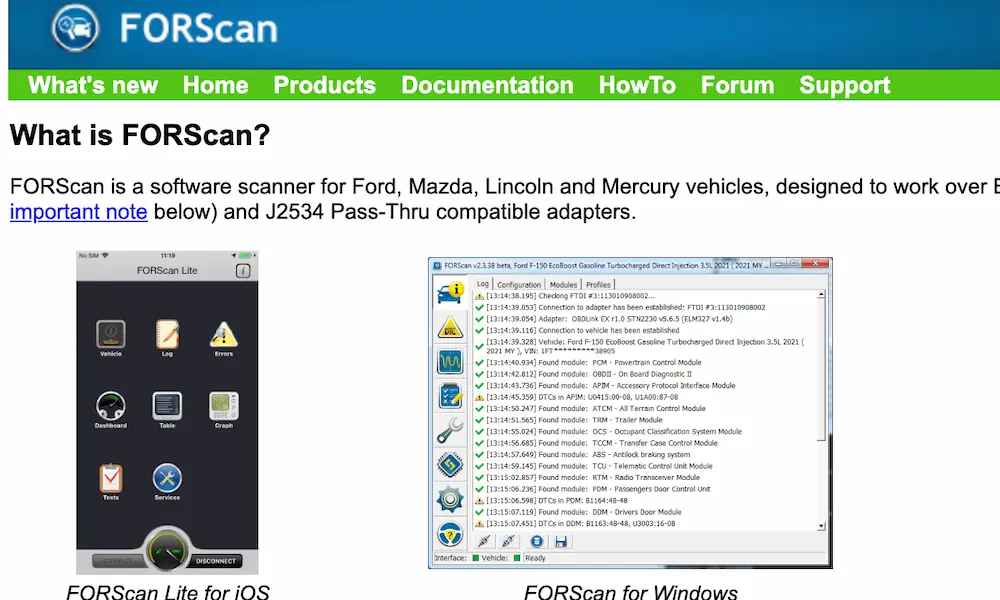
Connect a scanner and watch ICP pressure versus IPR duty cycle together. This table shows what healthy data looks like:
| Engine State | Expected ICP Pressure | Expected IPR Duty Cycle | What It Means If Off |
|---|---|---|---|
| Cranking | 500–700 psi | 14%–20% | Below 500 psi prevents fueling; high duty cycle with no pressure = HPOP failure |
| Warm Idle | 480–580 psi | 10%–15% | Wild swings suggest signal drift or sticking IPR |
| Wide Open Throttle | 2,500–3,000 psi | 35%–50% | Duty cycle maxed with low pressure = worn HPOP |
Reading the Diagnostic Trouble Codes
- P1280 — ICP circuit out of range low. Classic failed sensor, severed wire, or oil-soaked connector.
- P1281 — ICP circuit out of range high. Chafed harness shorting the 5V reference into the signal wire.
- P1211 — ICP not controllable. This is mostly a mechanical code. The sensor is often reporting accurately — the HPOP simply can’t build the commanded pressure. Don’t replace the sensor for a P1211 without mechanical testing first.
Choosing the Right ICP Sensor for Your Year
This is where a lot of 7.3 owners get burned. The sensor calibration changed mid-production, and installing the wrong one causes permanent fueling errors.
The critical split is the 1999 model year. Trucks built before December 7, 1998 are “Early 99” units with the older 15-degree swash plate HPOP and smaller injectors. Trucks built after that date are “Late 99″ with a 17-degree pump and recalibrated PCM. The sensors look identical and share the same thread pitch (1/2”-20), but their internal resistance curves are completely different.
| Production Era | Ford/Motorcraft Part Number | Navistar Part Number | Swash Plate |
|---|---|---|---|
| 1994–1997 (OBS) | F4TZ-9F838-A | 1807329C91 | 15 degrees |
| 1997/1998–2003 (Super Duty) | F6TZ-9F838-A | 1807329C92 | 17 degrees |
Always buy OEM. Aftermarket sensors fail quickly — many leak oil through the connector within weeks. Others suffer from signal drift that quietly ruins your fuel economy and power without throwing a code. Stick with genuine Motorcraft or Alliant Power components. Alliant Power is the original Navistar supplier — their sensors are built to the exact factory specification.
Should You Replace the Pigtail Too?
Yes — if there’s any oil in the connector, you must replace the pigtail. Here’s why.
When the sensor diaphragm fails and oil floods the connector, capillary action pulls that oil up into the copper wire strands. It wicks deep into the harness loom. Left unchecked, it travels all the way to the 42-pin PCM connector — and then into the computer itself. That’s a $600+ problem.
Cleaning the connector with electrical contact cleaner won’t fix this. The solvent can’t reach oil that’s already inside the wire insulation. Amputate the contaminated pigtail section and install a new one.
Splicing method matters here. Don’t solder. The 7.3 generates heavy harmonic vibration, and solder creates a rigid stress point that will crack. Use bare metal butt connectors with a ratcheting crimp tool, then seal each crimp with marine-grade dual-wall adhesive heat shrink tubing. The adhesive liner melts and seals the joint completely while keeping it flexible.
Step-by-Step 7.3 Powerstroke ICP Sensor Replacement
Tools You Need
- 1-1/16″ deep-well six-point socket or crowfoot wrench
- Calibrated torque wrench (ft-lbs and in-lbs)
- Evaporating electrical contact cleaner
- Compressed air
- Chemical-resistant gloves and lint-free shop rags
Access Notes
- F-250/F-350 Super Duty and Excursion: Stand at the driver-side front fender and reach into the valley. Straightforward access.
- E-Series Econoline vans: You can’t reach the sensor from the hood. Remove the interior doghouse engine cover from inside the cab.
The Replacement Process
- Let the engine cool completely. The block, exhaust manifolds, and high-pressure oil lines hold serious heat.
- Disconnect both battery negative terminals. Metal tools near the sensor are inches from the alternator power stud. A direct short will destroy your PCM.
- Blast the valley clean with evaporating contact cleaner and compressed air before touching anything. When the sensor comes out, it opens directly into the high-pressure oil gallery. Any debris that falls in goes straight to the injectors.
- Unplug the electrical connector by pressing the locking tab and pulling straight off.
- Break the sensor loose with your crowfoot or deep-well socket, turning counter-clockwise. Keep a rag underneath — a small amount of oil will drain out.
- Inspect the new sensor. It should have a fresh O-ring pre-installed at the base of the threads. Coat it lightly with clean engine oil before installation.
- Do not use thread sealant or Teflon tape. The sensor grounds through metal contact with the cylinder head. Sealant insulates it, introduces signal noise, and risks contaminating the hydraulic circuit.
- Thread in by hand for the first few turns to avoid cross-threading.
- Torque to exactly 22 ft-lbs (264 in-lbs). Under-torquing allows hydraulic pulsations to loosen the sensor over time. Over-torquing damages the aluminum cylinder head threads.
- Reconnect the pigtail until it clicks.
- Reconnect the batteries and start the engine.
Expect an extended crank on the first start. Removing the sensor introduces an air pocket into the oil gallery. Air compresses; hydraulic fluid doesn’t — so injector timing is disrupted until that air purges. Drive aggressively for a few miles and the idle will settle completely.
Frequently Asked Questions
Is it safe to drive with the ICP sensor unplugged?
Short answer: only as an emergency limp-home measure. Unplugged, the PCM defaults to a fixed ~725 psi fuel map — enough to run, but power drops significantly and exhaust temps climb. Don’t make a habit of it.
Why does the engine start cold but refuse to restart when hot?
A hot no-start usually isn’t the ICP sensor — it’s a high-pressure oil leak. Cold, thick oil masks worn injector O-rings. Hot, thin oil bleeds past those seals faster than the HPOP can replenish pressure. The sensor is accurately reporting a real pressure drop in this case.
Can a clogged fuel filter cause symptoms that look like a bad ICP sensor?
Absolutely. A restricted fuel filter starves the injectors of diesel even when the hydraulic oil system is perfect. Check base fuel pressure with an analog gauge before you condemn any sensor.
Why can’t I just clean an oil-soaked connector instead of replacing the pigtail?
Because the oil has already wicked into the wire strands via capillary action where solvent can’t reach it. The rubber weather seal is also permanently distorted by oil exposure. Cleaning buys you days, not miles.
What’s the difference between the ICP sensor and the IPR valve?
The ICP sensor is passive — it reads pressure and reports it to the PCM. The IPR valve is active — it physically opens and closes to build or bleed off hydraulic pressure based on PCM commands. Both must work together. Think of the sensor as the eyes and the IPR as the hands.