Buying or owning a Toyota Tundra? You’ve probably heard mixed things about its legendary reliability — and the newer models especially. This guide breaks down every major Toyota Tundra engine problem by generation, what causes them, and what you should actually do about them. Stick around, because the third-gen stuff gets wild.
The First-Gen Tundra (2000–2006): Mostly Solid, But Don’t Skip This One Service
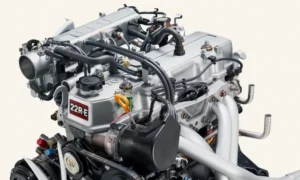
The original Tundra ran the 4.7-liter 2UZ-FE V8 — Toyota’s first eight-cylinder in a pickup. It was tough, smooth, and honestly built to last a long time.
But it had one non-negotiable maintenance item.
Timing Belt: The One Thing You Can’t Ignore
The 2UZ-FE used a rubber timing belt, not a chain. That belt needed replacement every 90,000–100,000 miles.
Here’s the catch: pre-2005 models were non-interference engines. A broken belt was annoying but not catastrophic. After 2005, Toyota added variable valve timing (VVT-i), which changed the internal geometry. Miss that belt service on a post-2005 model, and you’re looking at bent valves and a very expensive repair.
Smart move? Bundle the belt replacement with the water pump, tensioners, and idler pulleys. You’re already in there — save yourself the labor cost later.
| 2UZ-FE Key Specs | Detail |
|---|---|
| Displacement | 4.7L (4,663 cc) |
| Configuration | DOHC, 32-valve V8 |
| Block Material | Cast iron |
| Timing | Belt-driven (90,000-mile interval) |
| Oil Spec | 5W-30, 6.6-quart capacity |
Cracked Exhaust Manifolds
First-gen Tundras also developed hairline cracks where the exhaust manifolds met the cylinder heads. You’d hear a ticking sound when the engine was cold — easy to dismiss, harder to ignore once it fouled your oxygen sensors and tanked your fuel economy.
It’s not an instant death sentence, but it’s worth addressing before it turns into a bigger problem.
The Second-Gen Tundra (2007–2021): The Legend Years — With a Few Asterisks
This era gave us the 5.7-liter 3UR-FE V8, and it’s the engine that built the “million-mile Tundra” reputation. It switched to a chain-driven timing system (no more belt anxiety), used an aluminum block with iron cylinder liners, and could tow 10,000 pounds all day.
People have driven these past 400,000 miles on the original engine and transmission. That’s not marketing — that actually happened.
But no engine is perfect.
Camshaft Tower Oil Leaks: The Sneaky One
The 3UR-FE sealed its camshaft towers with a formed-in-place liquid gasket rather than a traditional pre-cut gasket. Over years of heat cycles, that sealant breaks down, and oil starts seeping out.
The tricky part? The leak usually starts at the rear of the engine. You won’t see it from the top. Most people notice it from a burning oil smell as the oil drips onto hot exhaust manifolds — or by peering up through the wheel wells.
The fix isn’t cheap. It requires pulling valve covers, camshafts, and the timing chain. Expect a repair bill between $1,200 and $3,500.
Secondary Air Injection Pump Failure: The Limp-Mode Nightmare
This one hit 2007–2013 models hard. The secondary air injection system pushes fresh air into the exhaust during cold starts to heat up the catalytic converters faster. The problem? Moisture and debris got into the intake tubes, worked their way into the pumps, and destroyed the internal components.
When the system fails, you get fault codes like P2445 or P0418, and the truck drops into limp mode — severely reduced power, no cruise control, no traction control.
Replacing both pumps and the switching valves could run over $3,000. Toyota eventually issued redesigned intake tubes and extended the warranty coverage, but a lot of owners had already paid out of pocket by then.
The 2018–2020 Fuel Pump Recall
This one’s straightforward but serious. The low-pressure fuel pump in these model years had defective impellers that could deform and stop working entirely. That meant the engine could stall at highway speeds without warning — a genuine safety hazard.
Toyota issued a full safety recall with replacement pump assemblies. If you own one of these trucks and haven’t had this done, check your VIN today.
| 5.7L V8 Known Issues | Main Symptom | Fix |
|---|---|---|
| Camshaft tower seal leak | Burning oil smell | Reseal with formed-in-place gasket |
| Air injection pump failure | Limp mode (P2445) | Replace pumps + updated intake tubes |
| Low-pressure fuel pump | Engine stall at speed | Safety recall replacement |
| Exhaust manifold crack | Cold-start ticking | Replace manifold |
The Third-Gen Tundra (2022–Present): Great Truck, Real Problems
This is where things get complicated. Toyota replaced the legendary V8 with a 3.4-liter twin-turbocharged V6 — the V35A-FTS. It makes more torque at lower RPMs, pairs with a 10-speed automatic, and comes in two flavors:
| Powertrain | Engine | Horsepower | Torque |
|---|---|---|---|
| i-FORCE (standard) | 3.4L Twin-Turbo V6 | 358–389 hp | 406–479 lb-ft |
| i-FORCE MAX (hybrid) | 3.4L TT V6 + Electric Motor | 437 hp | 583 lb-ft |
The performance numbers are impressive. The reliability story? Still being written.
The Manufacturing Debris Crisis: Main Bearing Failure
This is the biggest Toyota Tundra engine problem in the brand’s history.
Starting in the 2022 model year, hundreds of Tundras experienced sudden, catastrophic engine failure — often at low mileage, often with zero warning. The root cause: machining debris (called “swarf”) left inside the engine blocks during manufacturing at plants in Huntsville, Alabama, and Tahara, Japan.
These metal shavings migrated through the oil system and into the crankshaft main bearings. Once contaminated, the bearings scored the crankshaft journals and eventually seized. Engine done. No second chances.
Owners described the sound as “bricks being thrown in a dryer” right before the truck died completely.
The Recalls: 24V-381 and 25V-767
Toyota’s initial response was recall 24V-381 in May 2024, covering roughly 100,000 trucks from the 2022 and 2023 model years.
But the problems kept coming. In late 2025, Toyota expanded the recall under 25V-767, adding over 113,000 additional vehicles including 2024 models. Engines built as late as February 2024 still had dangerous debris levels.
Total affected vehicles: over 200,000 Tundras and Lexus models.
Why i-FORCE MAX Hybrids Aren’t Covered
This has frustrated a lot of owners. The hybrid trucks use the same V35A engine, yet Toyota excluded them from the recall.
Toyota’s argument to NHTSA: if the gas engine fails in a hybrid, the electric motor keeps the truck moving long enough to reach safety. A non-hybrid Tundra loses all power instantly — dangerous on a highway merge or a steep downhill tow. That immediate safety risk is what triggered the recall for non-hybrid models.
Not everyone buys that explanation. Some i-FORCE MAX owners have filed NHTSA complaints demanding answers.
Long Block vs. Short Block: Why It Matters
Recall vehicles get a long block — a complete factory-sealed engine assembly. That’s the right fix. Debris can hide anywhere in the oiling system, and starting fresh is the only way to guarantee a clean slate.
Tundras that failed outside the recall VIN range but within standard warranty coverage often got a short block instead. That means technicians bolt the cylinder heads, turbos, and oiling components from the contaminated engine onto a new bottom end. Any residual debris in those reused parts can destroy the new short block just as fast.
Engine rebuild specialists have called this approach problematic for exactly that reason.
Turbocharger Wastegate Actuator Failures
Separate from the bearing issue, early 2022 Tundras also suffered electronic wastegate actuator failures. These small electric motors control boost pressure. When they fail, you get P0299 (underboost) or P0234 (overboost) fault codes and the truck enters limp mode.
The real pain? Toyota’s initial repair procedure didn’t allow replacing just the actuator. The entire turbocharger assembly had to go — a job so invasive it sometimes required removing the truck’s cab from the frame to access the tightly-packaged engine bay.
Throttle Lag: The Annoying Daily Driver Problem
Beyond catastrophic failures, many 2022–2025 Tundra owners deal with a frustrating 1-2 second throttle delay from a stop. It’s a combination of turbo spool time and the 10-speed transmission’s fuel-efficiency programming hesitating to downshift aggressively.
Toyota issued Technical Service Bulletin 0111-22 with updated transmission control module logic. Many owners report improvement. Some still aren’t happy and have added aftermarket throttle controllers.
| 3rd-Gen Drivability Issues | Symptom | Fix |
|---|---|---|
| Throttle lag | 1–2 second delay from stop | TSB-0111-22 software update |
| Surge in 8th gear | Pulsing feel at partial throttle | TCM re-flash |
| Wastegate actuator failure | “Reduced Power” warning | Turbocharger replacement |
What to Watch For: Early Warning Signs of Engine Trouble
If you own a 2022–2024 Tundra, watch for these red flags:
- Deep knocking or grinding sounds — owners describe it as something mechanical and violent, not just a tick
- Intermittent hesitation at steady highway speed — not transmission-related
- Brief oil pressure warnings that appear then disappear
- Metal particles in your oil filter — cut the filter open during oil changes and inspect the pleats
If you’re seeing any of these, check your VIN for recall coverage here before anything else.
Maintenance Tips to Protect Your Third-Gen Engine
If your Tundra isn’t part of the current recalls — or while you wait for the remedy:
- Change oil every 5,000 miles instead of the recommended 10,000. Turbocharged engines generate more heat and degrade oil faster.
- Run used oil analysis through a lab like Blackstone. Elevated copper, lead, or tin in your oil sample signals bearing wear before a failure happens.
- Let the engine idle for one minute after hard driving or towing. This cools the turbocharger bearings and prevents oil “coking” — hardened oil deposits that restrict lubrication and kill turbos prematurely.
The “Free Engine” Strategy Some Owners Are Using
Since Toyota confirmed the recall has no expiration date, some high-mileage owners are deliberately waiting until closer to warranty expiration to claim their replacement. The logic: get a brand-new long block engine at 100,000 miles and potentially double the truck’s useful life.
It’s not a crazy idea — but it carries real risk. The engine can fail without warning, and a seizure at highway speed or during a tow on a mountain pass isn’t a situation you want to be in. Most safety experts say: get the replacement done as soon as parts are available.
| Toyota Tundra Reliability by Era | Key Strength | Main Weakness |
|---|---|---|
| 2000–2006 (Gen 1) | Tough, under-stressed V8 | Timing belt + cracked manifolds |
| 2007–2021 (Gen 2) | Near-indestructible drivetrain | Cam tower leaks + air injection pumps |
| 2022–Present (Gen 3) | Massive torque, modern tech | Manufacturing debris + turbo failures |
The Tundra’s reputation for reliability didn’t appear overnight, and one difficult generation won’t erase it. But the third-gen issues are real, the recalls are massive, and staying informed is the best thing any Tundra owner can do right now.