Getting your 3.6 Pentastar oil capacity wrong isn’t just an inconvenience — it can wreck an otherwise bulletproof engine. Whether you’re topping off a RAM 1500, changing oil on a Jeep Wrangler, or maintaining a Chrysler Pacifica, the correct fill amount isn’t always obvious. This guide breaks it all down by vehicle, year, and engine version. Read to the end — there’s a critical overfilling trap that catches even experienced technicians.
Why the 3.6 Pentastar Oil Capacity Isn’t One-Size-Fits-All
The 3.6 liter Pentastar V6 has powered Jeep, RAM, Dodge, and Chrysler vehicles since 2011. It replaced seven separate V6 families and became the backbone of the Stellantis lineup.
Here’s the catch: the Pentastar went through a major redesign around 2016. Chrysler calls it the Pentastar Upgrade (PUG). The new engine brought a smaller oil pan to many models, dropping the standard fill from 6 quarts to 5 quarts. But not every model switched at the same time — and a few exceptions kept the larger capacity even after the upgrade.
That’s where the confusion starts.
| Engine Version | Years | Typical Oil Capacity | Key Changes |
|---|---|---|---|
| Pentastar Classic | 2011–2015/2016 | 6.0 Quarts | Original dual variable valve timing, multi-port fuel injection |
| Pentastar Upgrade (PUG) | 2016–Present | 5.0 Quarts | Two-stage variable valve lift, higher compression, smaller oil pan |
The Upgrade engine is roughly 6% more fuel-efficient with 15% more low-end torque. That smaller oil pan was part of hitting those numbers — but it created a maintenance minefield for anyone not paying attention.
3.6 Pentastar Oil Capacity by Vehicle
RAM 1500 and ProMaster
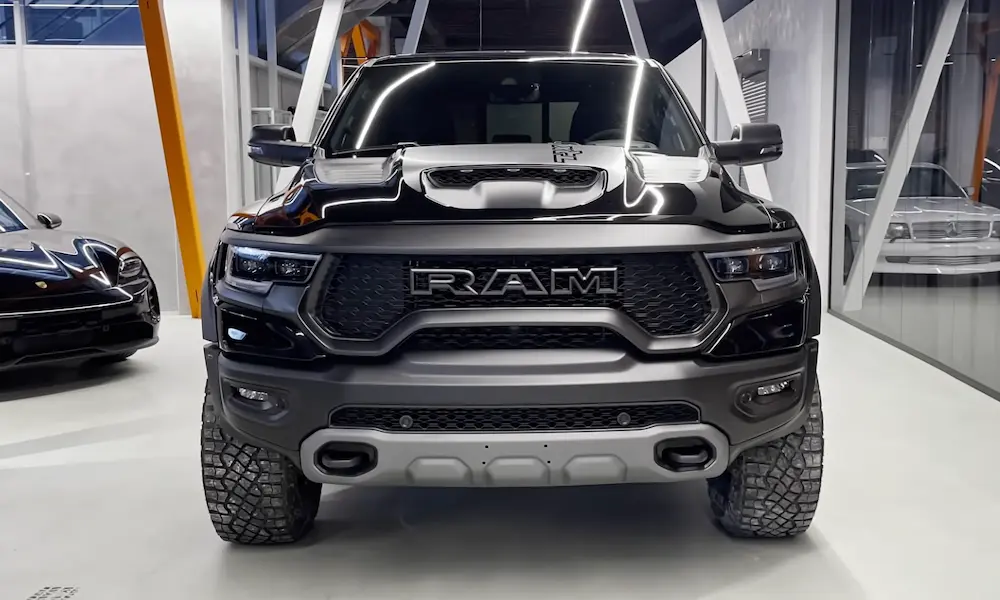
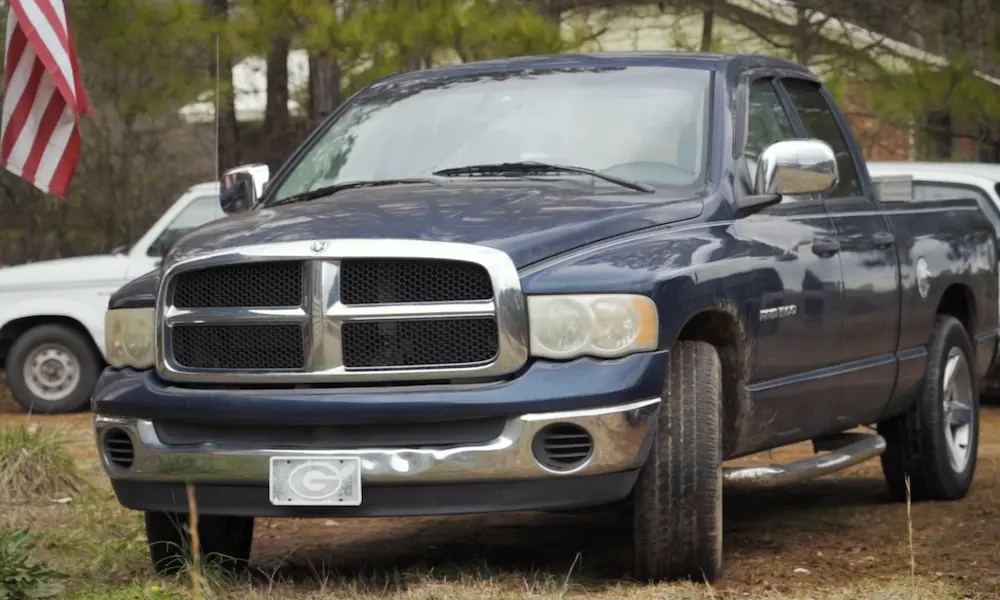
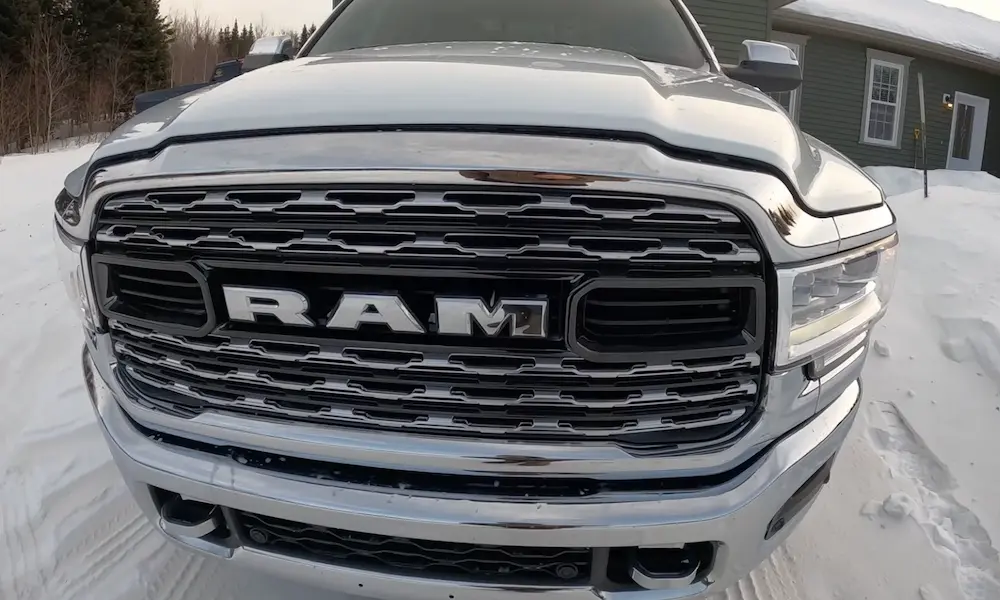
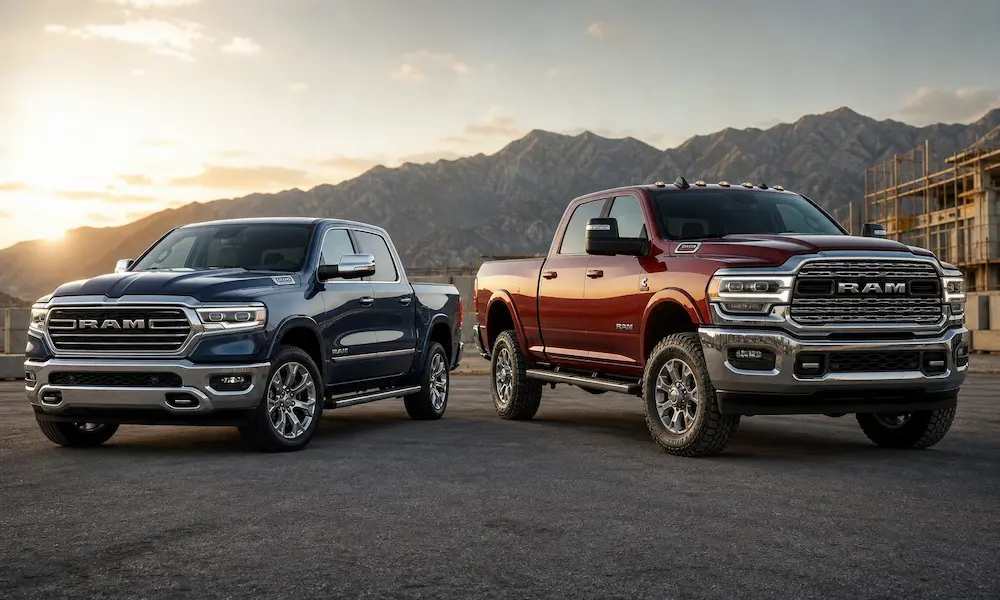
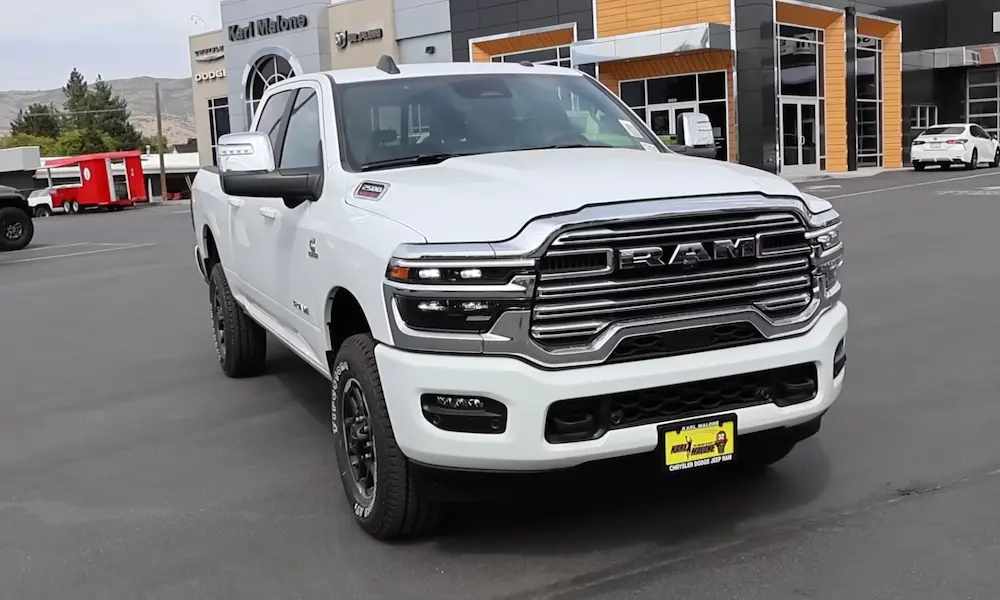
The RAM 1500 has used the Pentastar as its base engine since 2012. Unlike most Stellantis platforms, the full-size truck kept a consistent capacity across both engine generations — the cooling demands of a half-ton pickup require it.
| Vehicle | Model Year | Capacity (with Filter) | Viscosity | Notes |
|---|---|---|---|---|
| RAM 1500 | 2012 | 5.9 Quarts | 5W-20 | Conventional oil acceptable this year only |
| RAM 1500 | 2013–2018 | 5.9 Quarts | 5W-20 | Full synthetic required from 2013 |
| RAM 1500 (eTorque) | 2019–2026 | 5.9 Quarts | 0W-20 | 0W-20 required for eTorque restart cycles |
| RAM ProMaster | 2014–2021 | 5.9 Quarts | 5W-20 | Classic Pentastar application |
| RAM ProMaster | 2022–2024 | 5.0 Quarts | 0W-20 | Switched to PUG engine with smaller pan |
Service techs often treat the 5.9-quart RAM fill as a 6-quart job. That works in practice because a new oil filter absorbs the remaining fraction. The 2019+ eTorque models switched to 0W-20 because the belt-driven motor generator restarts the engine frequently. Oil needs to reach critical components immediately on every restart — thinner cold-flow viscosity makes that happen.
Jeep Wrangler and Gladiator
The Wrangler dropped its old 3.8-liter overhead-valve engine for the Pentastar in 2012. The oil capacity history here has more twists than most.
| Model | Year | Capacity | Viscosity | Notes |
|---|---|---|---|---|
| Wrangler JK | 2012 | 6.0 Quarts | 5W-30 | Launch year used 5W-30 |
| Wrangler JK | 2013–2018 | 6.0 Quarts | 5W-20 | Shifted to 5W-20 for fuel economy |
| Wrangler JL | 2018–2023 | 5.0 Quarts | 0W-20 | PUG engine, smaller oil pan |
| Wrangler JL | 2024–Present | 6.0 Quarts | 5W-30 | Returned to 6 quarts and 5W-30 |
| Gladiator JT | 2020–2024 | 5.0 Quarts | 0W-20 | Standard PUG capacity |
The 2024 Wrangler is worth highlighting. Jeep reversed course and went back to 5W-30 and a 6-quart fill. The reason? Off-road and towing demands push oil temperatures high enough that a thicker viscosity provides better film protection against metal contact. If you’re servicing a 2024 JL, don’t assume it matches a 2022.
Jeep Grand Cherokee and Dodge Durango — The Big Exception
Here’s the mistake that burns the most technicians: assuming every PUG engine takes 5 quarts.
The Jeep Grand Cherokee (WK) and Dodge Durango (WD) use a unique oil pan configuration. Even with the Upgrade engine installed, both vehicles require 6 quarts. Stellantis designed these larger SUVs with a bigger pan to handle their higher duty cycles — towing, steep grades, and aggressive cornering all demand more oil volume.
Fill either of these with only 5 quarts and you’re running 1 quart low. That’s a recipe for oil starvation on a steep off-camber trail or during a hard merge onto the highway.
Chrysler and Dodge Cars and Minivans
These platforms followed the Classic-to-Upgrade transition more predictably.
| Vehicle | Model Year | Capacity | Viscosity | Notes |
|---|---|---|---|---|
| Chrysler Pacifica | 2017–2026 | 5.0 Quarts | 0W-20 | All years use the Upgrade engine |
| Chrysler 200 | 2011–2017 | 6.0 Quarts | 5W-20 | Full synthetic strictly required 2014+ |
| Dodge Charger / Challenger | 2011–2023 | 6.0 Quarts | 5W-20 / 0W-20 | Later Upgrade models may use 0W-20 |
| Dodge Grand Caravan | 2011–2020 | 6.0 Quarts | 5W-20 | Classic Pentastar for full production run |
| Dodge Journey | 2011–2019 | 6.0 Quarts | 5W-20 | Standard Classic application |
Pacifica owners who previously drove a Chrysler Town & Country need to pay close attention. The Town & Country took 6 quarts. The Pacifica takes 5. Overfilling a Pacifica is a surprisingly common mistake at quick-lube shops.
How Oil Viscosity Evolved — and Why It Matters
From 5W-30 to 5W-20
Early Pentastar engines used 5W-30 for solid film thickness at operating temperature. Starting around 2013, Chrysler standardized on 5W-20 across most applications. It’s thinner when warm, but flows faster during cold starts — reducing the critical window where camshaft lobes and rocker arms run without pressurized oil.
The Move to 0W-20
The Upgrade engine and eTorque system pushed the standard to 0W-20. It behaves like 5W-20 at operating temperature but flows like water at sub-freezing temperatures. In a Minnesota winter, 0W-20 reaches the top of your cylinder heads within seconds of startup. For eTorque trucks restarting the engine dozens of times per trip, that speed matters enormously.
When 5W-30 Still Makes Sense
Manufacturers do allow flexibility. If you’re towing regularly in Arizona summers or wheeling a Wrangler hard, 5W-30 offers better thermal protection against oil film breakdown at high temperatures. In extreme cold, 0W-20 isn’t optional — it’s the only grade that protects adequately at startup.
The 2014 Oil Filter Change You Can’t Ignore
A significant change happened mid-2014 that trips up anyone who doesn’t know it exists.
Two Filters, One Housing — Don’t Mix Them Up
- 2011–2013 engines: Use Mopar MO-744 filter (simple cartridge design)
- 2014+ engines: Use Mopar MO-349 filter (includes a plastic nipple that engages the bypass valve)
Installing the wrong filter in a 2014 or newer engine is catastrophic. If the MO-744 goes into a post-2014 housing, it won’t seat against the bypass valve. Under pressure, it crushes. Unfiltered oil and metal debris flow straight through the variable valve timing system. You won’t notice until the engine starts ticking — and by then, the damage is done.
Always confirm the year before ordering filters. A 24mm socket and a six-point socket (not a 12-point) protect the plastic filter cap from rounding off.
Torque Specs That Protect the Housing
- Filter cap: 18 lb-ft (25 Nm) — not “snug” or “tight by feel”
- Drain plug: 20 lb-ft (27 Nm) on aluminum threads
The oil filter housing sits in the engine valley under the intake manifold. It’s plastic. It cracks from heat cycling and over-torquing. When it leaks, oil pools in the valley and runs down the back of the block — making it look exactly like a rear main seal leak. If your tech quotes you a rear main seal job on a Pentastar, ask them to check the filter housing first.
Many owners upgrade to an aftermarket aluminum housing. It handles heat and torque far better than the factory plastic assembly and eliminates one of the most common Pentastar failure points.
The Drain-Back Trap That Causes Accidental Overfilling
This is documented in Technical Service Bulletin 04-001-19 and it catches people constantly.
The PUG engine drains back to the pan much slower than the Classic. Pour in 5 quarts, check the dipstick right away, and the reading looks low. Add another quart “to be safe.” Drive away with 6 quarts in a 5-quart engine.
When the oil finally drains into the pan, you’re overfilled. The crankshaft whips the excess oil into foam. Foamy, aerated oil can’t hold pressure. The pump pushes it toward the bearings and VVT actuators — and they run dry. The damage is identical to running the engine low on oil.
The fix: After filling to spec, wait 5 to 10 minutes before reading the dipstick. That’s it. That’s the entire solution. But skipping those minutes has caused thousands of unnecessary engine problems.
Oil Change Intervals and Monitoring
The Pentastar uses an Oil Life Monitor (OLM) that tracks engine cycles, temperatures, and idle time — not just mileage.
| Service Level | Driving Conditions | Recommended Interval |
|---|---|---|
| Standard Duty | Mostly highway, moderate temps, light loads | 7,500–10,000 miles or 12 months |
| Severe Duty | Towing, off-road, dusty conditions, extreme temps, short trips | 3,500–5,000 miles or 6 months |
Short trips — anything under 10 miles in city traffic — classify as severe duty. The engine never fully warms up, so moisture and fuel byproducts accumulate in the crankcase. Don’t let the OLM’s 10,000-mile maximum fool you if your driving is mostly around town.
Why the MS-6395 Certification Matters
When you buy oil for any Pentastar engine, look for the Chrysler MS-6395 certification on the label. This isn’t marketing language — it’s a tested material standard that confirms the oil is compatible with the engine’s metallurgy and hydraulic systems.
Using an oil without MS-6395 certification — even at the correct viscosity — can cause sludge and varnish buildup in the narrow passages feeding the variable valve timing actuators. Once those passages clog, you’re looking at VVT codes, rough idle, and potentially camshaft replacement. The certification costs you nothing extra to check. Use it.
The “Pentastar Tick” and What Caused It
Early 3.6 engines from 2011 to 2014 developed a well-known ticking noise from needle bearing failures in the rocker arms. When the bearings failed, the rocker arm dug directly into the camshaft lobe. The result was misfires, rough running, and expensive camshaft replacement.
Chrysler also issued an extended warranty — 10 years or 150,000 miles — on the left cylinder head for early production engines prone to valve seat and guide defects. Updated bearing designs in later production runs addressed most of these problems, but if you’re buying a used 2011–2013 Pentastar vehicle, ask about rocker arm and cylinder head history.
Proper oil — full synthetic, MS-6395 certified, at the correct fill level — is the primary defense against this type of wear. It won’t fix a mechanically failed rocker arm, but it dramatically slows the progression of the wear that gets you there.
Quick Reference: 3.6 Pentastar Oil Capacity by Vehicle
| Vehicle | Years | Capacity | Viscosity |
|---|---|---|---|
| RAM 1500 | 2012–2018 | 5.9 Quarts | 5W-20 |
| RAM 1500 eTorque | 2019–2026 | 5.9 Quarts | 0W-20 |
| RAM ProMaster | 2014–2021 | 5.9 Quarts | 5W-20 |
| RAM ProMaster | 2022–2024 | 5.0 Quarts | 0W-20 |
| Jeep Wrangler JK | 2012–2018 | 6.0 Quarts | 5W-20 |
| Jeep Wrangler JL | 2018–2023 | 5.0 Quarts | 0W-20 |
| Jeep Wrangler JL | 2024+ | 6.0 Quarts | 5W-30 |
| Jeep Gladiator | 2020–2024 | 5.0 Quarts | 0W-20 |
| Jeep Grand Cherokee | PUG models | 6.0 Quarts | 0W-20 |
| Dodge Durango | PUG models | 6.0 Quarts | 0W-20 |
| Chrysler Pacifica | 2017–2026 | 5.0 Quarts | 0W-20 |
| Dodge Charger / Challenger | 2011–2023 | 6.0 Quarts | 5W-20 / 0W-20 |
| Dodge Grand Caravan | 2011–2020 | 6.0 Quarts | 5W-20 |
| Chrysler 200 | 2011–2017 | 6.0 Quarts | 5W-20 |
The 3.6 Pentastar oil capacity question doesn’t have a single answer — but with the right information for your specific vehicle and year, you’ve got everything you need to do the job right the first time. Confirm your engine generation, check the Grand Cherokee and Durango exception if applicable, verify your filter part number if you’re working on a 2014 or newer engine, and always wait before reading that dipstick.