Shopping for tires and spotted Armstrong at a crazy-low price? You’re probably wondering if you’re getting a steal or setting yourself up for disappointment. Here’s what you need to know: Armstrong offers solid value if you understand what you’re actually buying—and what you’re not. Let’s dig into whether these budget-friendly tires deserve a spot on your ride.
What Makes Armstrong Tires Different?
Armstrong isn’t trying to be Michelin. That’s actually the whole point.
The brand you see today is a resurrected American name now owned by ZAFCO International. They bought the historic Armstrong brand in 2012 and rebuilt it from scratch. The tires roll off modern production lines in Thailand and Pakistan, not Ohio.
Here’s the smart part of their strategy: instead of spending millions on R&D to compete with premium brands, they invested heavily in something else—an absolutely killer warranty. We’re talking about coverage that puts many premium brands to shame.
The Manufacturing Reality
Your Armstrong tires come from a state-of-the-art facility outside Bangkok. The factory uses German and Japanese equipment, and every single tire gets X-ray inspected before shipping. That’s not typical for budget tires.
Does this match the craftsmanship of the original 1912 Armstrong company? No. But it’s also not some sketchy operation pumping out dangerous rubber.
The TUFF 360 Warranty: Armstrong’s Secret Weapon
This is where things get interesting. Armstrong’s TUFF 360 warranty program is genuinely impressive for a budget brand.
What You Actually Get:
- 6-year limited warranty covering defects and workmanship
- 100% free replacement for road hazard damage in the first two years (up to $200 per tire)
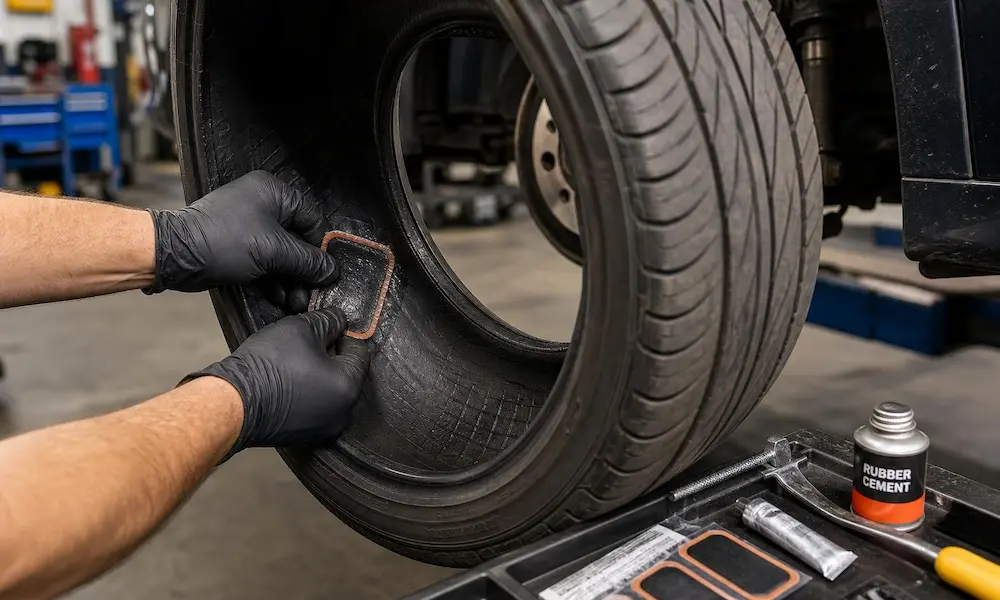
- $20 reimbursement for repairable punctures
- $75 roadside assistance coverage if you get stranded
- 30-day money-back guarantee if you hate them
- Mileage warranties up to 85,000 miles on certain models
That road hazard coverage is the real standout. Hit a pothole and destroy a tire? Most budget brands will shrug. Armstrong replaces it free for two years.
The Catch
You’ve got to maintain your tires properly. That means rotating them every 5,000-6,000 miles and keeping receipts. Skip the rotations and your warranty becomes worthless.
BLU-TRAC PC: The Commuter’s Best Friend
This is Armstrong’s bread-and-butter tire for sedans, minivans, and crossovers.
The BLU-TRAC PC comes with an 85,000-mile treadwear warranty—that’s exceptional for any tire, let alone one starting at $42. Reviews consistently praise its wet-weather grip and longevity.
The Good Stuff:
- Incredibly long lifespan for the price
- Solid wet traction
- SimpleTire gives it a 9.6/10 for durability
The Trade-offs:
You’ll notice more road noise than premium tires. One driver switching from Michelins noted the ride was “harsher and a little noisier.” That’s the budget tax you pay. Another mentioned they “do hum on the highway.”
And forget winter driving. These aren’t snow tires, despite the “all-season” label.
BLU-TRAC HP: Performance on a Budget (With Limits)
This is Armstrong’s ultra-high-performance tire for sportier cars.
Consumer Reports tested the BLU-TRAC HP, and the results tell the whole story. Dry traction? Perfect 5/5. Hydroplaning resistance? Also 5/5. But then you get to snow traction: 1/5. That’s not “poor for a budget tire”—that’s just poor, period.
Ride comfort scored a mediocre 2/5. If you’re coming from premium tires, you’ll feel the downgrade immediately.
Best For: Warm-climate drivers who want decent handling at highway speeds and don’t care about a cushy ride.
Avoid If: You live anywhere that sees regular snow, or you value comfort.
TRU-TRAC AT: The Overland Bargain
Armstrong’s all-terrain tire is a legitimate sleeper hit in the off-road community.
What makes the TRU-TRAC AT special is that it’s actually quiet on pavement. Most A/T tires sound like you’re driving a tractor. This one doesn’t. Multiple owners praise the “low road noise” and describe it as “quite civilized on the road.”
Off-road? It handles gravel and dirt roads competently. One overlander called it the “best deal for overland tires.” But it’s not aggressive enough for serious rock crawling or deep mud.
The Sweet Spot: Daily drivers who want the all-terrain look and weekend trail capability without the typical A/T penalties (horrible noise, sketchy handling, terrible fuel economy).
TRU-TRAC HT: Highway Miles Made Affordable
For trucks and SUVs that rarely leave the pavement, the TRU-TRAC HT delivers solid value.
Based on feedback from over 2,000 users, this tire earned 90% positive ratings for value and 85% for ride comfort and noise. The 65,000-mile warranty backs it up.
Naturally, it’s useless off-road and struggles in winter conditions. But if you’re commuting in a pickup or Tahoe year-round in a warm climate, it’s a smart buy.
Armstrong Tire Mileage Warranties at a Glance
Not all Armstrong tires offer the same coverage. Here’s what you actually get:
| Tire Model | Type | Warranty Miles |
|---|---|---|
| BLU-TRAC PC | Touring (Cars) | 85,000 |
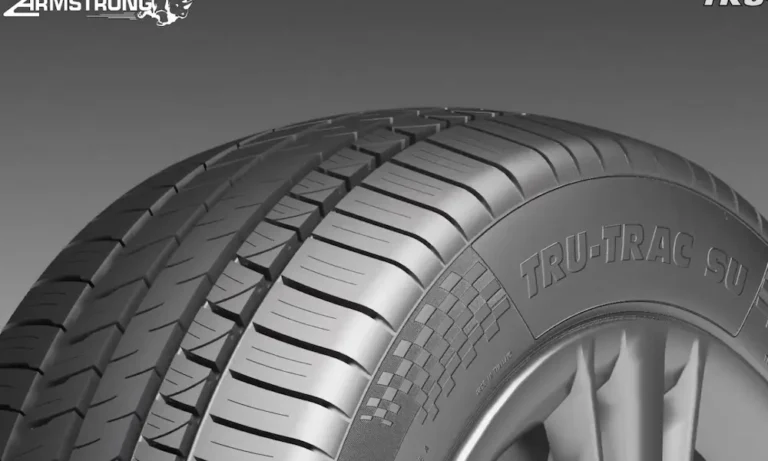
| TRU-TRAC SU | Touring (SUVs) | 65,000 |
| TRU-TRAC HT | Highway Terrain | 65,000 |
| TRU-TRAC AT | All-Terrain | 60,000 |
| BLU-TRAC PC Flex | All-Weather | 50,000 |
| BLU-TRAC HP | Performance | 45,000 |
Remember: these warranties require proper maintenance. No rotation receipts? No coverage.
The Winter Problem You Can’t Ignore
This is critical: Armstrong tires are terrible in winter conditions.
Despite “all-season” badges, these tires don’t cut it when temperatures drop and roads get slippery. The BLU-TRAC HP’s 1/5 snow traction score from Consumer Reports isn’t a fluke. Reviews across the lineup confirm they’re “not ideal for moderate to severe winter weather.”
If you live in the Snow Belt, these aren’t for you. Period. Don’t talk yourself into it because they’re cheap.
Safety Concerns: Separating Fact from Confusion
Google “Armstrong tire safety” and you might find some alarming stuff. Let’s clear it up.
Those old NHTSA documents from the 1970s and early ’80s? They reference the original Armstrong Rubber Company—a completely different entity that stopped making tires decades ago. Zero relevance to today’s product.
See lawsuit results about chemical exposure at an Armstrong facility? That’s Armstrong World Industries, a flooring and ceiling company. Different Armstrong. No connection.
The current Armstrong tires have no recalls or widespread safety issues. The Thai factory uses X-ray inspection on every tire, and the comprehensive warranty provides a solid safety net.
Who Should Buy Armstrong Tires?
Great Choice For:
- Budget-conscious commuters who rack up highway miles in temperate climates
- Value hunters who want maximum tread life per dollar
- Light overlanders seeking all-terrain capability without punishing on-road manners
- Risk-averse buyers who love the peace of mind from strong warranty coverage
Wrong Choice For:
- Winter drivers in snow-prone regions (this can’t be overstated)
- Comfort seekers switching down from premium brands like Michelin
- Serious off-roaders needing aggressive mud or rock-crawling capability
- Performance enthusiasts wanting elite handling and road feel
Armstrong vs. The Competition
Here’s the positioning: Armstrong sits between the absolute cheapest tires (sketchy Chinese brands with no warranty) and mid-tier options (BFGoodrich, Yokohama, Cooper).
You’re paying more than bottom-barrel tires but getting significantly better warranty protection. You’re paying less than mid-tier brands but sacrificing refinement and winter performance.
Think of it as “insured budget tires” rather than “cheap premium tires.”
The Bottom Line on Armstrong Tires
Are Armstrong tires good? Yes—if you’re the right buyer.
These tires nail the value proposition for warm-climate drivers who prioritize longevity and warranty coverage over refinement. The 85,000-mile warranty on the BLU-TRAC PC combined with two years of road hazard protection creates a genuinely compelling offer at $40-80 per tire.
But they’re legitimately bad for winter driving, notably harsher than premium alternatives, and won’t impress performance enthusiasts.
The smart play? Buy Armstrong if you’re a pragmatic commuter in Arizona, Texas, or Florida who wants maximum miles and minimum risk. Skip them if you’re in Minnesota, value a whisper-quiet ride, or need legitimate all-weather capability.
The brand isn’t trying to fool you into thinking it’s premium. It’s offering you a fair deal: solid tires, exceptional warranty, budget price. Just don’t ask them to do things they weren’t designed for—like handling a Michigan winter—and you’ll probably be happy with your purchase.