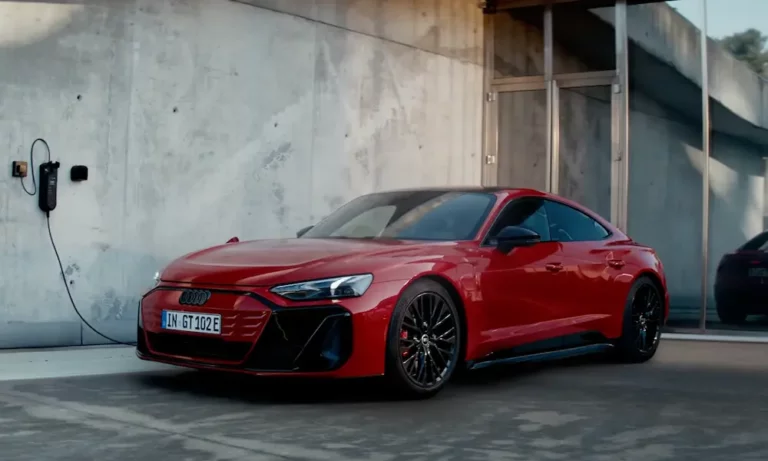
Thinking about buying that sleek Audi you’ve been eyeing? The German luxury brand promises sophistication and performance, but rumors about sky-high maintenance costs might be giving you pause. Let’s cut through the noise and examine what Audi ownership really costs beyond the purchase price, so you can make an informed decision before signing on the dotted line.
The Real Cost of Audi Maintenance: By the Numbers
Owning an Audi comes with premium maintenance expenses that significantly exceed what you’d pay for a mainstream vehicle. According to RepairPal data, the average Audi costs about $987 annually to maintain – nearly double the industry average of $500-600 for all vehicles.
Here’s how Audi stacks up against competitors:
| Brand | Average Annual Maintenance Cost |
|---|---|
| Tesla | $429 |
| Lexus | $579 |
| Audi | $987 |
| Mercedes-Benz | $1,241 |
| BMW | $1,323 |
| Land Rover | $1,604 |
The 10-year maintenance cost for an average Audi totals approximately $10,213, which is actually $1,771 better than the luxury vehicle average. While not cheap, Audi sits in the middle of the luxury pack – more expensive than Japanese luxury brands but more affordable than some German rivals.
How Audi Maintenance Costs Change Over Time
The financial burden of Audi ownership follows a predictable pattern that you should factor into your long-term budget.
Years 1-4: The Honeymoon Period
During the warranty period, maintenance costs remain relatively modest:
- Year 1: Approximately $460
- Year 5: Around $940
The probability of major repairs stays low during this period, starting at just 3.07% in year one and gradually increasing to 14.48% by year five. Factory warranty coverage keeps unexpected costs in check.
Years 5-10: The Reality Sets In
This is when ownership gets substantially more expensive:
- Year 6: $1,208
- Year 10: $1,494
The likelihood of needing major repairs jumps significantly, reaching nearly 31% by year ten. These years often coincide with warranty expiration and the need for more substantial services.
Beyond Year 10: The Expensive Years
Hold onto your Audi past a decade and you’ll face the highest maintenance costs:
- Year 11: $1,592
- Year 12: $1,729
By year 12, the probability of requiring major repairs approaches 58% – essentially a coin flip each year on whether you’ll face a significant repair bill.
Why Audis Cost More to Maintain
German Engineering Demands Premium Care
Audi vehicles incorporate sophisticated engineering and technology that require specialized knowledge to service properly. This isn’t your uncle’s garage-friendly sedan.
The premium components used in Audis cost more to replace than parts for mainstream vehicles. For instance:
- Brake pad replacement: $300-800
- Timing belt service: $1,000-1,500
- Catalytic converter: $900-2,500
Specialized Labor Requirements
Audi maintenance requires technicians with specialized training and diagnostic equipment. Dealership labor rates typically exceed independent shops by 27-30%, with hourly rates significantly higher than for mass-market vehicle service.
Strict Maintenance Schedules
Audi’s maintenance schedule differs from many competitors:
- Oil changes required every 10,000 miles using synthetic oil ($150-250)
- Minor services every 10,000 miles ($150-195)
- Major services every 20,000 miles ($525-695)
Model-Specific Maintenance Costs
Not all Audis cost the same to maintain. Here’s a breakdown of annual costs by model:
Sedans (Most Economical)
- A3: $741 annually
- A4: $739 annually
- A5: $798 annually
- A6: $913 annually
SUVs (Higher Maintenance)
- Q3: $915 annually
- Q5: $928 annually (with 10-year costs reaching $12,957)
Sports Models
- TT Quattro: $924 annually
The price difference between models reflects variations in complexity, parts availability, and service requirements. Generally, four-cylinder engines cost less to maintain than six-cylinder options, and sedans are cheaper than SUVs or performance models.
Most Common Audi Problems and Their Costs
Understanding the typical issues that plague Audis can help you budget for likely repairs:
Engine-Related Issues
- Vacuum leaks: $300-800
- Carbon buildup (especially in FSI and TFSI engines): $400-600
- Oil consumption problems: $2,000-4,000 for severe cases
Electrical System Problems
- Faulty sensors: $200-600
- MMI system failures: $500-2,000
- Electrical gremlins: Variable costs
Exhaust and Emissions Issues
- Oxygen sensor failures: $200-500
- Catalytic converter problems: $900-2,500
Engine issues account for the largest percentage of Audi repairs, followed by electrical system problems.
How to Save on Audi Maintenance Costs
Despite their reputation for expensive upkeep, there are several ways to reduce your Audi maintenance expenses:
Use Independent Specialists
Utilizing independent mechanics who specialize in Audi vehicles can save you $200-400 annually compared to dealership service. These specialists typically offer:
- Lower labor rates
- Reduced parts markup
- Expertise in German vehicles
- Focus on necessary repairs rather than dealer-recommended services
A repair quoted at $1,100 by a dealer might cost $800 at an independent specialist – a significant saving while maintaining quality.
Follow a Preventive Maintenance Strategy
Regular maintenance prevents small issues from becoming expensive problems. This approach can save $300-500 annually by catching problems early.
Key preventive measures include:
- Following manufacturer-recommended service intervals
- Addressing warning lights promptly
- Using quality fluids and parts
- Regular inspection of wear items like brakes and tires
DIY Where Appropriate
While complex repairs should be left to professionals, you can perform basic maintenance yourself:
- Air filter replacement
- Wiper blade changes
- Fluid checks and top-offs
- Light bulb replacements
These simple tasks can save $100-300 annually without compromising vehicle quality.
Consider Extended Warranty Coverage
For newer Audis approaching the end of their factory warranty, extended coverage or prepaid maintenance plans can provide significant value.
AudiCare prepaid maintenance plans for models like the Q5 cost approximately $1,699 but can save substantially given the high cost of individual services. These plans become particularly valuable during years 5-10 of ownership when repair frequencies increase.
Audi Reliability Rankings: Mixed Results
Audi receives varied reliability ratings from major automotive research organizations:
- RepairPal ranks Audi 28th out of 32 brands with a 3.0 out of 5.0 reliability score
- J.D. Power places Audi second-to-last in their 2024 vehicle dependability rankings
- Some specific models like the Q2 achieve high reliability scores, with MotorEasy rating it 99.5% reliable
These mixed ratings reflect the reality that Audi reliability varies significantly by model, year, and maintenance history.
Regional and Service Variations
Dealer vs. Independent Pricing
The cost gap between dealership and independent service can be substantial:
- Dealerships typically mark up parts 10% over retail prices
- Labor rates at dealers can be 20-40% higher than independent shops
- Warranty coverage may require dealership service for certain repairs
Geographic Price Differences
Where you live significantly impacts maintenance costs:
- Urban areas generally command higher prices due to increased overhead
- Regional labor rate differences can vary by $20-50 per hour
- Parts availability may affect pricing in different markets
Is an Audi Worth the Maintenance Cost?
Whether an Audi’s higher maintenance costs make sense depends on your priorities and financial situation.
When an Audi Makes Financial Sense
An Audi might be worth the premium maintenance costs if:
- You value the driving experience and brand prestige
- You’re comparing it to other luxury vehicles with similar costs
- You plan to keep the vehicle during its most reliable years (1-5)
- You have a trusted independent specialist for service
- You’re willing to budget properly for maintenance
When to Consider Alternatives
You might want to reconsider an Audi purchase if:
- You’re stretching your budget to afford the initial purchase
- You can’t absorb unexpected repair costs of $1,000+ occasionally
- You plan to keep the vehicle well beyond the 10-year mark
- You live in an area with limited Audi service options
- You’re used to mainstream vehicle maintenance costs
Ownership Strategies for Different Audi Models
A3/A4 Ownership (Most Economical)
The A3 and A4 represent the most affordable Audi maintenance options at around $740 annually. Their four-cylinder engines are simpler and parts are more readily available.
Best strategy: These models make excellent long-term ownership prospects with proper maintenance. Consider keeping them up to 8-10 years.
Q5/Q3 Ownership (Middle Ground)
With annual costs around $915-928, Audi SUVs require more substantial budgeting for maintenance.
Best strategy: These models work best with a 5-7 year ownership window, ideally with extended warranty coverage for the later years.
High-Performance Models (Most Expensive)
S and RS models will command the highest maintenance costs due to specialized components and more frequent service needs.
Best strategy: Consider leasing or plan for shorter ownership periods (3-5 years) to minimize exposure to the most expensive maintenance periods.
The Total Cost Picture
When evaluating Audi ownership, maintenance is just one factor in the total cost equation:
For example, a 2024 Q5 has approximate five-year ownership costs of $61,847, with maintenance representing $6,429 of this amount. The largest expenses are typically:
- Depreciation
- Financing costs
- Insurance
- Fuel
- Maintenance
While maintenance costs are higher than average, they’re still less significant than depreciation in the overall ownership cost structure.
Making the Audi Maintenance Decision
If you’re considering an Audi, be realistic about the maintenance commitment:
- Budget for annual maintenance costs of $1,000+ after warranty expiration
- Find a reputable independent Audi specialist before purchase
- Research the specific model’s reliability history
- Consider certified pre-owned options with extended warranty coverage
- Be prepared for higher-than-average repair costs when needed
With proper planning and budgeting, an Audi can provide a rewarding ownership experience despite the premium maintenance requirements. Just remember – German engineering excellence comes with German engineering maintenance costs.