Spotted a mysterious puddle under your Audi? If it’s green, orange, or pink, you’re dealing with a coolant leak. Don’t panic—most leaks start small and stay fixable if you catch them early. This guide walks you through everything you need to know to diagnose, repair, and prevent future headaches.
What Causes Audi Coolant Leaks?
Worn Hoses and Loose Clamps
Your Audi’s coolant hoses take a beating. They expand and contract with temperature changes, flex with engine movement, and eventually crack—especially at bends and connections. Loose or corroded clamps make things worse by letting pressurized coolant escape.
Check your hoses every few months. Look for:
- Soft, spongy spots
- Visible cracks or splits
- White residue around connections
- Bulging sections
Quick Fix: Replace damaged hoses with OEM-quality parts. Don’t cheap out—aftermarket hoses often fail faster than originals.
Radiator Problems
Road debris, salt, and age turn your radiator into Swiss cheese. The aluminum fins corrode, develop stress cracks, or get punctured by flying rocks. A failing radiator cap can’t maintain proper system pressure, causing coolant to boil off or overflow.
Signs your radiator’s giving up:
- Visible damage to fins
- Green stains on the radiator face
- Overheating in stop-and-go traffic
- Sweet smell from the engine bay
Pro Tip: Test your radiator cap first—it’s a $15 fix versus $500+ for a new radiator.
Water Pump Failure
The water pump keeps coolant flowing through your engine. When the seal fails or the aluminum housing cracks, coolant leaks at the pump flange. These leaks often evaporate on the hot engine, making them tricky to spot.
Water pump warning signs:
- Coolant puddles after parking overnight
- Grinding noise from the engine
- Temperature spikes during driving
- Visible coolant around the timing belt area
Thermostat Housing Issues
Audi’s plastic thermostat housings don’t age gracefully. They develop stress cracks from constant heating and cooling cycles. Turbocharged engines like the 2.0T see this problem more often due to higher operating pressures.
The thermostat housing connects multiple coolant lines, so when it fails, you’ll see:
- Coolant dripping from the front of the engine
- Multiple wet spots around plastic pipes
- Low coolant warnings on your dashboard
Heater Core Leaks
Your heater core sits behind the dashboard, warming cabin air. When it leaks, coolant pools in the passenger footwell and creates a sweet, antifreeze smell inside the car.
Heater core symptoms include:
- Damp carpeting on the passenger side
- Foggy windows that won’t clear
- Sweet odor in the cabin
- Low coolant without visible external leaks
Reality Check: Heater core replacement requires dashboard removal—expect $1,000+ in labor costs.
Head Gasket Failure
The nightmare scenario. A blown head gasket lets coolant enter combustion chambers or mix with engine oil. You’ll see white exhaust smoke, milky oil, and overheating without obvious external leaks.
Head gasket failure signs:
- White smoke from the exhaust under load
- Milky residue under the oil cap
- Bubbles in the coolant reservoir
- Rapid coolant loss without visible leaks
Wallet Warning: Head gasket repairs cost $2,000-4,000 depending on your Audi model.
Cracked Engine Block
The absolute worst-case scenario. Engine block cracks usually result from severe overheating or freezing. This requires engine replacement or rebuild—we’re talking $8,000+ in repairs.
Block cracks show up as:
- Coolant mixing with oil
- External leaks from the block itself
- Overheating that won’t stop
- Metal particles in the coolant
How to Diagnose Your Audi Coolant Leak
Start With Visual Inspection
Park on clean pavement overnight, then check for puddles in the morning. Green, orange, or pink fluid means coolant. Note the puddle’s location—it points toward the leak source.
Pop the hood and look for:
- Wet spots around hose connections
- White crusty residue (dried coolant)
- Stains on the radiator or engine block
- Damaged or swollen hoses
Time-Saving Tip: Use a flashlight and mirror to check hard-to-see areas around the back of the engine.
Pressure Test the System
A cooling system pressure tester pressurizes your coolant system to manufacturer specs (usually around 16 PSI for Audi). This forces coolant out of even tiny cracks, making leaks obvious.
Here’s how to pressure test:
- Remove the radiator cap when the engine’s cold
- Attach the pressure tester
- Pump to manufacturer specification
- Watch the gauge—pressure shouldn’t drop
- Look for bubbles or dripping coolant
Safety Note: Never pressure test a hot engine. Hot coolant under pressure causes severe burns.
Use UV Dye Detection
Add UV-visible dye to your coolant, drive for a few days, then scan with a UV light. Even microscopic leaks glow bright green under UV light.
This method works great for:
- Intermittent leaks
- Small seepage that evaporates quickly
- Hard-to-reach areas
- Confirming repair success
Check Inside the Cabin
Heater core leaks show up inside your car, not under the hood. Pull back the floor mats and check for:
- Damp carpeting
- Sweet antifreeze smell
- Oily residue on the windshield
- Excessive window fogging
Pro Tip: Run the heater on high while parked. If coolant level drops but you don’t see external leaks, suspect the heater core.
Test for Internal Leaks
Internal leaks (head gasket or block cracks) don’t create puddles. Instead, coolant burns in the engine or mixes with oil.
Check your oil dipstick for:
- Milky, chocolate-colored oil
- Foam or bubbles in the oil
- Oil level that’s higher than normal
White exhaust smoke under acceleration also indicates internal coolant burning.
Chemical Test: Combustion leak test kits detect exhaust gases in coolant—definitive proof of head gasket failure.
Common Audi Models and Their Leak-Prone Areas
| Audi Model | Common Leak Points | Typical Cost |
|---|---|---|
| A4 (B8/B9) | Thermostat housing, water pump flange | $300-800 |
| A6 (C7) | Radiator, coolant pipes | $400-1,200 |
| Q5 | Water pump, radiator end tanks | $500-1,000 |
| A3/S3 | Turbo coolant lines, intercooler | $200-600 |
| A8 | Multiple plastic pipes, radiator | $600-1,500 |
Repair Options That Actually Work
Quick Temporary Fixes
Leak Stop Products: Pour-in sealants can plug small radiator or hose leaks temporarily. They work by swelling rubber seals and clogging tiny holes. Use only as emergency measures—they can clog your heater core or radiator.
Emergency Water: If you’re stranded, distilled water works short-term. Don’t use tap water—minerals cause corrosion. Replace with proper coolant ASAP.
Radiator Cap Swap: A loose or damaged cap causes pressure loss and overheating. New caps cost $15-30 and take two minutes to install.
Permanent Repair Solutions
Hose Replacement: Use OEM or OEM-equivalent hoses. Aftermarket hoses often use different rubber compounds that fail prematurely. Replace clamps too—old ones lose spring tension.
Water Pump Service: Water pump replacement typically includes:
- New pump assembly
- Thermostat and housing
- All related gaskets
- Complete coolant flush
Expect 4-6 hours of labor plus parts.
Radiator Replacement: Modern Audi radiators use plastic end tanks that crack with age. You can’t effectively repair them—replacement is the only permanent fix.
Thermostat Housing: Audi’s plastic housings crack predictably. Aftermarket aluminum housings last longer but cost more upfront.
When You Need Professional Help
Some repairs require special tools and expertise:
- Head gasket replacement: Needs engine teardown and machine shop work
- Timing belt area leaks: Risk destroying the engine if done wrong
- Pressure testing: Shops have better equipment than DIY kits
- Internal leak diagnosis: Requires expensive test equipment
Money-Saving Tip: Get quotes from independent German car specialists—they often charge 30-40% less than Audi dealers.
Prevention Strategies That Work
Coolant Maintenance Schedule
Flush and replace coolant every 40,000 miles or 4 years, whichever comes first. Old coolant loses its anti-corrosion properties and turns acidic.
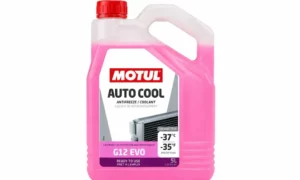
Coolant Type Matters: Audi specifies G12 or G13 coolant for aluminum engines. Using the wrong type causes galvanic corrosion and expensive damage.
Regular Inspection Routine
Check these items every oil change:
- Coolant level and color
- Hose condition and clamp tightness
- Radiator fins for damage
- Overflow tank for cracks
Digital Reminder: Set phone alerts to check coolant monthly. It takes two minutes and prevents thousand-dollar repairs.
Temperature Monitoring
Watch your temperature gauge religiously. Modern Audis have sensitive cooling systems that overheat quickly when coolant’s low.
Pull over immediately if:
- Temperature gauge enters the red zone
- Steam comes from under the hood
- You smell hot antifreeze
- Warning lights appear
Expensive Lesson: Running an overheated engine for even a few minutes can warp the head or crack the block.
Seasonal Preparation
Winter: Check coolant concentration with a hydrometer. Pure water freezes at 32°F and expands, cracking the block. 50/50 coolant mix protects to -34°F.
Summer: Hot weather stresses cooling systems. Check for leaks before road trips and carry extra coolant.
Cost Breakdown: What You’ll Really Pay
| Repair Type | DIY Parts Cost | Shop Labor | Total Cost |
|---|---|---|---|
| Radiator cap | $15-30 | $25-50 | $40-80 |
| Coolant hoses | $50-150 | $100-200 | $150-350 |
| Thermostat housing | $80-200 | $200-400 | $280-600 |
| Water pump | $150-300 | $400-600 | $550-900 |
| Radiator | $200-500 | $300-500 | $500-1,000 |
| Head gasket | $200-400 | $1,500-3,000 | $1,700-3,400 |
Regional Variations: Costs vary dramatically by location. Urban areas with high Audi concentrations often have competitive pricing.
Red Flags: When to Walk Away
If you’re buying a used Audi, these signs indicate expensive cooling system problems:
- Multiple coolant stains under the car
- Mismatched coolant colors (indicates mixing different types)
- White residue around the oil filler cap
- Sweet smell in the cabin
- Overheating history mentioned in records
Negotiation Power: Use cooling system issues to negotiate price reductions. Even minor leaks suggest deferred maintenance.
DIY vs Professional: Making the Right Choice
Good DIY Repairs
- Radiator cap replacement
- Simple hose swaps
- Coolant flushes
- Visual inspections
- Basic pressure testing
Leave to Professionals
- Water pump replacement
- Head gasket work
- Timing belt area repairs
- Internal leak diagnosis
- Warranty-covered repairs
Skill Assessment: Be honest about your abilities. A botched cooling system repair can destroy your engine.
Real-World Repair Stories
Case 1: 2011 A4 2.0T
Problem: Slow coolant loss, no visible leaks
Diagnosis: Cracked thermostat housing
Solution: Aluminum aftermarket housing, $400 total
Lesson: Plastic housings fail predictably on turbocharged engines
Case 2: 2008 A6 3.2
Problem: Overheating in traffic
Diagnosis: Clogged radiator, failing water pump
Solution: Complete cooling system overhaul, $1,800
Lesson: Multiple failures often happen together on high-mileage cars
Case 3: 2015 Q5
Problem: Sweet smell in cabin, damp carpets
Diagnosis: Leaking heater core
Solution: Core replacement, $1,200
Lesson: Interior symptoms always mean expensive repairs
Final Thoughts on Audi Coolant Leaks
Audi coolant leaks start small but grow into expensive problems fast. The key is catching them early through regular inspections and addressing root causes, not just symptoms.
Most leaks stem from aging rubber hoses, plastic components, or normal wear items like water pumps. These repairs, while annoying, won’t break the bank if handled promptly.
The expensive failures—head gaskets and cracked blocks—usually result from ignoring smaller problems first. Don’t let a $50 hose repair turn into a $3,000 engine rebuild.
Keep spare coolant in your garage, check levels monthly, and develop a relationship with a good German car specialist. Your Audi’s cooling system will reward proper maintenance with years of reliable service.
Remember: green puddles under your car aren’t normal, but they’re almost always fixable. The sooner you act, the less you’ll pay.