You’re staring at a wall of wiper blades at AutoZone, and the Bosch ones cost twice as much as everything else. Are they actually worth it? This post breaks down exactly what you get, how they hold up in real conditions, and whether the price makes sense for your car and climate.
What Makes Bosch Wiper Blades Different
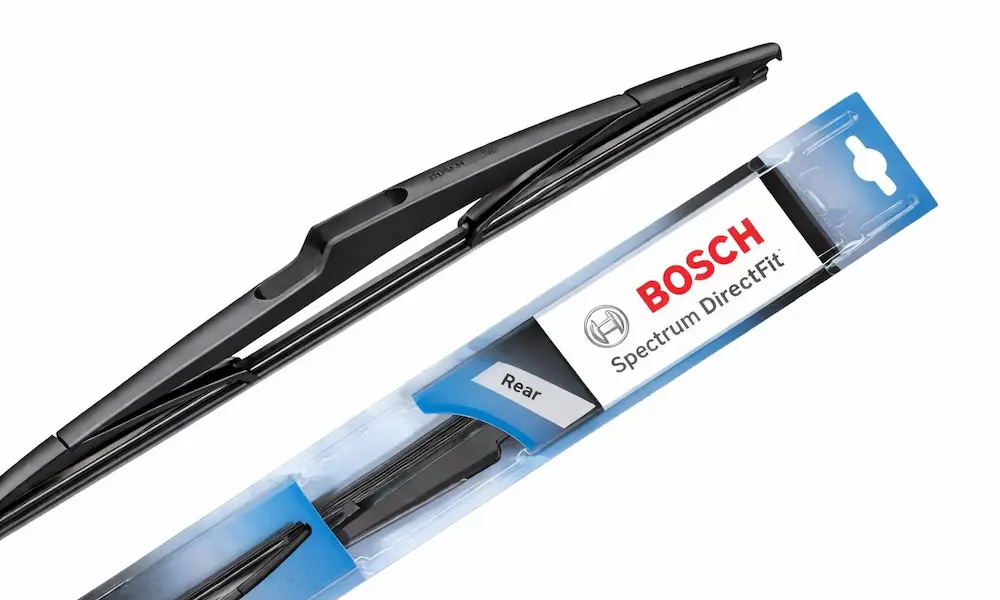
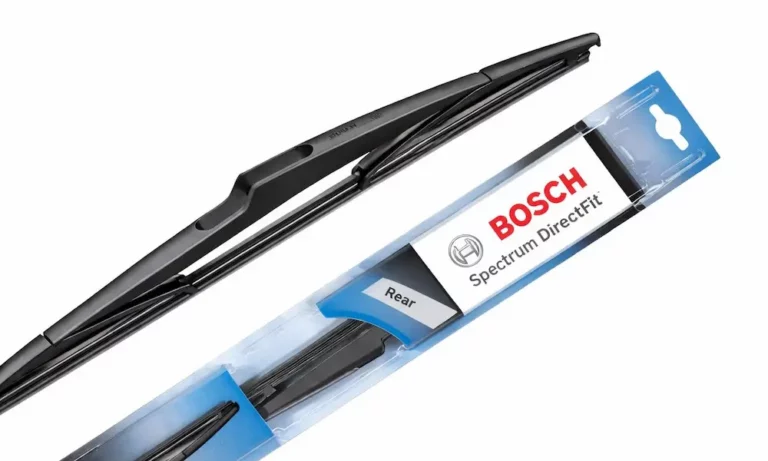
Bosch isn’t just another brand slapping a logo on rubber. The company helped pioneer the shift from traditional metal-frame wipers to the modern beam-style design that dominates the premium market today.
Traditional wipers use external hinges and metal frames to push the blade against the glass. They work fine on older, flat windshields. But they struggle with the curved windshields on modern cars, and they’re a nightmare in snow because ice packs into those hinges and freezes the blade stiff.
Bosch’s beam blades replace the frame with internally tensioned steel springs. That means:
- No hinges for ice and slush to clog
- Even pressure across the whole blade for a streak-free wipe
- Better contact on curved windshields
- Aerodynamic shape that fights wind lift at highway speeds
The result is a blade that performs consistently whether it’s 95°F in Phoenix or -10°F in Minnesota.
The Full Bosch Lineup Explained
Bosch structures its products in a clear tier system. Here’s how the current lineup breaks down:
| Product Line | Tier | Key Feature | Best For |
|---|---|---|---|
| Bosch ICON | Premium | ClearMax 365 Dual Rubber | All-season durability |
| Bosch Envision | Premium | NightFocus + SafeCheck | Nighttime driving clarity |
| Bosch Focus | Ultra-Premium | NightView + Light Absorption | Heavy glare routes |
| Bosch Evolution | Mid-Tier | Patented Beam Design | Reliable all-weather use |
| Bosch Aerotwin | Mid-Tier | Evodium Flex Rails | Factory equivalent feel |
| Bosch Clear Advantage | Entry | Standard Beam | Budget-friendly beam blade |
| Bosch Snow Driver | Specialty | Insulated Shell | Extreme winter conditions |
| Bosch DirectConnect | Entry | Conventional Frame | Easy install, broad fit |
The Bosch ICON consistently ranks as a top-rated wiper blade for 2024 and 2025. It’s the one most drivers should consider first.
How the Rubber Actually Works
Wiper performance comes down to one thing: rubber that can handle everything the environment throws at it.
The Dual Rubber Compound Strategy
The ICON and Envision use Bosch’s ClearMax 365 technology. It’s a two-layer rubber design:
- Soft inner core: Stays flexible in freezing temps, flips cleanly at each end of the stroke, prevents chatter
- Hard outer shell: Resists road grime, ozone, and UV damage
Ozone is one of the biggest wiper killers in the US. It causes tiny cracks in natural rubber that grow over time, leading to streaking and peeling. The ClearMax 365 compound resists this significantly better than standard rubber.
Bosch claims these blades last up to 40% longer than other premium alternatives. Real-world user data backs this up—ICON blades regularly hit 18 to 24 months of service life, compared to 6 to 12 months for most competitors.
The Aerodynamic Spoiler
At 70 mph on the interstate, air rushing over your windshield pushes upward on the wiper blade. If the blade lifts off the glass, it can’t clear water. Budget blades skip and chatter at highway speeds for exactly this reason.
The ICON’s asymmetrical flexible spoiler catches oncoming air and converts it into downward pressure. The blade actually uses the wind to stay planted against the glass. The result is consistent wiping performance at any speed.
Bosch ICON Performance by Climate
The answer to “are Bosch wiper blades good” often depends on where you live. Here’s the honest breakdown:
Pacific Northwest and Northeast
Rain is constant, winters bring salt and slush, and you need a blade that lasts through months of daily use. The ICON’s internal steel springs and corrosion-resistant construction hold up well here. Drivers in these regions also appreciate how quiet Bosch blades run during those long commutes with the wipers running for hours.
The bracketless design also shines in snow. No exposed hinges means no ice buildup, no frozen-flat blade, and no blind spots in your line of sight.
Sun Belt: Florida, Texas, Arizona
Heat and UV radiation destroy natural rubber blades fast. In Arizona and Southern California, some users report cheap blades turning brittle after a single summer—even if they barely used them.
The ICON’s synthetic rubber compound resists this thermal breakdown. Some users in Arizona report their ICON blades staying functional for four to six years, which is remarkable for any rubber wiper product.
Midwest and Plains States
Continental climates swing from brutal summer heat to polar winter cold. The ClearMax 365 rubber handles both ends of that spectrum—flexible enough to perform at -20°F, durable enough to survive a 100°F summer. Car Talk ranks Bosch as a top pick for all-season versatility for exactly this reason.
Bosch ICON vs. The Competition
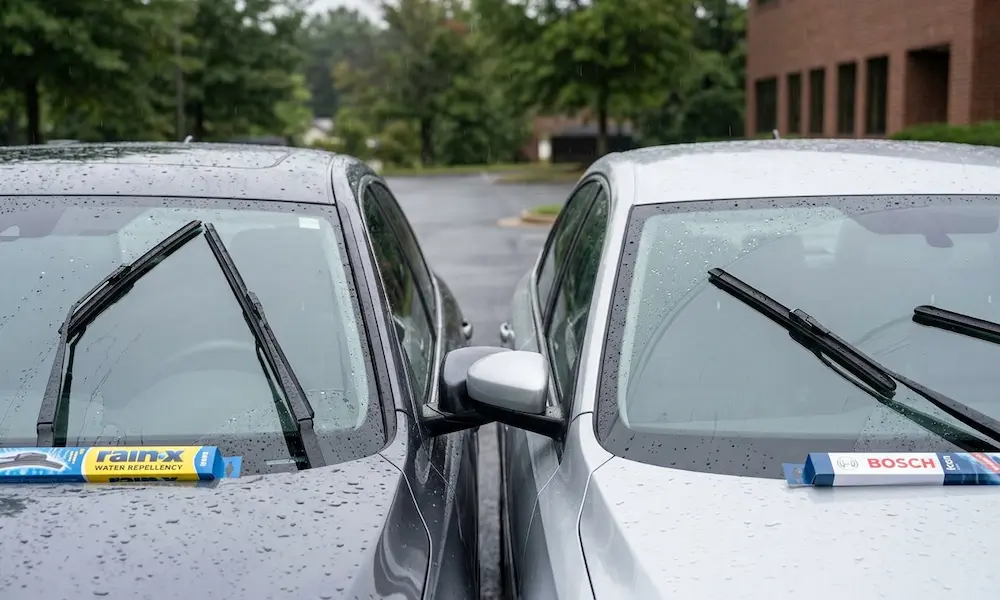
Bosch ICON vs. Rain-X Latitude
Rain-X takes a chemistry approach—the blade applies a hydrophobic coating to the windshield as it wipes. In a heavy downpour, this can feel impressive.
| Criteria | Bosch ICON | Rain-X Latitude |
|---|---|---|
| Strategy | Mechanical wiping | Chemical water repellency |
| Longevity | 12–24 months | 6–12 months |
| Quietness | High | Moderate (degrades over time) |
| Best For | Durability, consistency | Immediate heavy-rain visibility |
The catch with Rain-X is that the coating wears unevenly. Over time, many users experience smearing or a greasy film on the glass. Bosch blades stay consistent for their entire lifespan because their performance relies on engineering, not a coating that can wear off.
Bosch ICON vs. Michelin Stealth Ultra
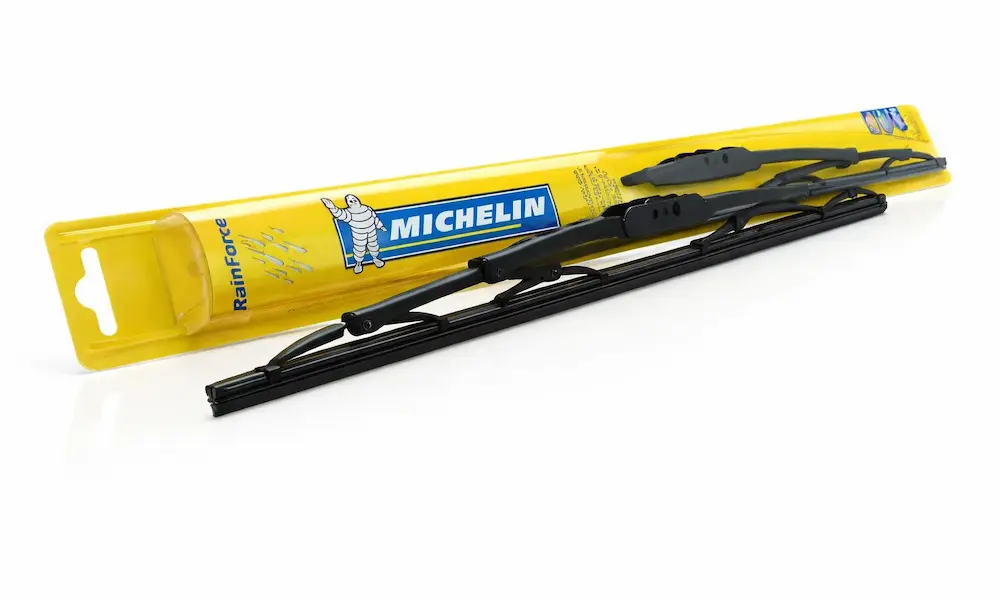
Michelin’s hybrid blades are popular at Costco, often sold in twin packs at a significant discount. But “hybrid” means a traditional frame inside a plastic shell—and those hidden hinges can still trap ice.
Consumer reviews frequently mention chatter and loss of wiping ability within a few months on Michelin blades. The ICON’s pure beam design has no joints or hinges to fail, which gives it a clear structural advantage.
Bosch ICON vs. PIAA Silicone (Si-Tech)
This is the most interesting comparison. Silicone is chemically more stable than rubber, inherently water-repellent, and PIAA silicone blades can last three to five years.
The trade-off? Silicone costs significantly more—sometimes double the price of an ICON. And silicone is softer. If you use it to scrape a frosted windshield before the ice melts, the blade can tear. Rubber-based beam blades like the ICON handle icy commutes better than silicone.
The Bosch ICON hits a sweet spot: near-silicone longevity with the toughness of rubber. For most American drivers, that’s the better all-season choice.
The Envision and Focus Lines: Are They Worth the Upgrade?
If you drive a lot at night or frequently navigate poorly lit roads in the rain, Bosch’s specialized lines are worth a look.
How NightFocus and NightView Work
The Envision and Focus blades use ultrasonic fusion to bond the connector to the blade as a single unit. This creates more even pressure across the full blade length, reducing the microscopic water droplets that refract headlights and street lights back at you.
The Focus line adds a carbon-enriched polymer edge with charcoal powder that absorbs light rather than reflecting it. This cuts down on the glare from the blade itself in your peripheral vision during night rainstorms—a small but real improvement for driver focus.
| Feature | Bosch Envision | Bosch Focus |
|---|---|---|
| Core Technology | NightFocus Ultrasonic Fusion | NightView Unified Pressure |
| Glare Reduction | Light-Absorbing Charcoal Powder | Carbon-Enriched Polymer Edge |
| Wear Indicator | SafeCheck Visual Dot | SafeCheck Visual Dot |
| Best Environment | Rainy nights and storms | Glare-heavy or dimly lit routes |
Both lines include the SafeCheck indicator—a colored dot that turns yellow when it’s time to inspect the blade. It’s a simple way to shift from reactive replacement (when you’re already stuck in a downpour with failing wipers) to proactive maintenance.
Installation and Fitment: What You Need to Know
The XpressFIT Connector System
Most Bosch ICON blades come with a pre-installed J-hook adapter and additional adapters in the box. The Weather-Shield double locking connector clicks into place cleanly without the frustrating push-tab systems many competitors use.
One heads-up: beam blades are less forgiving of incorrect sizing than traditional frames. A blade that’s too long will lift at the edges, leaving streaks. If your vehicle needs a non-standard size like 17.5 inches, experts recommend sizing down to a 17-inch blade rather than sizing up.
On some vehicles—certain Mazda models, the Volkswagen ID.4—the universal adapters can be tricky to align. For these, Bosch’s Aerotwin OE line matches the factory specs exactly and installs without any adapter fuss.
Sizing Issues with Overlapping Wiper Patterns
On vehicles where the two blades sweep close together, the slightly bulkier end caps on Bosch beam blades can cause the blades to touch. Check your vehicle’s wiper pattern before buying, especially if you’re driving a compact car with an aggressive overlap design.
The Real Cost of Bosch Wiper Blades
Yes, Bosch blades cost more upfront. A single ICON runs $25 to $35, putting a full set at $60 to $70 or more. Budget blades at $12 each feel like a steal by comparison.
But do the math over three years:
| Strategy | Cost Per Blade | Replacement Frequency | 3-Year Total |
|---|---|---|---|
| Budget (Generic) | $12.00 | Every 6 months | $72.00 |
| Mid-Tier (Standard Rubber) | $18.00 | Every 9 months | $72.00 |
| Bosch ICON (Premium) | $28.00 | Every 18 months | $56.00 |
The ICON actually costs less over three years. And you’re replacing it half as often, which removes a recurring maintenance headache.
Where to Buy
Prices vary significantly by retailer:
- Amazon / RockAuto: Typically the lowest prices for ICON blades; you install them yourself
- Walmart: Carries the Evolution and Clear Advantage lines at competitive prices; ICON selection is limited
- AutoZone / Advance Auto Parts: Widest selection of Envision and Focus lines; both offer free installation, which justifies the higher per-blade price for many drivers
Maintenance Tips to Get the Most Out of Bosch Blades
Clean the Wiping Edge Regularly
Most wiper failures aren’t caused by worn-out rubber—they’re caused by a layer of grime coating the wiping edge. Wipe down the rubber element with a cloth and washer fluid every time you fill up your tank. It takes 30 seconds and extends blade life noticeably.
Don’t Install on a Dirty Windshield
This is the single most common cause of new-wiper chatter. If your windshield has tree sap, road tar, or old car wash wax on it, even a brand-new ICON will skip and streak. A quick pass with glass cleaner—or better yet, a clay bar treatment if the glass is heavily contaminated—before installation makes a huge difference.
Watch for the Sound of Failure
A wiper blade nearing the end of its life often sounds different before it looks different. A dull thud, faint scratching, or slightly changed rhythm during a wipe means it’s time to replace. Bosch blades maintain strong performance until they fail, so catching the early audio signs helps you stay ahead of a rainstorm surprise.
Handle Winter Parking Carefully
Many drivers prop their wiper arms up when parking in snow to prevent freezing. That’s fine short-term, but repeatedly over-extending the arm spring weakens it over time. A better approach: slip a small piece of foam or a folded cloth under the arm so the rubber hovers just off the glass without fully extending the spring.
So, Are Bosch Wiper Blades Good?
Yes—and the data makes it pretty clear. For most drivers, the Bosch ICON delivers the best balance of longevity, all-season performance, and value when you factor in total ownership cost.
The Envision and Focus lines are smart upgrades if you do a lot of nighttime driving or live somewhere with relentless rain. And if you’re in a brutal winter climate, the Snow Driver handles extreme cold better than any standard blade.
Federal law requires functional wipers for good reason—driving without them is both dangerous and illegal. A $28 blade that lasts two years and wipes cleanly every time is one of the easiest safety upgrades you can make to any vehicle. Bosch earns that price.