You’re standing in the wiper blade aisle, staring at a wall of options, and wondering if those Michelin blades are actually worth it. Good news — this post breaks it all down so you can grab the right set and get back on the road.
What Makes a Wiper Blade “Good” in the First Place?
Before we answer “are Michelin wiper blades good,” let’s agree on what good actually means.
A solid wiper blade needs to:
- Clear water cleanly without streaking
- Stay quiet (no chattering or squeaking)
- Hold up through heat, cold, and everything in between
- Fit your car without a 20-minute wrestling match
Michelin checks most of these boxes — but not always the same box for every model. Let’s get into it.
The Michelin Wiper Blade Lineup Explained
Michelin doesn’t sell one wiper blade. They sell a whole family of them, each built for different drivers and conditions. Here’s how they break down:
| Michelin Model | Design Type | Best For |
|---|---|---|
| Rainforce | Conventional frame | Budget-friendly all-season use |
| Guardian / Guardian+ | Frameless beam | Modern, curved windshields |
| Stealth Ultra / Cyclone | Hybrid | Harsh winters, ice-prone regions |
| Endurance XT | Advanced beam | High heat, UV exposure |
| Optimum+ Ceramic | Ceramic beam | Night clarity, water repellency |
Each model targets a real problem. So yes — Michelin wiper blades are good when you pick the right one for your situation.
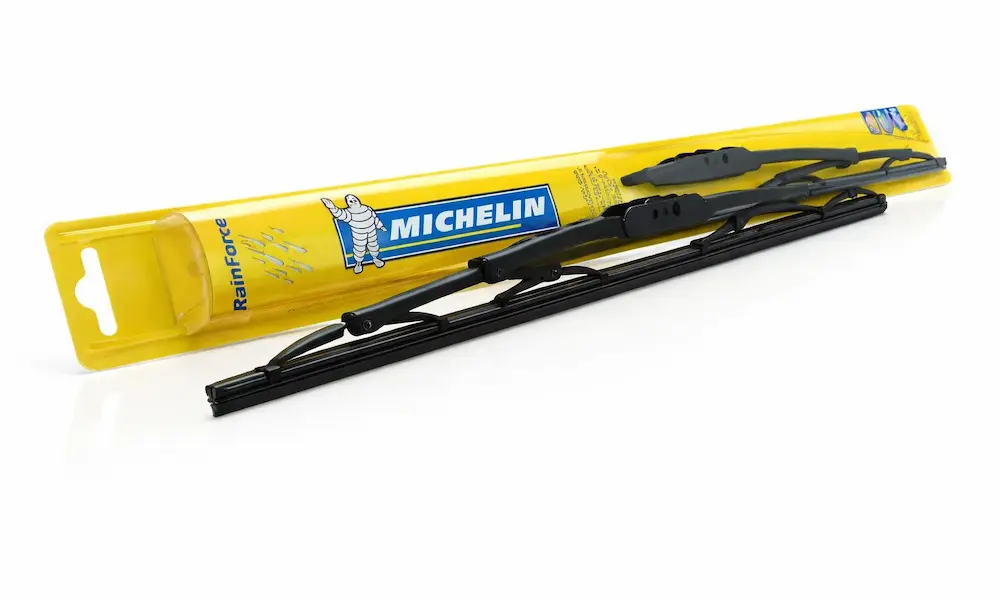
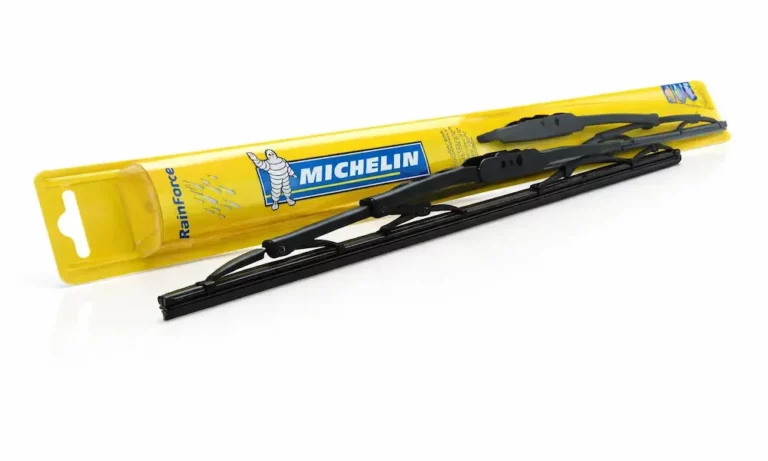
Michelin Rainforce: The Workhorse Blade
The Rainforce series is Michelin’s conventional frame blade. It uses a steel frame treated to resist rust, which matters a lot if you drive through the Midwest salt belt every winter.
The frame has an “Aero Vented” design — meaning airflow passes through the structure instead of lifting the blade off your glass at highway speeds. That’s a real problem with cheap conventional blades, and Michelin solves it with smart engineering.
The rubber element has a nano-graphite coating that cuts friction. This means less chattering noise and a cleaner wipe. For $8 to $10, the Rainforce punches above its weight.
Michelin Guardian: The Beam Blade for Modern Cars
Newer cars have more curved windshields. A conventional blade with six or eight contact points can’t match that curve perfectly. That’s where the beam design wins.
The Michelin Guardian series — commonly found at Costco — uses a frameless, curved design that distributes pressure evenly across the entire blade length. Michelin calls this “infinite pressure points.” The result is a cleaner wipe from edge to edge, especially on the passenger side where glass curves the most.
The Guardian+ adds a dual-point coupler that keeps pressure centered even as the blade flexes. It’s a subtle upgrade that makes a noticeable difference on complex windshield shapes.
Michelin Stealth Ultra: Built for Winter
If you live in a snow belt state, the Michelin Stealth Ultra might be the best blade on this list for you.
It’s a hybrid design — a hard outer shell protects the internal mechanics from ice and snow buildup. Ice jamming the hinges of a conventional blade is one of the most common winter wiper failures. The Stealth Ultra’s cover stops that from happening.
The “Smart-Flex” technology acts like a suspension system inside the blade. While your wiper arm pushes down, Smart-Flex hinges let the blade bend independently at multiple points. This keeps the blade hugging your windshield through every stroke, even in freezing temperatures.
Car Talk ranked the Stealth Ultra as a top-tier performer specifically because of how its Smart Hinge joints maintain contact during winter driving.
Michelin Endurance XT and Optimum+: The Premium Options
Endurance XT: For Heat and Longevity
Standard rubber wiper blades crack and harden in extreme heat. States like Arizona and Florida can destroy a regular blade in three months flat.
Michelin’s Endurance XT uses “QuadTech” four-layer coated silicone. Silicone handles thermal extremes better than rubber — it doesn’t bond to hot glass in summer or go brittle in January cold. Michelin claims it lasts twice as long as a standard blade, and the material science backs that up.
Here’s a bonus: silicone blades deposit a microscopic water-repellent layer on your glass as they wipe. Rain starts beading up and rolling off between wipes. That’s a real visibility improvement, not a marketing claim.
Optimum+ Ceramic: The Clearest View at Night
The Optimum+ Ceramic Beam is Michelin’s top-shelf option. It uses a “3-in-1 Ceramic Shield” that cleans, protects, and coats your windshield — similar to how ceramic paint protection works on car bodies.
The ceramic layer creates a hydrophobic barrier. Road grime, bugs, and bird droppings don’t stick as easily, so your wipers don’t have to work as hard.
It also includes “Night Shield” technology. Rain at night causes light from oncoming headlights to scatter into a starburst effect through water droplets. Night Shield produces an ultra-smooth wipe that reduces those optical distortions. If you do a lot of night driving in rainy conditions, this feature alone might be worth the upgrade.
Are Michelin Wiper Blades Good Compared to Bosch and Rain-X?
Great question. Let’s be direct about it.
| Performance Metric | Michelin (Premium) | Bosch Icon | Rain-X Latitude |
|---|---|---|---|
| Initial Clearing | Excellent | Excellent | Superior |
| Long-Term Durability | 6–9 months | 12–24 months | 6–12 months |
| Winter/Ice Resilience | High (hybrid) | High (beam) | Moderate |
| Quietness | Moderate | Superior | Moderate |
| Retail Price (pair) | $8–$15 | $25–$30 | $15–$20 |
Michelin vs. Bosch
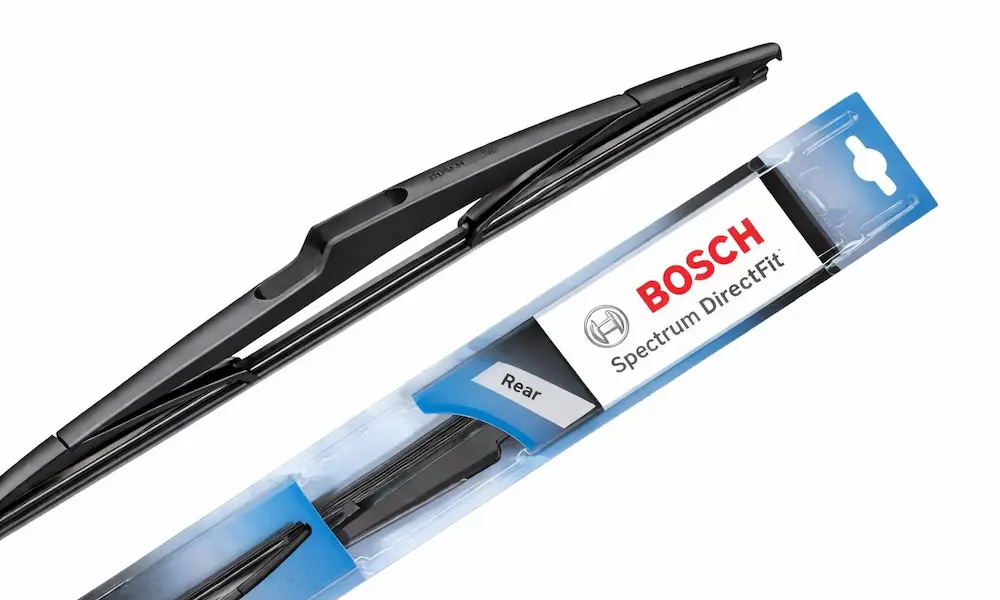
Bosch, specifically the Icon series, is the gold standard for longevity and silence. It consistently outperforms Michelin in long-term tests, staying streak-free and quiet for 12 to 24 months. Michelin blades often start to squeak or streak around the 6 to 9-month mark.
However, a Bosch Icon pair can cost $50 to $60. A Michelin pair at Walmart runs $16 to $30. If you replace Michelin blades twice a year, you spend roughly the same annually — but you have to install them twice.
Michelin vs. Rain-X
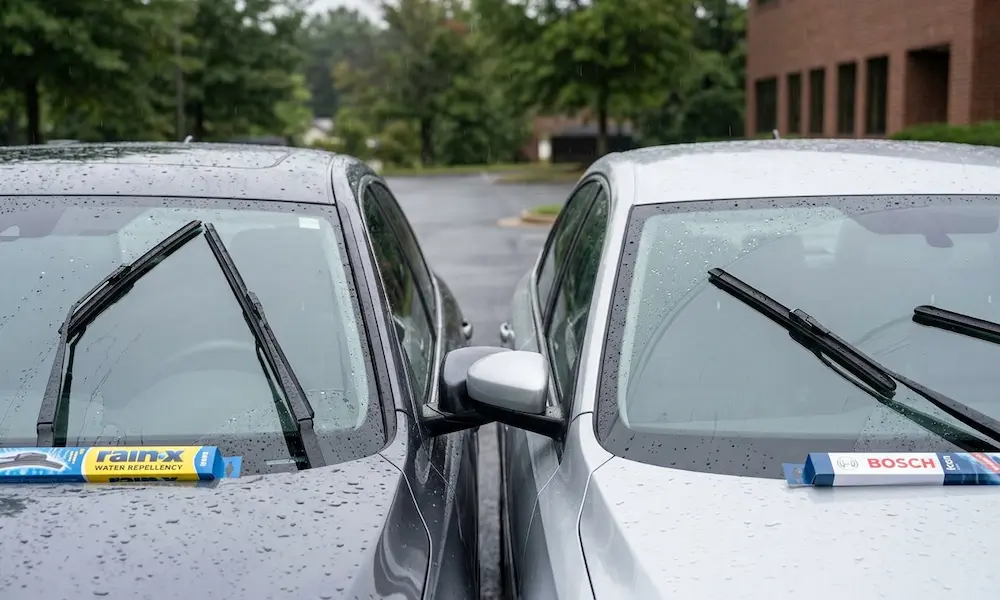
Rain-X Latitude earned the “Best Overall” rating from Car Talk thanks to its chemical coating that actively repels water. But some drivers find the coating leaves a greasy film or smears during dry wipes.
The Michelin Stealth Ultra is usually the runner-up in these comparisons. Michelin’s approach relies on physical contact mechanics rather than chemistry. For heavy snow and slush, Michelin’s hybrid design holds up better than Rain-X. For liquid rain in mild climates, Rain-X’s coating gives it an edge.
Where You Buy Michelin Blades Actually Matters
Here’s something most people don’t realize — the store you buy from affects your experience.
Walmart shoppers consistently rate the Michelin High Performance series highly. At roughly $8 per blade, drivers who replace wipers every six months love the price-to-performance ratio. Reviews call them “great out of the box” with streak-free performance that beats budget brands.
Costco shoppers have a more mixed experience with the Guardian series. Because Costco sells them at very low prices to a huge membership base, more people test them in more conditions. A vocal group reports juddering and streaking within a few months. Some automotive enthusiasts suggest the Guardian uses a slightly different rubber compound than the Stealth Ultra to hit Costco’s price point.
Also, fitment issues come up at Costco more often because the store carries limited sizes. If your car needs an unusual blade length, a standard Michelin Guardian might not sit correctly.
Installation: Easy for Most, Tricky for Some
Michelin uses two connector systems: EZ-Lock and FastLoc.
EZ-Lock comes pre-configured for the J-hook, which is the most common wiper arm type in the US. For most cars, it’s a click-and-go install under 60 seconds. For less common arms, you use one of the included adapters.
FastLoc, found on the Costco Guardian series, focuses on a secure audible “click” that confirms proper attachment. This matters more than it sounds. A poorly seated wiper blade can fly off at highway speeds — and a metal arm dragging across your windshield is expensive. According to NHTSA safety guidance, maintaining clear windshield visibility is a fundamental vehicle safety requirement, which is why a secure connection isn’t optional.
Some drivers with European imports, newer Fords with pinch-tab arms, or EVs like the Chevrolet Bolt EUV have reported fitment headaches. The adapter strategy works for most cars, but “most” isn’t all.
Newer vehicles like the Honda CR-V often require a “maintenance mode” to access the wiper arm properly. If you don’t know about this step, the installation feels broken — even when it isn’t.
How to Make Michelin Blades Last Longer
You can squeeze more life out of your Michelin blades with two simple habits.
Clean your windshield properly. Road oil, car wash wax, and road film coat your glass over time. Even a brand-new Michelin blade will streak on a contaminated windshield. Clean the glass with a dedicated glass stripper or a vinegar-and-water solution periodically. This alone can stop most “new blade streaking” complaints.
Wipe the blade edge. Rub the rubber wiper edge with a cloth soaked in rubbing alcohol or windshield washer fluid every couple of months. This removes oxidation and road film that builds up on the rubber. It takes 30 seconds and can add months of clean, quiet wipes to your Michelin blade’s life.
Who Should Buy Michelin Wiper Blades?
Buy Michelin if you:
- Replace blades every six months as part of routine maintenance
- Want a reliable, name-brand upgrade from budget store-brand blades
- Drive in heavy snow or ice (go with the Stealth Ultra)
- Live in extreme heat where standard rubber fails fast (go with the Endurance XT)
- Want advanced night driving visibility (go with the Optimum+ Ceramic)
Consider Bosch instead if you:
- Want to install blades once and forget about them for two years
- Prioritize near-silent operation above all else
- Don’t mind paying $25 to $30 per blade upfront
Michelin wiper blades are genuinely good — especially when you match the right model to your climate and driving habits. They’re not the longest-lasting blades on the market, but they deliver solid performance, easy installation, and real safety value at a price that makes regular replacement painless.