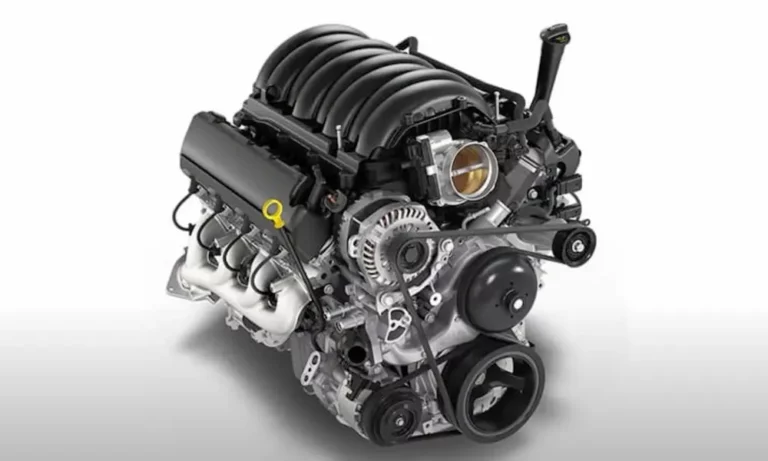
That rhythmic ticking from your engine isn’t just annoying — it’s your valvetrain waving a red flag. The good news? Knowing how to fix lifters ticking doesn’t always mean an expensive repair. This guide walks you through every fix, from a $10 bottle of cleaner to a full teardown, so you can stop the noise before it becomes a real problem.
What Is Lifter Tick (And Why Should You Care)?
A hydraulic valve lifter uses pressurized engine oil to keep the valvetrain running quietly with zero mechanical gap. When oil supply drops, varnish builds up, or a component wears out, that hydraulic cushion fails. The result is a metallic tapping sound that speeds up with engine revs.
Ignore it long enough, and you’re looking at a damaged camshaft, misfires, and serious power loss.
Is It Actually a Lifter? How to Diagnose the Noise First
Before you start pulling apart your engine, confirm the noise is actually coming from the lifters.
Use an engine stethoscope or a long screwdriver held against the valve covers to isolate the vibration. Lifter tick lives at the top of the engine, not deep in the block.
Here’s a quick reference to separate lifter tick from other common engine noises:
| Noise Type | Sound | Behavior | Source |
|---|---|---|---|
| Lifter Tick | Light metallic tapping | Speeds up with RPM; often worse when cold | Valve covers / top end |
| Rod Knock | Deep, heavy thud | Louder under load | Crankshaft / connecting rods |
| Exhaust Leak | Snapping or puffing | Quiets down as engine warms | Exhaust manifold / gasket |
| Piston Slap | Hollow rattle | Worst when cold; fades with heat | Cylinder bores |
| Injector Noise | Rapid light clicking | Constant and quiet | Fuel rail / injectors |
One reliable test: in a four-stroke engine, the valvetrain runs at half the crankshaft speed. If the tick happens at exactly half the engine’s revolution rate, it’s almost certainly a valvetrain issue.
A tick that disappears after the engine warms up usually points to “bleed down” — the oil drains out of the lifter overnight, and the pump takes a minute to refill it on startup. That’s a different problem than a constant tick, and the fix is different too.
The Most Common Reasons Lifters Tick
Most lifter noise comes down to one thing: oil. Either there isn’t enough of it, it’s dirty, or it’s the wrong type.
Low oil level or pressure — The top end of the engine is the last place oil reaches. A low oil level starves the lifters first. It can also cause the crankshaft to whip air into the oil pan, creating aerated oil. Because air compresses, a lifter full of bubbles collapses under load and ticks.
Varnish and sludge buildup — Over time, oil breaks down and leaves behind varnish deposits. These coat the tiny internal passages of the lifter and cause the internal plunger to stick. A stuck plunger can’t adjust for zero lash, so you get a persistent gap and constant noise. A small piece of carbon lodged in the check valve has the same effect — oil leaks out the moment the cam applies pressure.
Wrong oil viscosity — Here’s how viscosity affects lifter behavior:
| Viscosity State | Effect on Lifter | Symptom |
|---|---|---|
| Too thin | Oil leaks out of the high-pressure chamber quickly | Ticking when hot |
| Too thick | Can’t flow through small feed holes fast enough | Ticking on cold starts |
| Aerated | Air bubbles compress under load | Erratic ticking at various RPMs |
| Contaminated | Debris blocks the check valve | Constant sharp tapping |
How to Fix Lifters Ticking: Start With the Easy Stuff
Don’t remove a single bolt until you’ve tried these steps. They fix the majority of lifter tick cases.
Step 1: Check Your Oil Level and Condition
Pull the dipstick. If it’s low, top it up with the manufacturer’s specified viscosity and recheck the level after a short drive. If the oil looks black, gritty, or smells burnt, you need an oil change before anything else.
Step 2: Do an Engine Oil Flush
An engine flush introduces detergent chemicals into the crankcase to dissolve the varnish clogging your lifters.
Here’s the short-cycle method:
- Warm the engine to operating temperature.
- Add a dedicated flushing agent to the old oil.
- Let the engine idle for 10–15 minutes. Don’t drive it — the flush thins the oil.
- Drain the oil while it’s hot and install a new filter and fresh oil immediately.
For stubborn ticking, use a gradual high-detergent additive like Sea Foam that stays in the engine for several hundred miles. It cycles through the lifter’s internal check valve and plunger repeatedly, giving a deeper clean than a short flush.
Step 3: Switch to the Right Oil
Go back to the viscosity in your owner’s manual. Running thicker oil to “mask” a tick often makes it worse, especially in engines with tight oil passages.
Switching to a full synthetic helps too. Synthetics have stronger detergent packages and a more uniform molecular structure, so they reach the small orifices inside a sticky lifter more effectively than conventional oil.
Also, don’t skimp on the filter. A premium filter with a solid anti-drainback valve stops oil from draining out of the upper galleries overnight — that directly reduces cold-start lifter tick.
Adjusting Lifter Preload: The Mechanical Fix
If the tick started after a camshaft swap or cylinder head work, the valvetrain preload is probably off. This is a mechanical problem that no amount of oil additive will fix.
Finding the Base Circle First
You can only adjust a lifter when it’s resting on the base circle of the cam lobe — the low point where no lift is happening and the valve is fully closed. Adjusting a lifter while it’s on the ramp will destroy the engine.
Use the I.C.E. method to find the base circle:
- To adjust the exhaust valve: rotate the engine until the intake valve on that cylinder has just opened and is nearly closing.
- To adjust the intake valve: rotate the engine until the exhaust valve on that cylinder just begins to open.
Setting Zero Lash and Preload
Hydraulic lifters need preload, not a gap. Preload pushes the internal plunger down slightly from its fully extended position, giving it travel room as the engine expands and contracts.
- With the lifter on the base circle, loosen the rocker arm nut until you feel the pushrod move loosely.
- Spin the pushrod between your fingers and slowly tighten the nut.
- The moment you feel slight resistance — the pushrod doesn’t spin freely anymore — you’ve hit zero lash.
- From zero lash, tighten the nut an additional half to one full turn (check your specific engine spec). That’s your preload.
Engine material matters here. Aluminum heads and blocks expand more than cast iron, so preload settings have to account for that thermal growth to avoid noise when the engine reaches operating temperature.
Manual Cleaning: When Flushes Don’t Work
If the tick persists after chemical cleaning, pull the lifters and clean them by hand. This is more work, but it’s often the only way to clear a heavily varnished plunger.
Removing and Tracking the Lifters
Access usually requires removing valve covers and, on cam-in-block engines, the intake manifold. Once the rockers and pushrods are out, pull each lifter with a magnet or dedicated lifter tool.
Critical rule: every lifter goes back into the exact bore it came from. The bottom of the lifter and the camshaft lobe develop a matched wear pattern over time. Mix them up, and you’ll destroy the camshaft fast.
Cleaning Steps
- Scrub the outside of each lifter with degreaser before opening it.
- Compress the plunger slightly and remove the retaining clip with a small pick.
- Pull out the plunger, spring, and check valve assembly.
- If the plunger is seized, soak the lifter in kerosene or lacquer thinner. Gentle heat from a heat gun helps too.
- Clean everything in a solvent bath. Use small brushes on the bore and plunger surface.
- Pay most attention to the check valve seat — any debris here prevents the valve from sealing.
- Reassemble with clean assembly oil.
Cleanliness here is non-negotiable. Engine tolerances are tighter than a human hair. A single speck of dust can cause a freshly cleaned lifter to fail.
When You Have to Replace the Lifter
Some lifters are beyond saving. A collapsed lifter — one with a broken internal spring or permanently damaged check valve — will clatter constantly regardless of oil temperature, and the engine will misfire.
Here’s how to tell what you’re dealing with:
| Symptom | Sticking/Dirty Lifter | Collapsed/Failed Lifter |
|---|---|---|
| Sound | Light tapping or clicking | Loud, sharp metallic clacking |
| Temperature response | Often disappears when warm | Constant regardless of heat |
| Engine performance | Normal or slightly rough idle | Power loss; misfire codes |
| Additive effectiveness | Often works | No effect |
If the lifter foot is flat or concave instead of slightly convex, the hardening has failed. That lifter is “wiped,” and the camshaft lobe is almost certainly damaged as well. Replace both the full lifter set and the camshaft together so the new surfaces wear in properly.
Bleeding Lifters Before Installation
New or freshly cleaned lifters must be bled of air before you install them. Air inside the lifter acts like a spring — it’ll compress under load and tick on the first startup.
Submerge the lifter in clean engine oil. Use a spare pushrod to cycle the plunger up and down. At the bottom of each stroke, gently press the check valve open with a small pick to let oil in and push air out. Repeat until no bubbles come out and the plunger feels hard and incompressible.
For a deeper bleed, use a vacuum pump. Submerge the lifters in a sealed container of oil and pull a vacuum. It pulls every air pocket out fast and ensures a perfectly quiet first start.
After the engine is reassembled, prime the oil system before cranking it. On older engines, spin the oil pump with a drill through the distributor hole. This fills the galleries with pressure before the crankshaft ever turns, protecting both the new lifters and the camshaft lobes from a dry start.
Engine-Specific Issues Worth Knowing
Chevy LS Engines: Check the Oil Pickup O-Ring
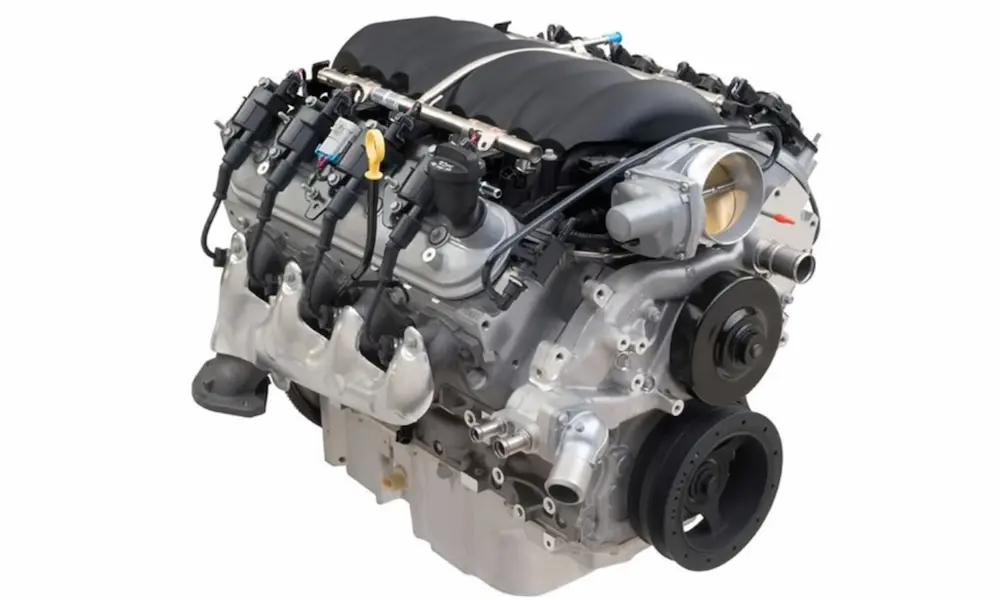
On LS V8s, a common source of ticking isn’t the lifters at all — it’s the oil pump pickup tube o-ring. When that rubber ring hardens and cracks, the pump sucks air instead of oil. Aerated oil goes straight to the lifters and they tick.
Quick test: overfill the oil by about two quarts and park the car nose-down on a steep incline. If the ticking stops and oil pressure rises, the pickup tube is confirmed as the culprit. The fix means dropping the oil pan and replacing the o-ring.
Older GM and Isuzu V6 Engines: Tiny Oil Passages
These engines have very small lifter feed ports that clog easily from varnish. Using thicker oil in these engines almost always makes the tick worse, not better. The fix is a series of short-interval oil changes using high-detergent oils specifically formulated to dissolve varnish gradually.
Keeping Lifters Quiet Long-Term
The best fix for lifter tick is never having it happen again. Here’s what actually works:
| Preventive Action | Why It Matters | How Often |
|---|---|---|
| Full synthetic oil | Strong detergent packages prevent varnish | Every oil change |
| Premium oil filter | Removes small contaminants; anti-drainback valve prevents dry starts | Every oil change |
| Avoid constant short trips | Short trips don’t get the oil hot enough to burn off moisture and fuel contaminants | Whenever possible |
| Zinc additive (flat-tappet engines) | Modern oils have reduced zinc levels that don’t protect older flat-tappet cams | Every oil change on older engines |
| Periodic engine flush | Removes early-stage deposits before they harden | Every 30,000–50,000 miles |
Standard oil change intervals assume ideal driving conditions. Most daily driving — short commutes, stop-and-go traffic, lots of idling — counts as severe service. Change your oil every 5,000 miles with quality synthetic and a good filter, and your lifters will stay quiet.
One more note for classic car owners: modern oils have had their zinc-based anti-wear additives reduced to protect catalytic converters. Flat-tappet lifters need high zinc levels to survive. Use a high-zinc specialty oil or add a zinc supplement at every change, or you’ll wear through lifter feet and cam lobes faster than you’d expect.
Lifter tick is almost always a lubrication problem at its core. Start with the oil, clean what you can, adjust what needs adjusting, and replace only what’s actually worn. Fix the root cause, and the tick goes away for good.